FEEL IT.STREAM
?

Mike Dibb

Directing

Biography

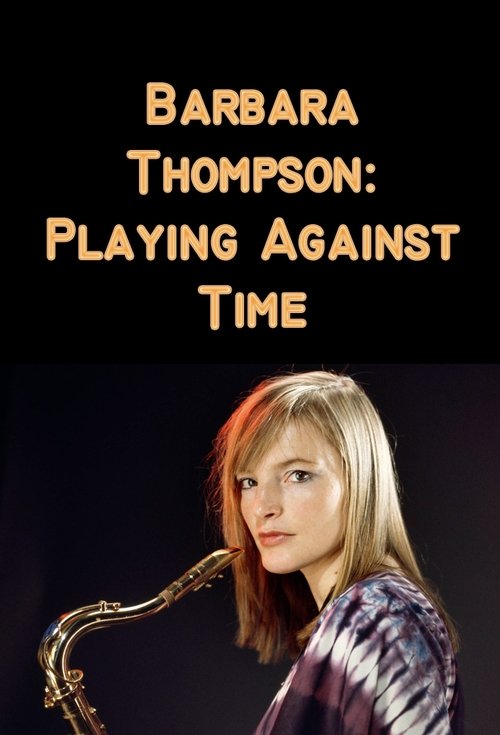
Mike Dibb (born Wharfedale, Bradford, West Yorkshire, 29 April 1940) is an English documentary filmmaker. In almost half a century of making films mainly for television – on subjects including cinema, literature, art, jazz, sport and popular culture – "he has defined and re-defined not only the televisual art documentary genre but has been able to make moving image pieces as a form of self portraiture". Dibb has made many acclaimed films, including on Federico García Lorca, C. L. R. James, Astor Piazzolla, Miles Davis, Keith Jarrett, Barbara Thompson and other notable subjects. In the words of Sukhdev Sandhu in The Guardian: "In a career spanning almost five decades, it's possible Dibb has shaped more ideas and offered more ways of seeing than any other TV documentarian of his generation." Mike Dibb is the father of film director Saul Dibb.
Known For

Ways of Seeing
7.5

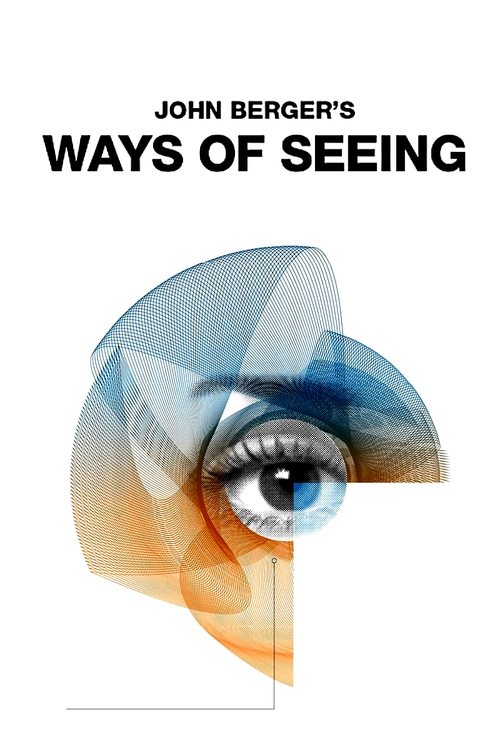
John Berger's Ways of Seeing changed the way people think about painting and art criticism. This watershed work shows, through word and image, how what we see is always influenced by a whole host of assumptions concerning the nature of beauty, truth, civilization, form, taste, class and gender. Exploring the layers of meaning within oil paintings, photographs and graphic art, Berger argues that when we see, we are not just looking - we are reading the language of images.

Ways of Seeing

1972
American Patchwork: Songs and Stories of America
N/A

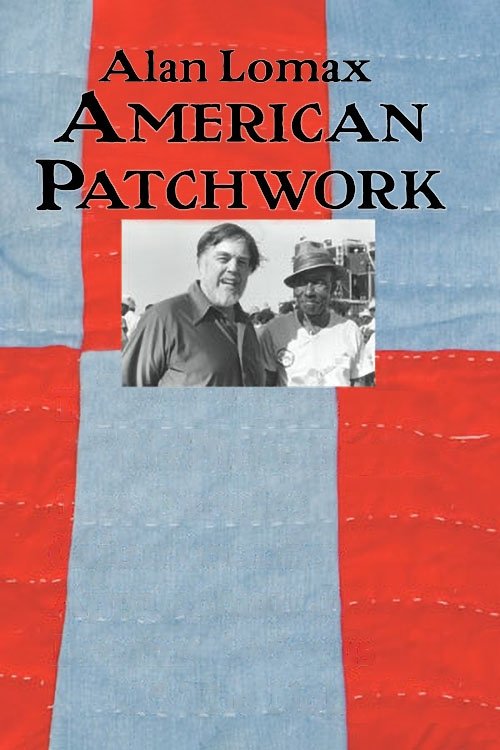
From 1978 to 1985 Alan Lomax traveled the American South and Southwest with a television crew to document regional folklore with deep historical roots. From the resulting 400 hours of footage came the five-program series American Patchwork, which aired on PBS in 1991.

American Patchwork: Songs and Stories of America

1990
Studs Terkel's Chicago
N/A

This documentary features acclaimed Chicagoan broadcaster and Pulitzer Prize winner Studs Terkel talking about the value of oral history and the voice of ordinary working Americans.

Studs Terkel's Chicago

1985
Appalachian Journey
8.3

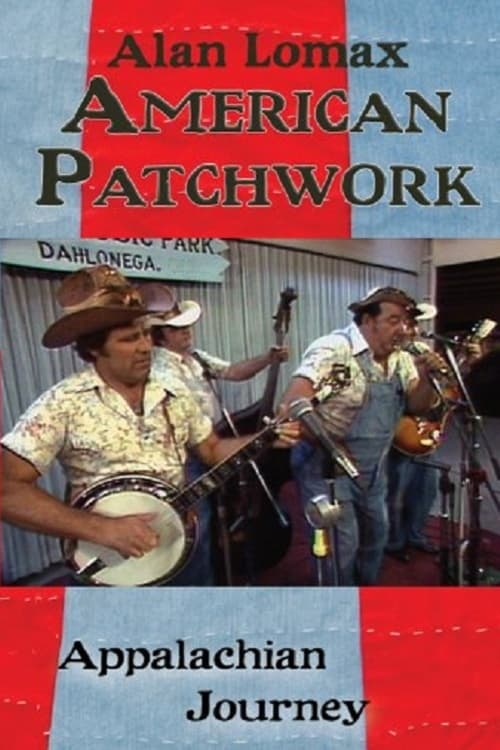
Appalachian Journey is one of five films made from footage that Alan Lomax shot between 1978 and 1985 for the PBS American Patchwork series (1991). It offers songs, dances, stories, and religious rituals of the Southern Appalachians. Preachers, singers, fiddlers, banjo pickers, moonshiners, cloggers, and square dancers recount the good times and the hard times of rural life there. Performers include Tommy Jarrell, Janette Carter, Ray and Stanley Hicks, Frank Proffitt Jr., Sheila Kay Adams, Nimrod Workman and Phyllis Boyens, Raymond Fairchild, and others, with a bonus of a few African-Americans from the North Carolina Piedmont.

Appalachian Journey

1991
Kirk Douglas
N/A

Talking with Michael Parkinson and members of the audience at the National Film Theatre, London. An informal discussion illustrated with extracts from some of his most famous films: Champion (1949), Ace in the Hole (1951), Paths of Glory (1958), Lonely are the Brave (1962), In Harm's Way (1965), The Arrangement (1970).

Kirk Douglas

1972
John Berger or The Art of Looking
5.2

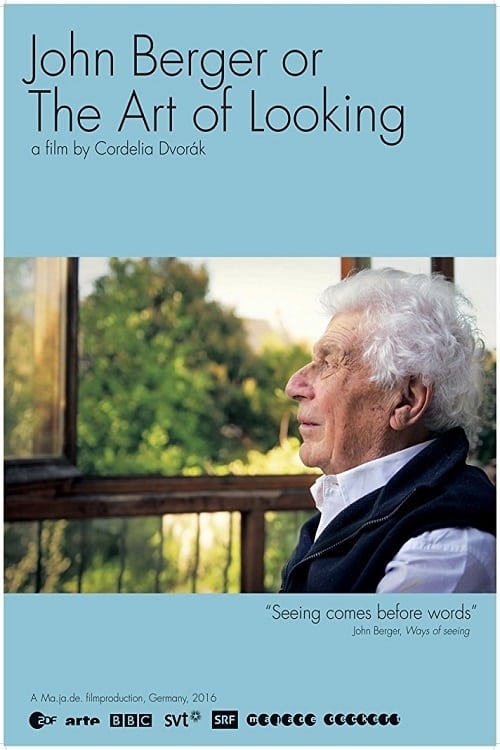
Art, politics and motorcycles - on the occasion of his 90th birthday John Berger or the Art of Looking is an intimate portrait of the writer and art critic whose ground-breaking work on seeing has shaped our understanding of the concept for over five decades. The film explores how paintings become narratives and stories turn into images, and rarely does anybody demonstrate this as poignantly as Berger.

John Berger or The Art of Looking

2016
Edward Said: The Last Interview
7.0

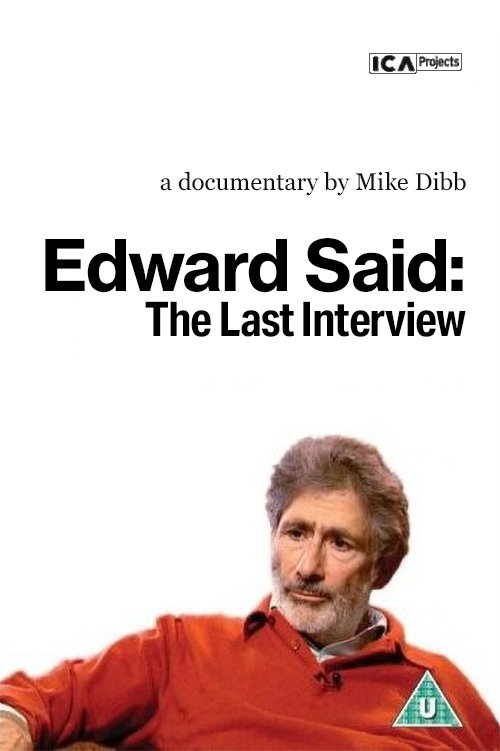
Edward Said, Professor of English & Comparative Literature at Columbia University, was a prominent literary critic of the late 20th century and a leading spokesperson for the Palestinian cause in the US. Born to a Palestinian family in Al-Quds (Jerusalem) in 1935, he and his family were dispossessed in 1948 and settled in Cairo. Educated in the US, he lived in New York for many years. Said was a member of the Palestine National Council. After resigning from the PNC in 1991, Said wrote critically about the post-Oslo peace process, the political failures of Yasser Arafat and the PLO. Said was diagnosed with leukemia in 1991 and struggled with the disease while continuing to write and teach. He stopped giving interviews but made an exception less than a year before his death in 2003, speaking about his illness, work, Palestine, politics, life, and education. The last interview is the final testament of this passionately committed intellectual.

Edward Said: The Last Interview

2004
The Nomad
N/A

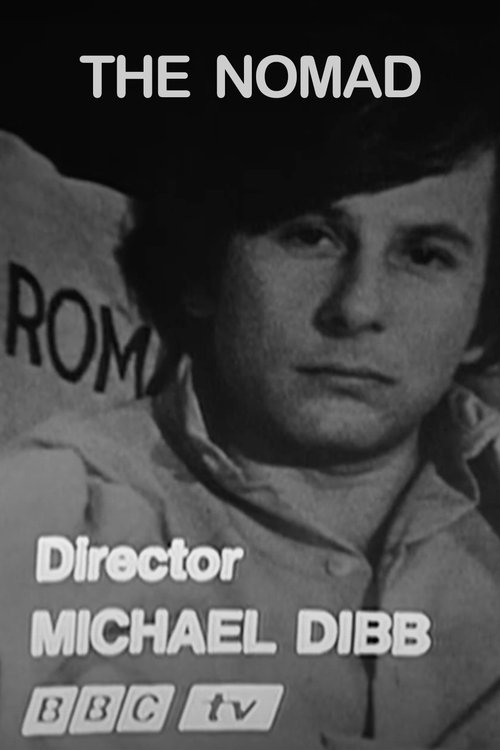
An interview with film director Roman Polanski, recorded for BBC TV in 1967.

The Nomad

1967
Personally Speaking: A Long Conversation with Stuart Hall
N/A

In this stimulating and eloquent four-hour interview, conducted by the literary journalist Maya Jaggi and directed by Mike Dibb, Hall reflects on his life and career, talking personally and in depth about the trajectory of his work and how it has intersected with broader political movements. In a conversation both intimate and sweeping in scope, Hall describes his migration from Jamaica to England, his immersion in left-wing politics in London, the influence of Raymond Williams and E.P. Thompson on the evolution of his thought, and the context within which the early classic texts of cultural studies were written. Hall also shares his pessimism about the economic recession and his optimism about Barack Obama's victory. Future analysis of Hall's work, and of cultural studies in general, will need to take account of this fascinating and indispensable first-person account of his life and ideas.

Personally Speaking: A Long Conversation with Stuart Hall

2009
The Beginning of the End of the Affair
N/A

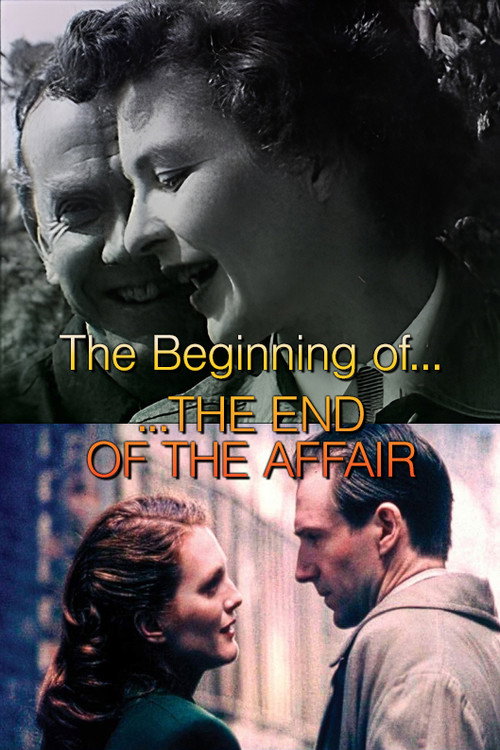
Oliver Walston investigates his mother Catherine's 20-year relationship with the writer Graham Greene, which gave rise to Greene's famous novel The End of the Affair, twice adapted as a feature film. The documentary follows the second film during its production, where screenwriter/director Neil Jordan and stars Ralph Fiennes and Julianne Moore offer their personal perspectives on the novel's continuing resonance.

The Beginning of the End of the Affair

2000
Typically British: A Personal History of British Cinema
7.3

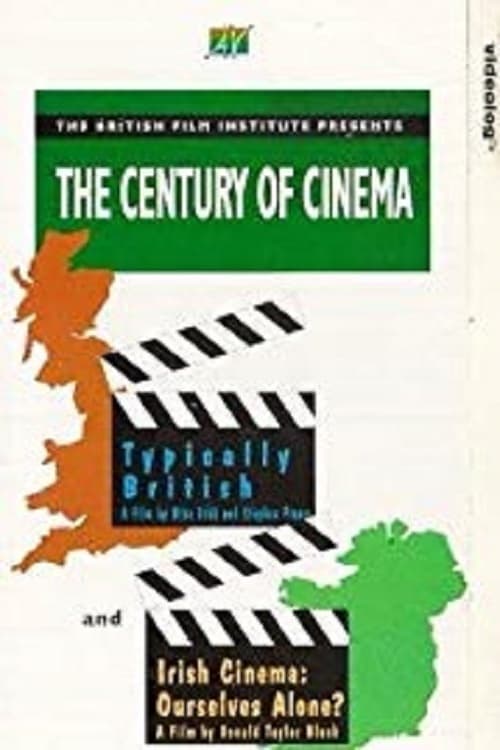
Stephen Frears and a quartet of film industry notables - representing different cinematic periods - drink tea and discuss ups and downs of British cinema.

Typically British: A Personal History of British Cinema

1995
One to One: Jean-Luc Godard Speaks
N/A

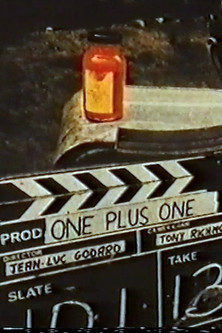
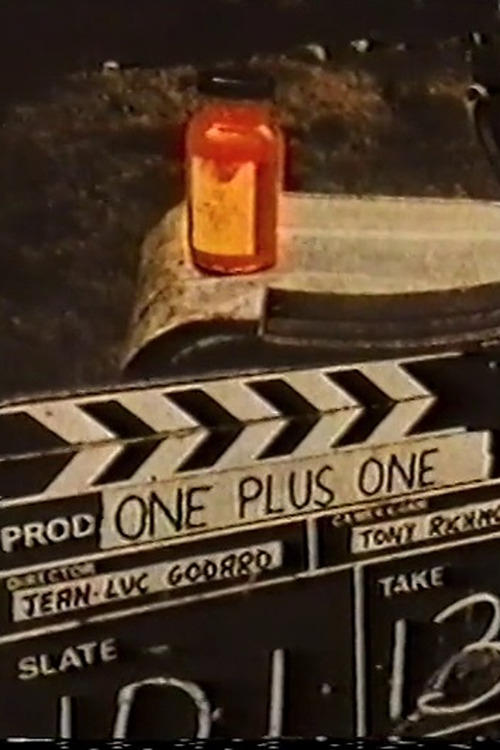
Short film, going behind-the-scenes of shooting for One Plus One (1968) in London, featuring an interview with Godard sitting beside a tree. Many crew members from this shoot were then borrowed by him, playing the press in the film's Eve Democracy sequence. Originally broadcast on the BBC programme 'Release' (30th Nov. '68).

One to One: Jean-Luc Godard Speaks

1968
The Miles Davis Story
7.0

This British documentary shows the complex layers of legendary jazz trumpeter Miles Davis, who was a major innovator in post-bop, cool jazz, hard-bop and fusion. Davis's raw-edged trumpet tones were some of the most evocative sounds ever heard. This profile captues the magnificent and mercurial artist -- one of the most identifiable and misunderstood pop icons of the 20th century -- through rare footage and interviews.

The Miles Davis Story

2001
Keith Jarrett: The Art of Improvisation
3.8

A documentary portrait of one of the world's superstars of Jazz, pianist Keith Jarrett, exploring his life and work.

Keith Jarrett: The Art of Improvisation

2005
No image
N/A

Recording of the actor in conversation with Joan Bakewell at the National Film Theatre, London.

Paul Newman

1973
CLR James Talking to Stuart Hall
N/A

Cyril Lionel Robert James (1901-1989) was a historian, journalist and contributor to Marxist thought. Stuart Hall was able to interview him for Channel 4 in the UK . The interview discusses his thoughts on revolution, socialism, and politics. His involvement in activism lasted decades. Born in Trinidad, much of his life was spent in the UK. C.R.L James became a teacher and notably taught Eric Williams. Williams went on to lead Trinidad and Tabago to independence. C.L.R. James also wrote fiction and about cricket. During his youth he did play the sport and wrote Beyond a Boundary (1963) describing cricket’s cultural significance. One of his favorite novels was Vanity Fair. This novel followed the lives of Becky Sharp and Amelia Sedley during the Napoleonic Wars. James was a figure in the Pan-African movement and the anti-colonial freedom struggle. What tends to be ignored is his concern about class exploitation.

CLR James Talking to Stuart Hall

1984
About Time
5.5

Film Essay based on “And Our Faces, My Heart, Brief As Photos” by John Berger.

About Time

1985
The Making of Jean Luc Godard's 'One Plus One'
N/A

A short film Mike Dibb directed for the BBC in July 1968 in Cowdray Park, where Godard was shooting a sequence with the Rolling Stones for ONE PLUS ONE. It was broadcast on BBC2 within the framework of the arts magazine RELEASE on the 30 November 1968 to coincide with the screening (which has become famous…) of ONE PLUS ONE at the London Film Festival.

The Making of Jean Luc Godard's 'One Plus One'

Parting Shots from Animals
N/A

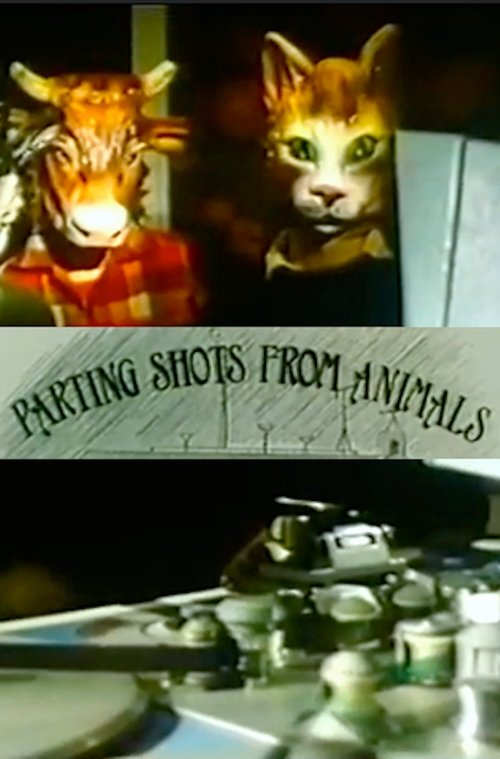
“Parting Shots from Animals” was inspired by essays by John Berger and developed in collaboration with Chris Rawlence. Shot entirely in the UK, it consists of a diverse series of arresting ‘films within a film’, each presented as if made about us from the perspective of the animals whose lives we may appear to celebrate, but continue to exploit and to destroy. While John Berger doesn’t appear in the film and wasn’t directly involved in it’s making, he narrates to great effect the text he co-wrote to accompany the film’s provocative opening sequence.

Parting Shots from Animals

1980
No image
N/A

Bette Davis talks with Joan Bakewell and members of the audience at the National Film Theatre, London.

Bette Davis

1972