Acting
PBS' premier science series helps viewers of all ages explore the science behind the headlines. Along the way, NOVA demystifies science and technology, and highlights the people involved in scientific pursuits.
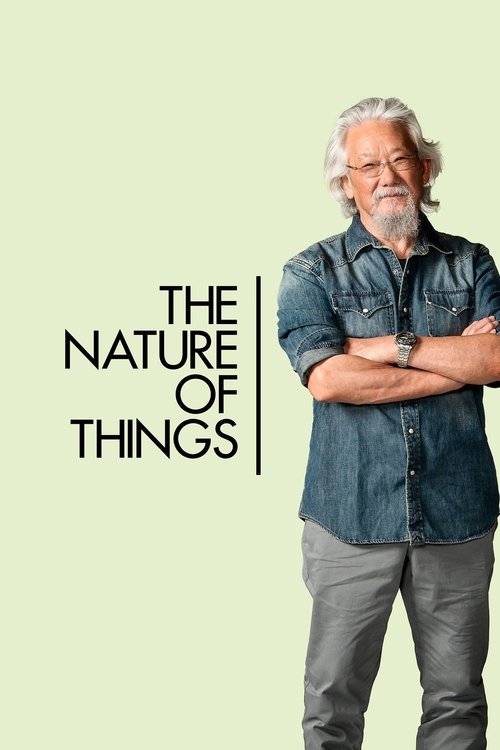
The Nature of Things is a Canadian television series of documentary programs. It debuted on CBC Television on November 6, 1960. Many of the programs document nature and the effect that humans have on it. The program was one of the first to explore environmental issues, such as clear-cut logging. The series is named after an epic poem by Roman philosopher Lucretius: "Dē Rērum Nātūrā" — On the Nature of Things.
Hosted by Hamish Macdonald, Q&A puts punters, pollies and pundits together in the studio to thrash out the hot issues of the week. It's about democracy in action - the audience gets to ask the questions.
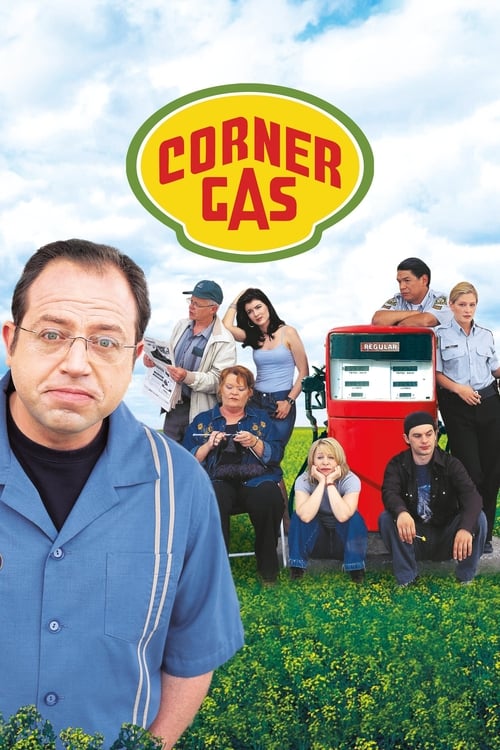
Following the adventures of a bunch of nobodies who get up to a whole lot of nothing in the fictional prairie town of Dog River, Saskatchewan, Corner Gas focuses on the life (or lack thereof) of Brent LeRoy, proprietor of a gas station that is the only stop for miles around and a hub of action on the Prairies.
A magazine show about culture and trends and how they can shape society in unexpected ways.
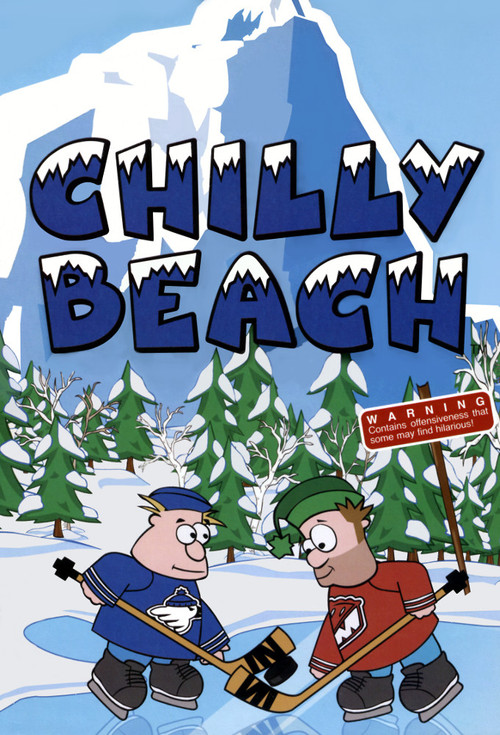
Chilly Beach is an animated comedy series about life on a floating iceberg in the frozen far north of Canada. Hockey! Beer! Polar bears! Snow!
The Great Debate is a Canadian television series that featured debates between pairs of panelists over a given subject. It was first shown on Global Television Network in 1974, and later broadcast by CHCH-TV from Hamilton, Ontario. The series was produced intermittently until 1983.
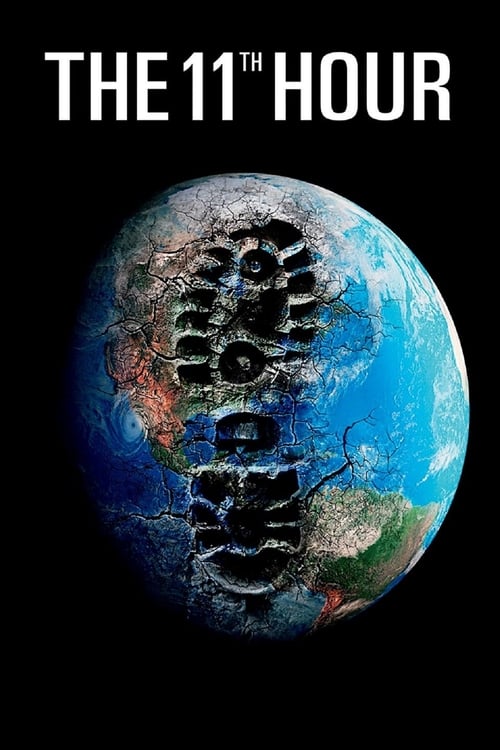
A look at the state of the global environment including visionary and practical solutions for restoring the planet's ecosystems. Featuring ongoing dialogues of experts from all over the world, including former Soviet Prime Minister Mikhail Gorbachev, renowned scientist Stephen Hawking, former head of the CIA R. James Woolse
Claude Legault heads to places infused with memories, wonderful reminders of the country's unsung role during World War II, to gather touching, human and often unimaginable stories about Canada's participation and the people who lived through it.
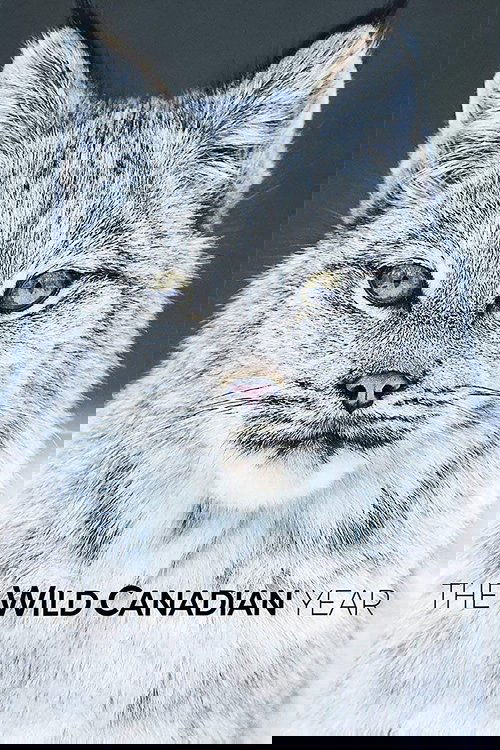
View Canada’s extraordinary wildlife through the lens of its four distinct seasons.
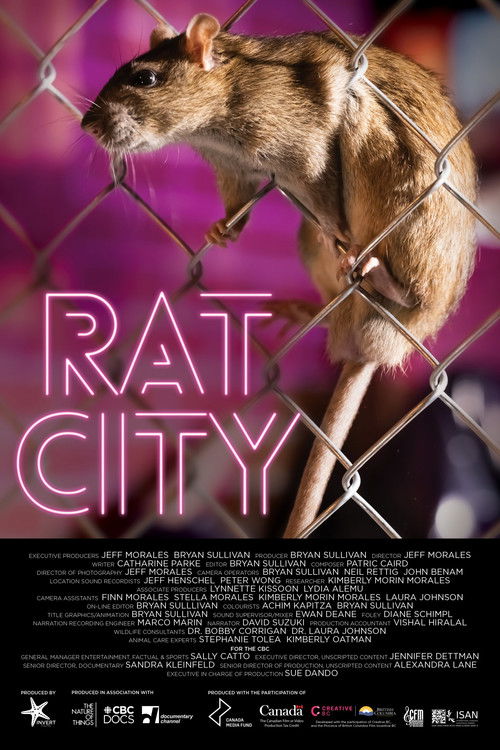
They climb, squeeze through crevices, bite through lead pipes and conquer their environment again and again. A scientific journey of discovery into the world of rats.
Most people experience trauma at least once. For many, the memories fade with time. But for some, they make it impossible to move beyond trauma.
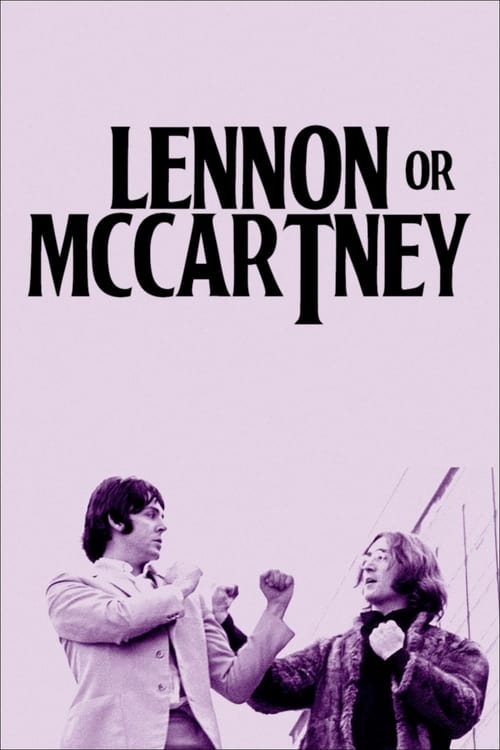
550 artists were interviewed over ten years. At some point during those interviews, they were asked a question and told to answer with one word only. Some stuck to one, some said more, some answered quickly, some thought it through, and some didn't answer at all. That question… Lennon or McCartney?
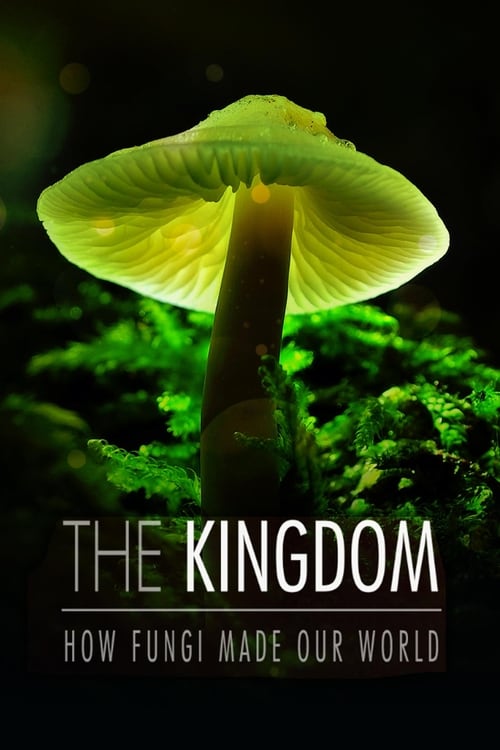
You find fungi in Antarctica and in nuclear reactors. They live inside your lungs and your skin is covered with them. Fungi are the most under appreciated and unexplained organisms, yet they could cure you from smallpox and turn cardboard boxes into forests. They could even transform Mars into Eden. There are vastly more fungi species than plants and each and every one of them play a crucial role in life’s support systems. Join us on a journey into the mysterious world of Fungi to witness their beauty, unravel their mysteries and discover how this secret kingdom is essential to life on Earth, and may in fact hold the key to our future.
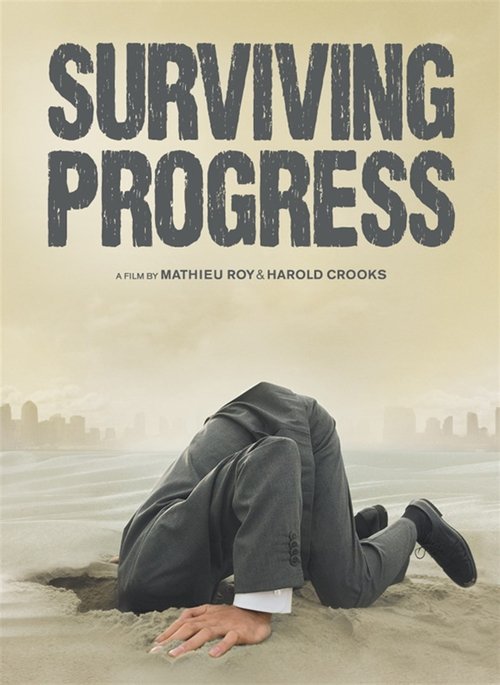
Humanity’s ascent is often measured by the speed of progress. But what if progress is actually spiraling us downwards, towards collapse? Ronald Wright, whose best-seller, “A Short History Of Progress” inspired “Surviving Progress”, shows how past civilizations were destroyed by “progress traps”—alluring technologies and belief systems that serve immediate needs, but ransom the future. As pressure on the world’s resources accelerates and financial elites bankrupt nations, can our globally-entwined civilization escape a final, catastrophic progress trap? With potent images and illuminating insights from thinkers who have probed our genes, our brains, and our social behaviour, this requiem to progress-as-usual also poses a challenge: to prove that making apes smarter isn’t an evolutionary dead-end.
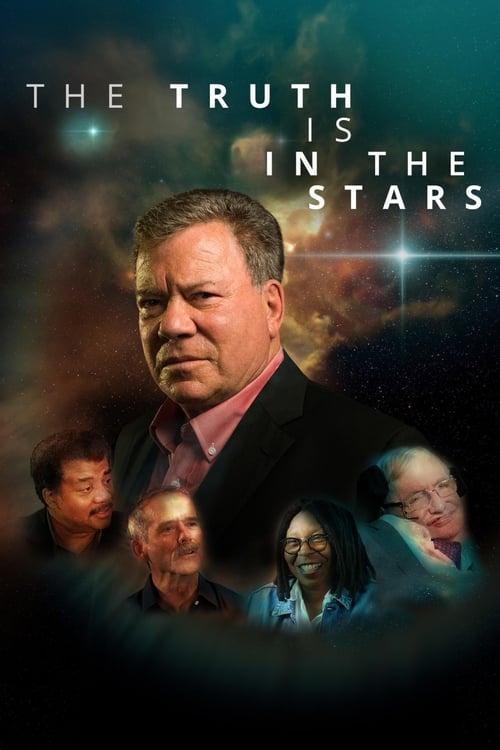
William Shatner sits down with scientists, innovators and celebrities to discuss how the optimism of 'Star Trek' influenced multiple generations.
Documentary looking at the ways which computer on-line services and the Internet have evolved, how they have been applied and the problems they can cause.
Join iconic Canadian artists, activists, actors, and athletes as they share their stories of hope and inspiration in this national salute to our frontline workers and in support of Food Banks Canada’s COVID-19 relief efforts.
Documentary conversion with David Suzuki and his wife Tara. Adapted from a scrapped stageplay due to Covid-19 restrictions. Talks about relationships, environment, charity, the planet, and love.
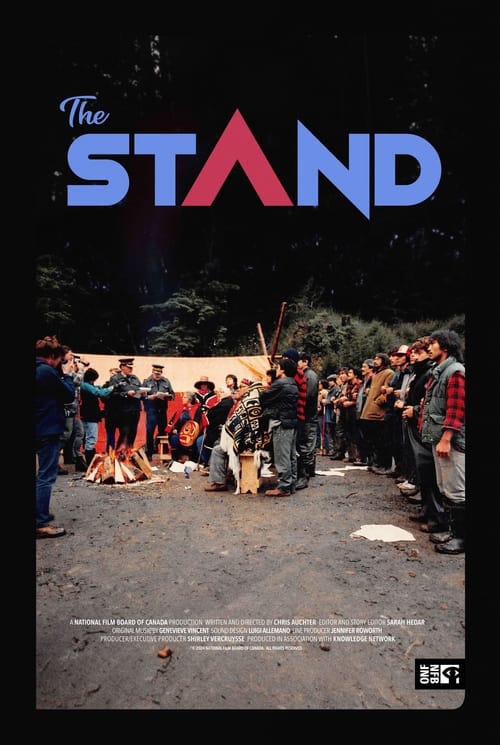
On a misty morning in the fall of 1985, a small group of Haida people blockaded a muddy dirt road on Lyell Island, demanding the government work with Indigenous people to find a way to protect the land and the future. In a riveting new feature documentary drawn from more than a hundred hours of archival footage and audio, award-winning director Christopher Auchter (Now Is the Time) recreates the critical moment when the Haida Nation’s resolute act of vision and conscience changed the world.