Masami Akita
Sound
Biography
Masami Akita, better known by his stage name Merzbow, is a Japanese noise musician. He is best known for his style of harsh, confrontational noise exemplified on his 1996 release, Pulse Demon. Since 1980, he has released over 400 recordings, and has collaborated with various artists. (Wikipedia)
Known For
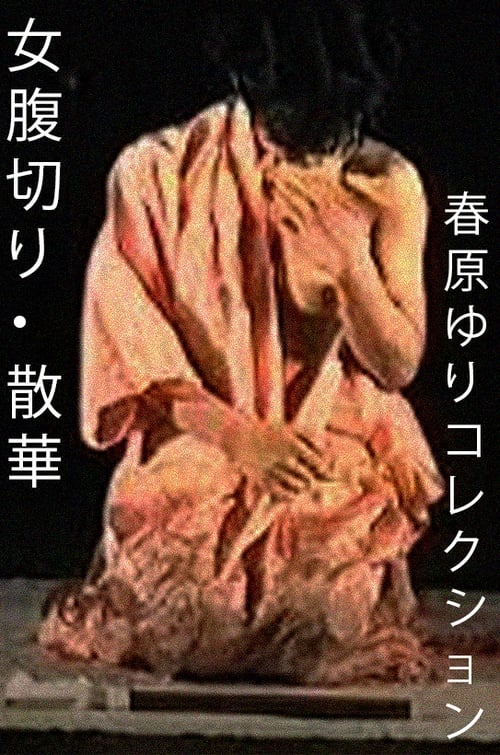
Part of the Zankoku-bi: Onna harakiri 01 series.
Female Harakiri: Glorious Death

An exploration of underground Japanese counter-culture including the Yakuza, the nationalists, the gay and lesbian community, the bikers and the homeless.
Hell Bento: Uncovering the Japanese Underground

Directed by Masami Akita,who is also one of Japan's leading noise musicians under the name Merzbow. With a soundtrack by the director himself, this intense and ultra-gory seppuku film shows a young woman taking her own life by an act of ritual harakiri.
Lost Paradise: Riding Habit Harakiri
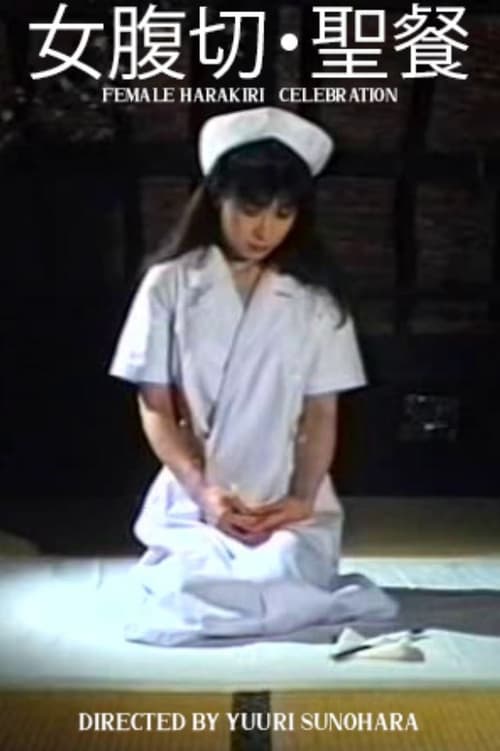
A woman in a nurse’s outfit sits in a dark room. She kneels on a mat and looks over a knife, touching it with her fingers and examining it. She runs the knife over her stocking clad legs and contemplates suicide. She plunges the blade into her abdominal region and pulls it across.
Female Harakiri: Celebration
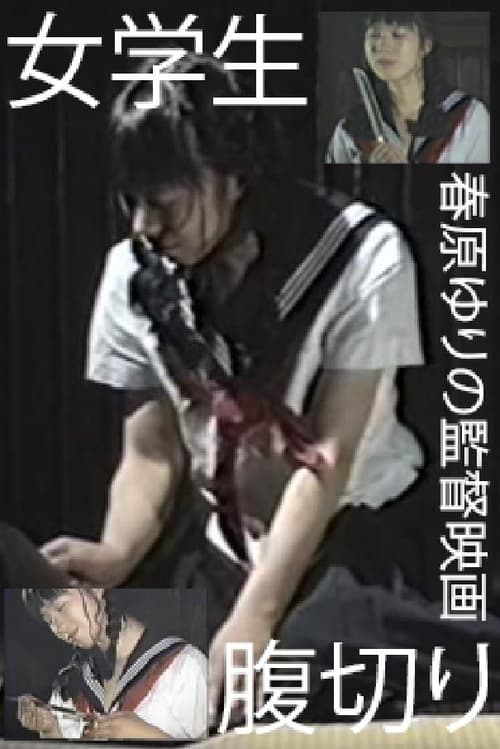
A school girl kneels on her mat looking over an old photo album containing pictures of people committing seppuku. Becoming aroused by what she sees, she touches herself and licks her fingertips. She pulls out a knife of her own, takes off her uniform, and in a very fetishistic manner proceeds to slit open her stomach and then pull out her guts.
School Girl: Harakiri
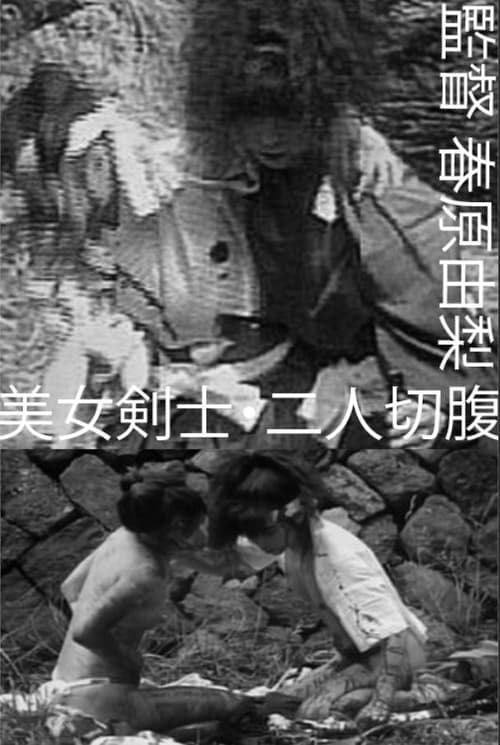
The only difference with this one as opposed to the other "entries" - is this one has 2 girls committing suicide, and they are outdoors and wearing samurai style outfits as opposed to Japanese robes or some other "costume". Also, they stab themselves with samurai swords instead of the typical shorter ritual knives...
Beautiful Swordswomen: Double Seppuku
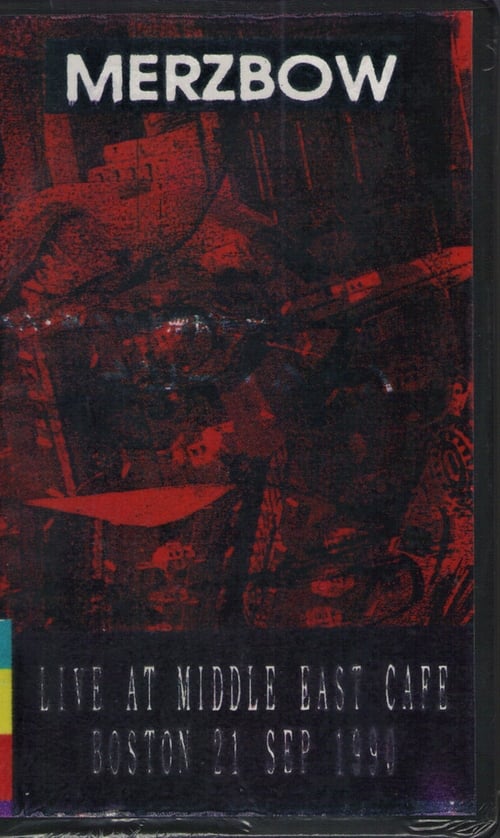
Live concert recorded at the Middle East cafe in Boston, MA on September 21, 1990.
Merzbow: Live at Middle East Cafe Boston 21 Sep 1990
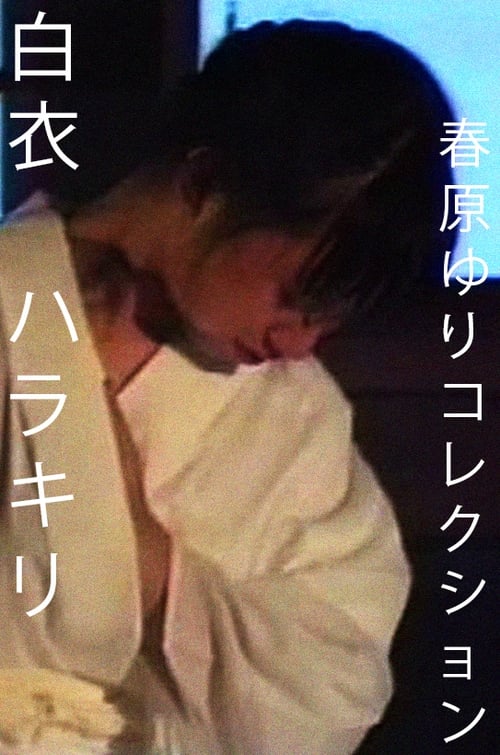
A black and white preface shows a woman in a traditional kimono climbing the stairs as WWII era Mitsubishi Zeros fly through the sky and footage of the Japanese military of the era is superimposed over the footage. She stops at the top of the stairs to say her prayers, rings a bell, and heads inside where the footage is shot in color. She unravels her kimono and rubs her face with the cloth before wrapping her blade and lovingly touching it. She pulls it across her stomach and slits herself open, falling to the mat. She crawls across the mat, dying, slipping in her own slick blood until she can't move anymore.
White Clothing: Harakiri
The Dead Man returns, but it's too late to save us. We are already dead.
The Dead Man 2: Return of the Dead Man
Live concert recorded at Brückenkopf in Mainz, Germany on July 5, 1995.
Merzbow: Live July 5th, 1995
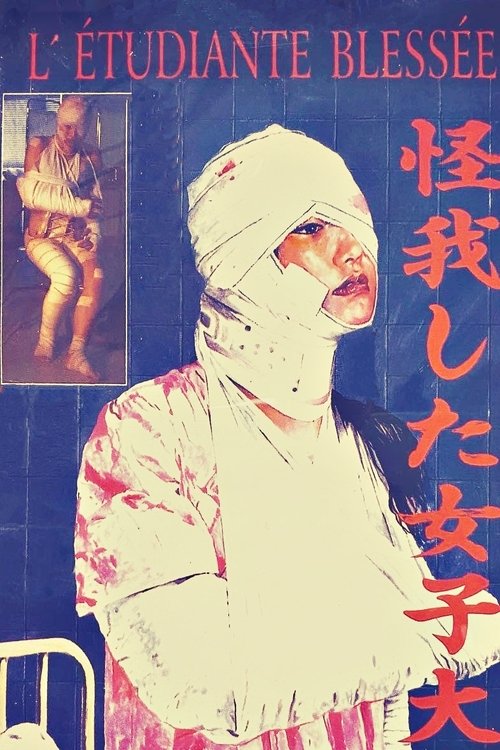
A college student undergoes unorthodox surgical procedures by hospital nurses.
Injured College Girl
Live concert recorded on the MS Stubnitz in Rostock, Germany on April 6, 1996.
Merzbow: Live in Germany 1996

Eye-popping digital moving image work with an equally arresting soundtrack from noise music heavies.
Scanning of Modulations

Kansai New Art Video Magazine - Noise Collection. Rare noise compilation of some of Japan's top musicians in 1992. The first part includes an interview about the Japanese Noise scene by David Hopkins. Aube playing a parking garage installation using halogen lamps as sound source, Merzbow playing a small village in Korea as the townspeople look on bewildered, Incapacitants Live in the Mountains of Tajima, Japan.
Oh! Moro Volume 5

The film opens with a rubber-clad woman stepping sensuously out of a limousine. The camera lovingly closes-up on her stilletoed foot... She enters a dark desolate warehouse, and meets two men, who proceed to chain her up and worship her body. Originally projected on three screens simultaneously. Music by legendary noise musician Merzbow.
The Sequence of Parallel Bars
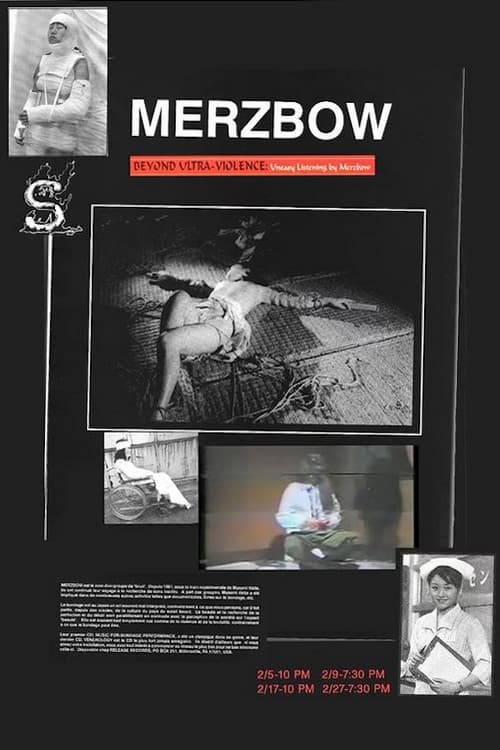
Documentary about and with the Japanese electronic composer and artist Merzbow.
Beyond Ultra Violence: Uneasy Listening by Merzbow

A humanoid film robot spews its stream of consciousness throughout its allocated screen time.
Deformed Analog Personality

A woman is covered in bandages before having her insides removed. This film is often confused to be a continuation of Romain Slocombe's "L'étudiante Blessée" due to the fact they were released in the same collection.
Bandage Anatomy Woman
As a conceptual fiction, Asphalto describes the relationship of a man and a woman by means of metaphor and visual symbols related to asphalt, service stations, and automotive sports.
Asphalto
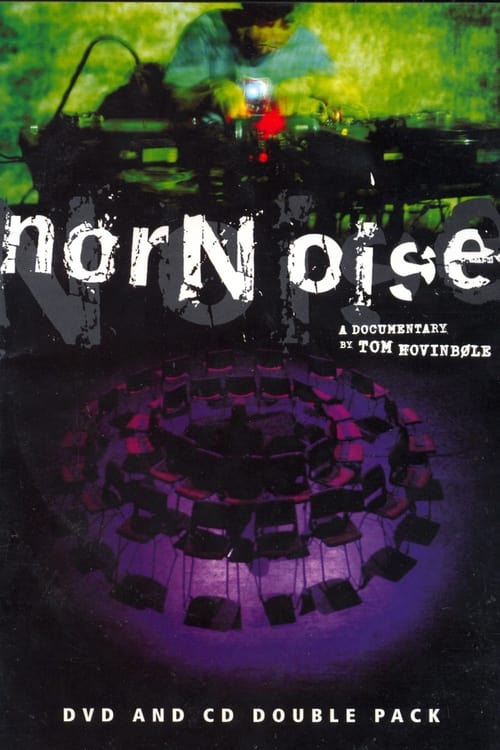
Nor Noise is the first norwegian documentary about noise music. Movie Maker Tom Hovinbøle has from the start in 2001 interviewed a number of artists in the noise genre. The artists relay their thoughts on the phenomenon of noise music - what is it, where does it come from, what is the trade off when replacing traditional harmony and melody for pure audio experience, which possibilities can be explored? The movie explains the historical context of the genre, from the movement of Futurism and Luigi Russolo from before WWI to electronic experiments in the fifties, avantgarde in the sixties, industry and punk in the seventies to the final establishment of the noise genre at the end of the seventies in Japan. Adding to the flavour are concert performances.