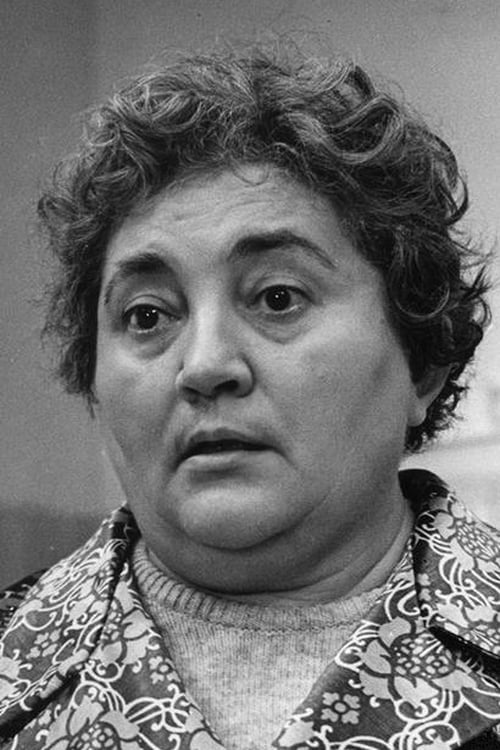
Marie Motlová
Acting
Known For
No description available.
Bakaláři
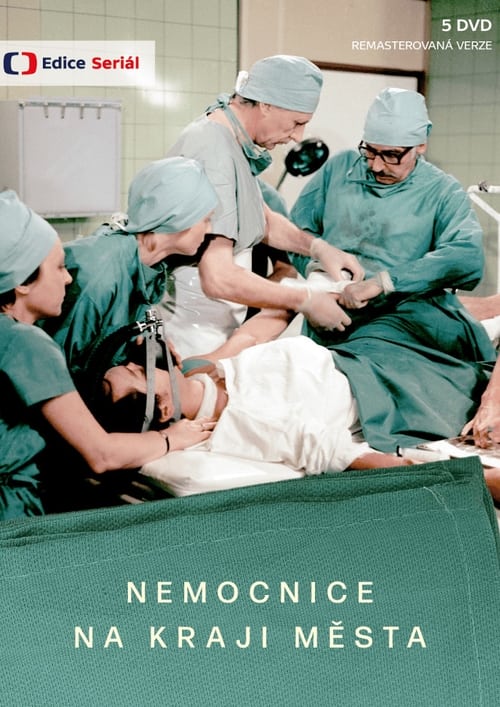
Hospital at the End of the City is a popular television series first released in Czechoslovakia in 1977, it featured an ensemble cast and received much viewer praise in central Europe. The series ran from 1977 to 1981 for a total of twenty episodes. The success of the series inspired the German television series The Black Forest Clinic.
Nemocnice na kraji města
No description available.
Žena za pultem
No description available.
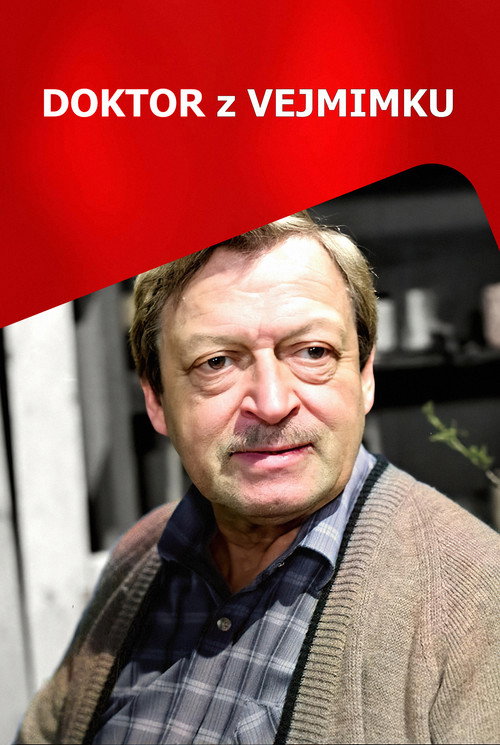
Doktor z vejminku
No description available.
Nebezpečí smyku
No description available.
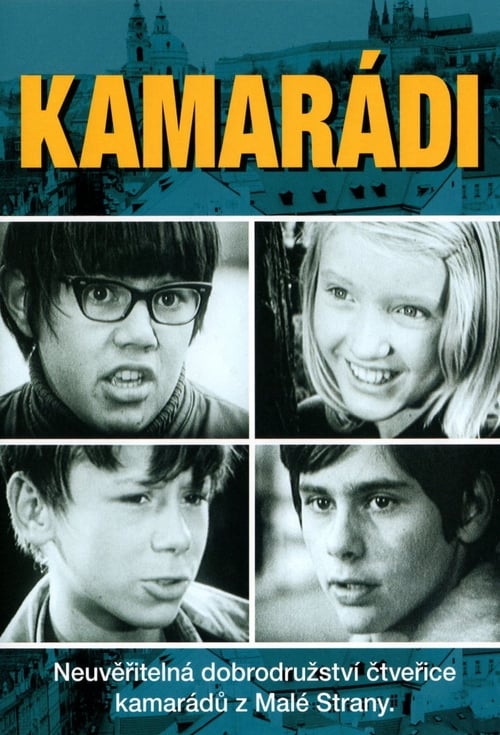
Kamarádi
No description available.
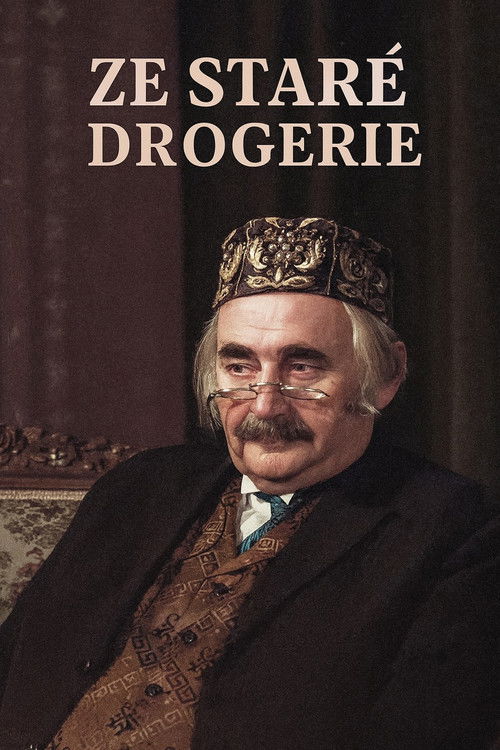
Ze staré drogerie
No description available.
Klaun Am
No description available.
Bylo nás šest
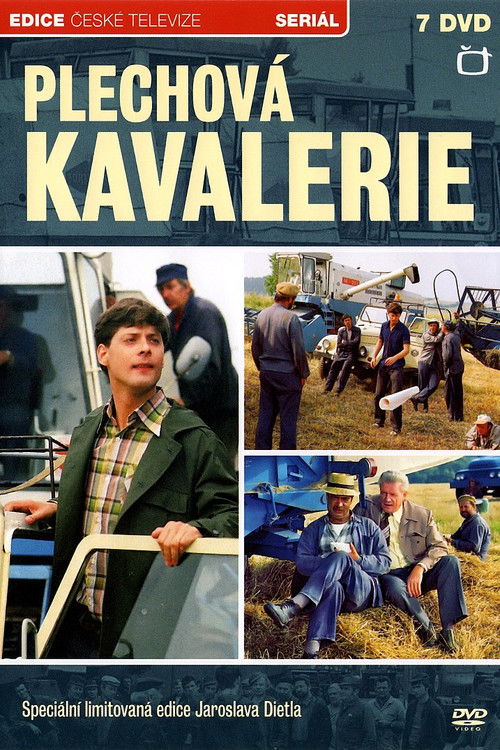
Plechová kavalérie is a Czechoslovak/Czech TV series about combine operators filmed by Jaroslav Dudek.
Plechová kavalerie

Klárka lives with her younger brother and her grandmother in a village. She keeps a special diary of everything she and her friends experience...
The Secret of the Wicker Basket
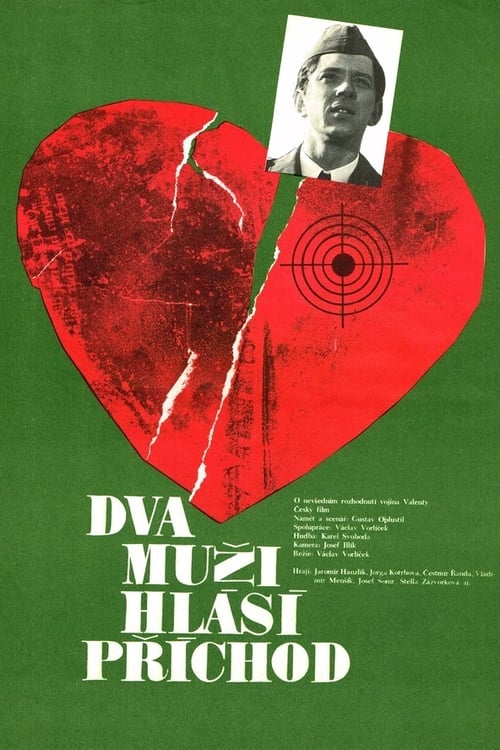
An only son, Jirí Valenta (Jaromír Hanzlík), has been drafted to the army. At the barracks he acquires the nickname Seamstress because he sews rugs in his spare time. One day, his friend introduces him to Julka Vávrová (Jorga Kotrbová), a girl he is desperate to get rid of. The naive Jirí falls in love with the girl and accepts her invitation to spend Easter together in the country. There he learns that the girl is the single mother of the young boy Martínek, whose father is the married tractor driver.
Dva muži hlásí příchod
No description available.
Silvestr na přání aneb Čí jsou hory Kavčí
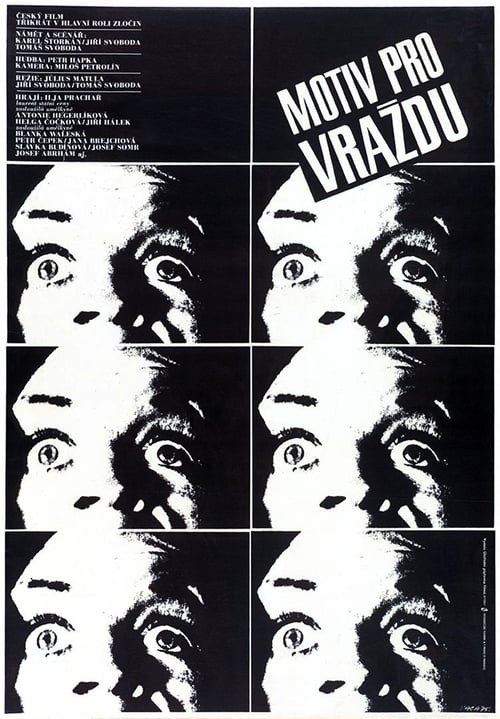
A short story film depicting the three different faces of crime. In the short story "The Weekend", Karas kills a woman he raped some time ago in order to silence her. However, he accidentally kills another woman. In "Hostages", a drug addict, Chaban, terrorizes the hospital's operating team, but the disciplined doctors handle the difficult situation. In "The Pickpocket", the thief Benda wants to return to his trade immediately after his release, but his attempt ends tragically.
The Motive for Murder
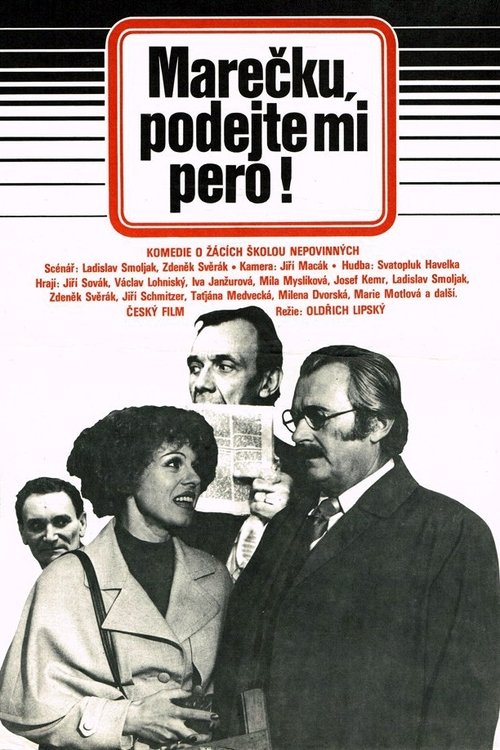
This comedy is about one average family. The father works as master in the factory and his son is studying on high school. One day father must start to visit the evening school. It's the same school as his son visiting. The lives both students are connecting together. The son must teach the math and physics his own father. The father getting to know, that the life of the students is not simple as he supposed.
Marecek, Pass Me the Pen!
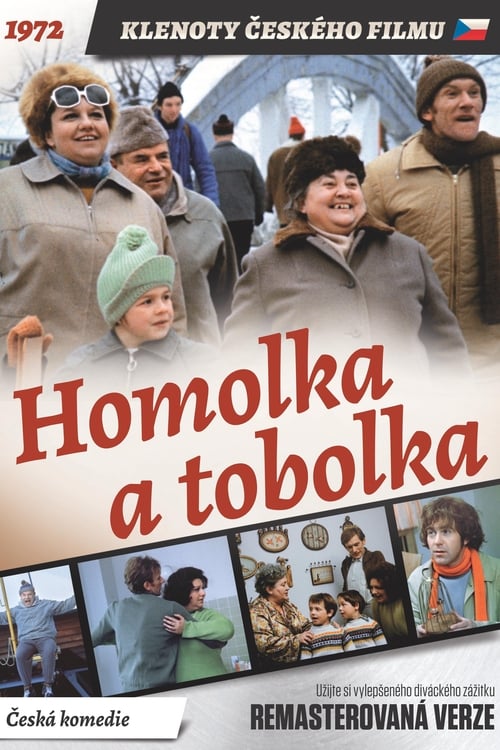
The husband and wife Ludva and Hedus Homolkas with their twins Péta and Máta and Ludva's parents - the granny and grandpa - arrive in the snowy Spindleruv Mlýn for a holiday. They promise to each other that they will not spoil the quite expensive holiday by quarrels. If somebody hurts the other one he/she will kneel as a punishment.
Homolka and Pocketbook
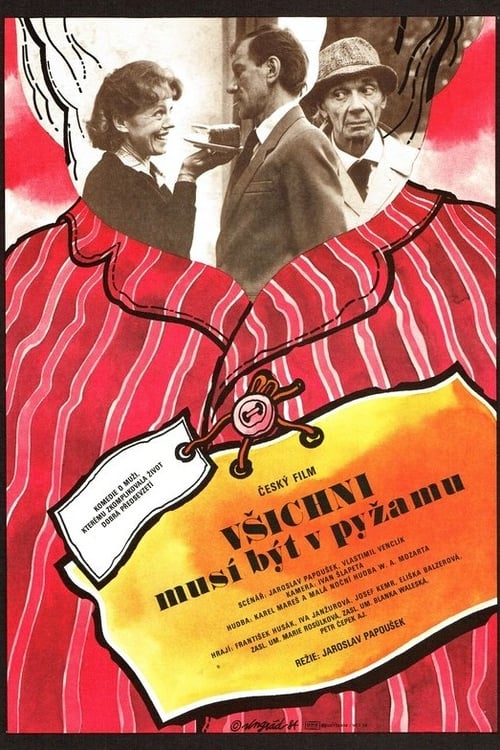
The hero, rushing from one misfortune to another, is former accountant Řehoř Maršíček, who after a heart attack, out of fear of death, decides to live a calm, moderate life and follow the principles of a healthy lifestyle. Not to smoke, not to drink, to exercise and eat healthily. He takes up the position of an auditor of patients and hopes that he will have peace in his new job. Instead, he experiences one nervous breakdown after another. He gradually makes one good resolution after another. Řehoř falls into unhealthy food, alcohol and women. In addition, he gradually loses most of his life's certainties, including a roof over his head. The result is a second heart attack, after which the hero promises himself again that he will fix everything and live a healthy life.
Všichni musí být v pyžamu
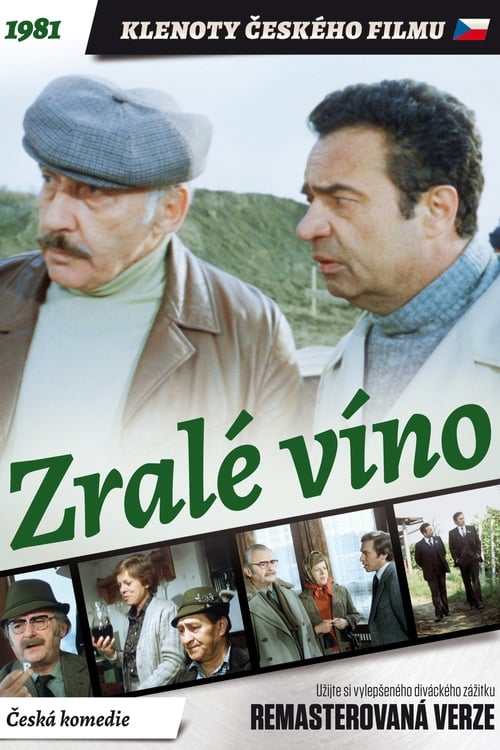
A loose sequel to the 1976 comedy Stormy Wine. The screenwriters and the director recreate on screen a number of characters from the South Moravian town of Pálavice, characterised by their different attitudes and approaches to work and private life. A number of serious issues touching on the times emerge around the story of the con man. The fundamental dispute between the vice-chairman Janák and the chairman of the merged cooperatives ing. Urban, as well as the satirical theme of illegal machinations and bribes, are undoubtedly of general validity.
Mature Wine
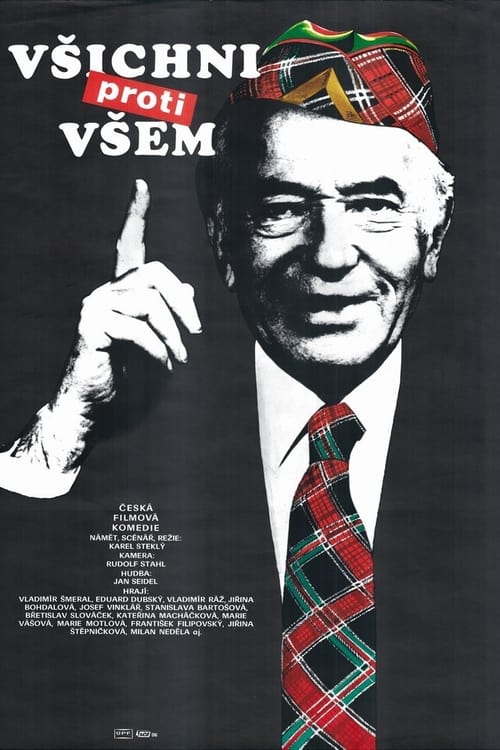
The story of an old gentleman who had spent his life restoring antiques. As an art connoisseur, he planned to surround himself with old paintings, which he collected deliberately. But his passion for painting was not well understood by his petty bourgeois family, who saw his collection of paintings as nothing more than money uselessly invested. And they are looking forward to selling off their inheritance...
All Against All
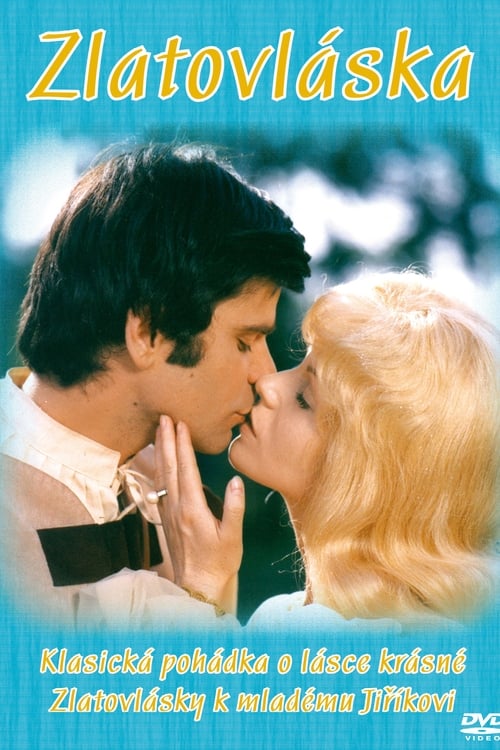
A princess was so beautiful and had such golden hair that she was known as Pretty Goldilocks. A neighboring king fell in love with her from her description, but much to the king's disappointment, she rejected his ambassador, saying she had no wish to be married...