Acting
No description available.
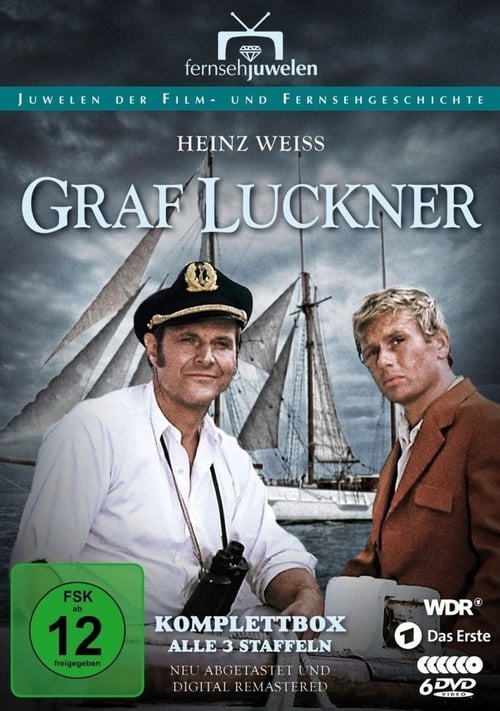
Between the first and second World Wars, we portray glorified and renown naval sea officer Felix Graf von Lucker and his fictitious ship Niobe, which is the 1887 built Amphitrite from Southampton. Von Luckner is famous for his tactical genius in the first World War, especially sinking 14 enemy ships and only losing one crewman, whilst always seeking a peaceful outcome - making him the ideal seaman.
A gangster escapes jail and quickly makes plans to continue his criminal ways elsewhere, but a determined inspector is closing in.
This devil of a man plunges the viewer into the very heart of the Voltaire whirlwind, that incandescent mind who shook his century. The series follows his meteoric rise, his exiles, his battles and flashes of genius, in a Europe still tightly bound by absolutism. We discover an unbowed, charming, formidable man whose pen makes ministers, kings and fanatics tremble. Between glittering salons, damp prisons and passionate loves, Voltaire crosses the Age of Enlightenment like a meteor. Each episode reveals a confrontation, a flight, a victory wrested through the sheer force of intellect. Carried by elegant direction and a sweeping, novelistic energy, the series paints a vibrant portrait of a fighter for freedom. A journey into the life of a man who never stopped thinking, loving and provoking.
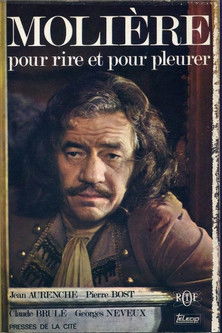
Molière pour rire et pour pleurer recounts the life of Jean‑Baptiste Poquelin, from his childhood in an artisan family to his rise as Molière, a central figure of French theatre. The series shows his difficult decision to abandon the family trade and join Madeleine Béjart to found L’Illustre Théâtre, marked by debts and repeated setbacks. While touring the provinces, he shapes his style and discovers the power of comedy. Back in Paris, he makes a name for himself with Les Précieuses ridicules, but his sharp satires provoke fierce opposition, especially during the Tartuffe scandal. Supported by Louis XIV, he continues despite attacks, literary rivalries, and tensions within his troupe, particularly with Armande Béjart. The miniseries also follows his growing exhaustion, his determination to perform at any cost, and his final breath after Le Malade imaginaire, the ultimate symbol of an artist who lived — and died — for the stage.
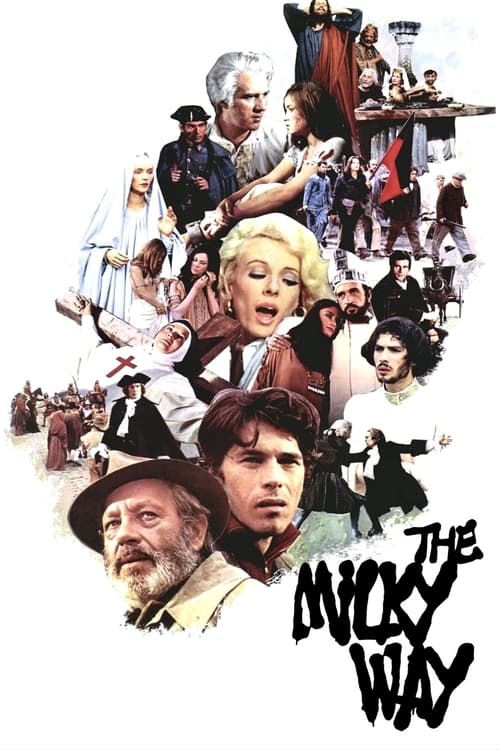
Two men, part tramp, part pilgrim, are on their way from France to Santiago de Compostela in Spain. On their way, they meet a vast assortment of characters—some truculent, some violent, and some bizarre; they experience many adventures—some mysterious, some erotic, some even supernatural.
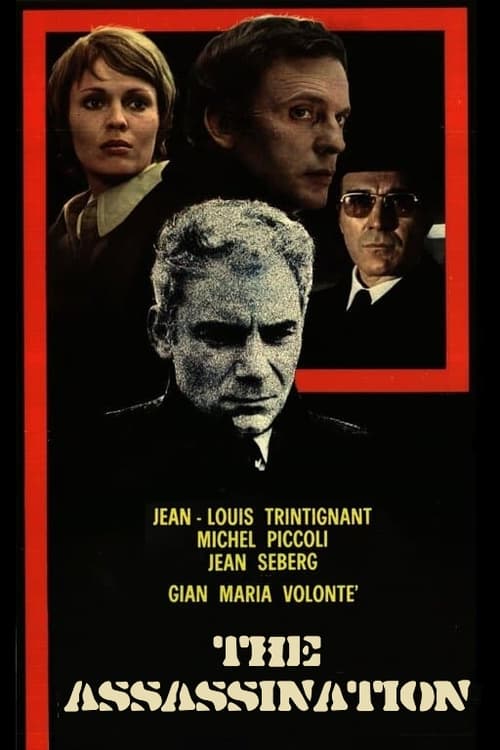
Darien, a left-wing police informant, is forced to lure his old friend Sadiel to Paris, allegedly to film a television special about the Third World. Sadiel, the exiled leader of a North African state, is being hunted by the ruthless Colonel Kassar, who will stop at nothing to capture his political rival. Once Sadiel arrives in Paris, Darien realizes he has been manipulated. He tries to turn back the clock, not realizing what or who he’s truly dealing with.
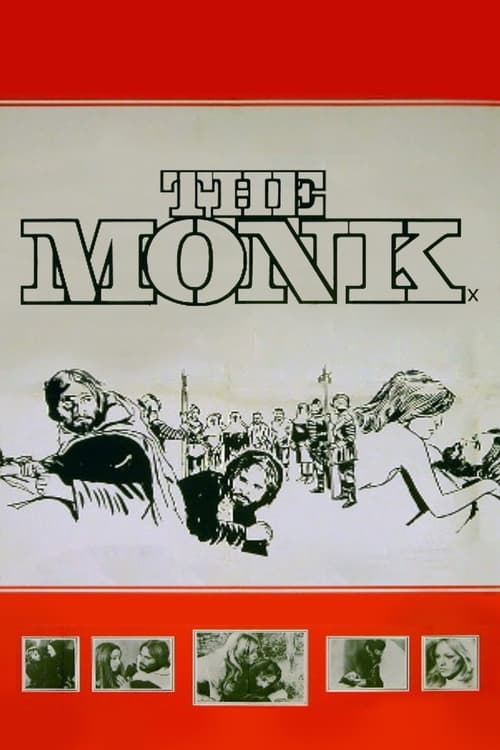
Ambrosio is a monk who is sexually tempted by an emissary of the Devil, a young girl in monk's robes. After he has committed numerous crimes, it appears that he will be caught and punished by the Inquisition. Instead, he signs up on the Devil's team and wins his freedom.. and eventually, the papacy.
The film story depicts Emile Buisson, following the death of his wife and child, escaping from a psychiatric institution in 1947 and returning to Paris. Buisson, who three years later would become France's public enemy number one, begins a murderous rampage through the French capital.
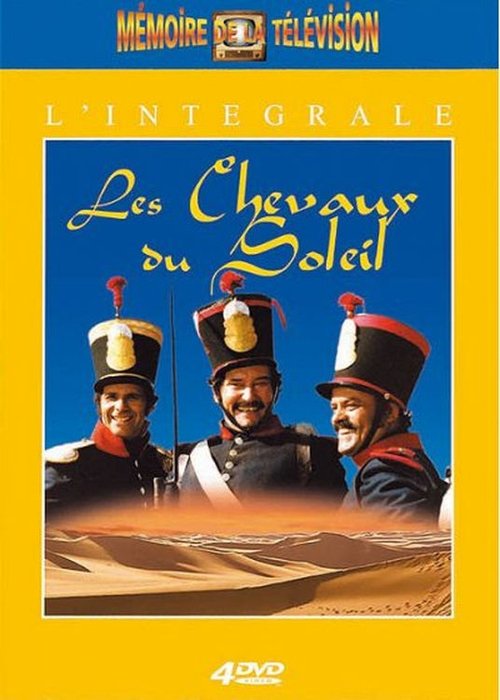
Adapted from Jules Roy's historical novel of the French presence in North Africa, the TV series follows the destiny of two families, the Bouychous and the Parises, from the conquest of Algiers in 1830 to the Independence in 1962.
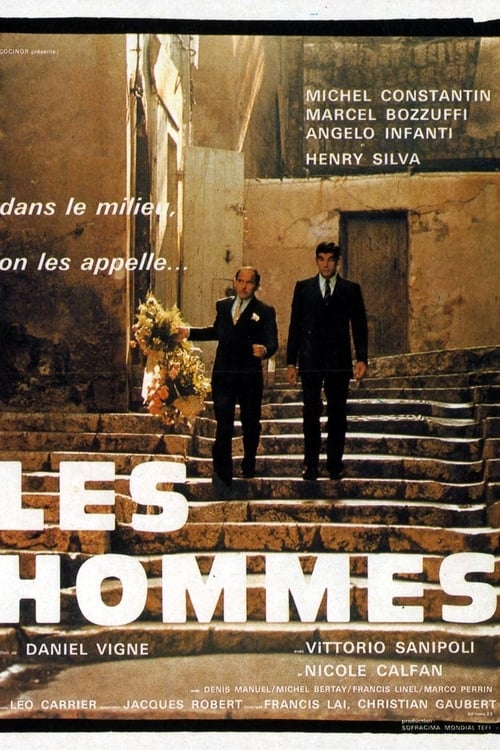
The murder of a Parisian mobster starts a war within the world of organized crime.
A businessman leaves his country home, and wife and young son for a business trip to Paris. While there he develops a sexual and spiritual bond with a call girl.
A dramatization of the human, scientific and historical aspects leading to the development of the first atomic bomb.
1819, Angouleme, France, a young ambitious poet, Lucien Chardon is introduced in the salon of Mme de Bargeton where meets the high society of the city. Lucien dreams of going to Paris to conquer the glory. But if Paris is the city where he can find fame, it is also that of great disappointments.
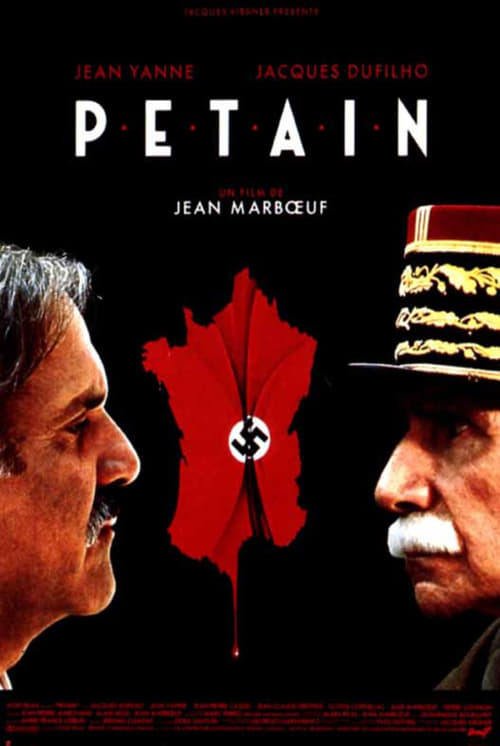
During second world war,Philippe Pétain gets absolute powers.The war ends with the arrival of allied forces by Petainism has not been put on trial.
In Paris, the student protests of December 1986. Alice Lazard is having her own revolution, expressing herself and trying to confront a world whose aggression and hatred ignite her fierce will to live and her madness. Or so we imagine. Swept away by her colorful language, her youth, her vivacity, her humor, we remain fascinated, and yet she expresses so much despair in the slow destruction of her relationship with a man... Romain, the creator of this character, is overwhelmed by her. He projects himself into another woman, Alice Lazard, brunette, warm, and aggressive. She comes to present herself to Romain for a role in his next film, but she doesn't understand his reactions at all. All of this unfolds under the sometimes amused, sometimes irritated gaze of Jean, the film's editor.
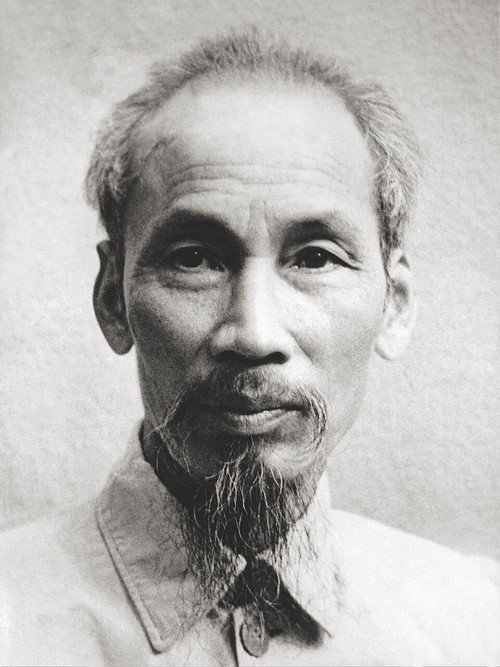
A political portrait of Ho Chi Minh, tracing his revolutionary journey, his commitment to Vietnamese independence, and his role in the struggle for the reunification of Vietnam. The documentary examines the ideas, political influences, and historical events that shaped Ho Chi Minh as a revolutionary leader and explores his place within the wider history of anti-colonialism and communism.
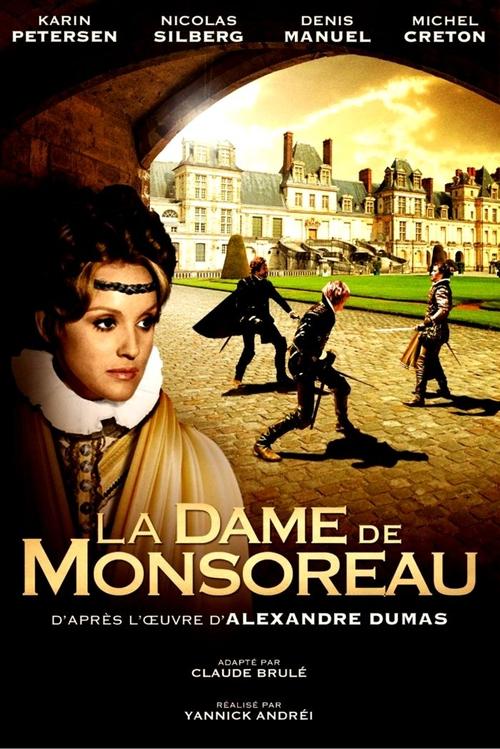
Diane of Meridor, aged 23 years, lives a happy country life with her father. For the first time, Diana has her coming out ball, organized by the count of Monsoreau, who, in spite of being much older than her, wants to make her his wife, having a possessive and jealous love for the young woman. The duke of Anjou takes Diana in the ball, and tries to abuse of her exercising his prerogatives of being the brother of the king. Monsoreau will take advantage of this fact in his favor, and kidnaps de lady. He explains her father that Duke of Anjou, a known seducer, has kidnapped her. In order to safe her honor, he offers to marry her. Her father consents to it, with his heart broken by his sorrow. Diana of Meridor is forced to marry the damnable count of Monsoreau...
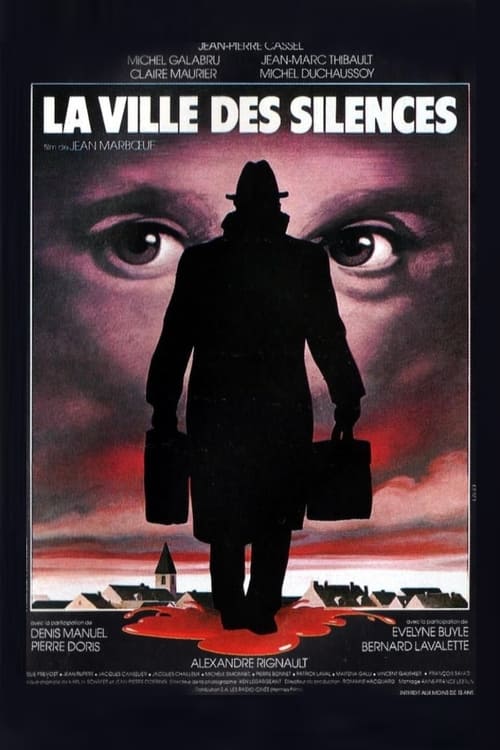
Creuzeville, a small provincial town with its woods, its countryside, its ramparts, its mass and its little Sunday cakes. A stranger arrives. He's a private investigator in Creuzeville, over which an old family of industrialists reigns, a murder has just been committed. The victim is the founding ancestor of this small empire that has outgrown one man. In Creuzeville, we hardly like foreigners, especially if they are vegetarians, perhaps homosexuals, undoubtedly anarchists like, precisely, this detective. However the detective by whom the scandal broke broke the silence of the city by going to the heart of family secrets hitherto well hidden behind purple shutters. The murders follow one another. We strike on the left - a young ecologist - as on the right - a cynical playboy. Continuing to dissect the mobiles and the characters, the detective dropped the masks one by one. And, little by little, fear and violence are settling in the small town.
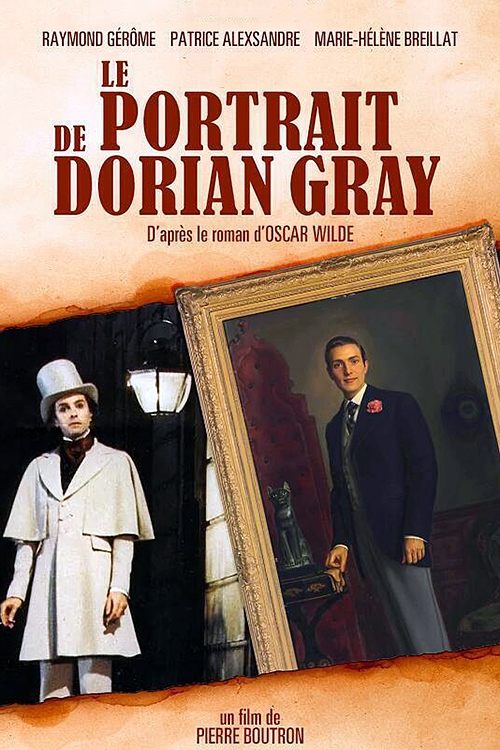
Basil Hallward is a mediocre painter. His exhibitions owe their success to his social position and nothing more. But one day Basil meets Dorian Gray, symbol of youth and a certain beauty.