FEEL IT.STREAM
Woody Herman

Woody Herman

Acting

Biography

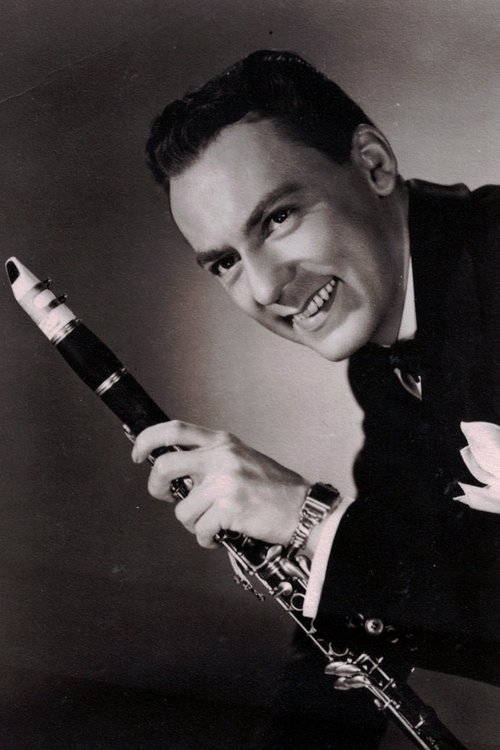
Legendary clarinetist, composer ("At the Woodchoppers' Ball"), singer and bandleader (the Thundering Herd(s) ), educated at Marquette University. He was a clarinetist in the orchestras of Joey Lichter, Harry Sosnik, Gus Arnheim, and Indiana Jones, then formed his own orchestra, appearing in hotels, theatres and ballrooms. He toured Europe in 1954, Europe, and Latin America in 1958 (under the auspices of the US State Department), and made many records. Joining ASCAP in 1945, his chief musical collaborators included Chubby Jackson and Ralph Burns, and his other popular-song and instrumental compositions include "Apple Honey", "Goosey Gander", "Northwest Passage", "River Bed Blues", "Blues on Parade", "Blowin' Up a Storm", "Music by the Moon", "Early Autumn", "A Kiss Goodnight", "Your Father's Moustache", "Wild Root", "I Remember Duke", and "Misty Morning".
Known For

The Mike Douglas Show
5.8

The Mike Douglas Show is an American daytime television talk show hosted by Mike Douglas that originally aired only in the Cleveland area during much of its first two years on the air. It then went into syndication in 1963 and remained on television until 1982. It was distributed by Westinghouse Broadcasting and for much of its run, originated from studios of two of the company's TV stations in Cleveland and Philadelphia.

The Mike Douglas Show

1961
No image
7.5

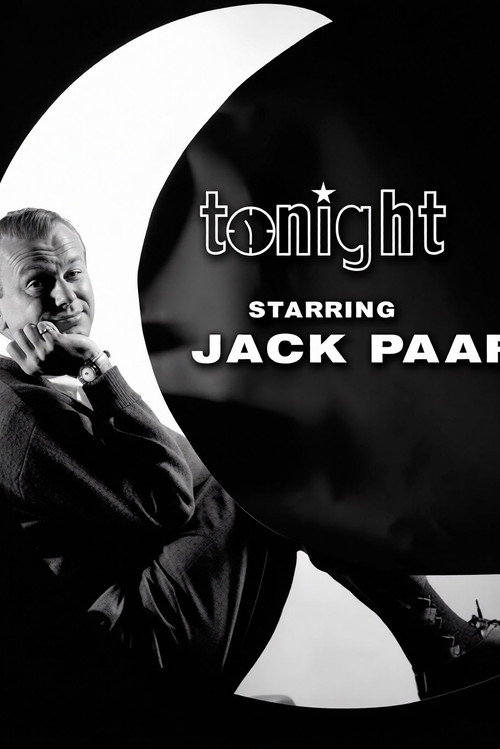
Tonight Starring Jack Paar is an American talk show hosted by Jack Paar under The Tonight Show franchise from 1957 to 1962. It originally aired during late-night. During most of its run it was broadcast from Studio 6B inside the RCA Building. The same studio would also host early episodes of The Tonight Show Starring Johnny Carson, and Late Night with Jimmy Fallon. Its theme song was an instrumental version of "Everything's Coming Up Roses", and the closing theme was "So Until I See You" by Al Lerner.

Tonight Starring Jack Paar

1957
The Danny Kaye Show
7.0

The Danny Kaye Show is an American variety show hosted by Danny Kaye that aired on CBS from 1963 to 1967 on Wednesday nights. Directed by Robert Scheerer, the show premiered in black-and-white, but later switched to color broadcasts. At the time, Kaye was at the height of his popularity, having starred in a string of successful films in the 1940s and '50's, made successful personal appearances at such venues as the London Palladium, and appeared many times on television. His most recent films had been considered disappointing, but the television specials he starred in were triumphant, leading to this series. Prior to his television and film career, Kaye had made a name for himself with his own radio show, and numerous other guest appearances on other shows.

The Danny Kaye Show

1963
Startime
6.8

Startime, an anthology of drama, comedy and variety, was one of the first American television shows broadcast in color.

Startime

1959
The Bell Telephone Hour
8.0

“The Bell Telephone Hour” was a musical variety show that aired on “NBC” TV from 12 January 1959 to 14 June 1968 that showcased the best in Broadway, Classical, Concert, Jazz and Popular music each week. The series had its’ own house band appropriately named the “Bell Telephone Orchestra”. The show also had its’ own theme song being the “Bell Waltz” composed by “Donald Voorhees” who was also the show's Orchestra conductor. Some of the greatest violinists of the 1960’s performed on this show that aired in the old “Black & White” format. Some of these great violinists included “Erica Mornin”, “Isaac Stern", "Michael Rabin", "Ruggiero Ricci", "Yehudi Menuhin" and "Zino Francesacatti". From time to time some of the great singers and bandleaders of the 1960’s would perform on the show as well. Some of these were “Bing Crosby”, “Gordon MacRae”, “John Gary”, “Leslie Uggams”, “Mary Martin”, “Nelson Eddy”, “Patti Page” and “Roy Rogers”. The TV show followed on the heels of its’ predecessor with the same name on “NBC” radio that aired from 29 April 1940 to 1958 on Monday nights at 8 PM. The name of the show was derived from its’ Major sponsor “Bell Telephone Laboratories”. The TV version began airing on Friday nights at 8:30 PM once a month. It later was given it’s same time slot now airing every other week alternating with another show on the other weeks such as News shows and specials. The show time slot changed quite often over the years. In September 1960 it aired at 9 PM and in September 1961 it moved to 9:30 PM. In October 1963 it moved to Tuesday nights at 10 PM, September 1965 it moved to Sunday night at 6:30 PM and in September 1967 it made its' final move back to Friday night at 10 PM.

The Bell Telephone Hour

1959
Frank Sinatra: The Main Event
6.9

Charged with the electricity of a heavyweight prizefight, " The Main Event " was filmed live at Madison Square Garden, a venue usually reserved for sporting events and rock 'n' roll concerts. Sinatrra dazzies the crowd with contemporay numbers as " You are the Sunshine of My Life ", " Let Me Try Again " and delivers the knockout blow with signature tunes " My Kind of Town " and " My Way ".

Frank Sinatra: The Main Event

1974
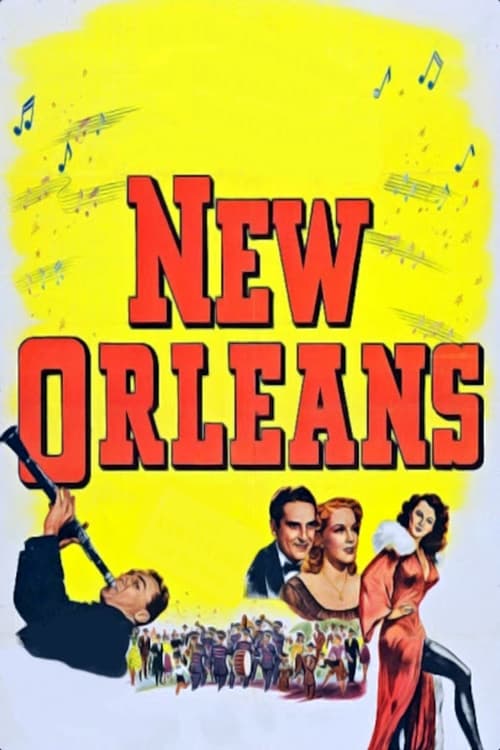
New Orleans
6.7

A gambling hall owner relocates from New Orleans to Chicago and entertains his patrons with hot jazz by Louis Armstrong, Billie Holiday, Woody Herman, and others.

New Orleans

1947
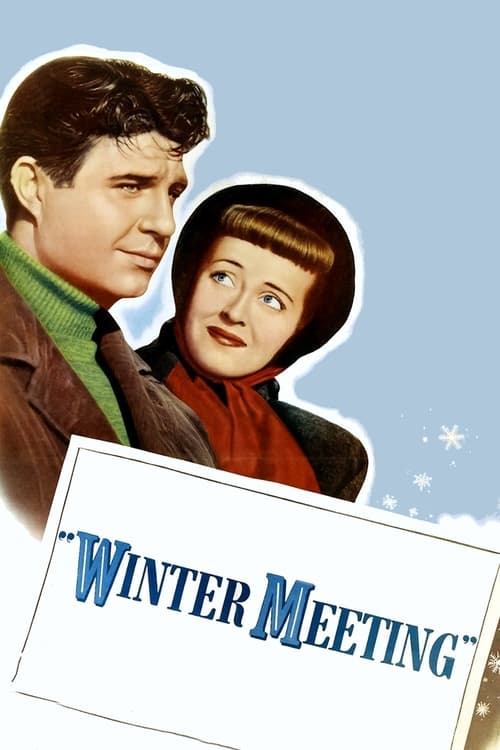
Winter Meeting
6.6

A repressed poetess and an embittered war hero help each other cope with their problems.

Winter Meeting

1948
What's Cookin'?
7.0

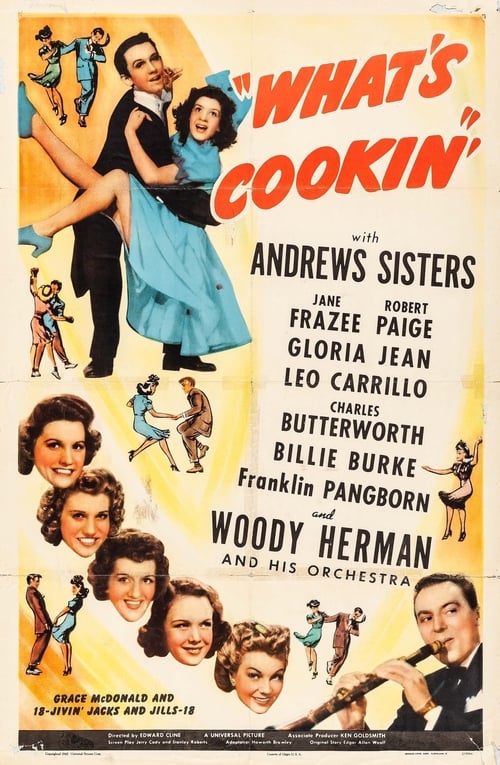
J. P. Courtney wants to update the music on the radio program he sponsors, but his wife, Agatha Courtney, is the final authority and addicted to the classics and won't allow him to replace Professor Bistell and his symphonic orchestra. Conspiring with his daughter Sue and her friends, Marvo the Great, the Andrews Sisters, Anne Payne and bandleader Woody Herman, they devise a sabotage plot that gets rid of Professor Bistell, and a new sound is soon heard on the program.

What's Cookin'?

1942
Wintertime
5.3

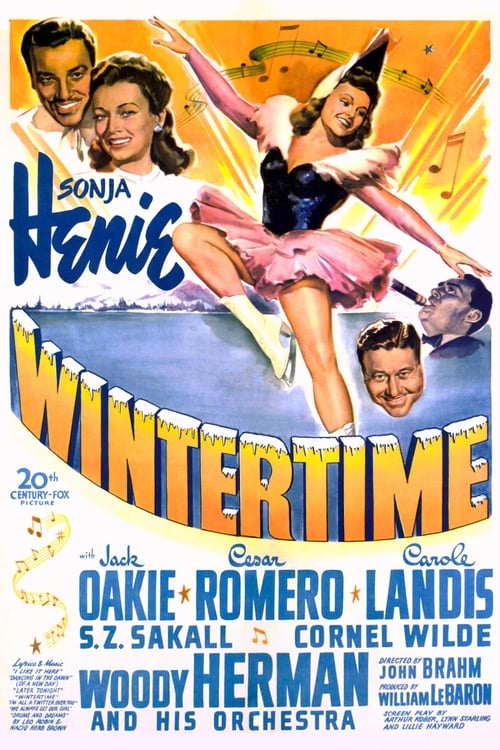
Nora and her uncle get railroaded into spending the night at a broken-down hotel in Canada. After Nora falls for the handsome owner, she convinces her uncle to invest in the inn and modernize it. After the hotel opens, Nora's uncle faces financial ruin and her romance hit a snag in the form of pretty reporter.

Wintertime

1943
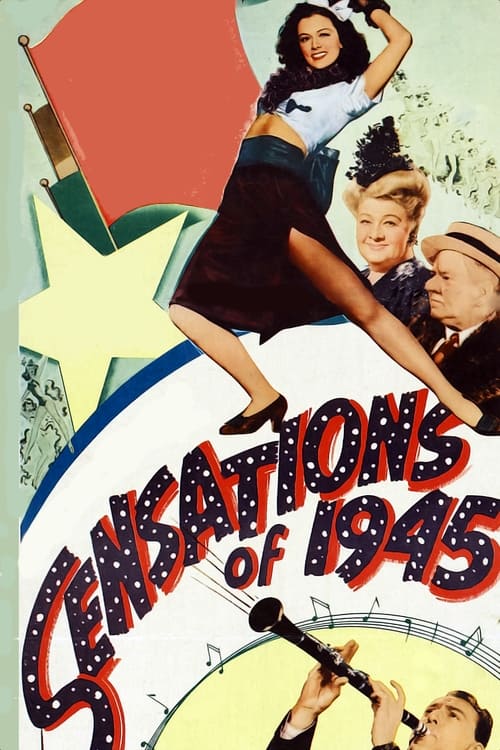
Sensations of 1945
6.6

As dancer Ginny Walker performs on stage, a veiled woman in the audience stands up, accuses Ginny of stealing her husband and then fires a gun at her. After Ginny collapses and is taken to her dressing room, the woman, Julia Westcolt, a friend of Ginny's, dashes backstage, discards her veil, and then congratulates her friend on their successful publicity stunt. When Ginny's press agents, Gus Crane and his son Junior, visit their client backstage, she brags about her feat and chides them for not being more creative in promoting her. Horrified at Ginny's brashness, Junior, a conservative Harvard graduate, chastises her and leaves the room.

Sensations of 1945

1944
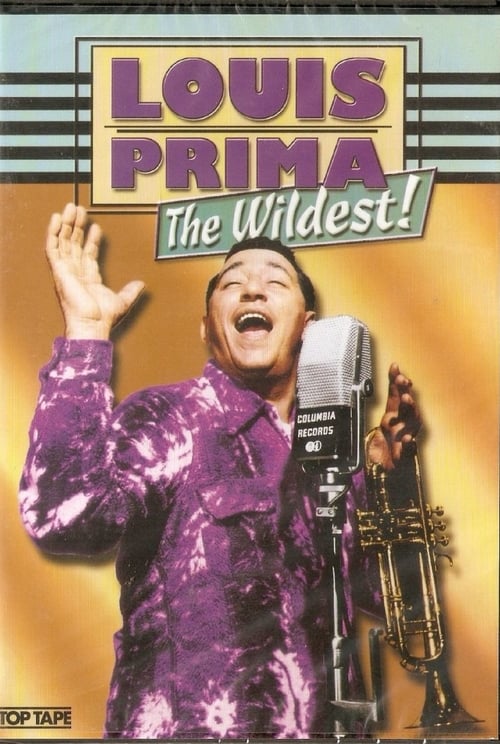
Louis Prima: The Wildest!
5.5

Documentary about the mid-20th century Vegas bandleader and trumpeter Louis Prima, who showed the world what a rock show could be.

Louis Prima: The Wildest!

1999
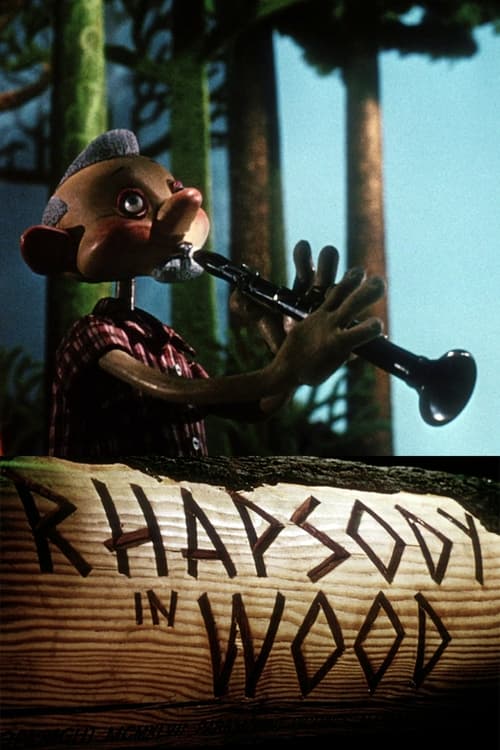
Rhapsody in Wood
7.0

Woody Herman spins a fairy tale about how his Woodchopper Grandpappy Herman chopped the wood necessary to form the clarinet Woody inherited and uses. Grandpappy formed it and put out magical enchanting sounds like the Pied Piper.

Rhapsody in Wood

1947
Woody Herman & His Orchestra
5.5

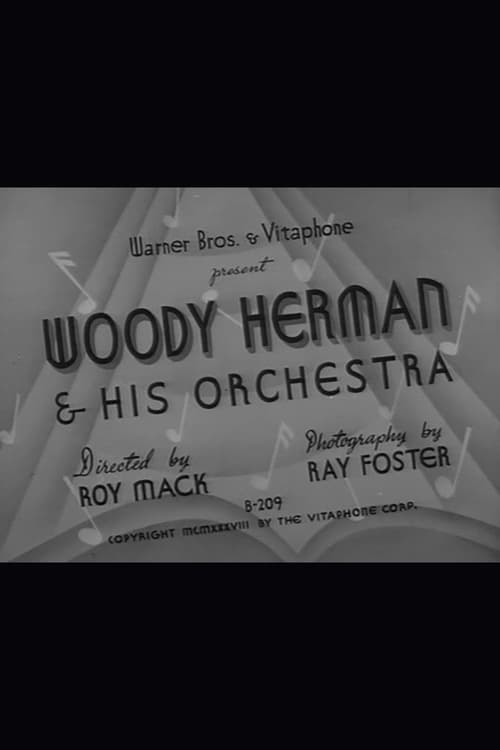
Woody Herman's orchestra plays five tunes, and guest performers sing and dance.

Woody Herman & His Orchestra

1938
Jazz Icons: Woody Herman Live in '64
N/A

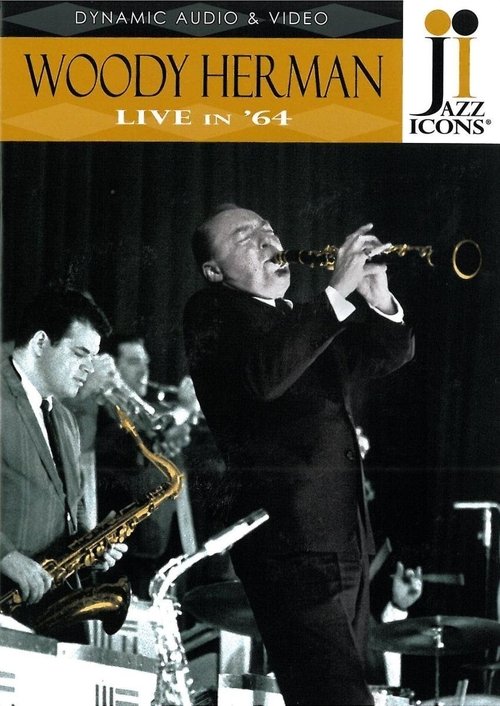
Woody Herman features a blistering one-hour concert from 1964 showcasing one of the very hottest line-ups of the “Swinging Herd,” including trumpeter Bill Chase, trombonist Phil Wilson and the amazing saxophonist Sal Nistico on the front line, as well as drummer Jake Hanna, bassist Chuck Andrus and pianist-arranger Nat Pierce in the rhythm section. Woody and his band roar throughout the entire show which includes standards such as Lonesome Old Town and After You've Gone as well as new originals including Charles Mingus's Better Git It in Your Soul.

Jazz Icons: Woody Herman Live in '64

2009
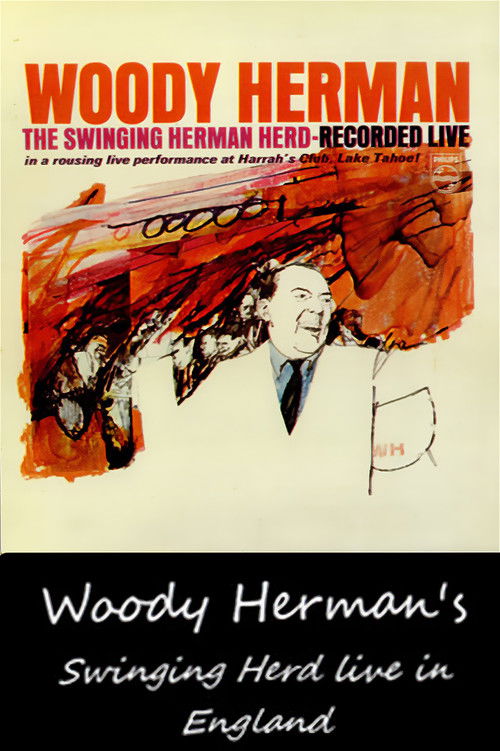
Woody Herman's Swinging Herd live in England
N/A

No description available.

Woody Herman's Swinging Herd live in England

1964
Woody Herman: Blue Flame - Portrait of a Jazz Legend
N/A

The life, music and legacy of bandleader and clarinetist Woody Herman is explored in this documentary that includes interviews with the master, himself, along with musicians and jazz historians such as Dan Morgenstern, Terry Gibbs, Joe Lovano, Jeff Hamilton and many others

Woody Herman: Blue Flame - Portrait of a Jazz Legend

2012