N. Viswanathan
Acting
Biography
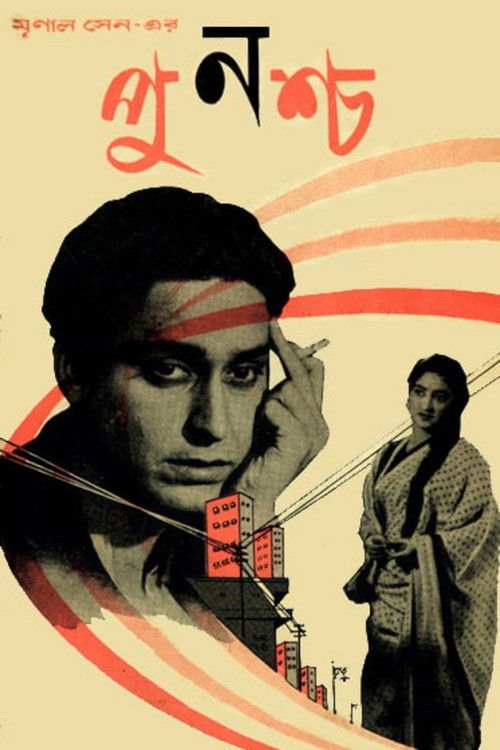
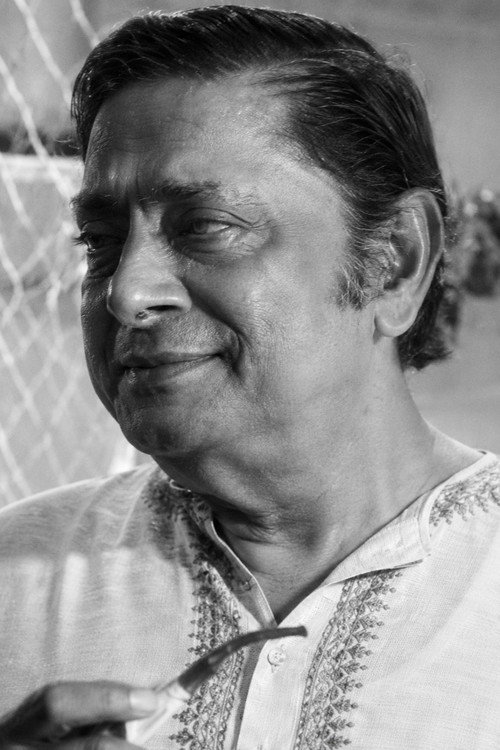
N. Viswanathan (1929 – 17 November 2010), popularly known as Calcutta Viswanathan in theTamil film industry, was an Indian actor and academic. A Tamilian by birth, he moved to Calcutta(now Kolkata) at a young age and joined St. Xavier's College, Calcutta as an English professor and continued to teach there for more than 40 years. Viswanathan was also a well-known public speaker. He started acting films after entering into the Bengali films by acting in Mrinal Sen'sPunascha and Satyajit Ray's Kanchenjungha.[2] In an acting career spanning over 40 years Viswanathan appeared in nearly 100 films in Bengali, Tamil and English. Viswanathan was a member several theatre groups and also formed the "Calcutta Players", an acting troupe
Known For

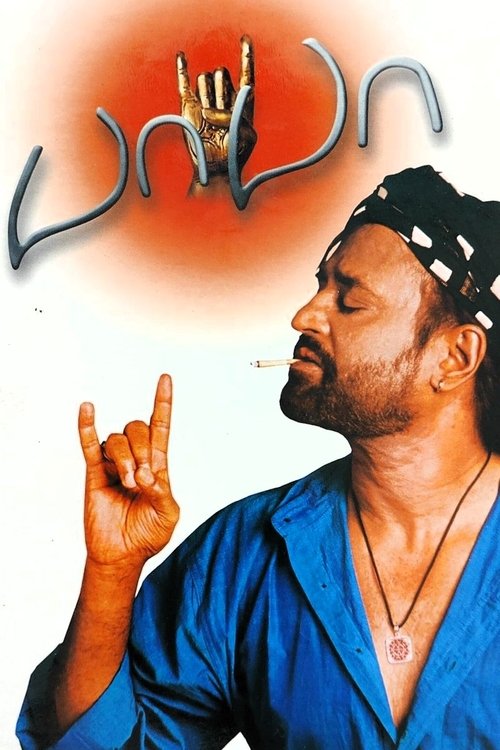
Baba is an atheist who always questions the existence of a higher power. But when a turn of events bestows him with divine powers, he uses the opportunity to help other people.
Baba

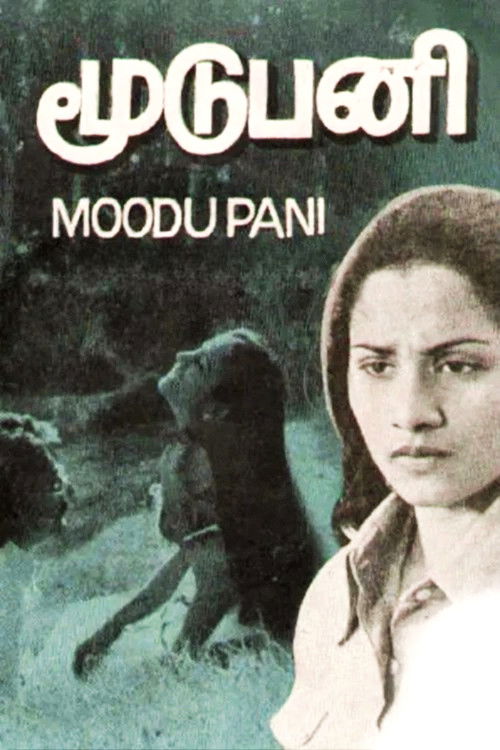
Chandru has a strong hatred towards prostitutes and would kill any such woman he encounters. He falls in love with Rekha and believes marrying her will end his psychological distress.
Moodupani

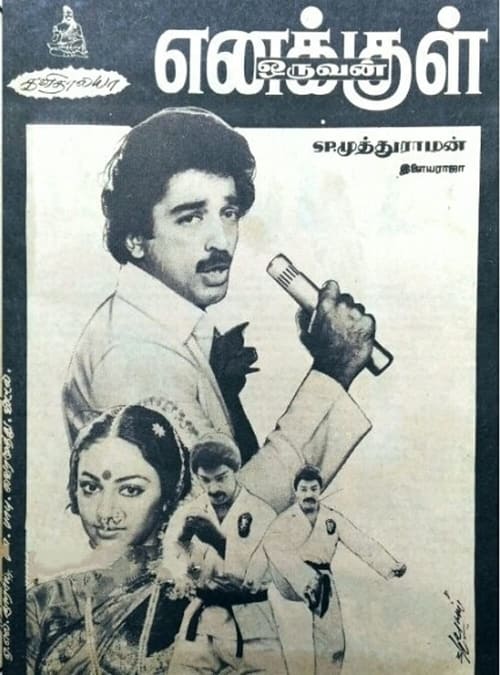
Madan, a disco dancer, finds his life partner in Kalpana, a classical dancer. When Madan starts getting strange visions, he is advised to go on a trip where he learns about his tormented past.
Enakkul Oruvan

The film features the characters from Satyajit Ray's Aranyer Din Ratri, returning to the forest over thirty years later. Ashim, Sanjoy, Harinath and Aparna have grown old in this film; Shekhar has died. They set out on a journey to break off every link with civilisation for a few days. However, the trip turns sour when Ashim and Aparna's daughter, Amrita, goes missing. It transpires that she is being held for ransom by local tribespeople. Police intervene and the kidnapped girl is returned to her parents, albeit against her own wishes.
In the Forest... Again

A man mistakenly invites a family, whose girl was (and is still) betrothed to the groom. It was he who set up the cousin's alliance, would the girl forgive him, whom he had fallen in love? How to prevent her from attending the marriage?
Barnali

Played out in real time, several complex family dramas intersect in the landscape of the Himalayan foothills, allowing the Bengali auteur to examine the class and generational differences of postcolonial India while celebrating the hopes of a society in transition.
Kanchenjungha

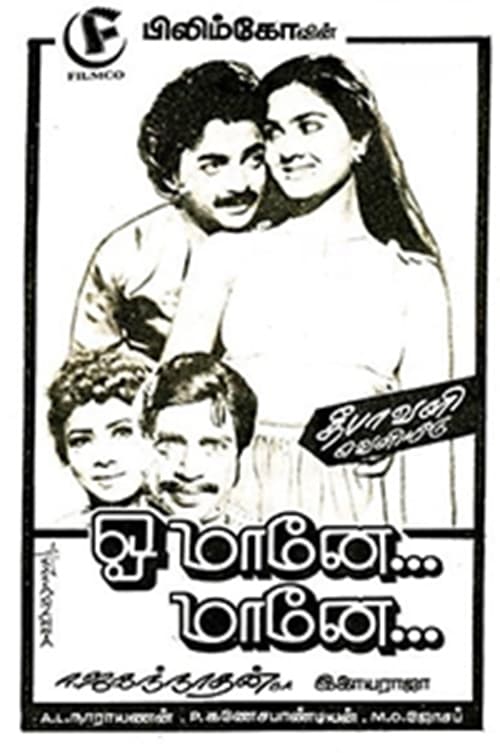
The love affair between an Anglo-Indian girl and a Brahmin boy turns sour when the girl becomes pregnant and her mother decides to isolate her from her family till she delivers the baby.
Oh Maane Maane

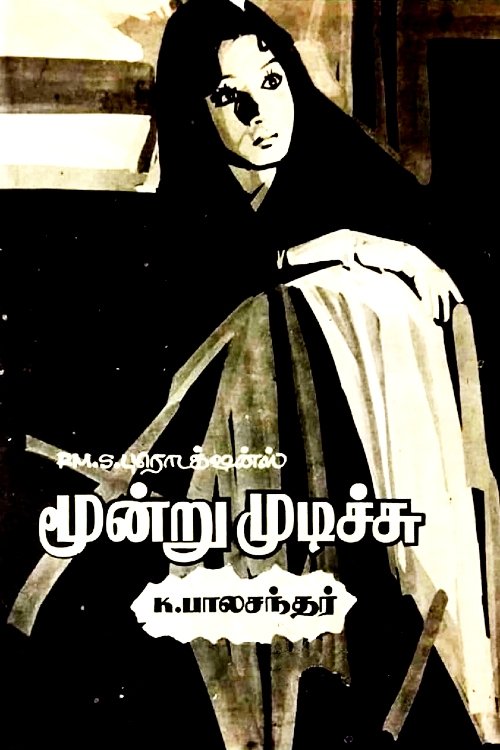
Roommates Prasath and Balaji are both in love with Selvi. However, life takes an ugly turn when Balaji dies and Selvi is forced to marry Prasath's father.
Moondru Mudichu

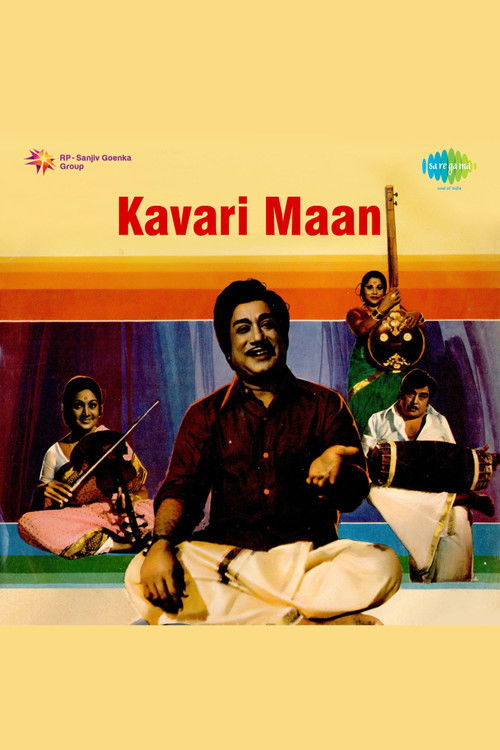
No description available.
Kavari Maan

A 1970 Bengali Drama Film directed by Pijush Bose.
Duti Mon

Ekhonee depicts the lives and frustrations of a bunch of youth struggling to cope with the adversities of a bureaucratic society. There's a bunch of college students Arun, Tiklu, Shambhu, Biman, Sujit, Urmi whose lives undergo a change after the carefree days of college are over.
Ekhonee

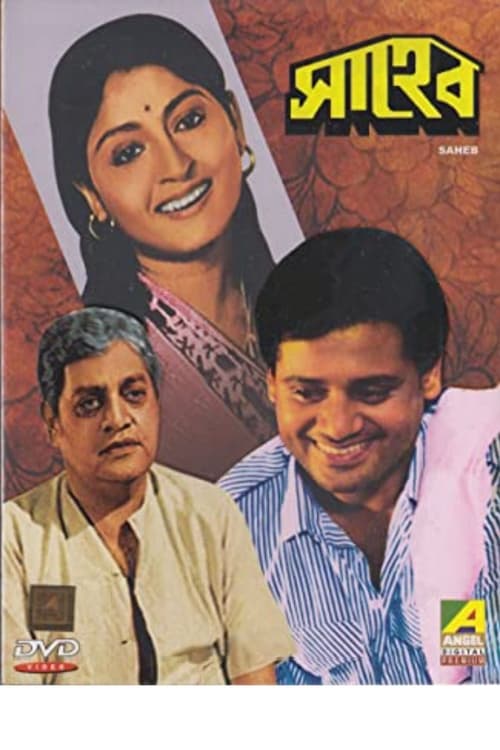
Saheb, a jovial, friendly, and kind-hearted boy loved to play soccer. He was very much neglected by his selfish brothers. Only his sister-in-law and his only sister Boolti appreciated and took care of him. Saheb had the potential to become a good goalkeeper, but a lack of support and care from his family became the main obstacle to his growth. Suddenly Boolti's marriage was fixed with a well-educated family. The budget of the event made Saheb's family helpless. At that time, Saheb sold one of his kidneys and spoiled his football career. No one was aware of his decision. On the day of his sister's marriage when everyone was enjoying themselves, Saheb was fighting for his life. Suddenly his sister-in-law came to know everything and became very upset. All his brothers were imposing allegations against him for that unaccounted money, and then his sister-in-law exposed everything and made them quiet. At last, Saheb's incompetent father went to hospital and mourned for his neglected child.
Saheb

Shipra is a poor woman who is molested and killed as she witnesses corruption. The police and lawyer Somnath take up the case and slowly dig into it. He traces the corrupted policeman and comes to know that Karuna, the head lady of the orphanage where Shipra used to live is equally involved in female trafficking. However, when he sees Karuna his world is turned upside down. Karuna is Shukla, Somnath’s long-lost wife. Circumstances had led her to become a puppet in the hands of the gangsters. However, she is to keep mum about the entire conspiracy, lest they kill her only daughter. Somnath gives assurance to Karuna to speak the truth. She does that and, in the end, the entire gangster network is caught. Karuna’s daughter is proved to be Somnath’s daughter. They get together again.
Rodon Bhara Basanta

Aparna's father, a police officer, fixes her marriage of his own choice. Aparna does not agree with her father and she flees from home. Her father arrests Aparna's friends and interrogates them one by one.
Paka Dekha

Difficulties erupt between a couple when their relationship gets hit by societal pressures, norms, and deep-rooted patriarchy.
Over Again

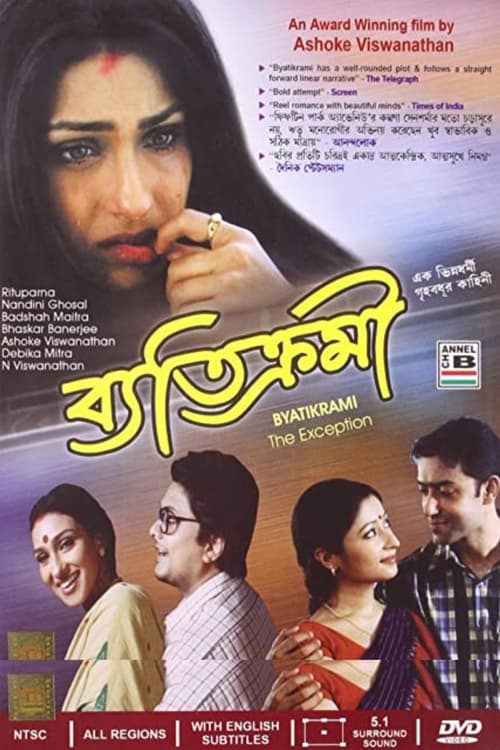
When a woman loses her baby, her husband abandons her and she starts showing schizophrenic symptoms. She sets her eyes on her elder sister's husband and tries to get close to him.
Byatikrami

Anustup Chhanda is a Bengali movie released on 1 July 1964. The movie is directed by Pijush Bose and features Basanta Choudhury in the lead role.
Anustup Chhanda

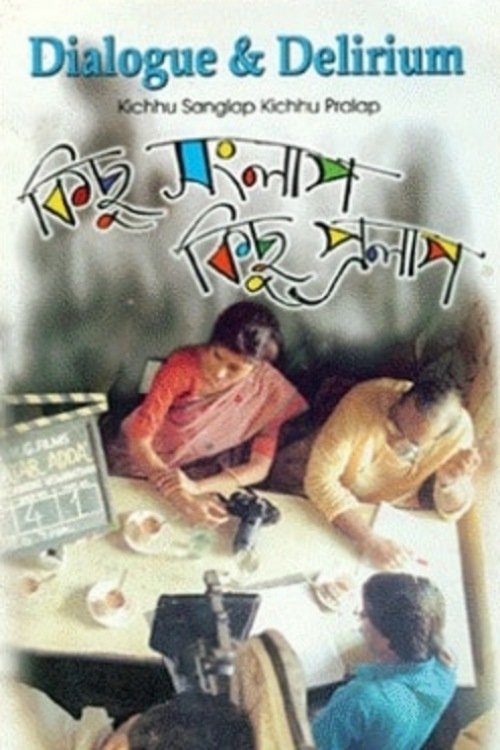
Residents of Calcutta find solace from their hectic daily lives in conversations at one cafe or another. Newton is a member of one such group of cafe regulars. He appears to be in a romantic relationship with Ananya. Newton wants to start a business. Ananya consults her actress friend Laboni, who asks script-writer Arup to help Newton. However, Arup is perhaps too mysterious a character.
Dialogue & Delirium

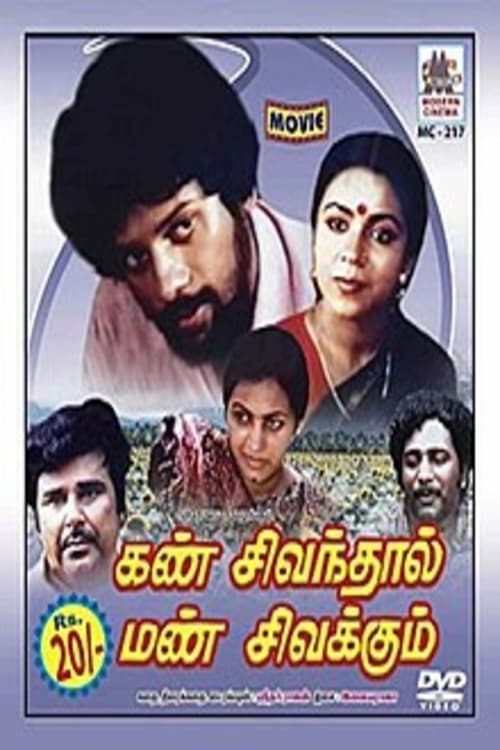
Kann Sivanthaal Mann Sivakkum is a 1983 Tamil film directed by debutant Sreedhar Rajan. Produced by R. Venkatraman, the film won the Indira Gandhi Award for Best Debut Film of a Director at the 30th National Film Awards in 1983.
Kann Sivanthaal Mann Sivakkum
Directed by Ashoke Viswanathan.