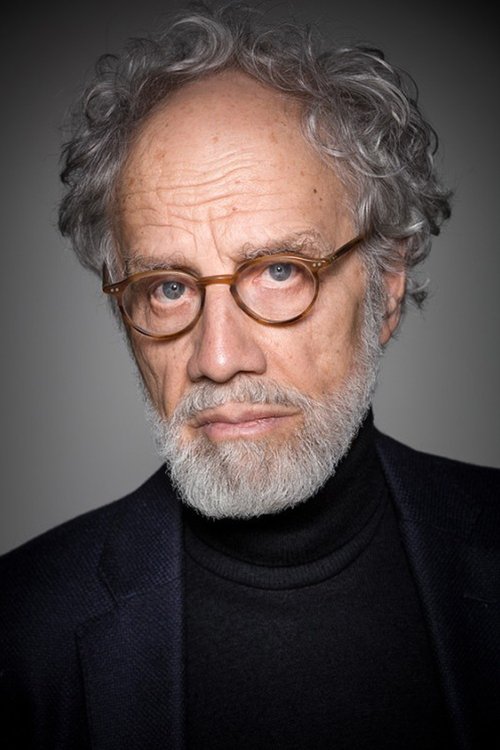
Markus Imhoof
Directing
Biography
Markus Imhoof (born 19 September 1941) is a Swiss film director, screenwriter, theatre and opera director. He began his career as a documentary maker, focusing on controversial issues. His 1968 film Rondo was a critical look at the prison system in Switzerland. The film was banned until 1975. His next picture, Ormenis 199+69 (1969) also met with censorship, as it examined the role and treatment of horses in the cavalry and suggested that the unit ought to be disbanded. Imhoof was forced to make some edits before the film could be screened in public, removing scenes that military veterans found objectionable. Only in 2002 did the film became available in uncensored form. Volksmund - oder man ist was man isst (Vernacular - One Is What One Eats) (1972) was a documentary critical of consumption in society. Later in his career Imhoof began directing regular narrative films as well. His film Das Boot ist voll (The Boat Is Full) (1980) received international acclaim for showing the downside of Switzerland's neutral politics during World War II. The film depicted a group of Jewish refugees in 1942 being forced to return to Nazi Germany on order of the Swiss government and thus meeting their deaths in the concentration camps. At the time it was the first Swiss film to deal with this controversial topic. Imhoof's next film, Die Reise (The Journey) (1986) examined Baader-Meinhof's terrorism. Der Berg (The Mountain) (1990) was a psycholoical study of three people stranded on top of a mountain with only enough food for three of them to survive. Flammen im Paradies (Fire in Paradise) (1997) is also a psychological study, this time depicting a young man promised in marriage who switches places with a woman bound for India. Source: Article "Markus Imhoof" from Wikipedia in English, licensed under CC-BY-SA 3.0
Known For

Marcello Mastroianni, Isabelle Adjani, Alain Delon, Martin Scorsese, Woody Allen... the biggest stars in cinema were welcomed by Christian Defaye on his show Spécial cinéma. Between intimate confessions from actors and immersion in the world of the greatest filmmakers, Christian Defaye took viewers on a journey into the fascinating world of cinema for nearly thirty years.
Spécial cinéma
No description available.
Aeschbacher
No description available.
German Film Award
No description available.
Der Club
No description available.
Romy Award
No description available.
Bavarian Film Awards
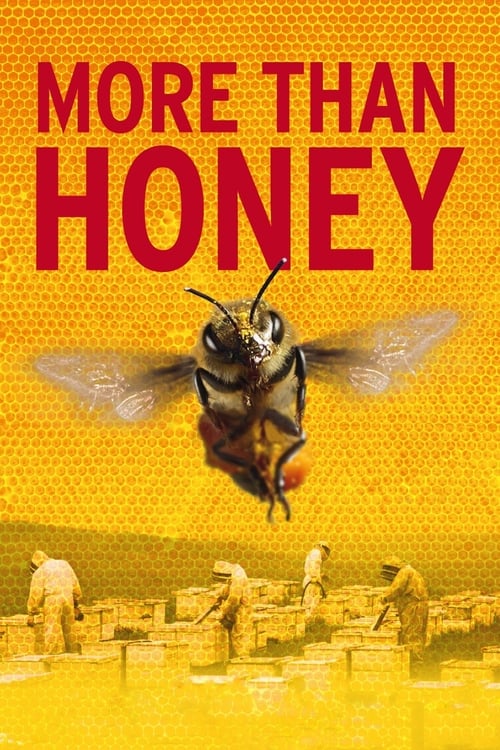
With dazzling nature photography, Academy Award®–nominated director Markus Imhoof (The Boat Is Full) takes a global examination of endangered honeybees — spanning California, Switzerland, China and Australia — more ambitious than any previous work on the topic.
More Than Honey
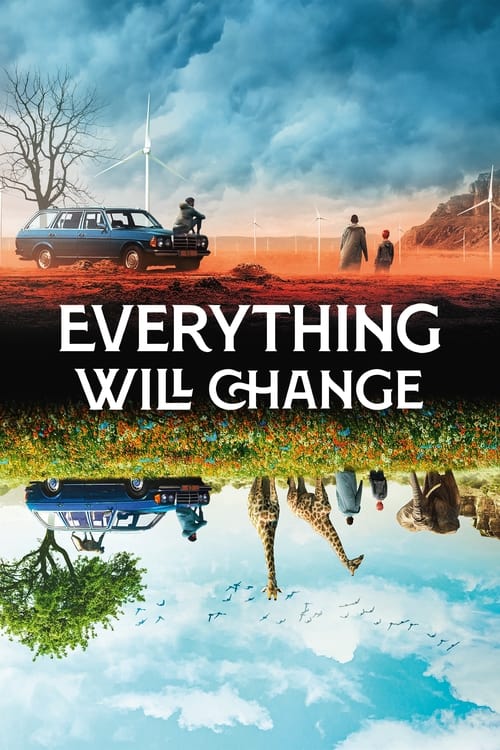
In a dystopian 2054, three young rebels go on a journey to find traces of the long lost beauty of nature, hoping to discover what happened to their planet.
Die 2050er - Everything will change

It's 1922. A weather observer and his wife live in a remote cabin high in the Swiss Alps. As this drama begins, they are being joined by a third person, an Austrian who coveted the job the Swiss man had won in this bleak location. Not only that, but he also has his eyes on the Swiss man's lovely wife. The Austrian has charm, so he wins some hospitality from the couple. The three live together for a little while, but the rivalry between the two men soon erupts with tragic consequences.
The Mountain
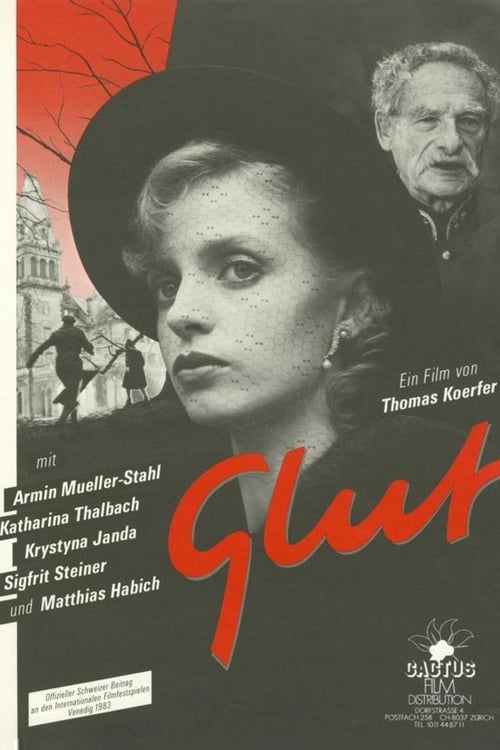
Francois Korb is an arms manufacturer who sold both to the Germans and the Allied forces. Korb's home life is less than ideal, since his wife is having an affair with his brother, and his young son is inseparable from a teddy bear. To remedy the son's situation, the parents take in a little refugee girl as a temporary companion and playmate, and the two children become fast friends.
Embers
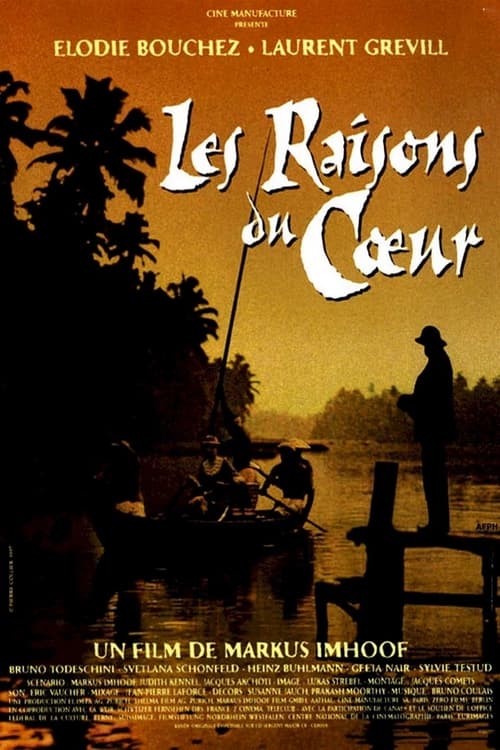
On her honeymoon on a ship the daughter of a rich plant owner realizes that she's not happy with her marriage. She meets a poor woman on the way to meet her future husband, a missionary in India. The women decide to swap roles...
Fire in Paradise
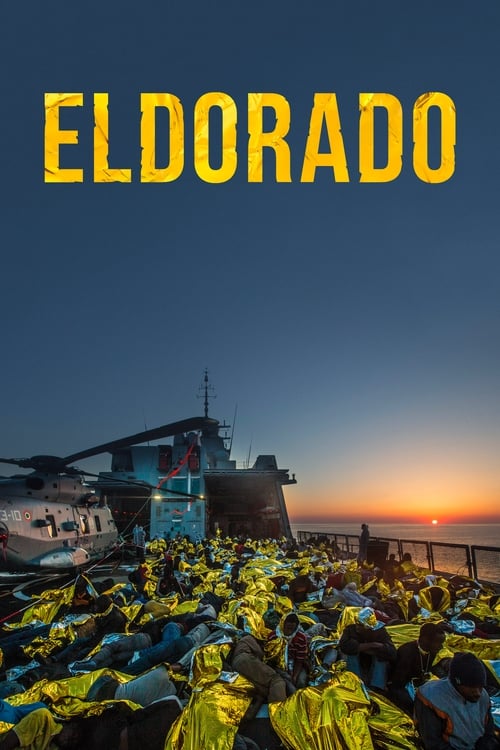
Drawing inspiration from his personal encounter with the Italian refugee child Giovanna during World War II, Markus Imhoof tells how refugees and migrants are treated today: on the Mediterranean Sea, in Lebanon, in Italy, in Germany and in Switzerland.
Eldorado
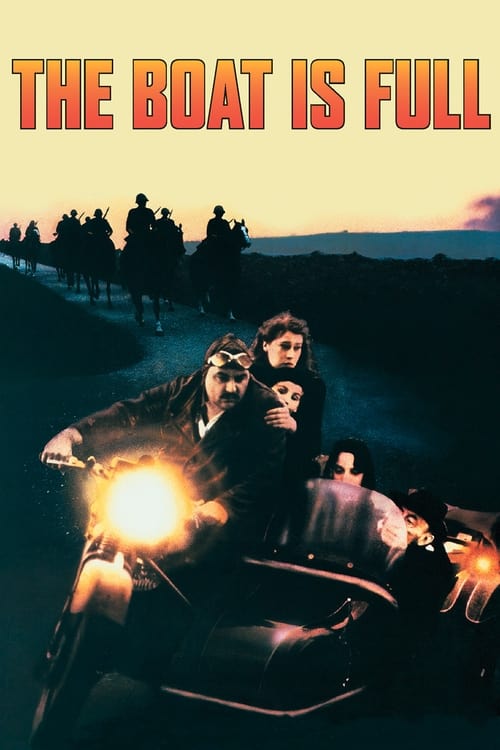
During World War II, Switzerland severely limited refugees: "Our boat is full." A train from Germany halts briefly in an isolated corner of Switzerland. Six people jump off seeking asylum: four Jews, a French child, and a German soldier. They seek temporary refuge with a couple who run a village inn. They pose as a family: the deserter as husband, Judith as his wife, an old man from Vienna as her father, his granddaughter and the French lad, whom they beg to keep silent, as their children. Judith's teenage brother poses as a soldier. The fabrication unravels through chance and the local constable's exact investigation. Whom will the Swiss allow to stay? Who gets deported?
The Boat Is Full
Unrelenting snowstorms cut off a mountain village from the outside world before tourists and a group of soldiers with their sick horses escape from the valley. The first avalanche has buried the road and railroad tracks. People and livestock crowd into the few houses that are still safe and the undersized hotel. Manfred and Jutta, who have been vacationing here with their seven-year-old child, have to give up their child's room for evacuees. In the tension of this first night, when they cannot avoid each other, accusations that have long remained unspoken erupt between them. Embittered, Manfred goes so far as to provoke Jutta into having an affair and is shocked when she does not defend herself more vigorously. Hurt and curious, she allows herself to be seduced by a French-speaking soldier.
Tauwetter
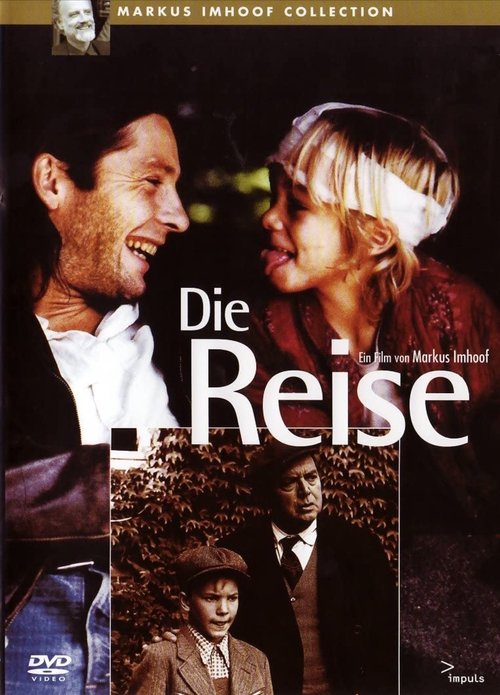
An unusual family story about two father and son generations, beginning on a German country side and ending in the students' revolt in Berlin.
Die Reise
Thirteen Swiss filmmakers, each from their own point of view, chronicle and reconstruct the narrative of Swiss cinema, from its beginning to the present day, and in doing so, retrace the history of the country.
Le film du cinéma suisse
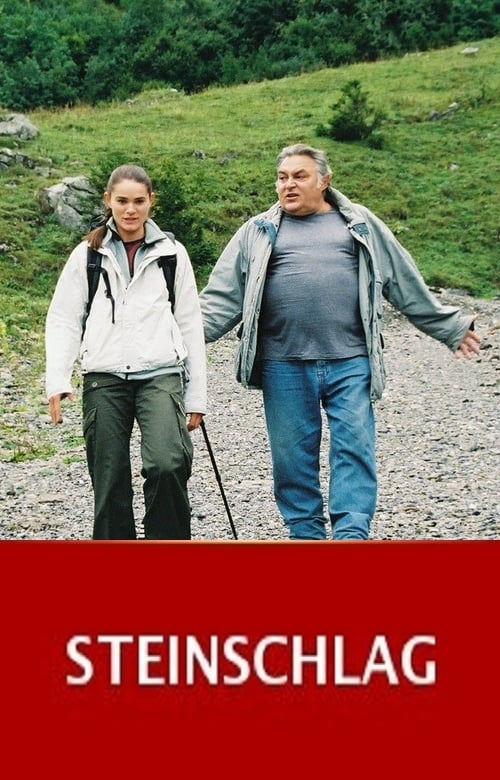
Hardly back from America in her home village, the young mountain guide Andrea Stamm is called to a rescue operation. The wife of the contractor Baumberger has an accident. A murder? The whole village mourns, but Andreas's father Robert Stamm can not believe in an accident. The former police officer, who was sent against his will in early retirement, is convinced that Baumberger killed his wife. After initial hesitation, Andrea gives credence to her father's suspicions and begins to investigate. The television movie Steinschlag is an exciting Swiss crime drama based on the novel by Emil Zopfi.
Steinschlag
No description available.
Rondo, (Collage über ein Zuchthaus)
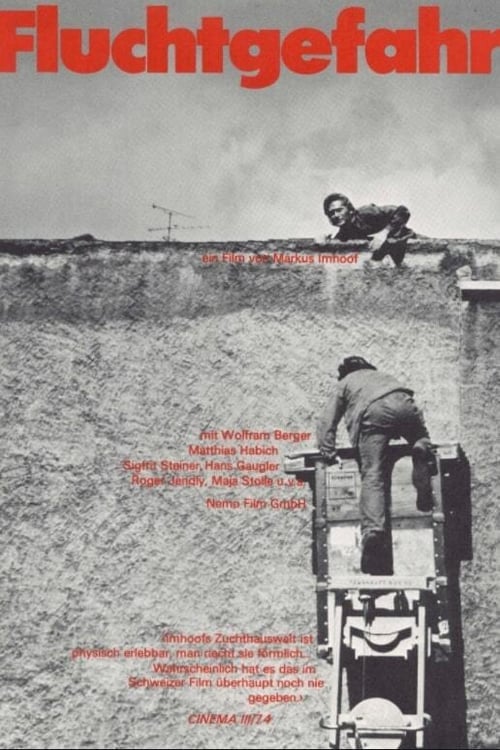
The 23-year-old Bruno accidentally clashes with society, the judicial and the police. Once he has exceeded the legal limits, he is stuck to the wrong side of the law.
Fluchtgefahr
No description available.