FEEL IT.STREAM
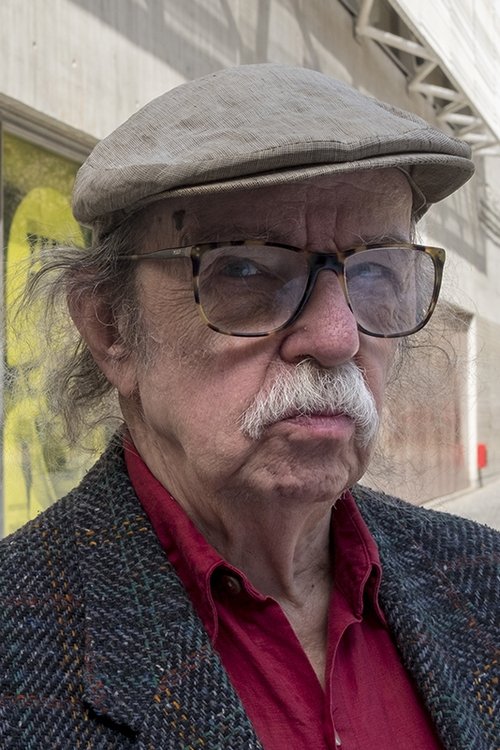
Noël Burch

Noël Burch

Directing

Biography

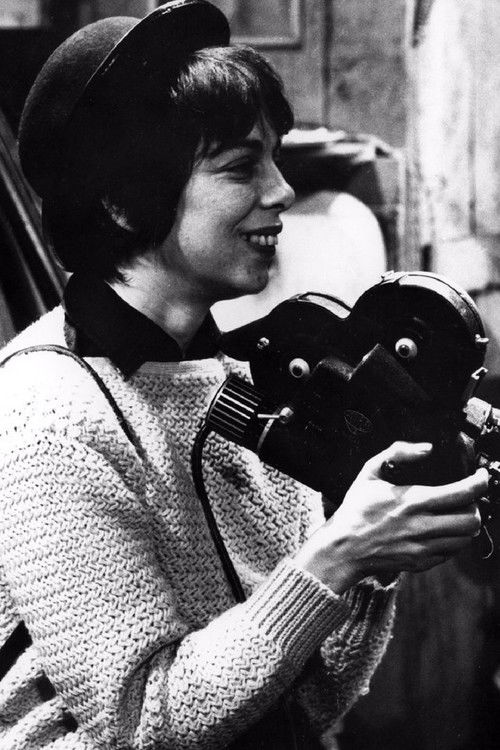
Noël Burch (born 1932) is an American film theorist and movie maker who moved to France at a young age. Burch is known for his contribution to terms commonly used by film scholars (such as institutional mode of representation (IMR)) and for his theories compiled in books such as Theory of Film Practice or La lucarne de L'Infini.

Known For

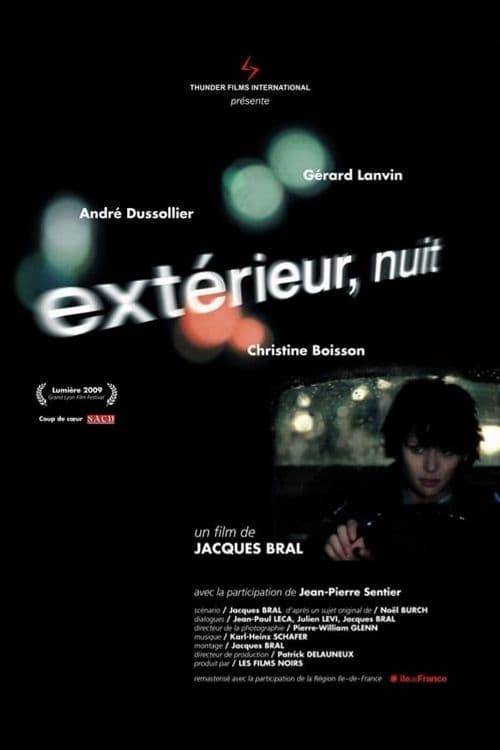
Exterior Night
5.1

Hoping to make a fresh start, Léo, a jazz musician, takes up temporary residence with his friend Bony, a young writer who is struggling to get his work published. One evening, Léo strikes up an acquaintance with a woman taxi driver, Cora; in spite of her impulsive and moody temperament, he cannot help being attracted to her. On the spur of the moment, Cora invites Léo to make love to her. When Bony meets Cora, he too finds her irresistible, but he lacks Léo’s self-confidence to make his move. Cora is not a woman that any man can possess readily. She is like a wild animal, a creature that revels in its freedom. Will either Léo or Bony be able to tame her...?

Exterior Night

1980
Red Hollywood
6.5

A documentary that examines the films made by the victims of the Hollywood Blacklist and offers a radically different perspective on a key period in the history of American cinema.

Red Hollywood

1996
Regarding Susan Sontag
5.7

An intimate study of one of the most influential and provocative thinkers of the 20th century tracking feminist icon Susan Sontag’s seminal, life-changing moments through archival materials, accounts from friends, family, colleagues, and lovers, as well as her own words, as read by Patricia Clarkson.

Regarding Susan Sontag

2014
Correction, Please: or, How We Got into the Pictures
5.0

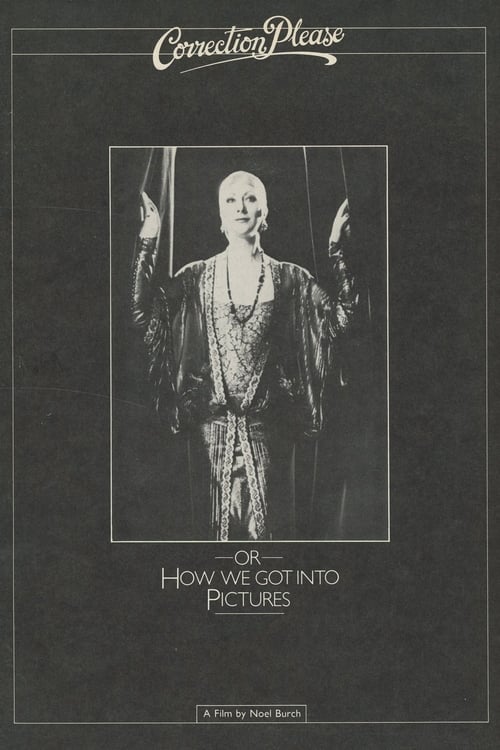
Experimental essay in film history, associating very early archive material (circa 1909) and studio shot footage in an attempt to provide insights into the way in which "film language" developed during the silent era, with emphasis on the process by which spectators came to be increasingly "contained" with the space time of narrative.

Correction, Please: or, How We Got into the Pictures

1979
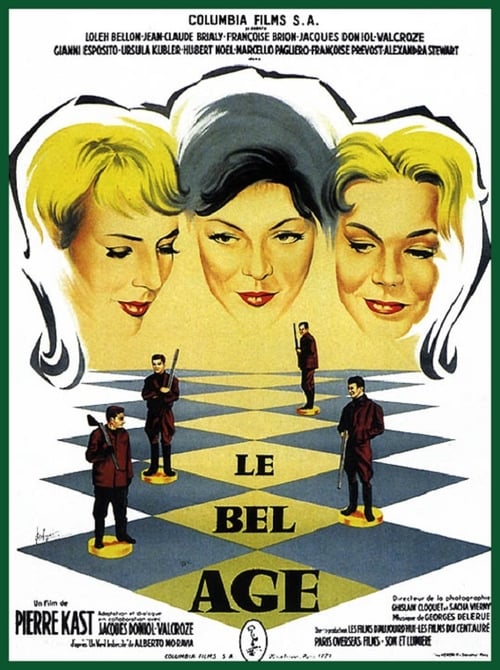
Le Bel Âge
5.6

Steph, Jean-Claude and Jacques work in a Parisian art shop, but they mainly work in the field of eroticism, which they conceive as a wide-ranging field of exercises and experiments.

Le Bel Âge

1960
The Forgotten Space
5.4

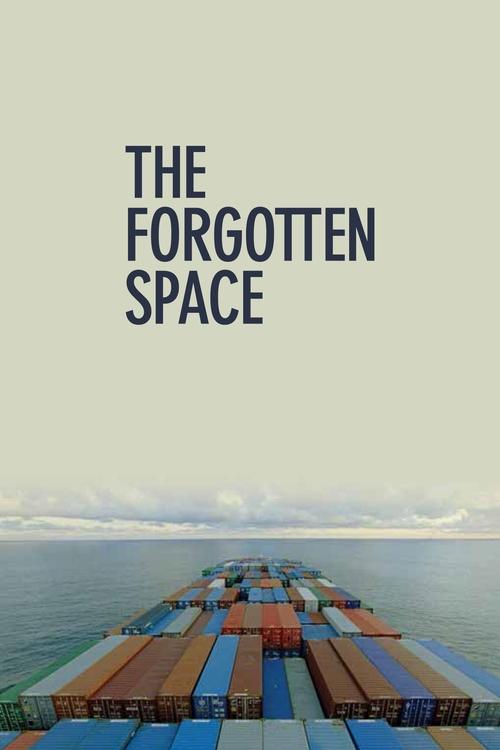
Details the catastrophic effects globalization has wrought on the ship, truck and train industries. We visit displaced farmers and villagers in Holland and Belgium, underpaid truck drivers in Los Angeles, seafarers aboard mega-ships shuttling between Asia and Europe, and factory workers in China, whose low wages are the fragile key to the whole puzzle. At a moment when collective bargaining rights are under attack in the United States, and China continues to bow to foreign pressures to prevent such rights from being granted at all, this film asks: Is capitalism the Trojan horse that turns on its inventors?

The Forgotten Space

2010
What Do Those Old Films Mean?
7.0

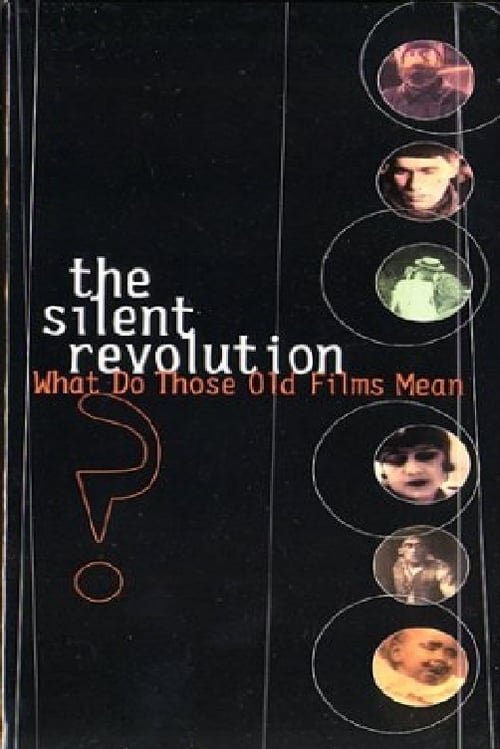
Noel Burch’s fascinating and well-made (if at times historically contestable) six-part BBC television series, about early silent cinema in Denmark, England, the Soviet Union, France, Germany, and the U.S., mixes beautiful clips of rare films with various social theories about their significance.

What Do Those Old Films Mean?

1985
De la cage aux roseaux
8.0

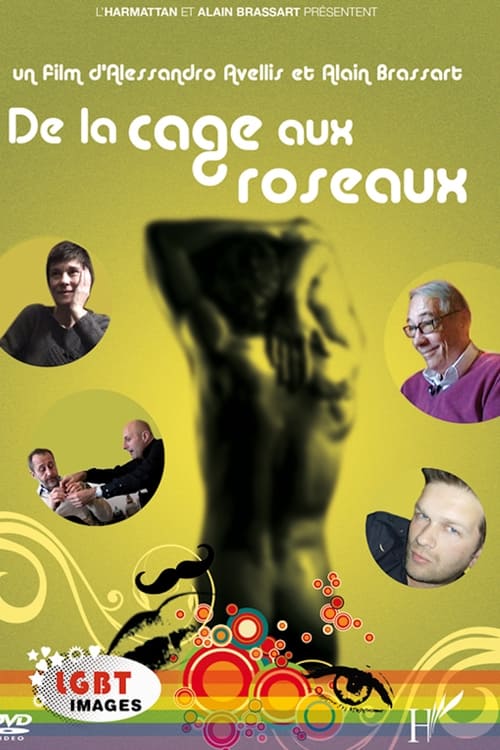
A journey into contemporary French cinema through a series of exclusive interviews with the leading figures of GLBT French cinematography: André Téchiné, Catherine Corsini, Gaël Morel, Olivier Ducastel, Jacques Martineau and other old acquaintances of our film festival. This documentary offers an interesting insight into the official and non-official cinema from the point of view of gender identity. A look behind the scenes: discussing issues like censorship and self-censorship, women' cinema and misogyny, transvestism and homo-eroticism, cinema d'auteur and popular cinema (was the Nouvelle Vague homophobic?). From past to present, from Jacques Demy to François Ozon.

De la cage aux roseaux

2010
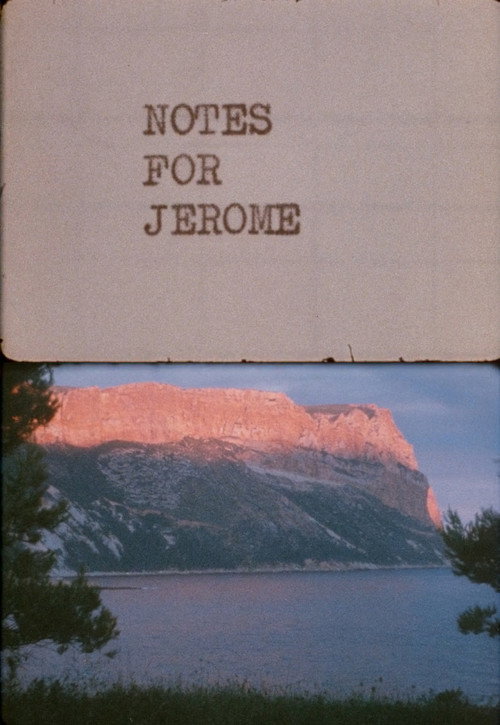
Notes for Jerome
7.0

During the summer of 1966 Jonas Mekas spent two months in Cassis, as a guest of Jerome Hill. Mekas visited him briefly again in 1967, with P. Adams Sitney. The footage of this film comes from those two visits. Later, after Jerome died, Mekas visited his Cassis home in 1974. Footage of that visit constitutes the epilogue of the film. Other people appear in the film, all friends of Jerome.

Notes for Jerome

1978
Noviciat
6.0

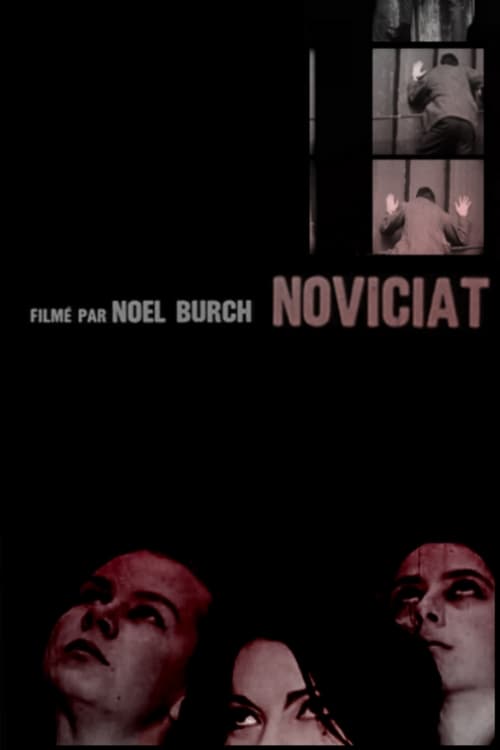
A peeping tom caught spying on a women's self-defense class is taken captive by the class leader. At first the class uses him as a training dummy, but his treatment at the hands of the ladies steadily becomes more dangerous and humiliating.

Noviciat

1965
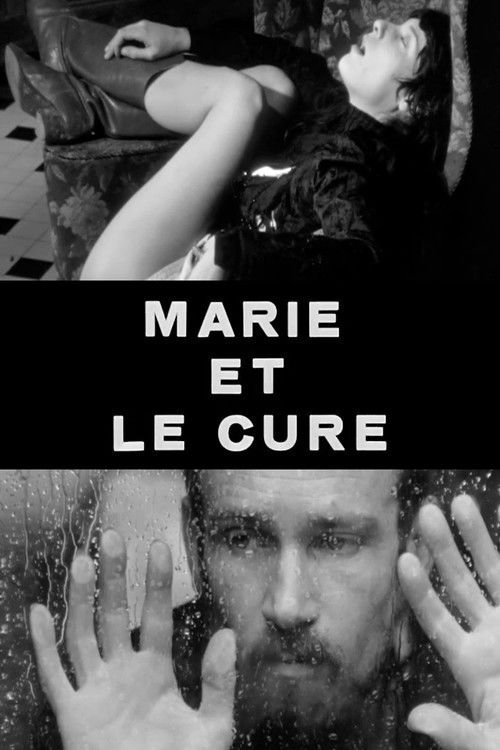
Marie et le Curé
10.0

A priest succumbs to the charms of his lovely cleaning lady and decides to find a husband when she finds herself pregnant with her works.

Marie et le Curé

1967
No image
N/A

Herewith the strange case of Reginald Pepper, the acclaimed English “primitive” painter who, some say, lives secluded with his mother and two cats in Swindon and who, say others, suffers a mental handicap which accounts for the pinheaded figures in his paintings. A Sunday Times article shocked the art community by shedding doubts as to the authenticity of this untrained genius, and these doubts were compounded when students from the now defunct Swindon College of Art discovered, in attempting to make a documentary film on the subject, that Reginald Pepper had mysteriously disappeared! Enter filmmakers Noel Burch (Correction Please, or How We Got Into Pictures) and Christopher Mason, who piece together the story, after their own fashion, of this elusive painter of oversized cats and thereby illuminate a whole field of skepticism regarding the dubious nature of the term “primitive” as applied to contemporary painting.

The Impersonation

1983
Recreation
5.2

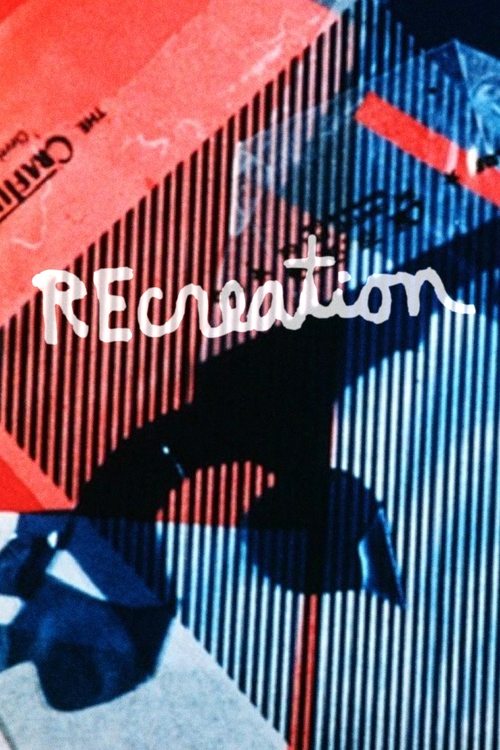
Featuring a commentary by Noël Burch (in nonsense French), Recreation's rapid-fire montage of single-frame images of incredible density and intensity has been compared to contemporary Beat poetry.

Recreation

1956
No image
N/A

Essay film about the suffragette movement.

Das Jahr der Leibwache

1981
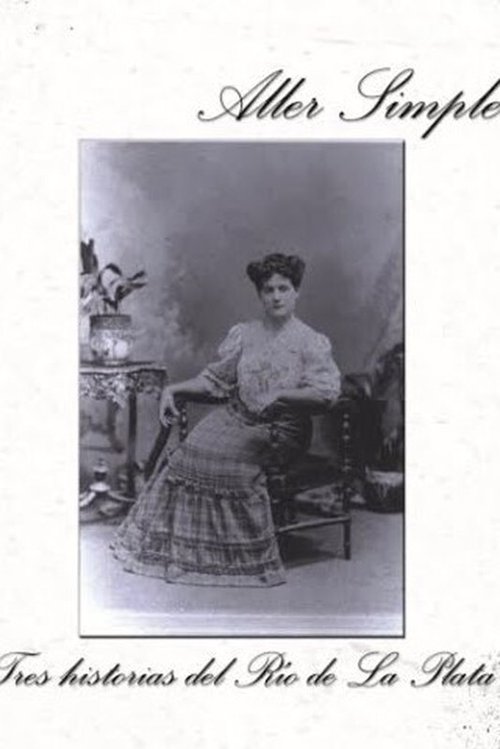
Aller simple (Tres historias del Río de la Plata)
8.0

An impressive reconstruction of time through archival materials, it explores through three characters the fate of 6 million immigrants who made our River Plate the most European region in all of Latin America. The three characters are fictional but their stories are real. From this collective adventure is a trace, a trace: it is the record of the photographers and filmmakers who documented the immigration process.

Aller simple (Tres historias del Río de la Plata)

1998
Rome Is Burning: Portrait of Shirley Clarke
7.5

Documentary about filmmaker Shirley Clarke which originally aired on the French television series “Cinéastes de notre temps”.

Rome Is Burning: Portrait of Shirley Clarke

1970
No image
5.0

Speaking as scenes from Anatahan are shown, for which he directed, photographed, wrote, and provided voiceover narration, film director Josef von Sternberg takes the viewer on a fantastic filmmaking journey in this presentation of Cinéastes de notre temps: Josef von Sternberg - From Silence Comes Another.

Josef von Sternberg - From Silence Comes Another

1967
No image
10.0

A “Cinéastes de notre temps” series episode directed by french film critics Noël Burch and André S. Labarthe, originally aired in two parts.

Alain Robbe-Grillet

1969
No image
8.0

A “Cinéastes de notre temps” series episode directed by french film critics Noël Burch and Jean-André Fieschi, originally aired in two parts.

La première vague

1968
Sérénade pour Mojacar
N/A

Short film made in Spain.

Sérénade pour Mojacar

1964