Production
A family moves from hip Berlin to a semi-detached house in the idyll and gets to know their neighbors...
Germany, 1945. Soldier Willi Herold, a deserter of the German army, stumbles into a uniform of a Nazi captain abandoned during the last and desperate weeks of the Third Reich. Newly emboldened by the allure of a suit that he has stolen only to stay warm, Willi discovers that many Germans will follow the leader, whoever he is.
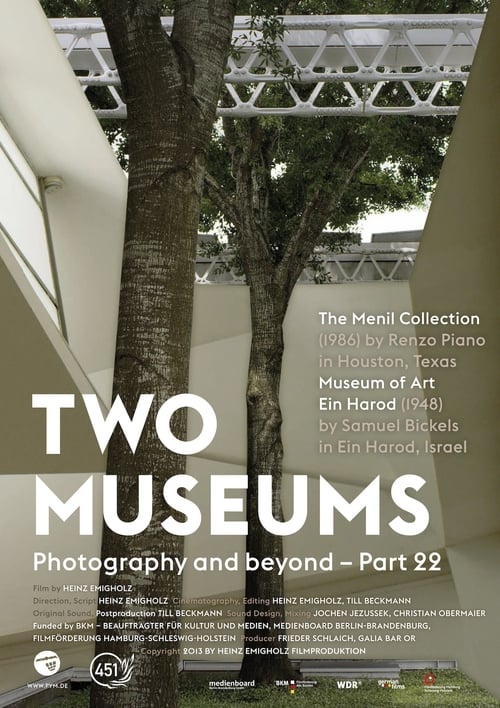
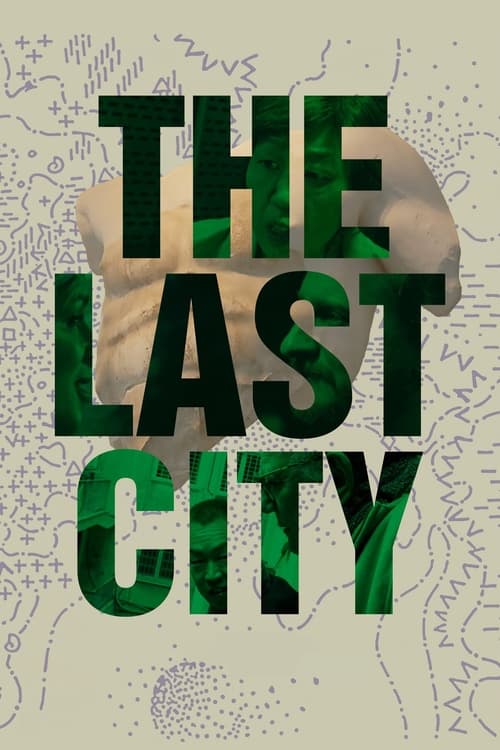
The film juxtaposes/compares two museums: The Museum of Art, Ein Harod, Israel, which Samuel Bickels (1909-1975) built there in 1948, and The Menil Collection in Houston, Texas, built by Renzo Piano (b. 1937) 1986 . The method of natural lighting in Bickels‘s construction was the direct model for Piano, who adopted for his construction at the request of its patroness Dominique de Menil.
Charo seems like a typical Berlin teenager. She's a student surrounded by good friends and has her eye on the coolest guy in school. But no one knows that Charo has been living in Germany illegally for years, not even her best friend Laura. Problems start to arise when Charo's mother is caught by the police and wants to take Charo back to Columbia. Charo now needs to trust Laura with her secret because it's the only way she'll be able to fight for her future in Germany.
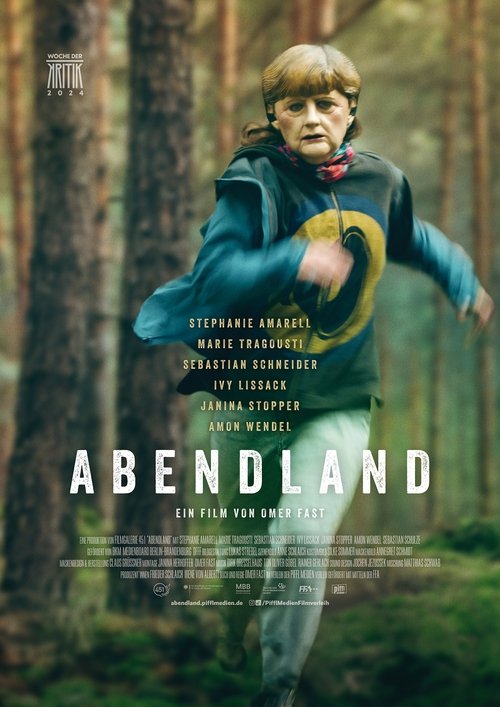
Because the German state has failed, a large number of people are living in the forest, outside of society.
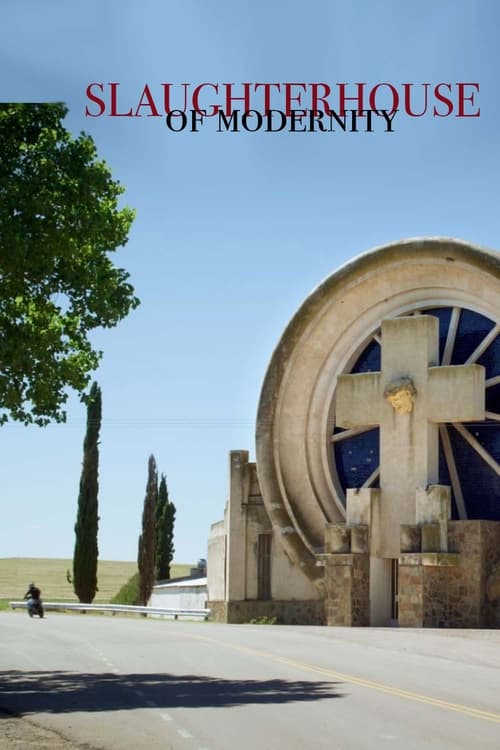
Contemporary cinema’s preeminent chronicler of architecture and its intersection with the ever-present crisis of 20th-century modernity, Heinz Emigholz returns with an alternately mournful and sly treatise on how the presence—and, in some cases, absence—of municipal and communal building architecture is inseparable from capitalist ideology. Focusing mainly on cities and provinces in Argentina, Germany, and Bolivia, Emigholz’s latest film is a work of quiet observation and historical excavation. From slaughterhouses in Salamone to the flooded former spa city of Epecuén to the newly built Humboldt Forum in Berlin, the film demonstrates the effect of capital on public spaces, where creation and destruction go hand in hand, and as always, Emigholz makes the journey one of intellectual force and cinematic beauty.
Rome in 65 AD, Emperor Nero's tyrannical regime has reached its zenith, Nero's self-indulgence and excessiveness brings up the opposition against him, conspiracies threaten his power. By all means Nero tries to defend his despotic claim of sovereignty. The famous philosopher Seneca has been Nero's teacher, mentor and close advisor since childhood, he is significantly involved in his ascent. Nevertheless, Nero gets weary of Seneca and Nero uses a foiled attack on his life to falsely accuse Seneca of being an accomplice.
Heinz Emigholz, the premiere purveyor of architectural oddities (Sullivan’s Bridges, Goff in the Desert), meticulously documents 15 rooms of the enormous Villa Cargnacco in Lombardy, Italy, designed by proto-fascist poet Gabriele D’Annunzio (1863–1938). The controversial figure spent 17 years designing the Vittoriale, a state museum on Lake Garda, and furnishing the Villa Cargnacco, which is part of the grand complex. This unusual documentary resulted from a photography session in the villa, when four friends—cinematographers Irene von Alberti, Elfi Mikesch, Klaus Wyborny and Heinz Emigholz—simultaneously filmed the rooms and furnishings of the villa in their own specific styles.
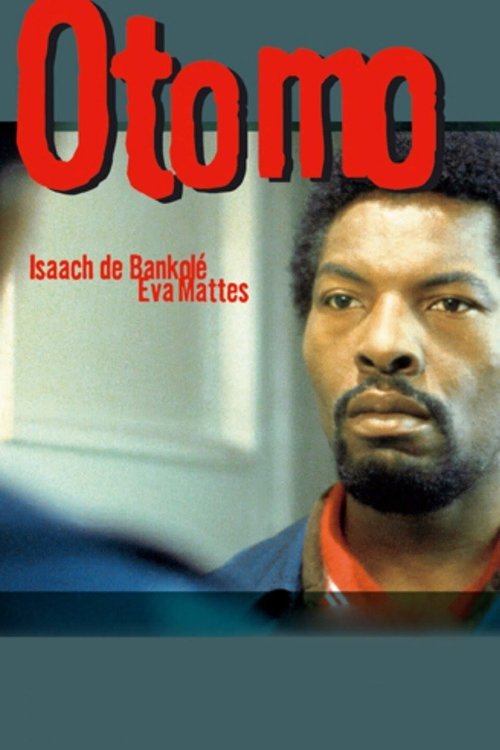
The true story of Otomo, a black man seeking work and asylum in the German city of Stuttgart. However, all he finds is racism, police trouble and his final destiny.
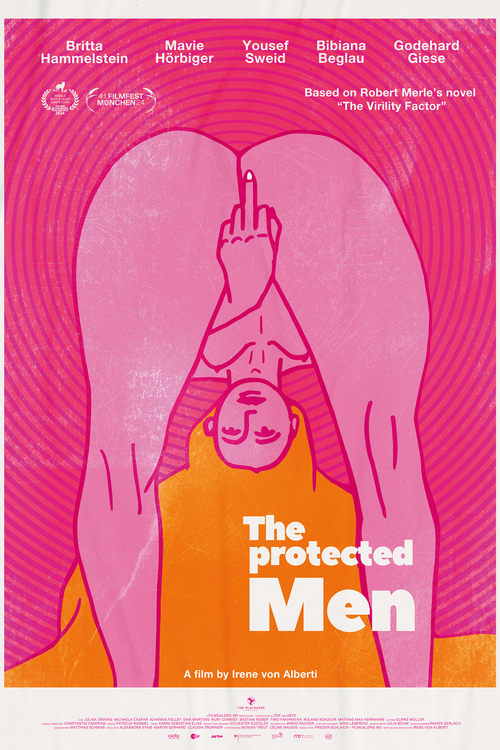
Ecology, equality, sustainability: Anita and Sarah pursue lofty political goals as they establish a new feminist party. By contrast, the men who are infected by a new type of virus tend to have less honorable intentions. The consequences: sexual obsession, molestation, and death. Urgent effort is put into developing a vaccine. But should the male sex be saved at all?
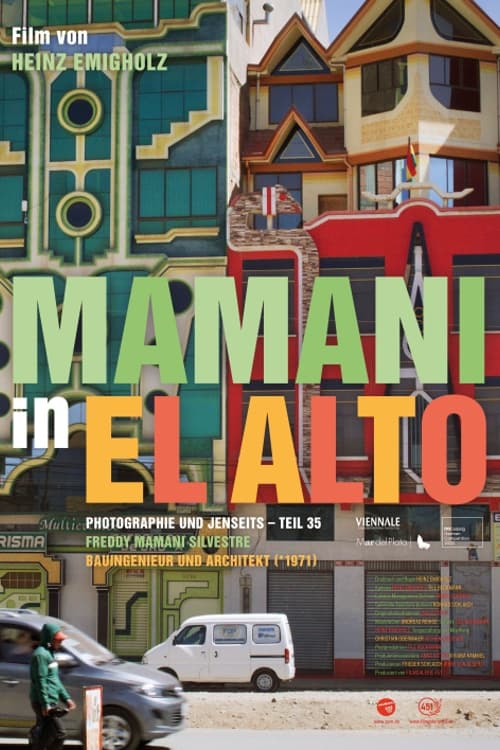
His buildings are garish, colorful and completely overloaded. Columns and glittering chandeliers everywhere, and way too much of everything. The Bolivian civil engineer and architect Freddy Mamani Silvestre (*1971) builds houses in El Alto for a nouveau riche upper class of the Aymara, the largest indigenous ethnic group in Bolivia.
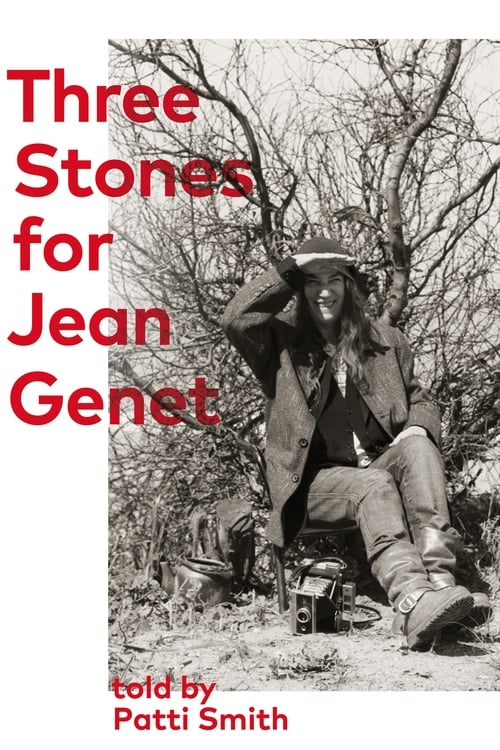
In April of 2013, American singer Patti Smith travels to the grave of French writer Jean Genet in Larache, Morocco. She brings him three stones, which she collected for him over 30 years ago.
An archaeologist and a weapons designer, who knew each other in a previous life as a filmmaker and a psychoanalyst, meet at an excavation site in the Negev desert and begin a conversation about love and war, which they continue in the Israeli city of Be’er Sheva. A series of encounters with alternating actors in different roles ensues, which leads the viewer through the cities of Athens, Berlin, Hong Kong and São Paulo. Among those appearing are: an old artist who meets his younger self; a mother who lives with her two grown-up sons, a priest and a policeman; a Chinese and a Japanese woman; a curator and a cosmologist.
In the 21st part of his Photography and beyond series, Heinz Emigholz projects as usual a series of structures into our brains and from there on to the screen: Airports, motorways and bus stops; department stores, market halls and warehouses.
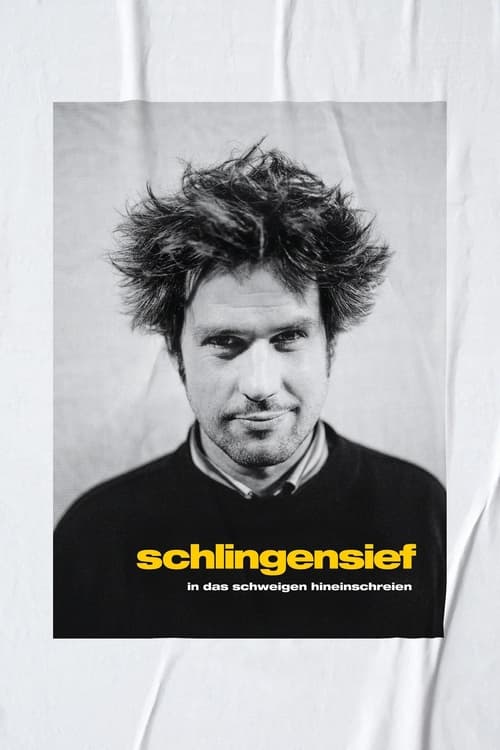
Using unpublished and newly digitalised archive footage and film material, Bettina Böhler has brilliantly assembled this film about the life and work of the exceptional artist Christoph Schlingensief, who died in 2010.
A documentary about the eventful lives of famous Jewish photographers Grete Stern and Ellen Auerbach. The film interweaves artistic, professional and personal aspects.
Theres and Kenneth are both young when they first meet whilst on holiday. They fall in love but are unable to prevent themselves from losing each other. Thirty years later, in another country, another couple: Ariane leaves her husband David because she no longer loves him. The paths they both take lead them to Kenneth and Theres.
Can there be pornography for women? In search of an answer, Esther Gronenborn stumbles through Germany's porn scene like Alice in Wonderland and interviews Beate Uhse, activist Monika Treut from the PorNo movement, and other minor and major figures from the porn industry.
Three actors - Lizzy, Marlon, and Ohboy - navigate city life between rehearsals, nightlife, and alienation. Marlon, new to town, struggles with his role and babysitting. Lizzy chases fame yet finds only transactional glamour in a club. Ohboy, adept yet trapped, drifts comically through urban traps. Linked by rehearsals for “City as Prey,” three episodes chronicle loneliness, friendship, and survival.
Three short films based on short stories by expatriate American novelist Paul Bowles capture the sense of loss and alienation so common in his works. "Merkala Beach" follows the dissolution of a friendship after a pretty face enters the picture; "Call at Corazon" traces a newlywed couple's challenges while cruising up the Amazon River; and "Allal" chronicles the extraordinary transformation of an Indian boy who befriends a cobra.