FEEL IT.STREAM
Jiří Weiss

Jiří Weiss

Directing

Biography

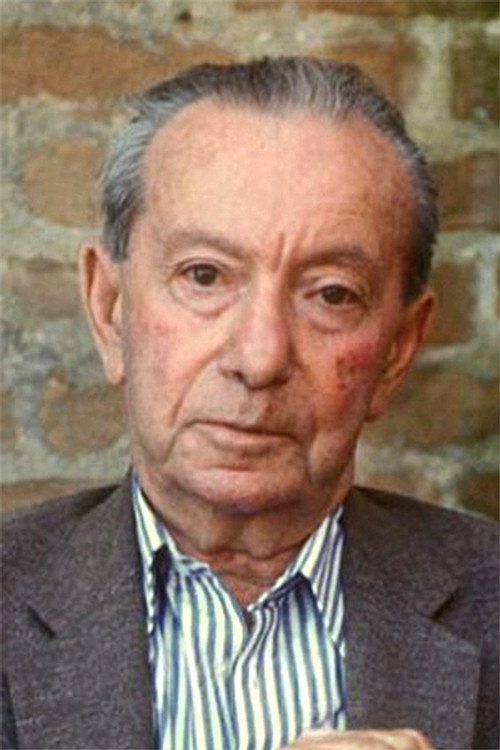
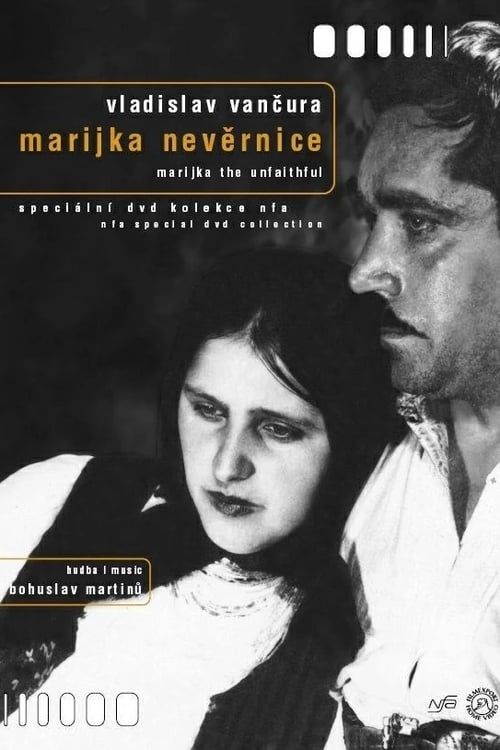
Jiří Weiss (29 March 1913 – 9 April 2004) was a Czech film director, screenwriter, writer, playwright and pedagogue. Jiří Weiss was born to a wealthy Jewish family in Prague. His father was a Czech patriot and named his son after Czech king Jiří of Poděbrady.His parents were Emil Weiss (1880–1942) and Martha Weissová (née Fuchsová; 1882–1944). Emil Weiss owned a liqueur factory in Libeň district. Since his youth, Jiří was an staunch communist, which was at the heart of disputes with his capitalist parents. As a young boy he was friends with Franz Kafka's niece Marianne Pollaková and thanks to her he was able to read the books of then-unknown writer Kafka in the 1920s. Weiss was interested in studying at film school, but his parents wished he studied law. While still a minor, he left his home and lived with his friend K. M. Walló [cs]. Weiss started to work as a copywriter in advertising. His father, who disagreed with his life choices and could still make decisions about his underage son, had him institutionalized in a mental hospital. Weiss never spoke to his father ever again. In his early twenties, he started working as a copywriter for the Prague branch of Metro-Goldwyn-Mayer. At this time, he wrote his first book – a story for children O věrné Hadimršce. He befriended leading intellectuals of the Left Front in Prague, including Vladislav Vančura and Ivan Olbracht. In 1934, Vančura invited him to be an assistant cinematographer on his movie Marijka the Faithless, based on Olbracht's book.

Known For

No image
6.0

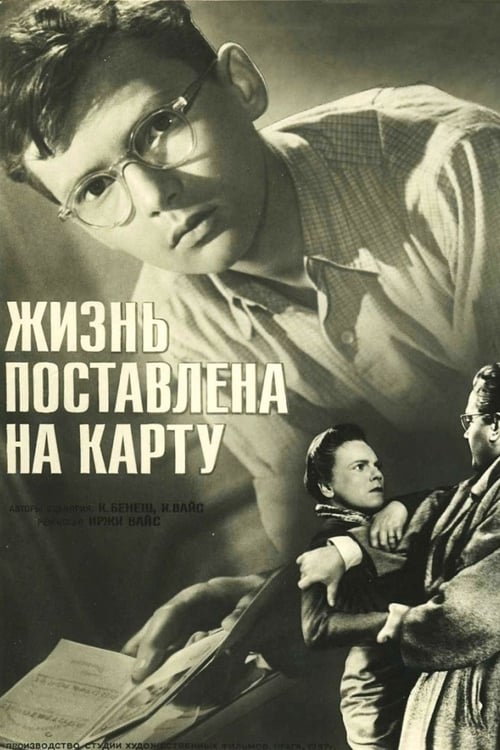
A drama set in the Vítkovice Ironworks at the end of the occupation. It depicts the struggle of Ostrava steelworkers to save the blast furnaces, which the retreating Nazis want to blow up.

The Last Shot

1950
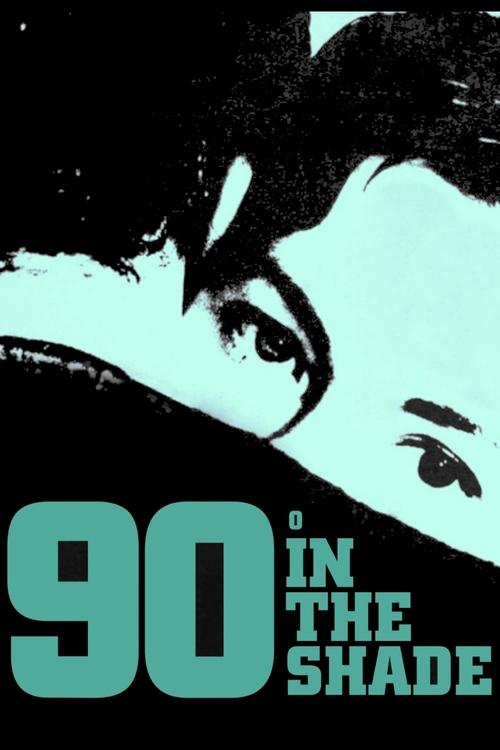
90° in the Shade
5.7

In a Prague shop, an assistant has been carrying on an affair with the dishonest, married manager. An emotionally repressed auditor with domestic problems of his own uncovers serious stock discrepancies. A test of loyalties and a questioning of values concludes in tragedy.

90° in the Shade

1965
The Golden Fern
6.8

Wandering through the forest, a woodcutter finds a golden fern whose seed turns into a beautiful woman - they fall in love. After getting drunk in a village feast, he gets to sign up to the army. The fairy gives him a shirt to wear and asks him to swear he will never abandon it. At the war front, he falls in love with the the colonel's daughter and will have to perform various feats to get her attention.

The Golden Fern

1963
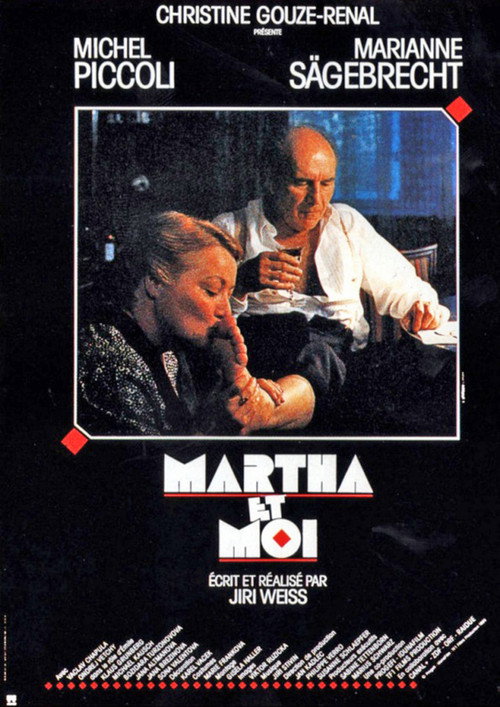
Martha and I
7.0

Emil (Vaclav Chalupa as a teen, Ondrej Vetchy as an adult) has been naughty, and his family is at a loss about what to do with him. He's been dallying with the family maid. They decide to ship him off to spend time with his uncle Ernst Michel Piccoli), who married his family maid. The boy has a good relationship with his uncle, and a touching picture of Czech family life just at the advent of World War II emerges. Since Emil and Ernst are both Jewish, they are eventually carted away by the Nazis.

Martha and I

1990
O ševci Matoušovi
5.0

The revolutionary year of 1848 brought great hopes among the hitherto silent classes, awakening social and national hopes. The response also penetrated the remote countryside, even as far as the Podkrkonoše Mountains. The young shoemaker there began to take an interest in social and political events, and he also experienced disappointment in later developments.

O ševci Matoušovi

1948
Křížová trojka
6.0

An attempted theft of a rare antique is uncovered at a castle that houses an apprentice recreation center. The apprentices help uncover the real perpetrators and their accomplices.

Křížová trojka

1949
The Coward
7.4

In a remote Slovak village in the closing days of World War II, a schoolteacher and his young wife find a wounded Russian parachutist in their front yard just as the Germans are coming in to occupy their village. As his wife readily becomes involved with anti-Nazi partisans, the schoolteacher collaborates with the Germans in fear.

The Coward

1962
No image
8.0

No description available.

Wie man seinen Gatten los wird

1970
The King of Kings
7.5

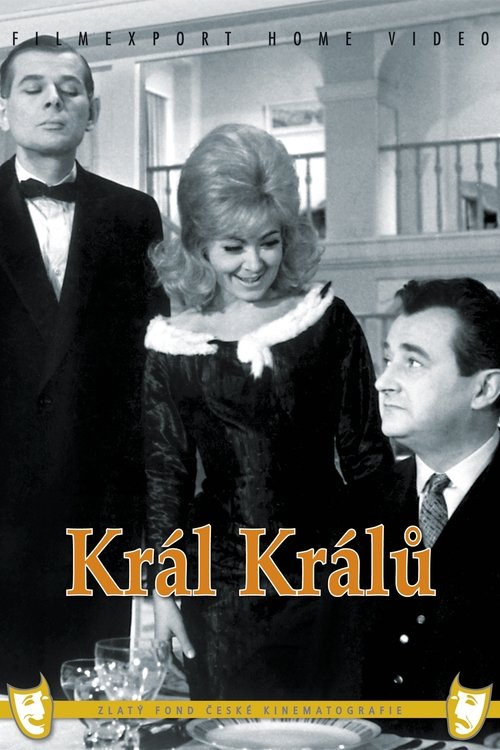
During his work assignment in Tamani Kingdom, Czech worker Lojza saves a local man from dying in the desert. Two years later, it turns out the saved man was also the Taman king; and he has decided to name Lojza, a communist, his royal heir.

The King of Kings

1963
No image
7.0

Cold War Spy FIlm

Pan Habětín odchází

1949
Punta and the Four-Leaf Clover
6.0

A film about a boy who is protective of a runaway dog and the dog, who is protective of the boy.

Punta and the Four-Leaf Clover

1955
No image
8.5

Building a bridge is no simple matter. The city council has to decide between two competing proposals, one of which is submitted by villainous scoundrels and scoundrels who would like to enrich themselves everywhere. Although the film was made before the communist coup, it already anticipates the political diction of the stories that the approaching Stalinist period will produce.

Wild Beasts

1948
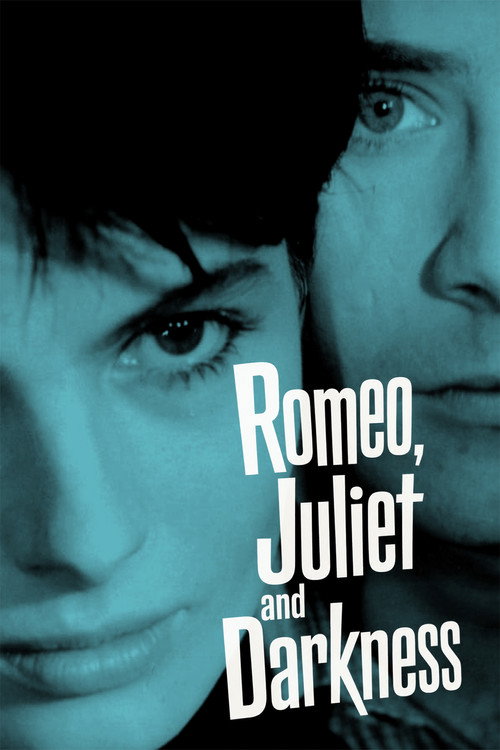
Romeo, Juliet and Darkness
6.2

Pavel, a young student living in Prague in 1942, hides a Jewish girl in his apartment building's attic. Amidst the brutality of the occupying German army, love blossoms between the two. He is her only link to the outside world. Then the two are discovered by Pavel's mother, who forces the residents of the apartment building to decide whether Hana can remain.

Romeo, Juliet and Darkness

1960
No image
4.5

The fate of the insignificant poet Leonard Undene is transposed into the media atmosphere of the late 1960s. An ironic image of the times, a black comedy about the ease of manipulating the crowd, about the deceitfulness of slogans, about the phenomenon called public opinion, about the power of media fame...

Spravedlnost pro Selvina

1968
Ves v pohraničí
7.5

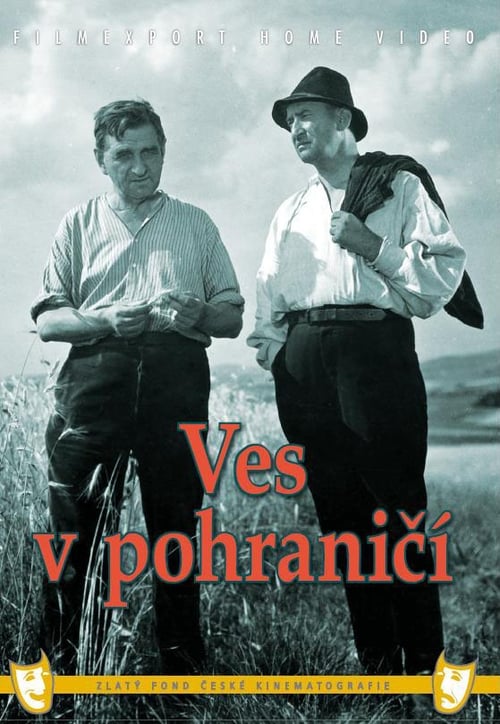
The family of Prague greengrocer Pavlas was among the first immigrants to settle in the border village of Severov. Together, the new residents manage to harvest their first harvest on time and successfully - but they will have to uncover a German saboteur posing as the manager of a sawmill...

Ves v pohraničí

1948
Reportáž psaná na oprátce
6.5

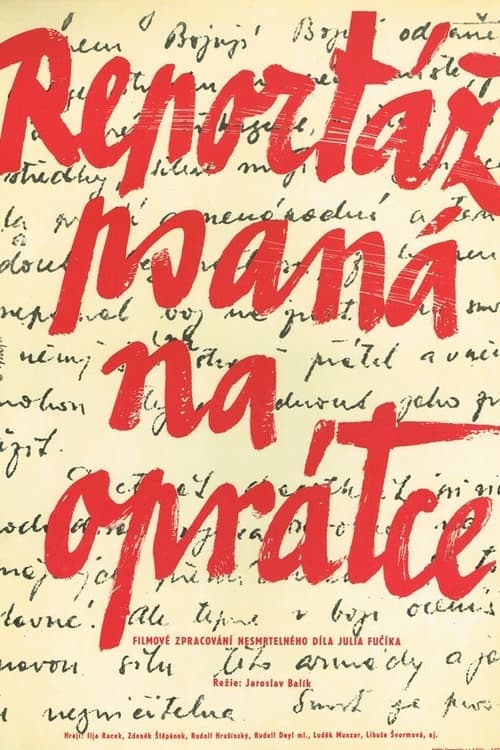
Screen adaptation of Julius Fucik's story about communist fighters.

Reportáž psaná na oprátce

1962
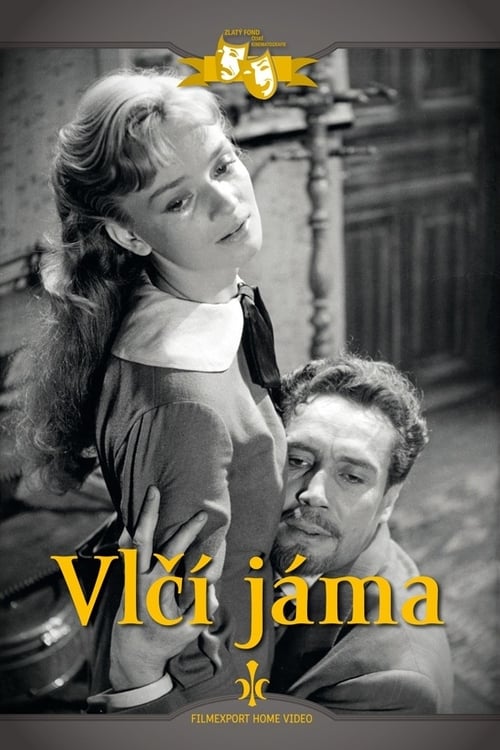
Wolf Trap
5.6

An orphaned young woman named Jana moves into the household of Robert and his older, possessive wife, Klára. While Klára maintains a strict and manipulative control over the home, a mutual attraction develops between Robert and Jana. The three characters continue to live together as their domestic tensions increase.

Wolf Trap

1958
No image
8.0

The compilation documentary We Will Remain Faithful is a testimony to the Czechoslovak resistance during the Second World War. The film covers the period from the end of the First Czechoslovak Republic to the victorious Allied advance in 1944. Director Jiří Weiss compiled it from archival footage, his own authentic and subsequently staged war footage, and material from both Allied and enemy newsreels.

We Will Remain Faithful

1945
No image
9.0

In this reportage, film professionals offer the viewers a peek behind the scenes at the Barrandov studios. We see how sets are constructed and we find out what sorts of things are stored in the prop department. The friendly commentary describes the journey from camera negatives to a film on the big screen. We learn about film technology and take a glance into film laboratories and editing rooms. The film also presents unique footage from the filming of The White Disease, namely the dramatic scene with five hundred extras in which the Marshal announces his declaration of war.

The Illusion Factory

1938
No image
9.0

No description available.

Days of Joy

1951