Acting
Polizeiruf 110 is a long-running German language detective television series. The first episode was broadcast 27 June 1971 in the German Democratic Republic, and after the dissolution of Fernsehen der DDR the series was picked up by ARD. It was originally created as a counterpart to the West German series Tatort, and quickly became a public favorite.
Der Staatsanwalt hat das Wort was an East German television series.
Stubbe – Von Fall zu Fall is a German crime detective television series starring Wolfgang Stumph as detective Stubbe. It is being broadcast on ZDF, the second German public television channel since 1995.
No description available.
Love, intrigue, favouritism and corruption at the Dresdner Hof.
Sitting at her typewriter, listening to tango music, she dreams. Buenos Aires and Montevideo are far away, a different world where, long ago, the tango came into being. A dream about dance and music, as well as about unfulfilled desire and wanderlust behind the Berlin Wall.
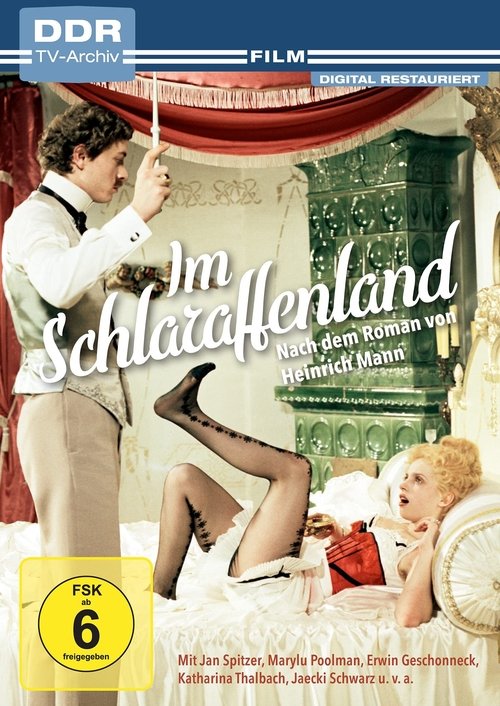
Who hasn't dreamed the sweet dream of the land of milk and honey, where roast pigeons fly into your mouth? But even the fairy tale makes it clear that such effortless indulgence is unhealthy because it makes you unproductive and unfit for life. Heinrich Mann discovers the land of milk and honey not behind a wall of semolina in a somewhere and sometime, but in the salon of the banker James Louis Türckheimer, who is bursting with money at a time of transition from the 19th to the 20th century. A first address for very different people who want to partake of its splendor...
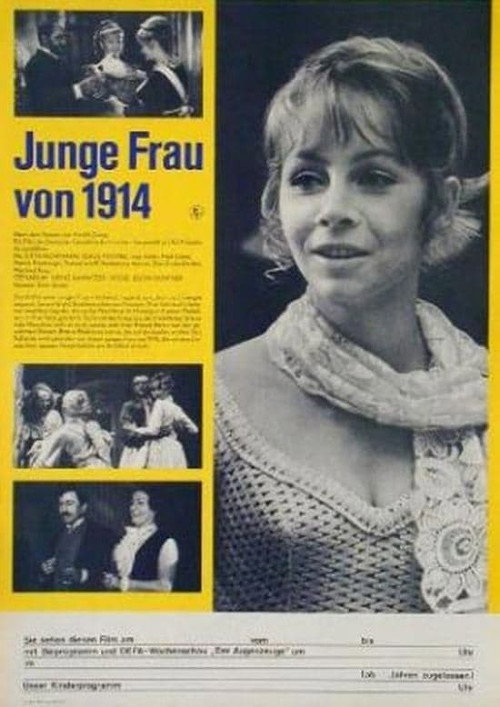
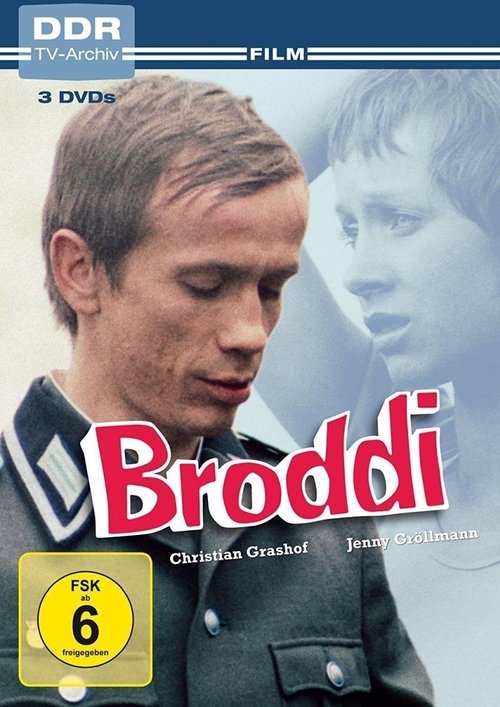
In 1914 Berlin, bank heiress Leonore Wahl and struggling Munich student Werner Bertin fall passionately in love, defying class and her parents’ expectations. Their idyll is shattered by the outbreak of WWI: Werner, swept up in patriotic fervor, is conscripted to the Western Front, while Leonore, pregnant and abandoned, faces her family’s condemnation and a clandestine abortion. Set against the tumult of war, the film explores idealism, social divides, and the personal costs of duty and desire.
Ambitious 11-part docudrama of the life, teaching, and work of Karl Marx and Friedrich Engels. This series was produced by East-German television. The series shows important points in the life and political development of these immense figures, from Marx's birth in 1818 until Engel's death in 1895.
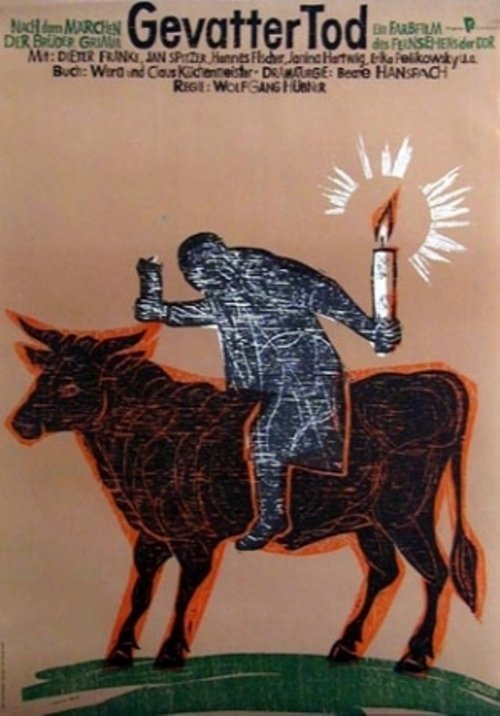
Once upon a time, there was a poor farmer who had thirteen children. Since the farmer was so poor, there was never anything left for the youngest of the family. Therefore, the farmer chose Death as the godfather of his son, Jörg, because all people are equal in the eyes of Death. The Grim Reaper is happy to look after the boy and turns Jörg into a skilled doctor who earns wealth and fame.
The only documentary ever made by DEFA on the topic of homosexuality was this public education film commissioned by the Hygiene Museum Dresden and produced in cooperation with East German gay and lesbian activists. In interviews, GDR lesbians and gay men talk openly about their first sexual experiences and coming out. Though the film tries to convey an official GDR acceptance of homosexuality, they also talk about social discrimination against openly gay individuals.
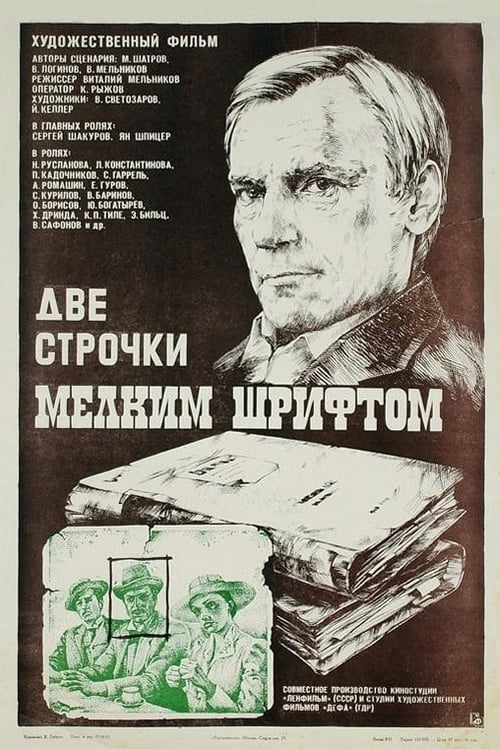
While studying the history of the revolutionary movement in Russia, a historian decides to restore the good name of one of the revolutionaries, who was accused of betrayal by his comrades-in-arms and committed suicide.
Silvia's career as an actress goes into decline after a few unfortunate statements recorded with a microphone hidden in his dressing room. On the other hand, we detected a serious disease to her daughter.
This story of the miller Florian, who gave all his money to the war against Napoleon, is loosely based on a true story. After the war, Florian's reimbursement is challenged, and he must also pay taxes on his destroyed mill. He resists the tax collectors and takes off to Vienna, where he intends to defend his rights. On the way, he rescues the Duchess of Guastalla from assault. She also wants to go to Vienna, as His Majesty Franz II is trying to contest an heir in her favor. With cunning, luck, and dagger, Florian fights his way through a slew of nobility and their secret police.
In the middle of the 18th Century, the Ruster family immigrates to America. The father, a former farm laborer, leads a hard life as a settler along with his family. One day the nine year-old George, his second-youngest son, is kidnapped by Iroquois. He is taken in by an Indian family in the place of a deceased son and receives the name "Blue Bird." The boy has homesickness and difficulties accustoming to the customs of the Indians.
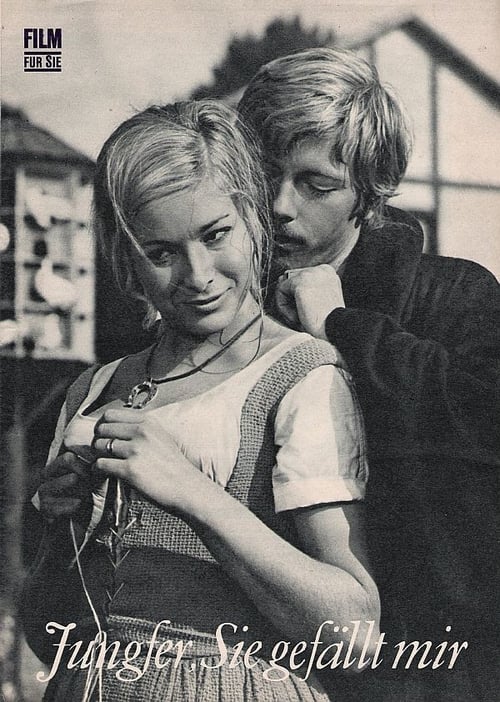
A Saxon village in 1792: While the Prussians go against France, the haymaking takes place in the village and the resolute Marthe catches her daughter Ev with the village blacksmith Ruprecht in the hay.
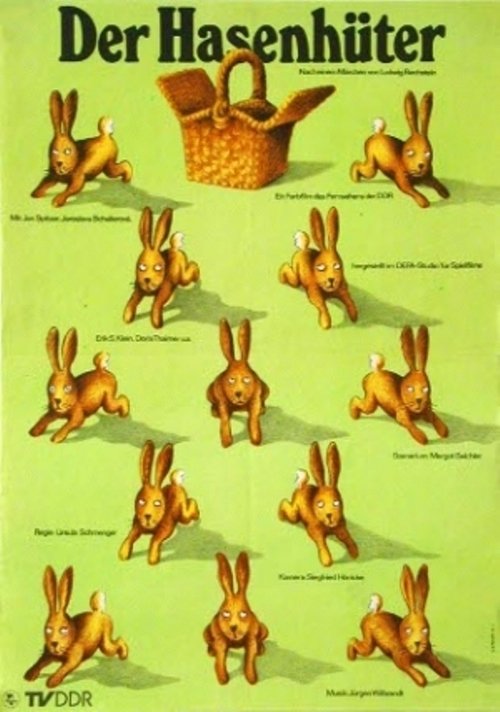
The young shepherd Konrad wants to ask the princess to marry him. All the exhortations of the kitchen maid Anne are to no avail. With the help of a magic flute, Konrad solves all the tasks set by the king and the princess. In doing so, he recognizes the princess's true character and so he decides in favour of Anne, not without first severely punishing the greed of the royal court.
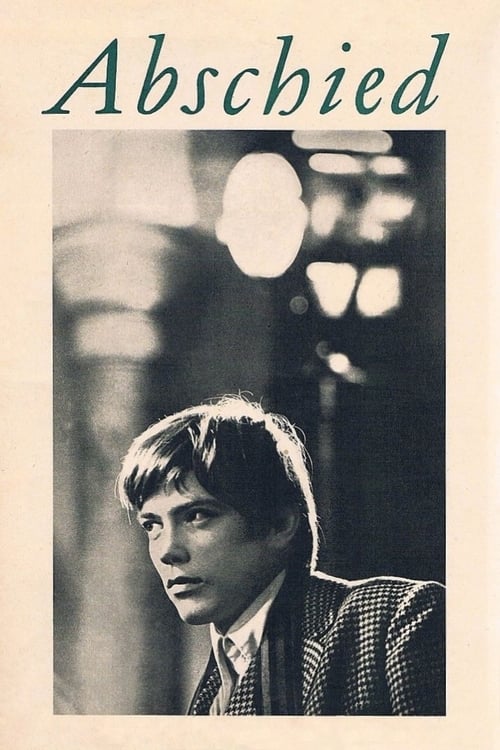
In August of 1914, amidst the public ecstasy surrounding the impending war, Hans Gastl, the young son of a Munich bürger, makes a decision: he will not take part in this war. This resolution signifies a turning point in his life; a farewell to his class and his family.
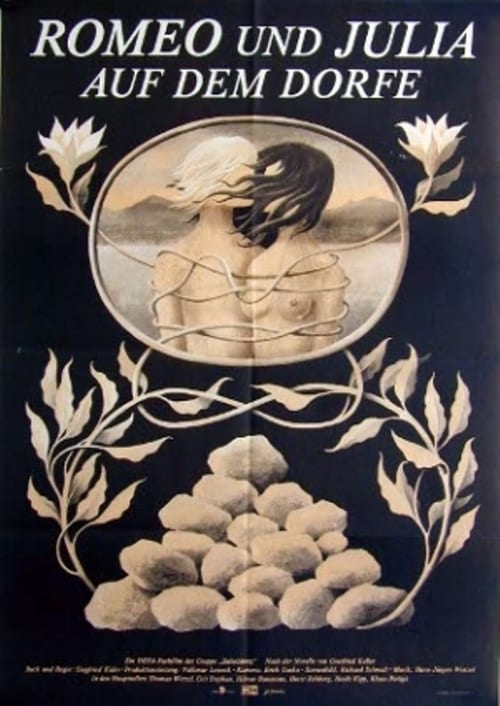
Two farmers, Grimm and Melcher, were once on friendly terms, but a petty argument over a piece of land has since turned them into implacable enemies. Their two children- Veronika and Fabian- used to be childhood friends. When they meet again as young adults, they instantly fall in love, despite the bitter feud between their families. With no hope for a future together, the two seek to end their lives in this retelling of the classic story by Shakespeare.