Acting
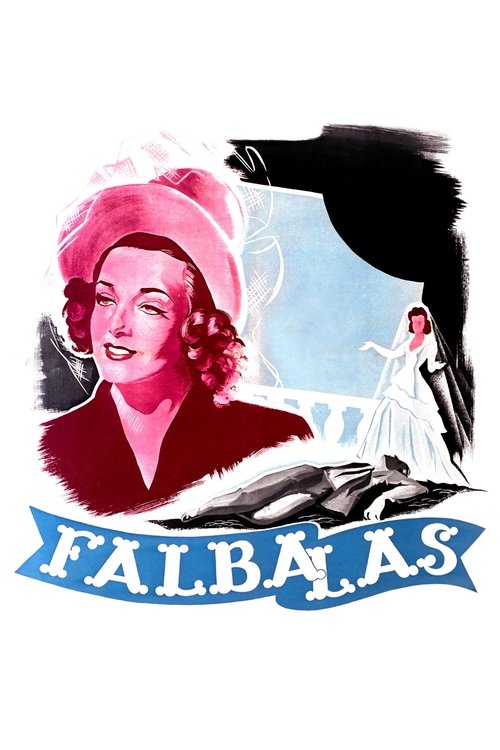
Lucrèce, a famous actress, is bothered first, then flattered by the passionate testimonies of love given to her by François, a 12th grade student infatuated with her. Taking pity on the boy, Lucrèce decides to heal him of his madness and with this in mind she invites him for a working holiday on her farm. Instead, she falls in love with the cherub. At a time, her young lover grows so jealous of her that he attempts suicide. The mature actress then understands that their love story is going nowhere. She will remain alone while François will forget her.
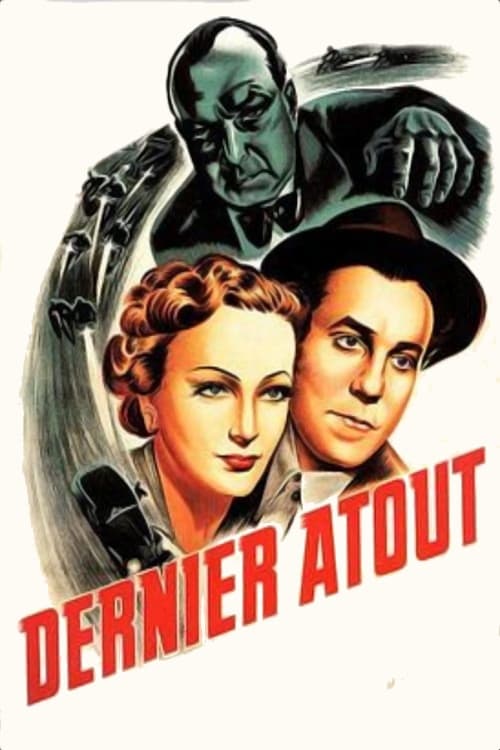
A self-assured businessman murders his employer, husband of his mistress, which unintentionally provokes an ill-fated chain of events.
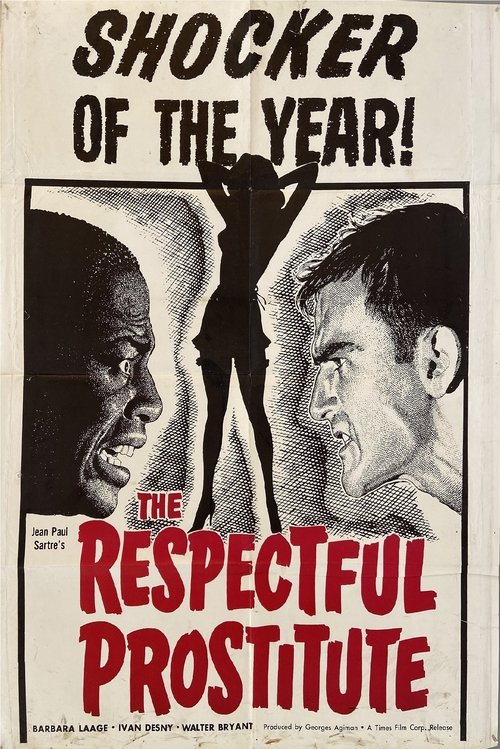
Fred, the nephew of a senator,has murdered a Black man on a train. The two only witnesses are Lizzie McKay, a prostitute from New York, and Sidney, a colored man. Fred decides to seduce Lizzie in order to make her give false evidence according to which Sidney has attempted to rape her. The uncle also puts pressure on the young woman. After much hesitation, Lizzie finally accepts but Sidney, who has nearly got lynched, takes refuge at her home...
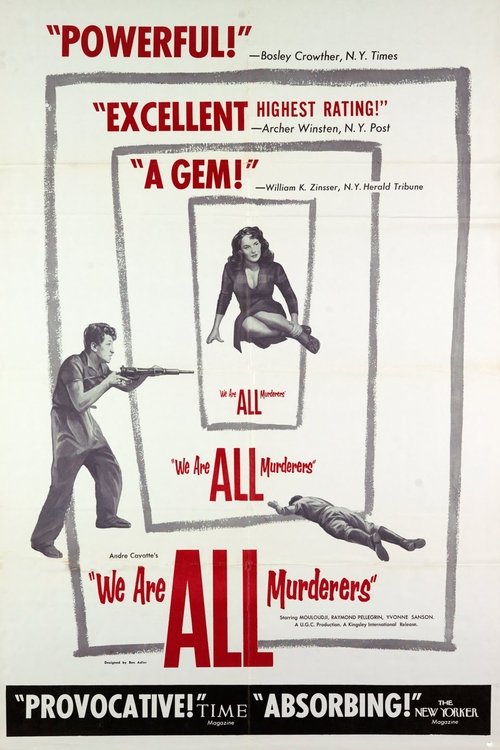
Originally titled Nous Sommes Tout des Assassins, We Are All Murderers was directed by Andre Cayette, a former lawyer who detested France's execution system. Charles Spaak's screenplay makes no attempt to launder the four principal characters (Marcel Mouloudji, Raymond Pellegrin, Antoinine Balpetre, Julien Verdeir): never mind the motivations, these are all hardened murderers. Still, the film condemns the sadistic ritual through which these four men are brought to the guillotine. In France, the policy is to never tell the condemned man when the execution will occur--and then to show up without warning and drag the victim kicking and screaming to his doom, without any opportunity to make peace with himself or his Maker. By the end of this harrowing film, the audience feels as dehumanized as the four "protagonists." We Are All Murderers was roundly roasted by the French law enforcement establishment, but it won a special jury prize at the 1952 Cannes Film Festival.
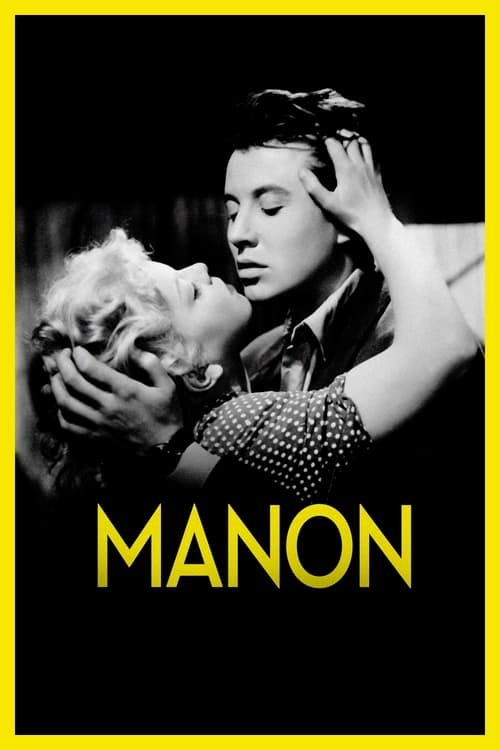
Port of Marseille, France, recently liberated from the German yoke. Caught as stowaways aboard a ship, Manon, a young woman who was accused of collaborating with the Nazis, and Robert, a freedom fighter who saved her from reprisals, tell the captain about the many challenges they have had to face in order to survive.
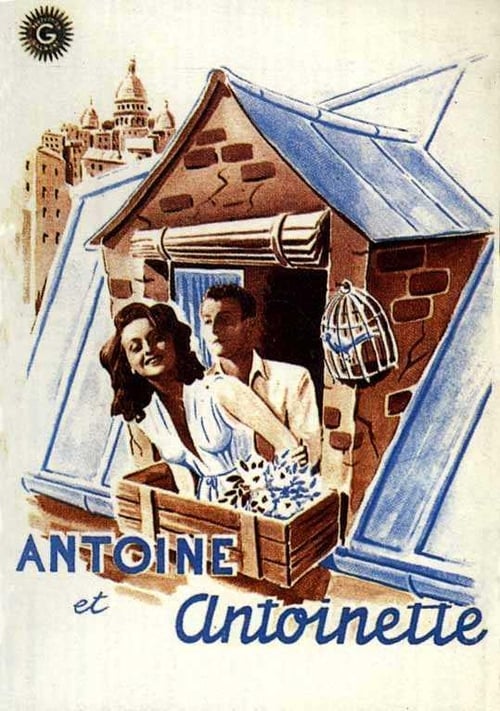
1947, in France, Antoine and Antoinette, a young couple living in Paris, lead a monotonous existence: he works in a print shop while she is a shop assistant. But one evening, they regain hope: Antoine finds a winning lottery ticket in his girlfriend's handbag. He decides to cash it in, but loses his wallet. What follows is a series of twists and turns that redefine the couple's priorities while forcing them to remain optimistic.
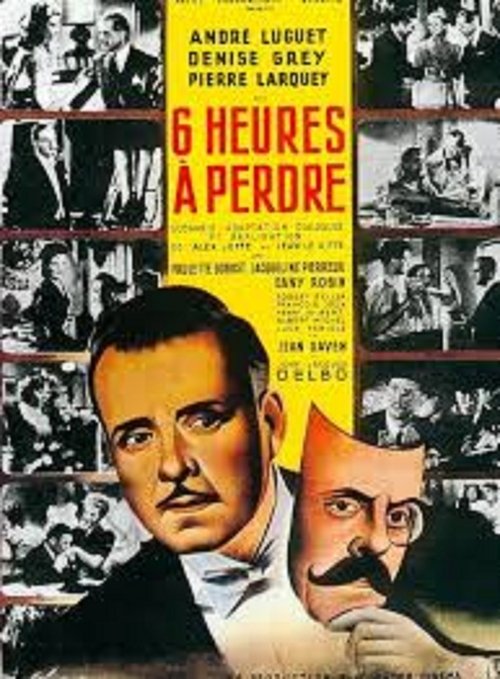
A traveller is stuck in an unknown town because his connecting train will only arrive in six hours. He decides to kill time by taking a stroll. He is not prepared to get confused with somebody else. In fact the citizens are eagerly awaiting the visit of a famous man and the clueless traveller is his doppelgänger. Soon he experiences what that means.
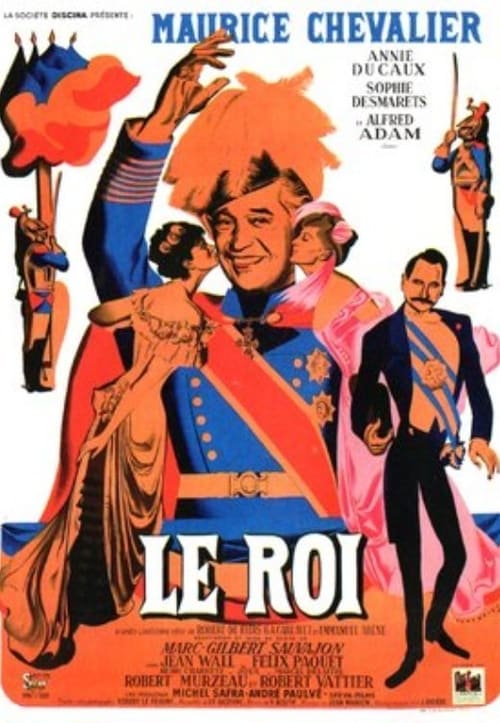
Mme Beaudrier, the wife of a Parliamentary Senator, hurls a pastry at visiting King Joan IV of Cerdagne, sparking off a series of farcical events involving all levels of the government and their mistresses.
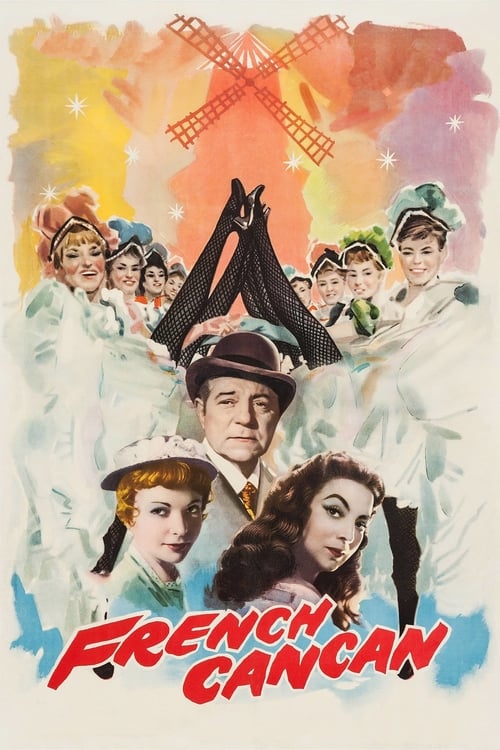
Nineteenth-century Paris comes vibrantly alive in Jean Renoir’s exhilarating tale of the opening of the world-renowned Moulin Rouge. Jean Gabin plays the wily impresario Danglard, who makes the cancan all the rage while juggling the love of two beautiful women—an Egyptian belly-dancer and a naive working girl turned cancan star.
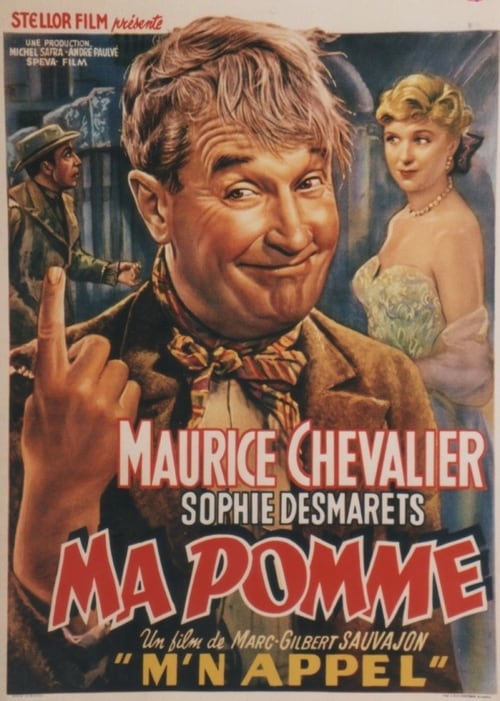
Maurice Vallier, nicknamed "Ma Pomme"(which means "myself" in slang), is a cheerful man, well aware that money does not make happiness and who, of all things, prices freedom. Which is why he has become a tramp and he has never regretted his choice of life. Things go smoothly until the day he inherits a huge amount of money. He first refuses it but changes his mind when he realizes that thanks to the inheritance he can help others. Even more enticing is the fact that he must share the big money with a charming air hostess. However once he deems he has done enough good he gives up the money left and resumes his old lifestyle singing along "Ma pomme c'est moi, j'suis plus heureux qu'un roi..."
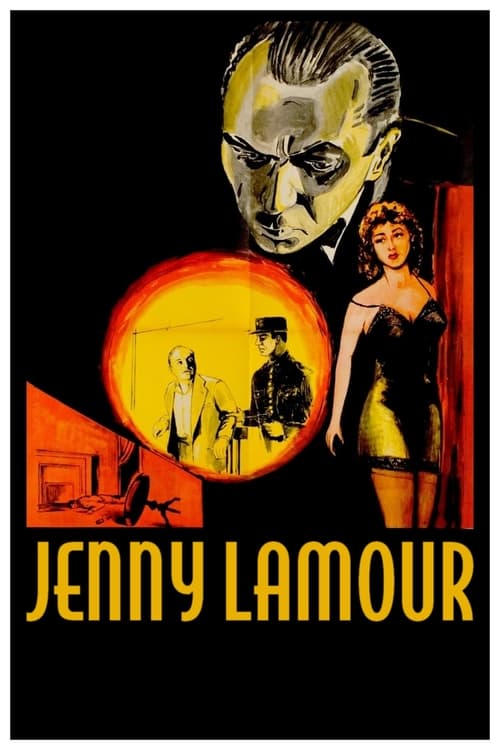
Paris, France, December 1946. Jenny Lamour, an ambitious cabaret singer, and Maurice, her extremely jealous pianist husband, become involved in the thorough investigation of the murder of a shady businessman, led by Antoine, a peculiar and methodical police inspector.
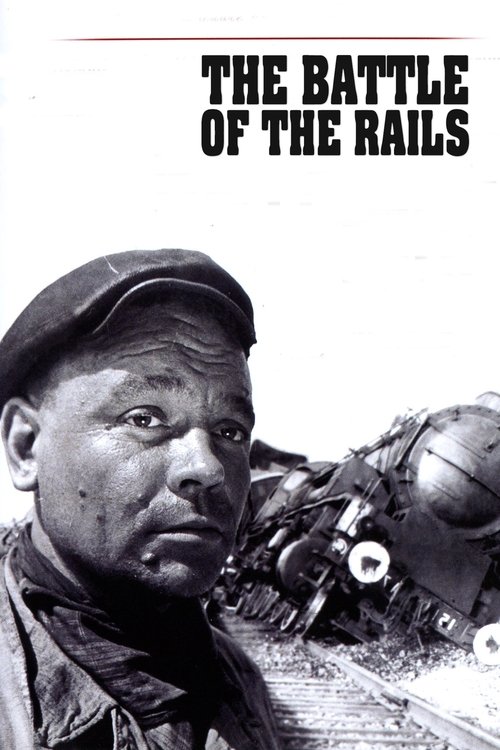
During the Second World War, many French railway workers participated in the resistance. Daily acts of sabotage, spectacular derailments: the railway network took many actions against Nazi occupation. Stationmanager Camargue and his deputy, Athos, risk their lives in managing the network in their sector.
The life story of famed French aviatrix Helene Boucher is detailed in Horizons sans fin (Endless Horizons). Giselle Pascal stars as Boucher, who is first seen in 1930, leaving her millinery shop behind in favor of the wild blue yonder. Though the world of aviation was still essentially an all-male one (despite England's Amy Johnson and America's Amelia Earhart), Boucher perseveres, eventually breaking all existing male and female speed and height records. A bit slow on the uptake in the dramatic scenes, the film soars (no pun intended) during the aerial sequences. Horizons san Fin was the winner of the Catholic Award at the 1953 Cannes Film Festival.
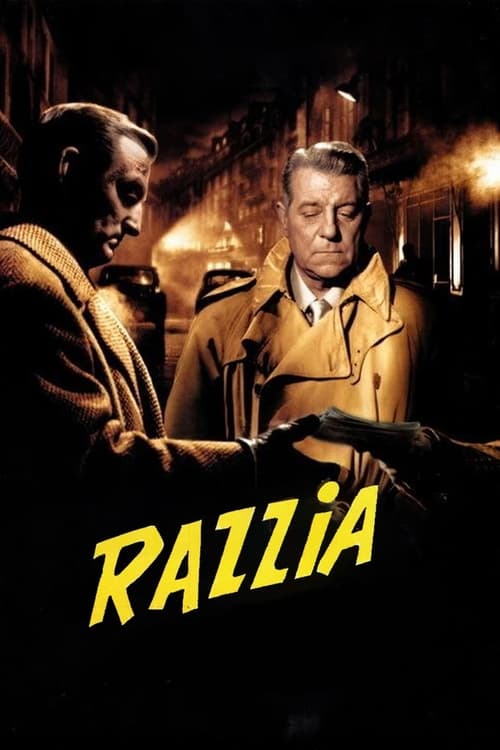
Henri, the Man from Nantes, comes back to his country after a successful stay in the United States, where he was working for Liski, the drug dealer. With the fame of being a tough guy preceding him, he sets himself to the task of knowing why the French operations were not so profitable - and soon he is master of all links of the organization. He can now get it honed to perfection - or destroy it. Only... the Police are following his every step.
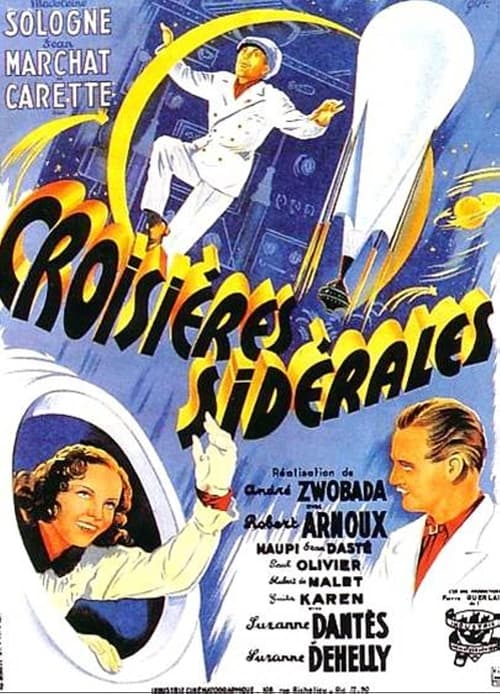
Robert and Françoise Monier make a hot air balloon to fly to the stratosphere. After a visit to Venus, they return home, but have only aged 15 days whereas 25 years have passed on Earth.
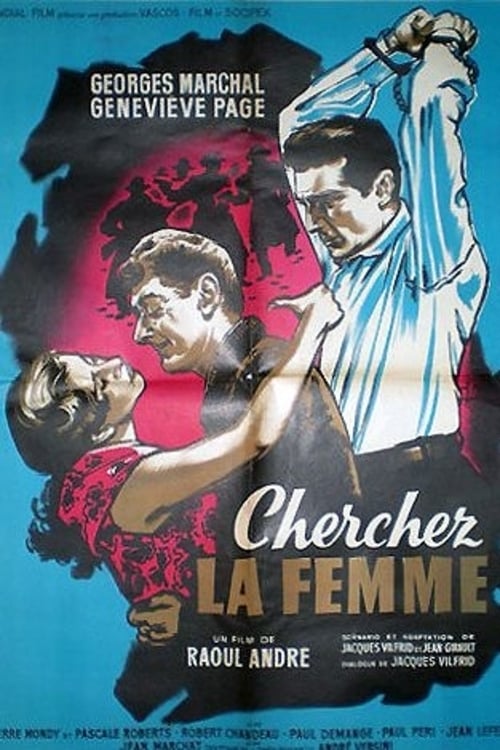
Philippe Clarence, a famous Parisian dressmaker, seduces his friend's fiancee. But, for the first time in his life, this is for real. The film is also a sharp picture of the fashion world.
A man is shot In the hotel of an imaginary South American country. Clarence and Montès, two inspector students, must solve this murder, but they don't know that dead guy is the USA public enemy No.1.
Barbara Van Looren is the lively, clever daughter of the well-known shipowner. For her, life is a breeze, even when she's kidnapped by Mike Cortez's men. A young journalist, Mercier, who tried to defend her and was forced to follow her, doesn't share her optimism and manages to escape. Barbara is sequestered because her father has caught wind of a diamond deal. If he renounces the customs action, his daughter will be returned to him. Mercier, with the help of a couple of loyal friends, discovers the instigator of the traffic, a member of the board of directors, and finds Barbara, still as petulant as ever.
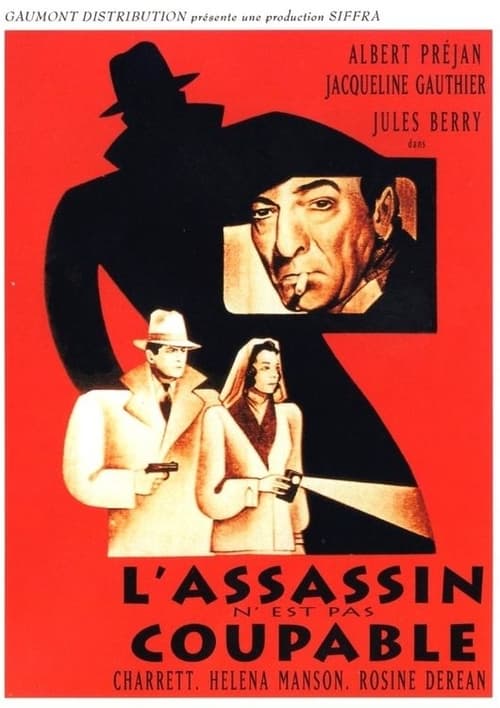
In a film studio, several actors are the victims of attempted murders. Julien Brisseau, a writer, decides to use these facts as the backbone of his new novel. But while he is working on his detective story, young actors are actually killed. Julien thence gets suspected by police inspector Vétillard. To clear his name, Julien undertakes to investigate and find the killer on his own.
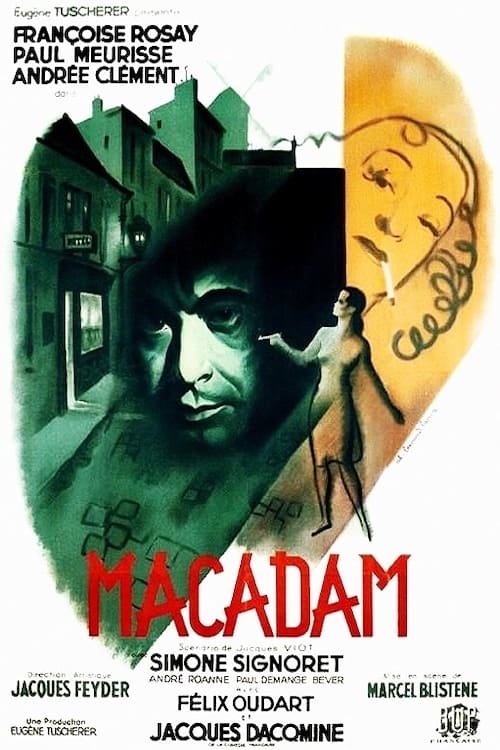
Madame Rose runs a seedy hotel in a suburb of Paris. Strong-minded but without the least moral scruple, she once killed her husband whose honesty was a hindrance to her business. Under a suspended sentence, she now indulges in smuggling. One day, Victor, one of her former accomplices hounded by the police, finds sanctuary with her. During a drinking spree, he has the bad idea to entrust to her a suitcase filled with bank notes, a loot with which Victor hopes to rebuild his life in South America. But Rose, lured by temptation, betrays Victor, who is arrested by the police. However, he manages to escape with only one thing in mind, to take revenge on Rose...