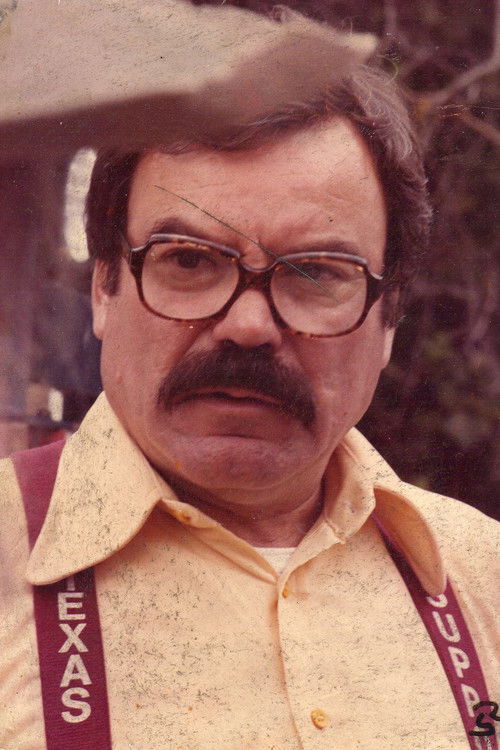
Gonzalo Martínez Ortega
Directing
Biography
Gonzalo Martínez Ortega (27 April 1934 – 2 June 1998) was a Mexican actor, director, screenwriter and producer. He directed thirteen films and television series between 1973 and 1996.
Known For

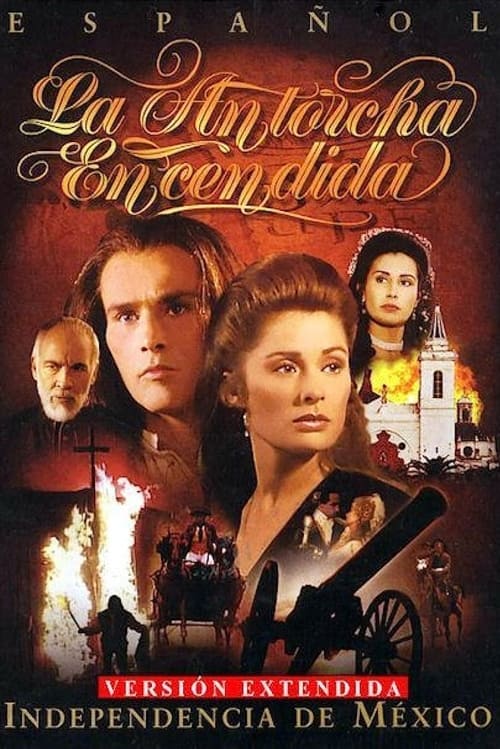
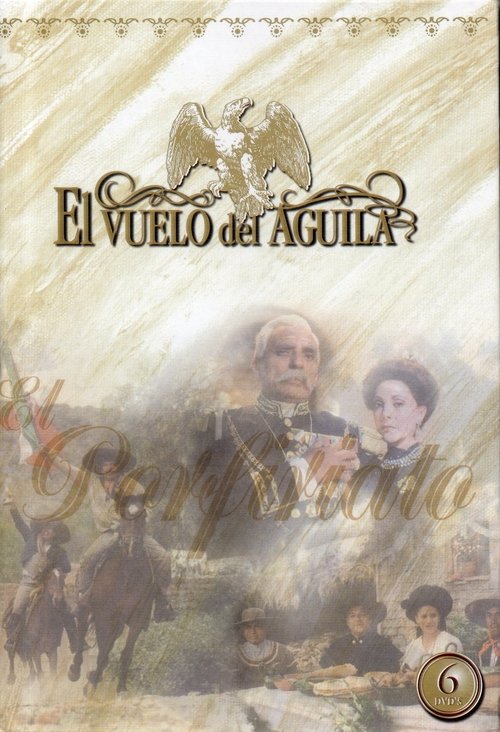
A Mexican telenovela produced in 1996. It was the last historical telenovela produced by Televisa. The plot tells the Independence of Mexico, with an emphasis on historical accuracy.
La antorcha encendida
No description available.
Luz y Sombra

No description available.
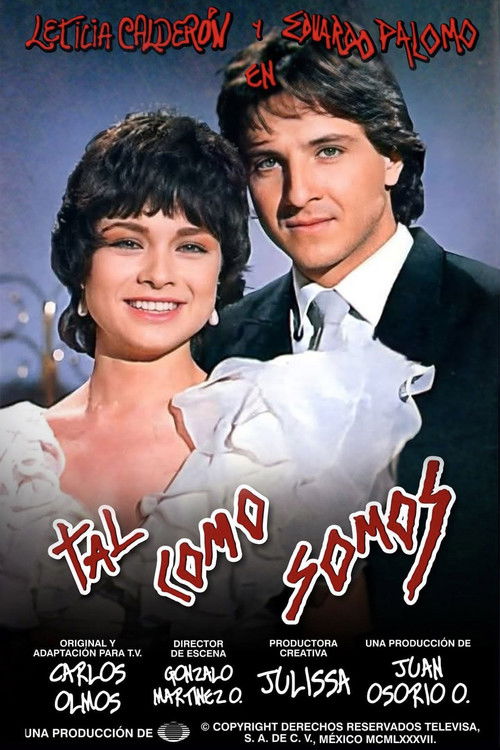
Tal como somos

No description available.
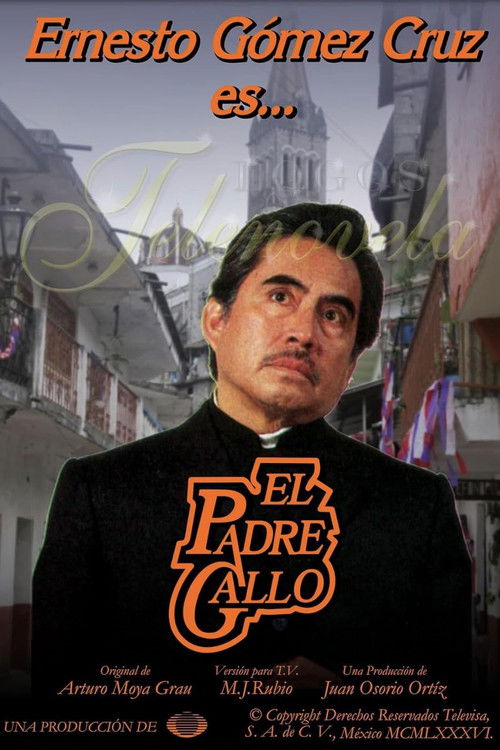
El padre Gallo

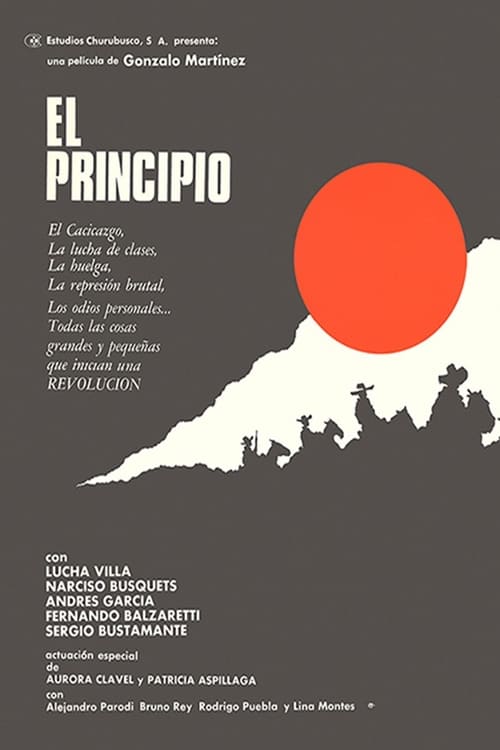
Mexico is in the midst of Revolution when the protagonist returns after studying in Paris to find his native town in Chihuahua occupied by Francisco Villa’s revolutionary forces. He visits his deserted home and remembers people and events from his adolescence that provide glimpses of pre-Revolutionary society under dictatorship: his uncle, the chief of police; his sister’s involvement with a liberal political association; bathing with the girls from a local brothel; a labor strike that ended in a massacre. Returning to the present he discovers that his father has been assassinated and, in the company of his father’s former servant, joins the revolutionary movement.
El principio

No description available.
El vuelo del águila

Alberto Aguilera arrives from Ciudad Juárez to the capital to pursue a career in music, but in the midst of confusion he is accused of stealing and is sent to prison.
It's my Life

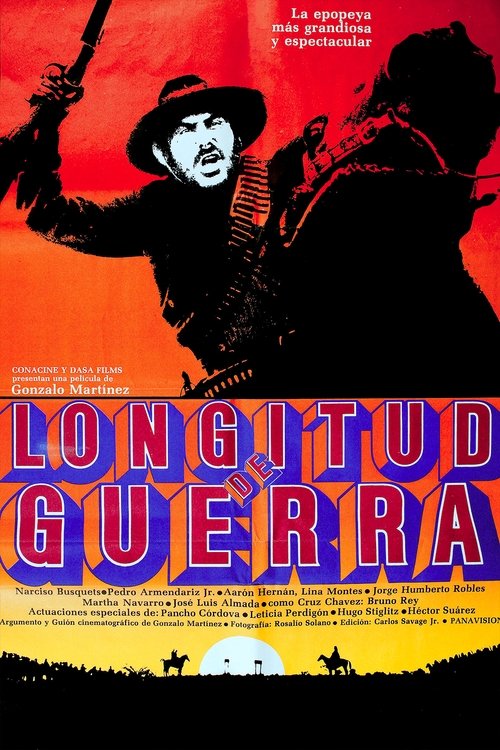
Based on the novel Tomochic by Heriberto Frías; tells the story of the rebellion of the inhabitants of the village of Tomochi, Chihuahua, against the government of Porfirio Diaz in 1891. Mexico's submission for the Academy Award for Best Foreign Language Film in 1976.
Longitud de Guerra

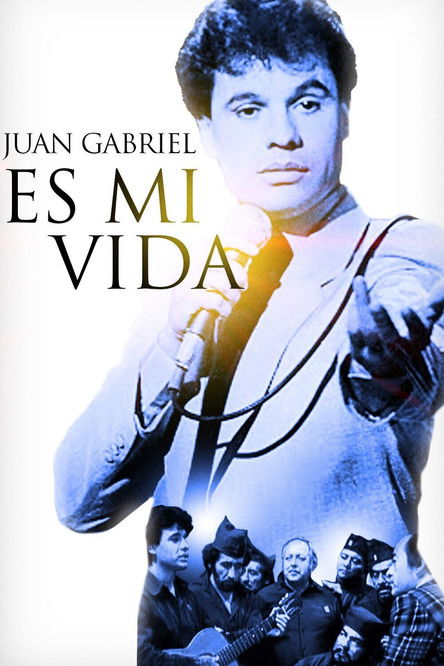
Juan Gabriel became one of the most popular Mexican singer-songwriters, beginning his career in this Ciudad Juárez cabaret. This is his story.
El Noa Noa

No description available.
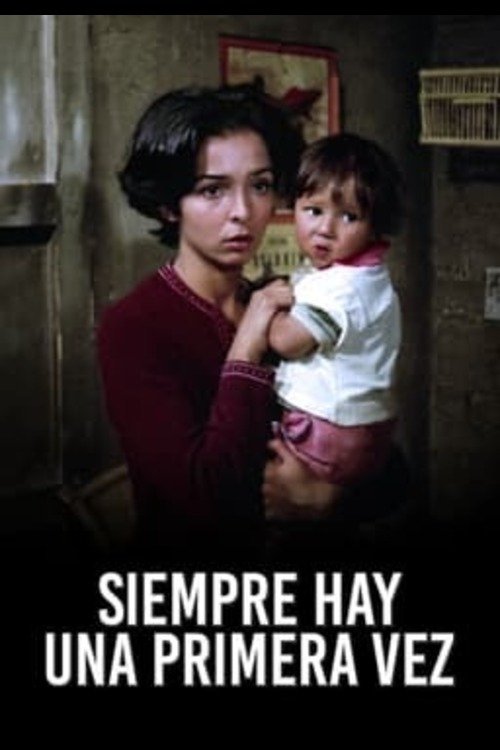
There's Always a First Time

Three interwoven stories where the characters experience deception, passion, love and rejection.
Tú, yo, nosotros

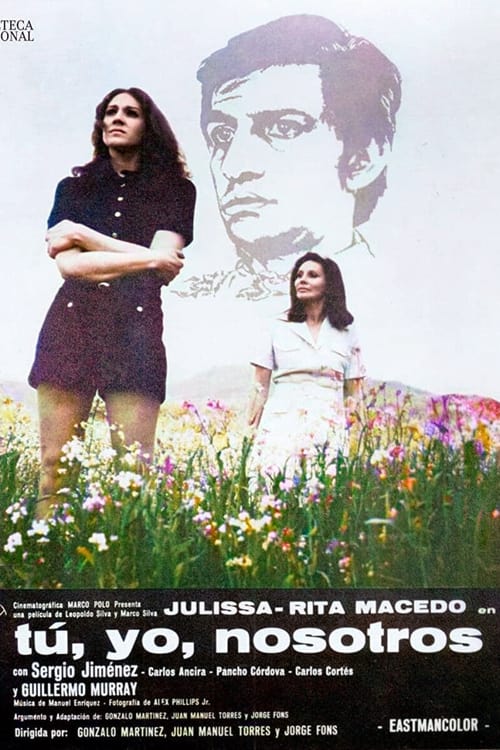
Among Chicanos in Los Angeles, young Alberto lives with the family of Dany, his older brother. Alberto studies at UCLA with the support of Professor Bob. Another young man, Jimy Joe, who lives with his sister Estela, is encouraged to quit drugs at a youth rehabilitation center coordinated by Many. Estela sees Jimy Joe being beaten up by gang members. Disillusioned with a gringa, Alberto meets Estela at a nightclub and becomes her boyfriend. Jimy Joe and his friends are surprised by a gang, and he is the only one left alive after a fierce fight, but with a fractured skull. The operation is very expensive, so Alberto and Many decide to raise funds with a show at the Convention Center. Alberto triumphs there as a composer and singer. Now saved, Jimy Joe dances in the street to one of Alberto's songs with Alberto, Estela, and others.
Del otro lado del puente

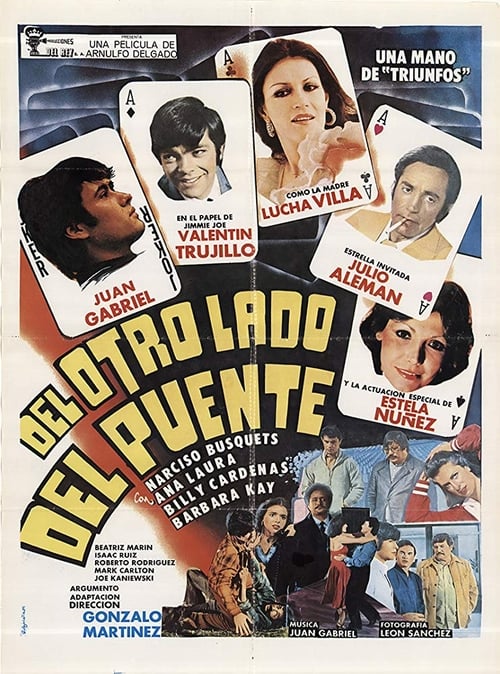
Aristocratic family in decline, ascendency of a new moneyed class.
El jardín de los cerezos

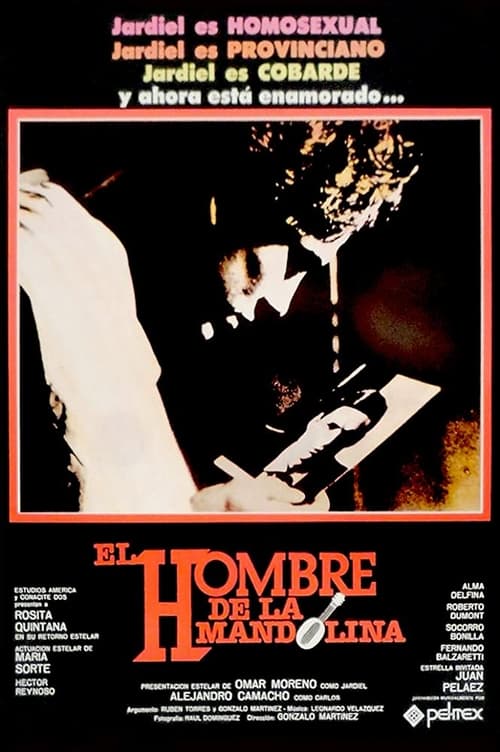
Towards the end of the 1950s, a young homosexual faced life, society, a dominant mother, and a conservative home.
El hombre de la mandolina

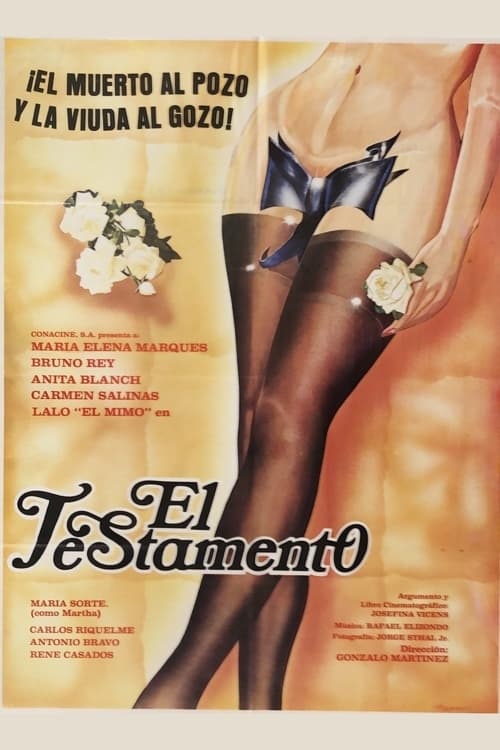
After the death of her husband the industrialist, unprepared trophy-wife takes over the management of his business concerns.
El testamento
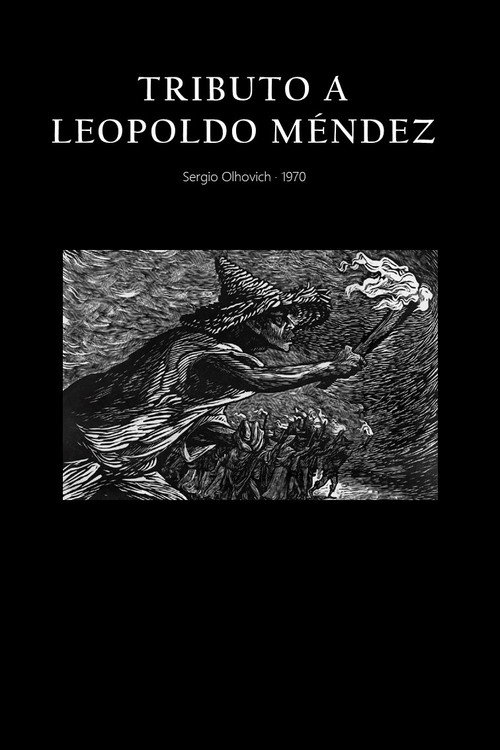
Tribute to Leopoldo Méndez, a prominent Mexican artist, considered the most important printmaker in Contemporary Mexico
Tribute to Leopoldo Mendez

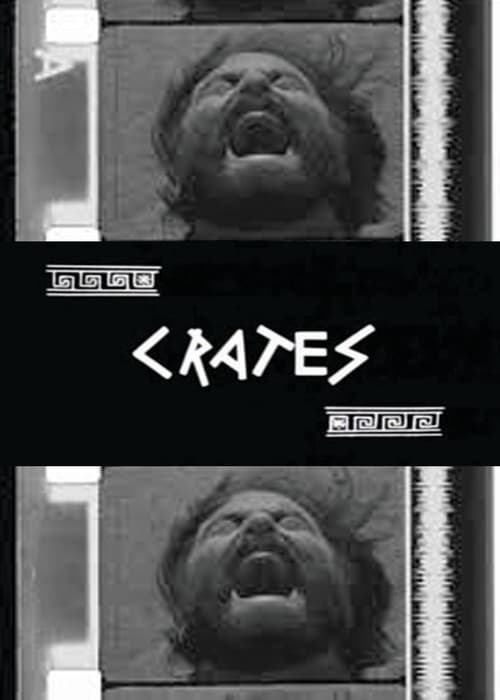
A man renounces all of his personal possessions. Looking for liberty, he goes with his girlfriend to live in a cave, away from the corruptions of the material world.