Directing
An anthology of short plays shown on BBC Television between 1965 and 1973, used in part at least as a training ground for new writers, on account of its short length, and which therefore attracted many writers who later became well known.
An anthology of plays and novels adapted into feature length TV movies, broadcast on BBC2 from September 1977 to April 1979.
Anthology series of half hour plays produced in BBC's Television Centre's studios.
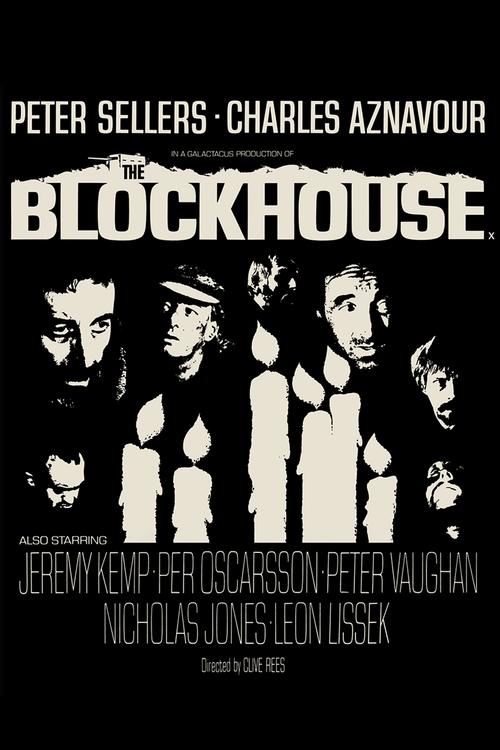
A group of Slave workers, drafted by the Nazis to help construct their coastal defences in 1944, are trapped in an underground bunker when the Allies land at Normandy on D-Day. They find huge stores of food, but not enough candles. The slow dying of the light parallels their increasing boredom, illness, and jealousy during their entrapment. Based on the Novel 'Le Blockhaus' by Jean Paul Clebert
A pair of children befriend an eccentric old man, who lives isolated on the far shore of their island home. But it turns out that the old man knows a terrible secret about the island and the whales who sometimes come. Meanwhile WWI is making life hard in the village.
The relationship between a psychoanalyst and his seductive, unhappily married patient troubled by psycho-sexual nightmares becomes dangerously intimate as they gradually reveal dark secrets from their pasts.
A married couple treat themselves to a day out just by themselves. But the occasion is ruined by the husband's roving eye.
This film surveys the history of Germany's political systems from Charlemagne to modern times, looking at the regional differences that were the inheritance of the independent states of the 18th century and considering the 19th-century wars of unification, World War I, and Nazism.
A BAFTA award nominated documentary intended for secondary schools exploring the three distinct geographical regions of Germany from a British perspective.
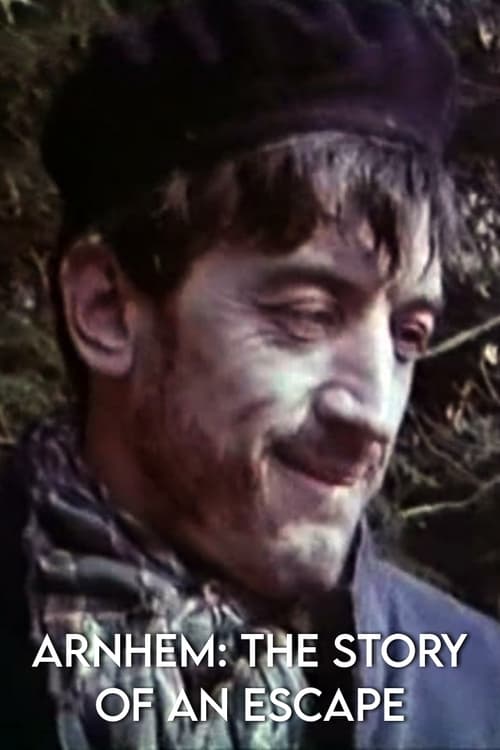
Graeme Warrack was Divisional Chief Doctor of the 1st Airborne Division at the Battle of Arnhem in September 1944. With other doctors, medical personnel and padres, he stayed behind with the wounded. The first improvised hospital was a German-occupied Dutch military barracks at Apeldoorn. From here, the wounded were transported to prisoner of war camps in Germany. As the last of the wounded left, Colonel Warrack escaped.