FEEL IT.STREAM
Antonio Carlos da Fontoura

Antonio Carlos da Fontoura

Directing

Biography

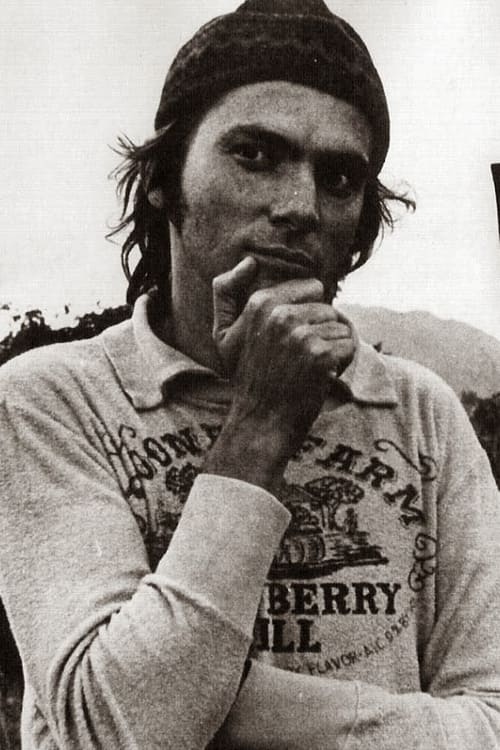
A Brazilian film director, screenwriter and producer, Antonio Carlos da Fontoura was born in 1939, in the city of São Paulo. He wrote and directed a number of documentary shorts and feature-length films, including "Copacabana Me Engana" (1968), "A Rainha Diaba" (1974) and "Gatão de Meia Idade" (2006). Fontoura has also had a prolific work in TV, creating and writing soaps "Vidas Opostas" (2006), "Amor e Intrigas" (2007) and miniseries "Chapadão do Bugre" (1988) and "Capitães da Areia" (1989).


Known For

Brava Gente
8.0

Brava Gente was a television series aired by TV Globo in Brazil between 2000 and 2003, initially as a special year-end. The program was adapted from stories and national stories, and plays by famous playwrights, screenwriters and signed by a number represented by several actors and actresses. The genres of the stories varied each week with the style of each director or author. Brava Gente in the stories ranged from comedies and dramas. In all 53 episodes were shown, broadcast on Tuesday nights.

Brava Gente

2000
Plantão de Polícia
7.0

No description available.

Plantão de Polícia

1979
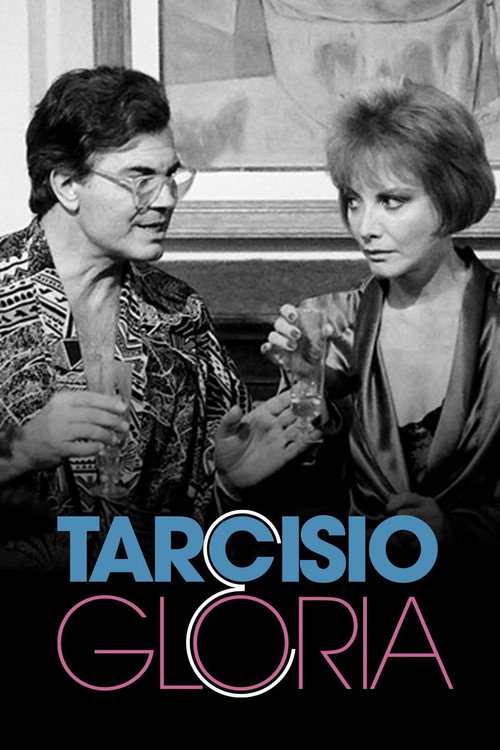
Tarcísio & Glória
8.3

No description available.

Tarcísio & Glória

1988
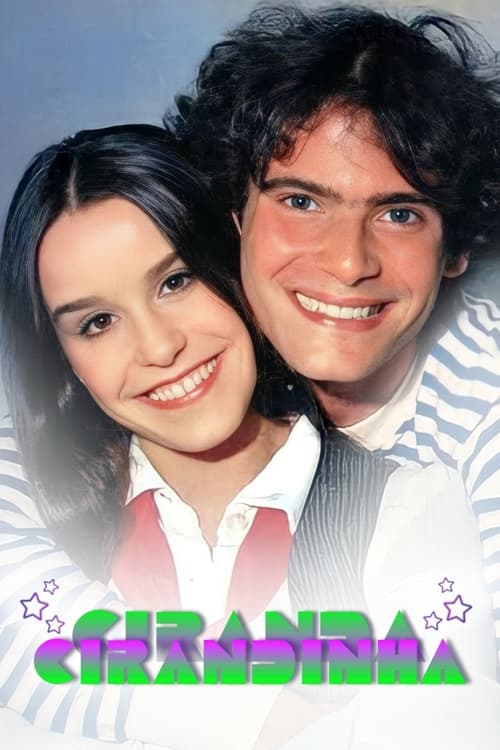
Ciranda, Cirandinha
9.0

No description available.

Ciranda, Cirandinha

1978
Milton Gonçalves, Além do Espetáculo
N/A

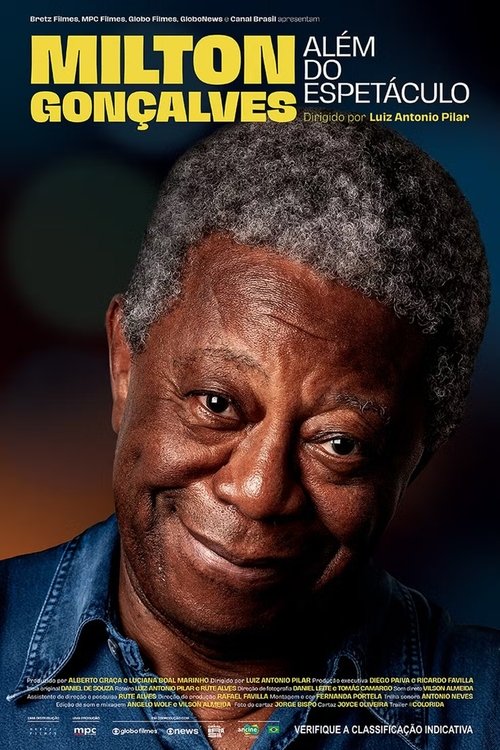
This biopic documents the life and work of one of Brazil’s most prolific artists: Milton Gonçalves. This actor and director are credited with more than sixty television titles, seventy movies and twenty plays. Known from classic full-length features like Macunaíma, They Don't Wear Black Tie and Kiss of the Spider Woman, his dramatic versatility also encompasses major Brazilian soap operas, including O Bem Amado and Roque Santeiro. With his talent, he overcame barriers faced by many Black performers in Brazil. An active on-screen and on-stage presence since the 1950s, his name is synonymous with the history of Brazilian television, theatre and cinema, making him a landmark talent in the performing arts world.

Milton Gonçalves, Além do Espetáculo

2025
Memórias do Grupo Opinião
N/A

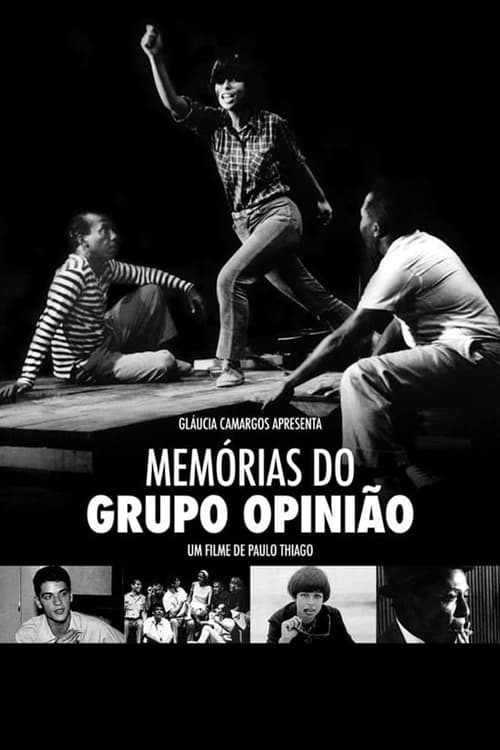
Follows the story of Opinião, a theatre group created in 1964 during the early Brazilian dictatorship period to oppose the government through artistic performances. Considered the first left-wing response to the dictatorship, the group gathered now famous Brazilian artists such as Nara Leão, Maria Bethânia, João do Vale and Millôr Fernandes.

Memórias do Grupo Opinião

2019
Armando Costa: “Televisão pra Mim Não é Bico”
N/A

Armando Costa was one of Brazil's most successful authors, both in terms of audience and critical acclaim, responsible for shows like "A Grande Família" and "Malu Mulher." Despite this, he didn't care about fame or signing his works.

Armando Costa: “Televisão pra Mim Não é Bico”

2024
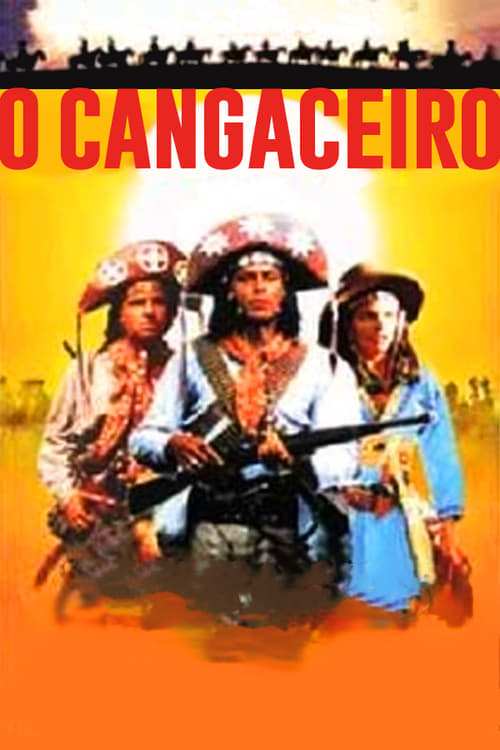
O Cangaceiro
7.2

This is a remake of Brazil's first international success in the cinema world. Just as its same name predecessor was, this film is a fictional version of the story of the "cangaceiros." These were bandits who sacked towns and spread terror throughout Northeastern Brazil in the 1930s. This group of outlaws is led by Captain Galdino and his wife Maria Bonita.

O Cangaceiro

1997
Domingos
2.0

A look into the life and mind of Brazilian playwright and filmmaker Domingos Oliveira through his daily activities and artistic deeds.

Domingos

2009
Gatão de Meia Idade
4.8

Forty-year-old Cláudio is always looking for a romantic relationship. His routine changes when he has to take care of his 12-year-old daughter: women no longer look at him and the conquest tactics have no effect.

Gatão de Meia Idade

2006
We're So Young
6.8

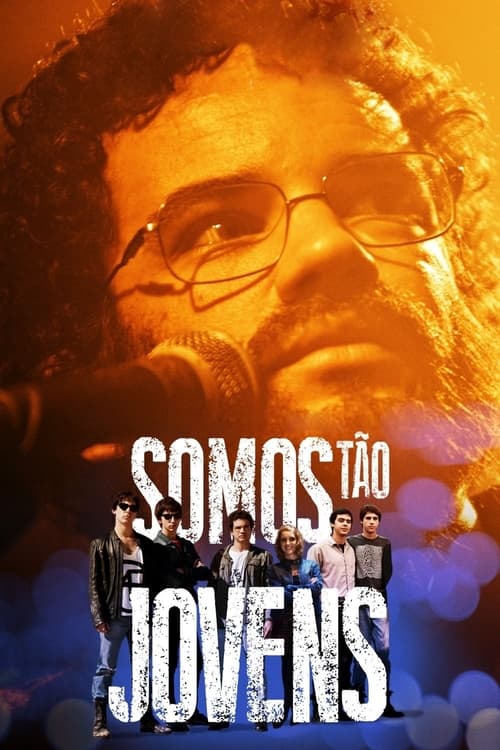
The life of Renato Russo, from his first involvement with music, to his years in the punk rock band Aborto Alétrico, to the formation of Legião Urbana, in the Brasília rock scene of 1970s and 1980s.

We're So Young

2013
The Devil Queen
6.3

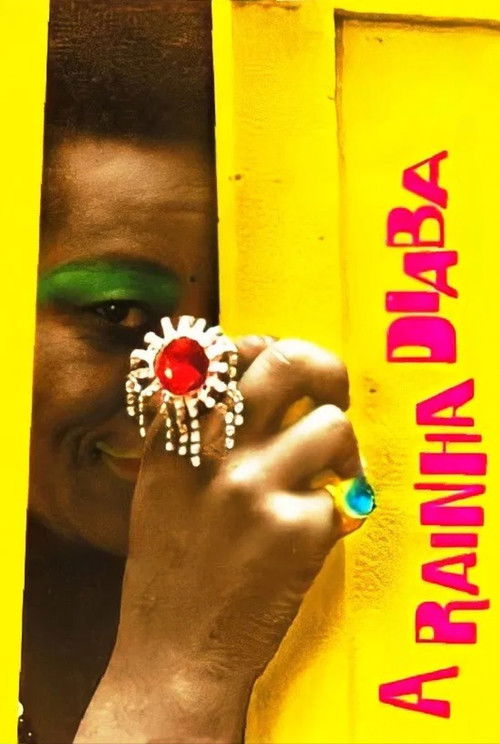
Rio's criminal underworld is run by an unexpected boss: a femme Queen with a taste for power and violence. But heavy lies the crown: what Queen can trust her subjects, however fabulous? When she sets up a stoolie to take the fall for her boy, a plot against Her Majesty arises!

The Devil Queen

1974
O Sol - Caminhando contra o vento
N/A

Documentary about the 68-generation, told through the story of the newspaper “O Sol”, one of the first vehicles of the alternative Brazilian press, produced daily for six months, in the 1960s. The newspaper spoke of culture, politics and education through satires and prominent figures in the cultural scene of the time passed through him. Archive scenes and music from the period seek to reconstitute the spirit of the 68-generation. The film has the participation of personalities such as Ziraldo, Zuenir Ventura, Arnaldo Jabor, Chico Buarque, Caetano Veloso, Carlos Heitor Cony, Fernando Gabeira, Betty Faria, Hugo Carvana, among others.

O Sol - Caminhando contra o vento

2006
Copacabana Fools Me
7.2

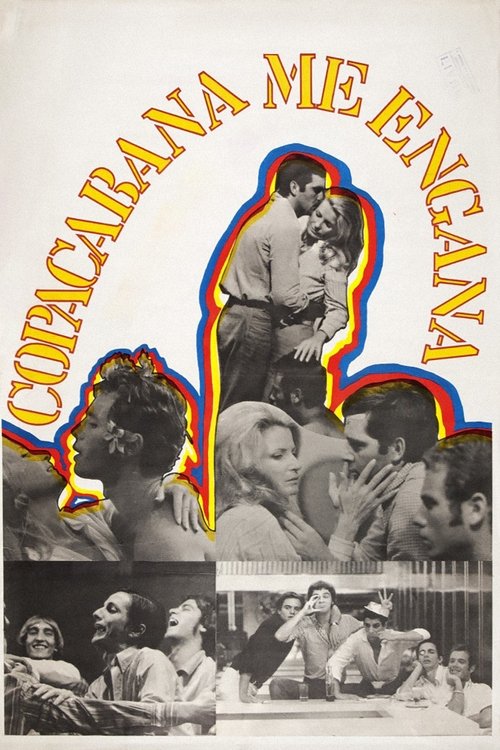
Marquinhos is in his early 20s and lives in Copacabana with his petits bourgeois parents and older brother. He doesn't have a job, he doesn't go to school, he just lives on the spur of the moment, watches TV, plays soccer on the beach by day and goes out with his mates by night. He meets Irene, a 40 year-old woman and they have a love affair that is going to change his life - for a while.

Copacabana Fools Me

1969
Mirror of Flesh
4.3

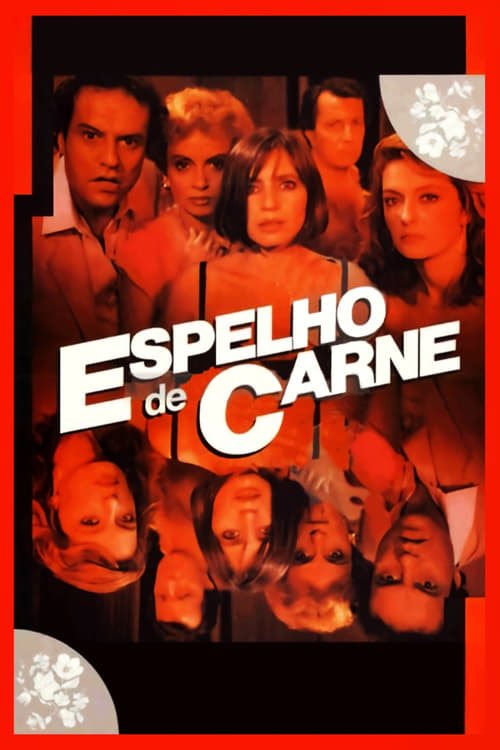
A mirror bought in an auction changes the life of an executive and his wife. They become sexually aroused under the influence of the strange object, which belonged to a bordello in the past. Soon the friends who come to pay a visit also become affected by it.

Mirror of Flesh

1984
My Home Is Copacabana
6.9

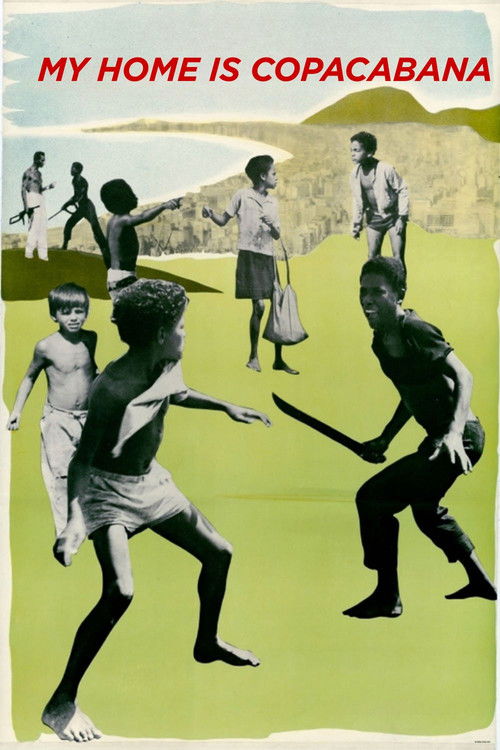
Arne Sucksdorff’s drama follows four homeless children—Jorginho, Rico, Lici, and Paulinho—struggling to survive in the Rio de Janeiro slums. They shine shoes, scavenge food, and pickpocket while dreaming of escape from the streets. When Rico, once escaped from a brutal institution in Caxambu, falls ill, he chooses to return there rather than die outside. A somber portrait of poverty and resilience, the film was selected for the 1965 Cannes Film Festival.

My Home Is Copacabana

1965
The Beggars
9.0

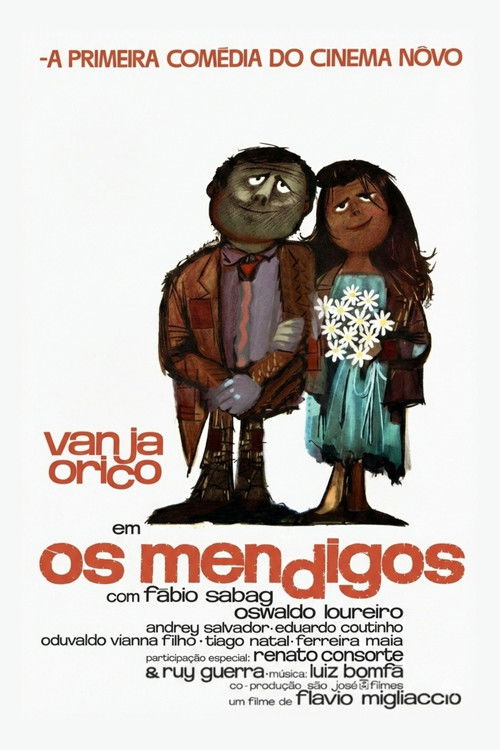
A young female fugitive escapes from a juvenile institution (the Child Assistance Service) and joins a group of poor beggars with the intention of finding a potential partner to marry in order to avoid her return to that place.

The Beggars

1963
Dunas do Barato
5.5

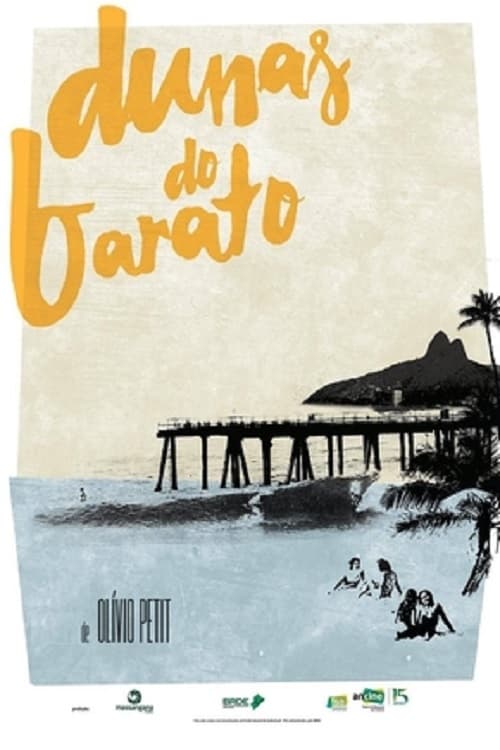
A rescue of the history of Ipanema beach in the 1970s, when the construction of a pier changed the landscape and created fertile soil for a generation of artists and sportsmen.

Dunas do Barato

2017
Uma Aventura do Zico
4.0

Rich and spoiled kid, frustrated for not being chosen to join the soccer lessons his idol Zico was going to give, asks his father to clone the player. But a small girl smells something fishy going on and asks her friends to help save the Brazilian soccer star.

Uma Aventura do Zico

1998
My Name is Gal
8.3

Gal Costa in her privacy. Unkempt hair, colorful clothes, many necklaces and rings, she and the streets of downtown Rio. She laughs a lot, gestures and sings. Rio's landscapes such as Lage Park, a quiet place in the neighborhood of Gávea, an active factory.

My Name is Gal

1970