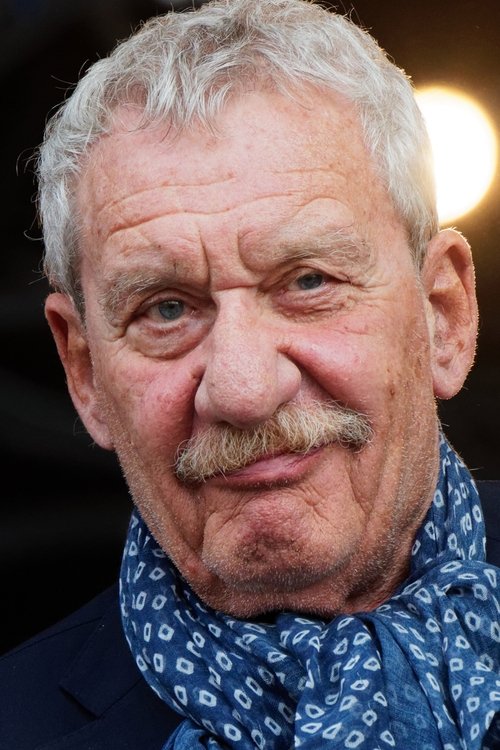
Paolo Conte
Sound
Biography
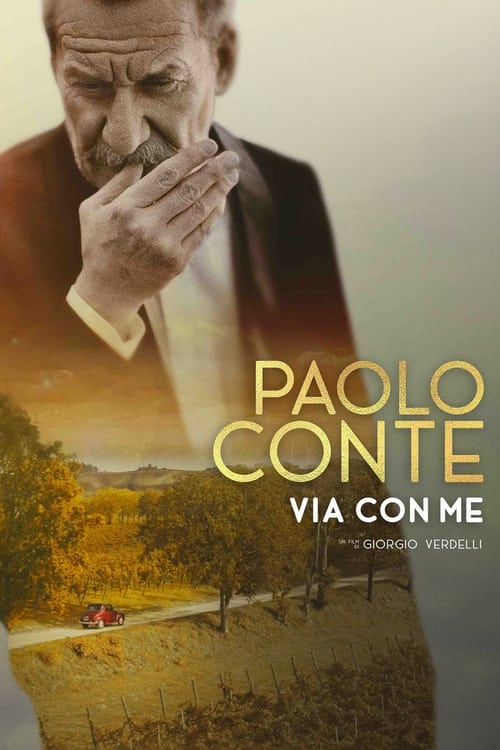
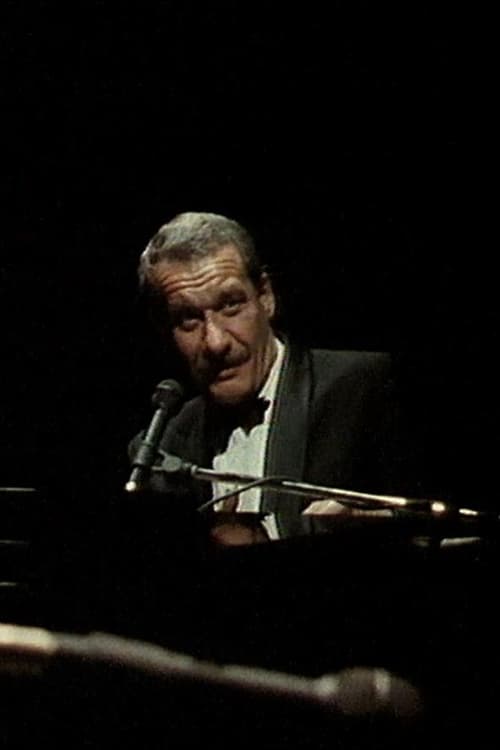
Paolo Conte (born 6 January 1937) is an Italian singer, pianist, songwriter and lawyer, known for his distinctly grainy, resonant voice. His compositions fuse Italian and Mediterranean sounds with jazz, boogie and elements of the French chanson and Latin-American rhythms. Conte was born in Asti, Piedmont. His parents were avid jazz fans, and Conte and his brothers Giorgio and Paolo spent their formative years listening to a lot of early jazz and blues recordings. After obtaining a law degree at the University of Parma, Conte started working as an assistant solicitor with his father, simultaneously pursuing his musical studies. He learned to play the trombone, the vibraphone and the piano, and after being part of several local bands formed a jazz ensamble with his brother on drums, the Paul Conte Quartet, with whom he made his record debut with the EP The Italian Way To Swing. In 1964, Paolo and Giorgio Conte were put under contract by Clan Celentano, and Paolo Conte made his official debut as composer with Vanna Brosio's "Ed ora te ne vai". In the following years, often paired with lyricist Vito Pallavicini, Conte penned hit songs for Adriano Celentano ("Siamo la coppia più bella del mondo", 1967, and "Azzurro", 1968), Caterina Caselli ("Insieme a te non ci sto più", 1968), Fausto Leali ("Deborah", 1968) and Enzo Jannacci ("Messico e nuvole", 1970). In 1974, at his producer Lilli Greco’s insistence, Conte recorded his first album, Paolo Conte, containing his classic "Onda su onda". The following year, he released another eponymous album, which included the classics "Genova per noi", "La topolino amaranto", and "La ricostruzione del Mocambo". In 1976, Conte held his first solo concerts at Club Tenco in Sanremo and at Teatro Laboratorio in Verona. In 1979, he released his third album, Un gelato al limon, produced by Claudio Fabi and featuring two of his better known songs, "Bartali" and "Sudamerica". Together with its 1981 followup Paris Milonga, which included his signature song "Via con me", the album marked the breakout of Conte. In 1983, he moved from RCA Italiana to CGD and released a third eponymous album, which got him two Targa Tenco prizes for best album and best song ("Sotto le stelle del jazz"), and marked a more explicit embrace of jazz music. Following the release of the album, he held long European and North American tours, gaining particular success in France, where he performed at Olympia for six consecutive days of sold-out concerts. In 1985, he released his first live album, Concerti, recorded between Théâtre de la Ville in Paris, Teatro Morlacchi in Perugia and Teatro alle Vigne in Lodi. In 1987, he released the double album Aguaplano, which again won the Targa Tenco for best album. ... Source: Article "Paolo Conte" from Wikipedia in English, licensed under CC-BY-SA.