Ram Dass
Acting
Biography
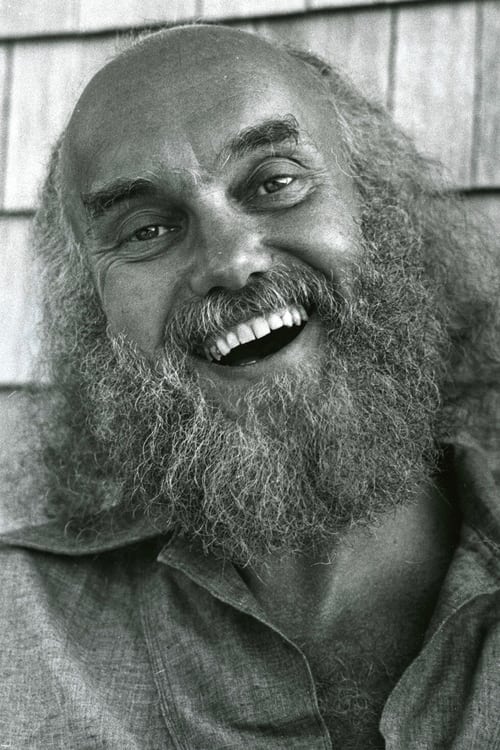
From Wikipedia, the free encyclopedia Ram Dass (born Richard Alpert; April 6, 1931 – December 22, 2019), also known as Baba Ram Dass, was an American spiritual teacher, academic and clinical psychologist, and author. His books include the 1971 Be Here Now. He founded the charitable organizations Seva Foundation and Hanuman Foundation.
Known For

The story of legendary comedian Garry Shandling, featuring interviews from nearly four dozen friends, family and colleagues; four decades’ worth of television appearances; and a lifetime of personal journals, private letters and home audio and video footage.
The Zen Diaries of Garry Shandling

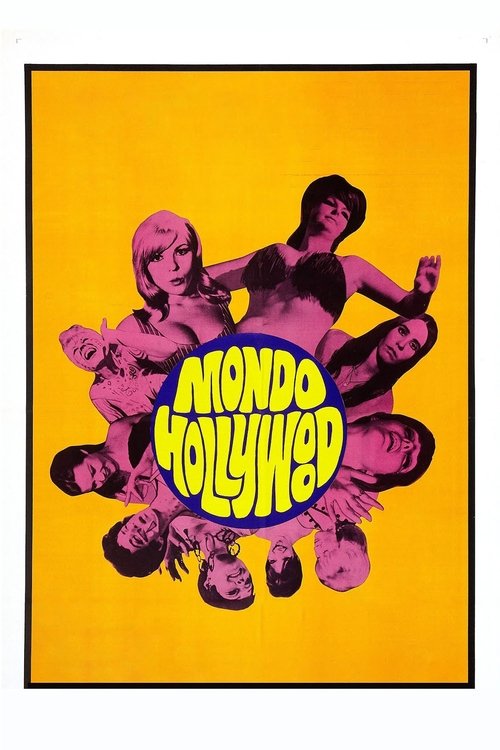
A documentary analyzing the social, political and cultural climate of Hollywood in the mid-1960s.
Mondo Hollywood

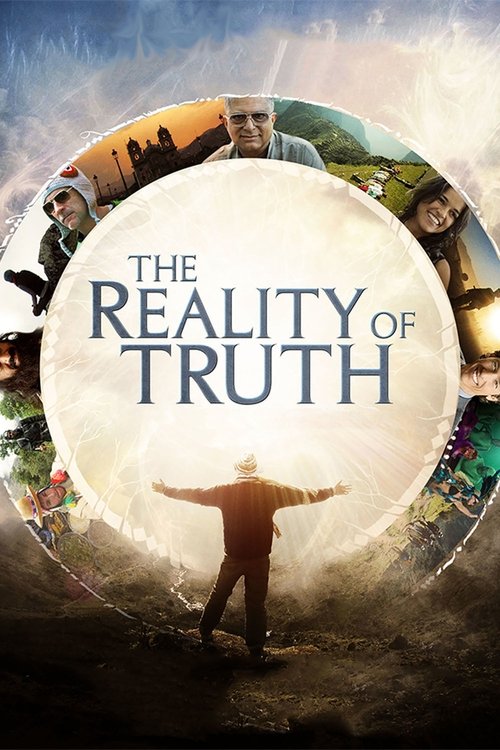
In this documentary, "Zappy" Zapolin interviews spiritual gurus, celebrities, and people of various faiths about the relationship between spirituality, religion, and psychedelics—in their beliefs and in their experiences.
The Reality of Truth

Also known as Walden, Jonas Mekas’s first diary film is a six-reel chronicle of his life in 1960s New York, interweaving moments with family, friends, lovers, and artistic idols. Blending everyday encounters with portraits of the avant-garde art scene, it forms an epic, personal meditation on community, creativity, and the passage of time.
Diaries, Notes, and Sketches

CRAZY WISDOM explores the arrival of Tibetan Buddhism in America through the story of Chögyam Trungpa, who landed in the U.S. in 1970. Trungpa became renowned for translating ancient Buddhist concepts into language and ideas that Westerners could understand and shattered preconceived notions about how an enlightened teacher should behave. Initially rejected, his teachings are now recognized by western philosophers and spiritual leaders as authentic and profound.
Crazy Wisdom: The Life and Times of Chögyam Trungpa Rinpoche

1 Giant Leap is a concept band and media project consisting of the two principal artists, Jamie Catto and Duncan Bridgeman. This is the film part of their first project. The result is a flowing, loose-knit tapestry of imagery, interviews, and diverse performances. Gathering material from 25 countries and dozens of famous and not-so-famous musicians, authors, celebrities, spiritualists, philosophers, and unique individuals from nearly every cultural background, this enveloping DVD is best enjoyed as a soothing audiovisual odyssey (select "loop mode" for continuous play!). Assembling this cornucopia by theme (Time, Inspiration, Sex, God, Death, etc.), Bridgeman and Catto function as co-composers with an astonishing array of collaborators, giving 1 Giant Leap its richly international (and some might say inter-spiritual) identity. The result is a far-reaching glimpse of our world through the eyes of those who improve it by their musical presence. --Jeff Shannon
1 Giant Leap

While the aliens in this film may seem to be quite human, one must realize that we're dealing with close encounters of the fourth kind. An inner space journey triggered by the drug culture and rebellion of the 1960s, and the non-violent search for self that continues among people in today's culture. Could this be due to some influence from a higher spiritual consciousness? The world's alien leaders are well represented in this film: Baba Muktananda, Swami Satchidananda, A. C. Bhaktivedanta, Guru Maharaj Ji, Yoga Bhahan, Sri Sathya, Sai Baba, Maharishi Mahesh Yogi, Father Yod, Baba Ram Das, and well-known personalities who present their views on seeking their own terrestrial individuality.
Aliens from Spaceship Earth

'Revolution: The Legacy of the Sixties' is an exploration of the 1960s Western cultural revolution as it ushers in our contemporary society. 'Revolution' explores, partly through interviews with many of its key instigators, the ground breaking cultural and social transformation of the 1960s as we get to the root of what changed during that period, and why. To what extent is our society and culture today a product of those changes? What does the 60s generation feel remains to be done today to complete the revolution, 50 years on?
Revolution: The Legacy of the Sixties
This documentary explores the growing American interest in the 1970s in Eastern religions and philosophy. The teachings and lifestyles of ten spiritual teachers and their followers are presented without voice-over narration.
Sunseed
Italian-born Laura Huxley, a teenage violin virtuoso, played for European royalty and made her American debut at Carnegie Hall before leaving the concert stage to become a renowned psychotherapist and author. In 1956 Laura married Aldous Huxley, author of BRAVE NEW WORLD, literary giant and prophet of the 20th century.
Huxley on Huxley

An associate of Ram Dass, East Forest explores how music and psychedelics can facilitate transformative healing through the blending of shamanistic practices with guided psychedelic experiences.
Music for Mushrooms
Where is the quietest place on earth? According to environmental sound and recording engineer Gordon Hempton, a self-described “Soundtracker” who travels the world searching for silence, that distinction belongs to the crater of the Haleakala volcano on the Hawaiian island of Maui.
The Quietest Place On Earth

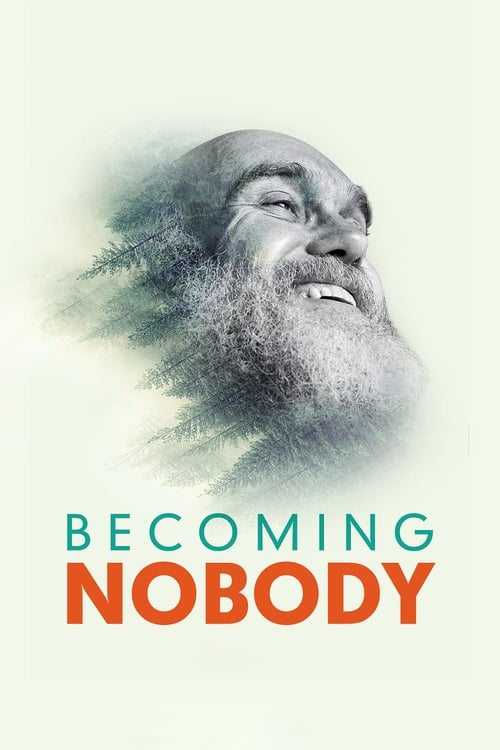
The core arc of Ram Dass’ teachings and life: whether as Dr. Richard Alpert, the eminent Harvard psychologist, or as Ram Dass who serves as a bridge between Eastern and Western philosophies, he has defined a generation of inner explorers and seekers of truth and wisdom.
Becoming Nobody

SAINT MISBEHAVIN’ reveals the true story of cultural phenomenon Wavy Gravy, a man whose commitment to making the world a better place has never wavered. Wavy Gravy is known as the MC of the Woodstock Festival, a hippie icon, a clown and even a Ben & Jerry’s ice cream flavor. In Saint Misbehavin’ we meet a true servant to humanity, who carries his message through humor and compassion. The film weaves together intimate verite footage, reflections from an array of cultural and countercultural peers, and never-before-seen archival footage to tell a story that is bigger than the man himself.
Saint Misbehavin': The Wavy Gravy Movie
At the beginning of the hippy era in 1970 a young filmmaker travels the world struggling to find answers to life's deepest questions from the best gurus and spiritual teachers of the day.
Sunseed: The Journey

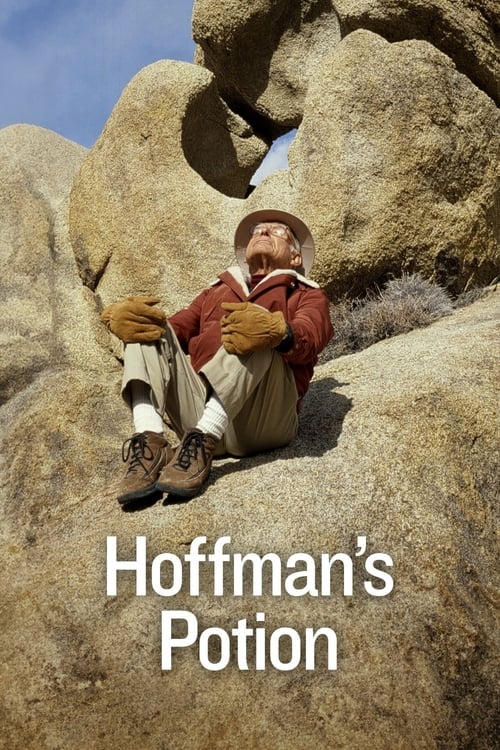
Long before Timothy Leary urged a generation to "tune in, turn on and drop out," lysergic acid diethylamide, or LSD, was being used by researchers trying to understand the human mind. This documentary is a fascinating look at the story of "acid" before it hit the streets. Featuring interviews with many LSD pioneers, Hofmann's Potion is much more than a simple chronicle of the drug's early days. With thoughtful interviews, beautiful music and stunning cinematography, it is an invitation to look at LSD, and our world, with a more open, compassionate mind.
Hofmann's Potion: The Pioneers of LSD

Once a symbol of '60s counterculture and psychedelic drug use, Ram Dass has since become a renowned speaker and author on the topics of aging, spirituality, and overcoming the mistakes of the past. This documentary chronicles his journey from his affiliations with LSD advocate Timothy Leary to his endeavor to continue remaking himself after his stroke in 1997.
Ram Dass: Fierce Grace

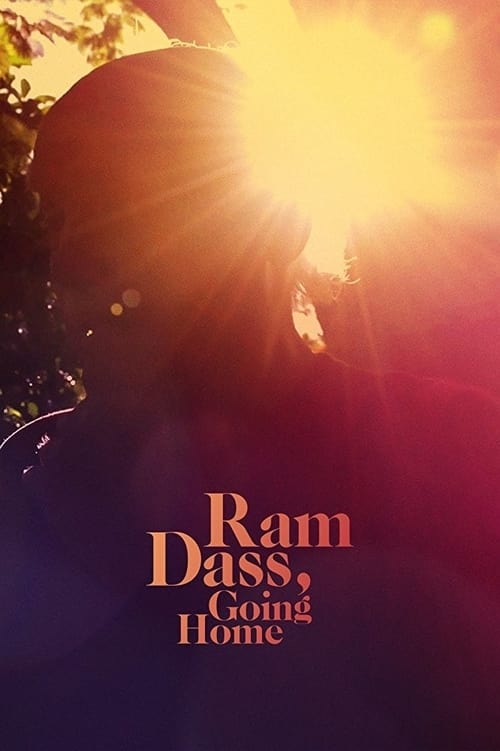
Ram Dass is one of the most important cultural figures from the 1960s and 70s. A pyschedelic pioneer, author of Be Here Now, beloved spiritual teacher, and outspoken advocate for death-and-dying awareness, Ram Dass is now himself approaching the end of life. Since suffering a life-changing stroke twenty years ago, he has been living at his home on Maui and deepening his spiritual practice — which is centered on love and his idea of merging with his surroundings and all living things. Shot in a nuanced cinematic style, the film is an intimate summary of his life learning and awareness, and is ultimately a poetic meditation on life, death, and the soul’s journey home.
Ram Dass, Going Home

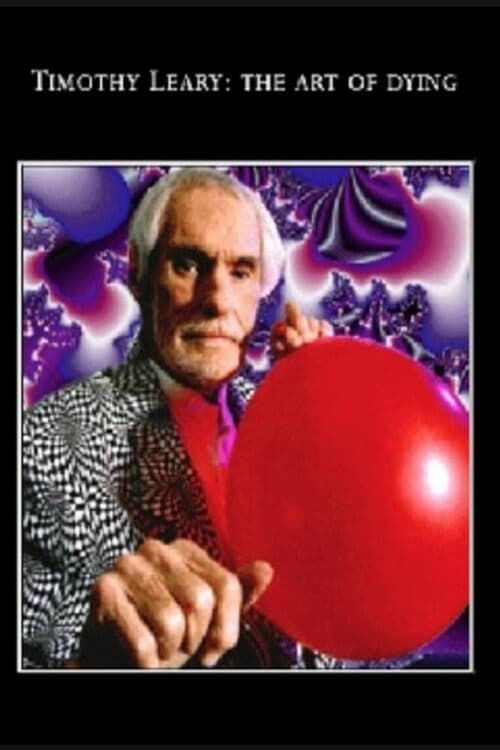
LSD Guru Tim Leary teaches us all to die by dying himself in what he calls his "custom death". This documentary deals with Mr. Leary's last days, all captured on camera by his own request.
Tim Leary: The Art of Dying

The proposed metaphysical highs of psychedelic drugs versus the harsh actualities of concrete metropolitan life. These two opposing realities form the backdrop of an adolescent encounter in the city of London, told through still images and written narration.