Production
No description available.
In Wreed Geluk, the maker fathoms Claus' multifaceted personality through his poems and through conversations with some of his former companions.
Nineteen-year-old Bendja was born in the Netherlands, but his roots are in Moluccas. His father, writer Frans Lopulalan, understands his son’s desire to touch Moluccan soil; he shares that wish. The two decide to travel to the village of Porto on Saparua island, where Frans’ deceased father, a former KNIL soldier, used to live. Verhaagen follows them on their trip to the tropics. A trip that the two men experience in different ways. Frans writes a lot and visits the ground where his father’s house once stood. Bendja dives into the daily village life. He also wonders if he shouldn’t resume his ancestors’ battle. Frans has mixed feelings about this: ‘I hope he can identify with being Moluccan without it necessarily causing him to reject his life in Holland.’ The personal experiences of father and son Lopulalan are complemented by significant archive footage.
Dutch author, poet and columnist Remco Campert still sits at his typewriter every day, despite his advancing age. This veteran of the experimental Dutch literary movement of the early 1950s known as the Vijftigers sees himself mainly as a poet, even though he might be more famous for his columns, short stories and public performances. He has carefully created an image of himself as a charming Sunday's child, loved by everyone. But who is he really? Director John Albert spent a year with Campert, quietly documenting his everyday life (the daily game of scrabble with his wife Deborah, a cup of tea, a cigarette, a glass of wine), as well as more intimate moments such as his admission to the hospital and conversations with his daughters and friends. He turns out to be a man of few words - at least verbally - but his poems tell a story of melancholy, mortality and approaching death. Fortunately, his writing keeps him going: "Poetry is an act of affirmation. I affirm that I am alive."
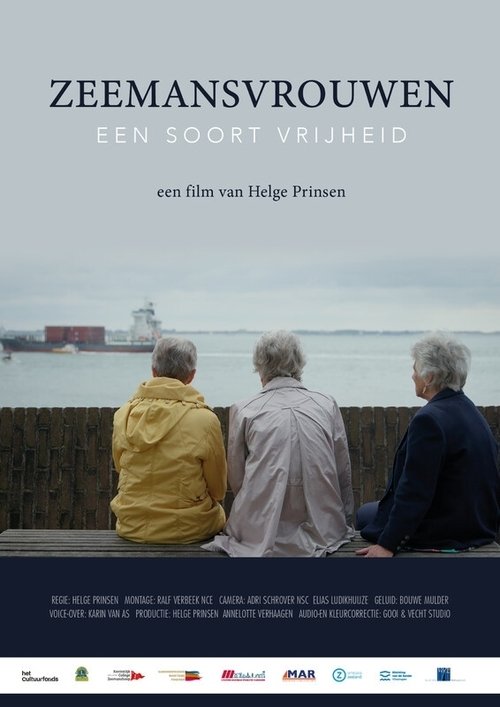
A unique maritime historical document in which three sailors' wives, aged between 86 and 94, candidly recount their remarkably emancipated lives in the 1950s, 1960s, and 1970s. They raised children, managed the household and finances, bought houses, and made major decisions without consulting their seafaring husbands. They enjoyed, so to speak, unprecedented autonomy in a period when strict gender roles still prevailed.