Directing
No description available.
A documentary about Germany's last emperor Kaiser Wilhelm II.
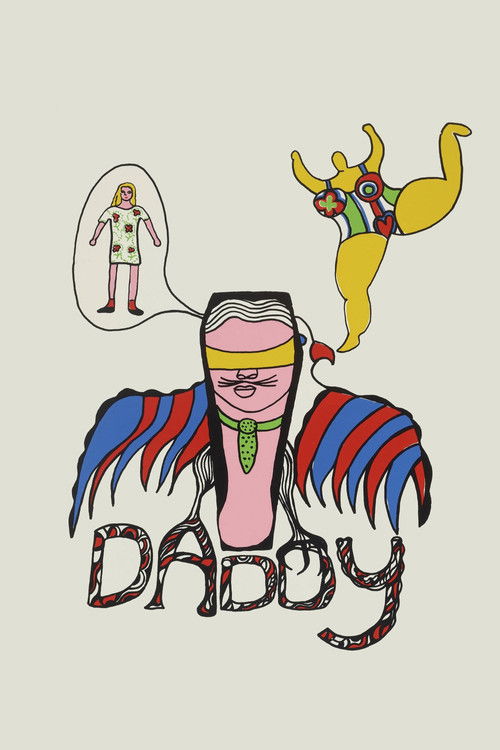
Daddy, filmed in cooperation with movie director Peter Whitehead, discovers the connection between a father and little girl. Like the majority of Niki De Saint Phalle’s films, the flick combines autobiography with imagination, mixing erotic scenes of incest with a reverse of energy as the female character humors the daddy figure. Saint Phalle narrates the film, offering an almost psycho-analytical explanation of its content and explains the different inexplicable.
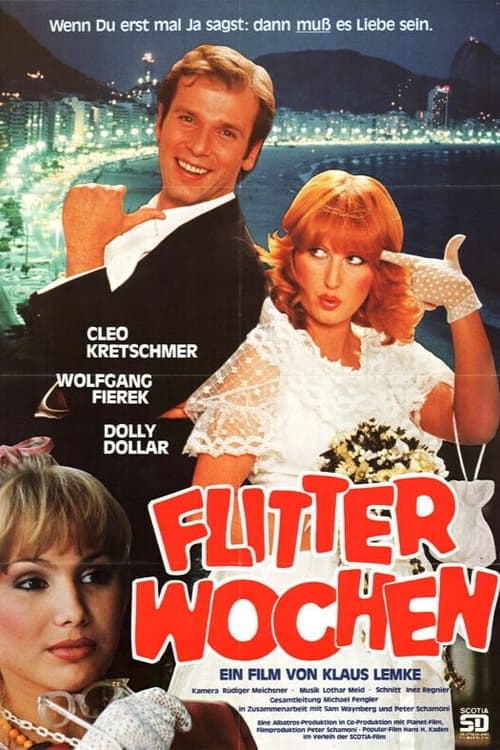
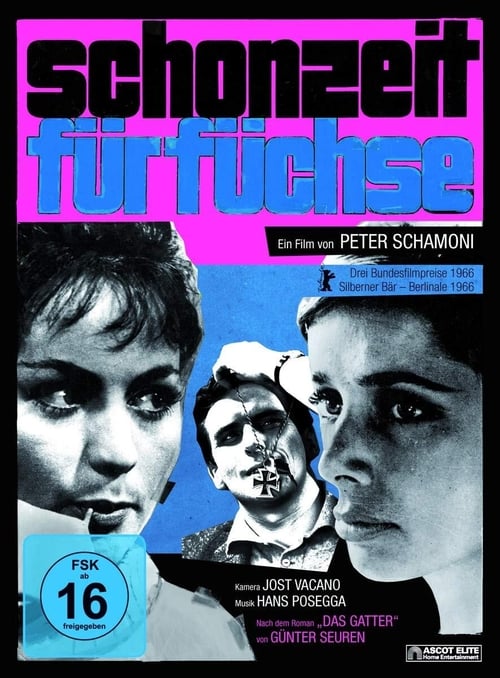
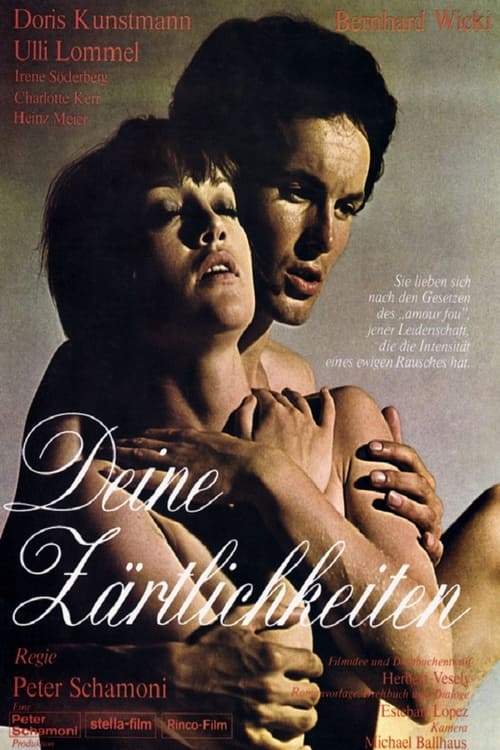
Customs officers Katti and Wolfgang are so deeply in love with each other that they are barely aware of their surroundings. But after the wedding reception, there's nothing but trouble.
A chubby-born young capitalist goes to the Riviera with three bums and casual laborers to successfully use his grandfather's surefire system in French casinos.
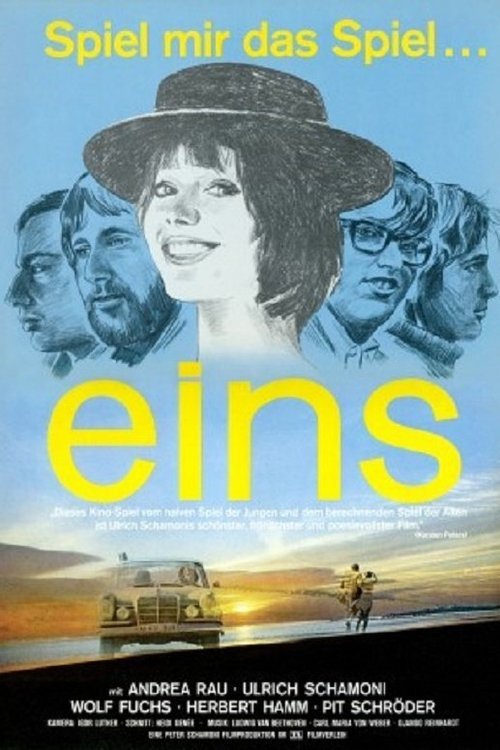
Two old school friends, both in their late twenties. One lives on his parent’s rural estate and does nothing; the other half-heartedly pursues work as a journalist in Düsseldorf.
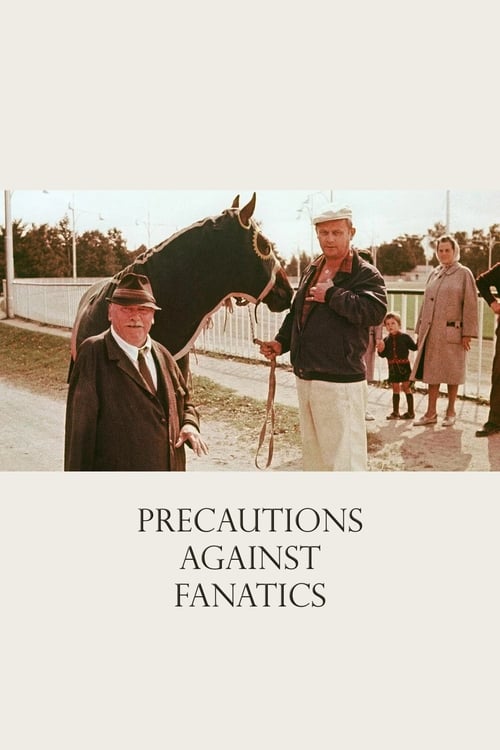
The film features several horse trainers and other track workers talking about their roles at the track, always eventually interrupted by an older man who claims to be the true authority, and demands that they be thrown out. One recurring young man, the first to appear, claims that he protects the horses from enthusiastic racing fans. He does not appear to be employed by the track, but seems to provide his services voluntarily. His protection from "fanatics" gives the film its title. The film is shot in a documentary style, but the sheer implausibility of the dialogue leaves the exact nature of the film ambiguous.
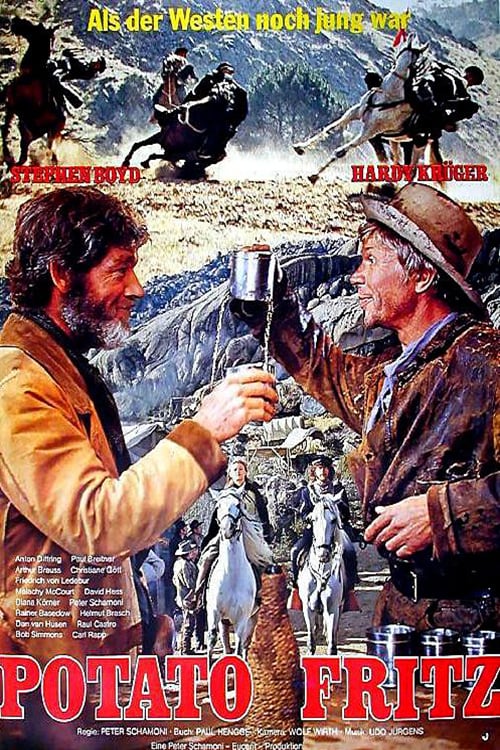
Potato Fritz and his friends have moved from Germany to the American Wild West, settling eventually in the Rockies. They are besieged by what appear to them to be hostile Native Americans. Before too long, it becomes clear that the hostiles are in fact a gang of gold thieves. This movie is notable among German-made Westerns for its use of authentic period costumes and firearms.
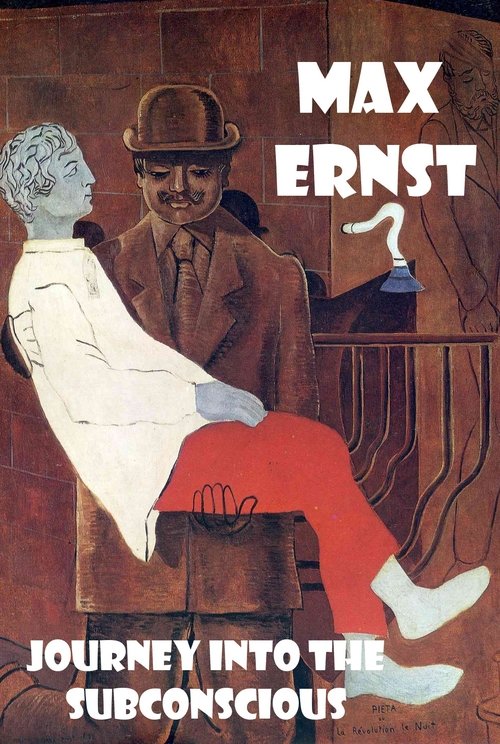
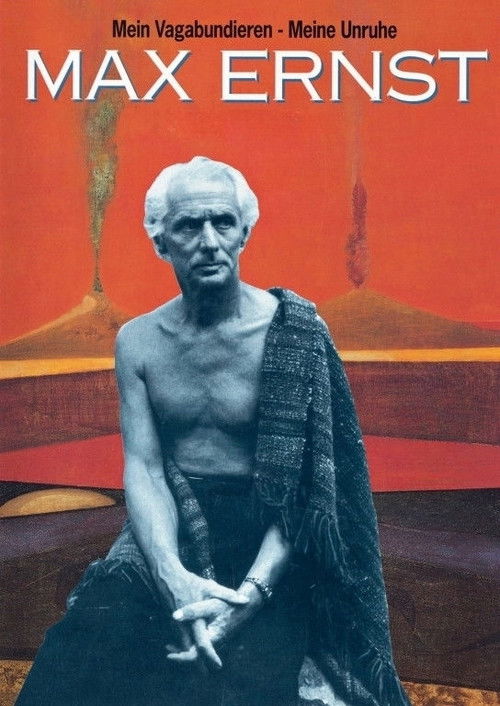
The inner world of the great painter Max Ernst is the subject of this film. One of the principal founders of Surrealism, Max Ernst explores the nature of materials and the emotional significance of shapes to combine with his collages and netherworld canvases. The director and Ernst together use the film creatively as a medium to explain the artist's own development.
Legends recount legends who dominated German cinema in the 1940s and 1950s – with stories that are funny, dramatic, and informative. Among others, Margot Hielscher, Peter Kraus, Ernst Stankovski, Joachim Fuchsberger, Margit Saad, and Douglas Sirk talk about their experiences with stars of the past.
Brother and sister meet again after 15 years and fall in love with each other.
In Königswald Castle, eight noble old ladies and their maid are waiting for the end of World War II. Princess Ursela has made arrangements with her grandmother, the Countesses Hohenlohe, Dohna, Posadowsky, and Woronzoff, as well as Baroness Schweinitz and Baroness von Boehme. The Americans are advancing on the castle from one side, while the Russians are approaching from the other. Suddenly, however, Wehrmacht soldiers barricade themselves in the castle to defend it. But the old ladies do not want to be defended, lest they risk the destruction of their beloved castle. So they hatch a crazy plan to get rid of the German soldiers...
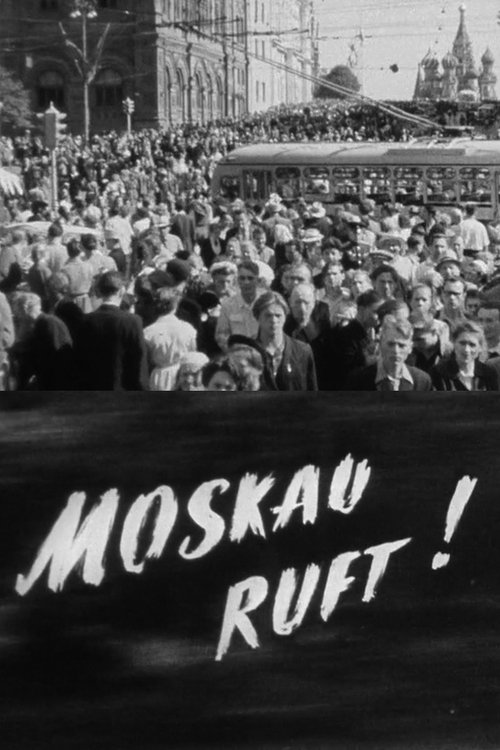
A film made secretly in Moscow by Peter Schamoni during the World Festival of Youth and Students in the summer of 1957. His cameraman was Jost Vacano. During their trip, they made authentic film and audio recordings of a kind that had never been seen before in Western countries.
This documentary celebrates Max Ernst, one of the most influential and visionary artists of the past century. The film covers the highlights of Ernst's fascinating career via a format that mirrors the restless reality of his life. An inveterate traveler and always on the move, Ernst lived and worked in Germany, France and America. His nomadic way of life kept him searching: "A painter is lost if he finds himself."