Editing
A woman remarries after receiving official notification that her husband has died, but he returns.
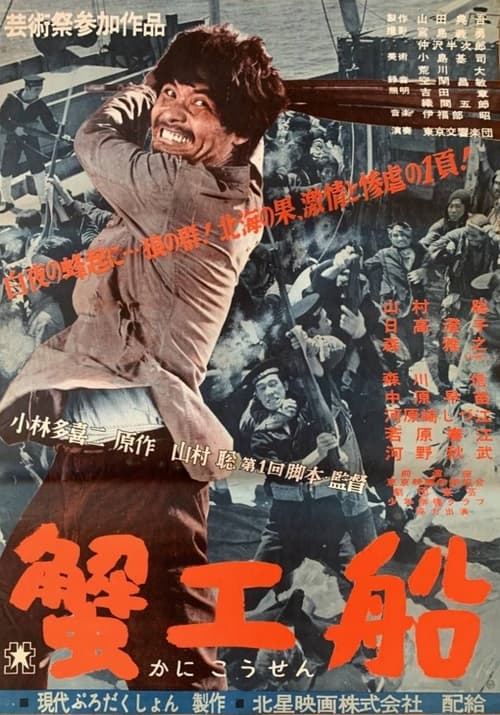
Describes the oppressed life of the crab fishermen and their final revolt which is bloodily suppressed by the Royal Navy.
Adaptation of Nobuko Yoshiya’s story.
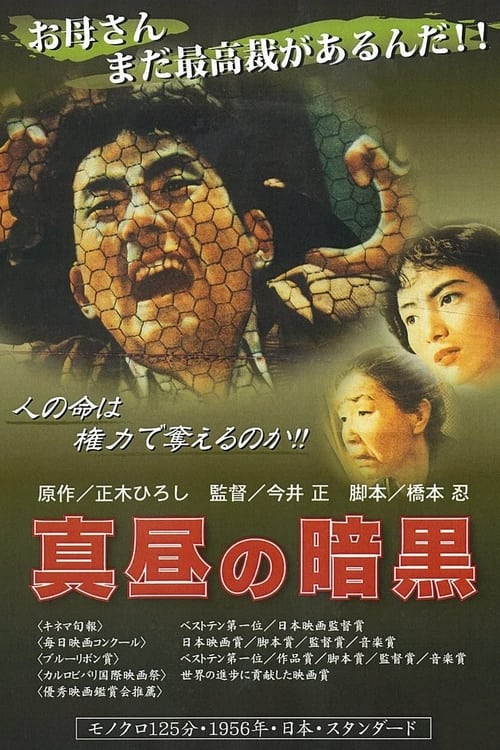
Police beat a murder confession out of four innocent men who are then sentenced to death. Based on a true story.
Adaptation of Nobuko Yoshiya's story.
Japanese film.
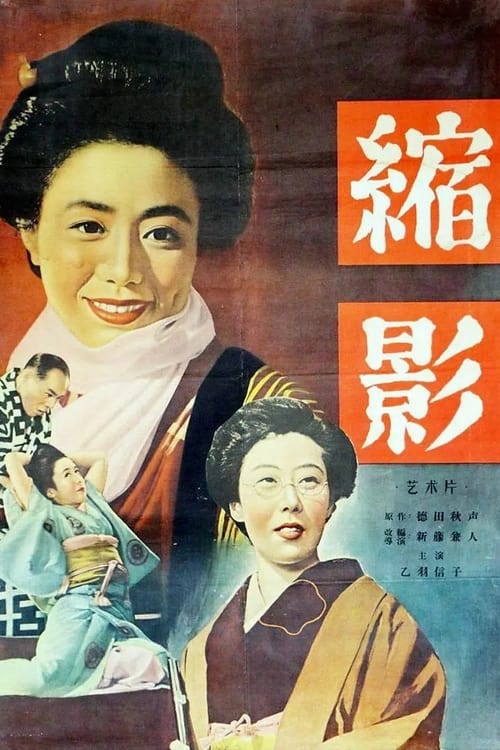
Ginko, a poor cobbler's daughter, becomes a geisha to support her family. She passes from one geisha house to the next, trying to find love and hope in the process. No matter how hard she tries, she just can't escape her sad fate.
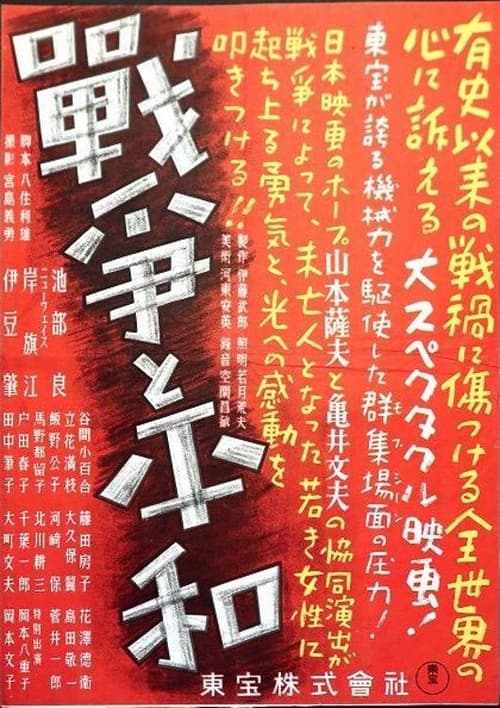
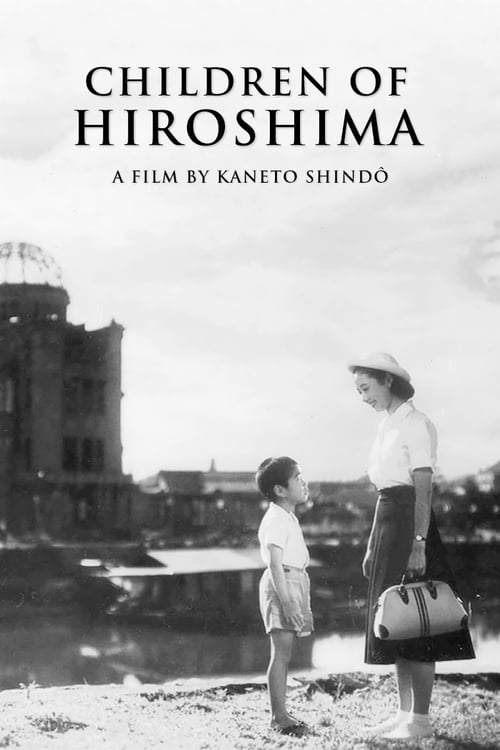
Shows the devastation caused by the atomic bomb, and by use of a fictional storyline, portrays the struggle of the ordinary Japanese people in dealing with the aftermath.
A group of five rookie insurance salespersons, driven to desperation by the impossibility of their work in Japan's failing postwar economy, form a plan to rob a cash delivery truck in order to provide for their families.
A villager's family is ostracized after he makes an accusation of rigged elections
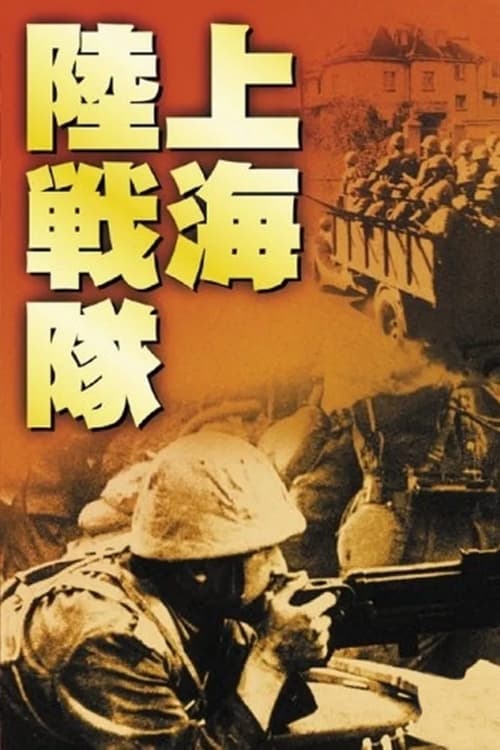
This film attempts to reconstruct the tension of the Battle of Shanghai through an episode in an understated way, introducting its story in a documentary mode. In the film story, Japan's marine regiment protects Japanese residents and Chinese refugees-women and young children-from rampant street fighting, Shanhai Rikusentai unsparingly uses its first eight minutes for an official-mannered self-justification of the war. From the viewpoint of explaining Japan's military operation,the narration refers to the city s spatial division in sync with maps on screen.
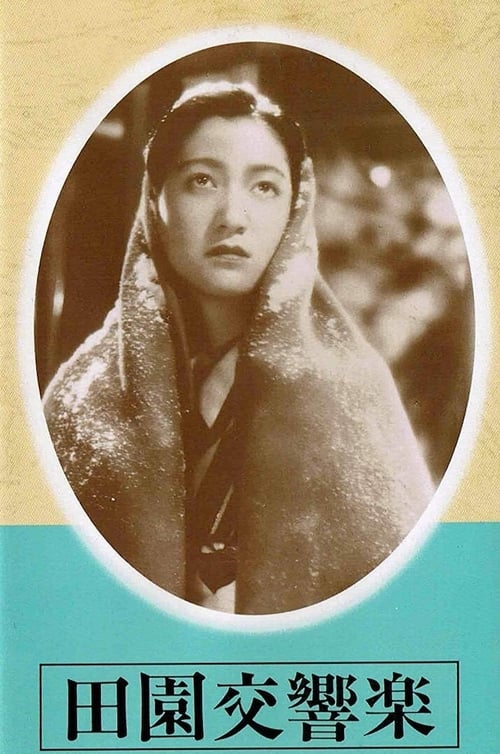
A priest in Hokkaido adopts a blind orphan girl, and as she grows up he finds himself falling in love with her.
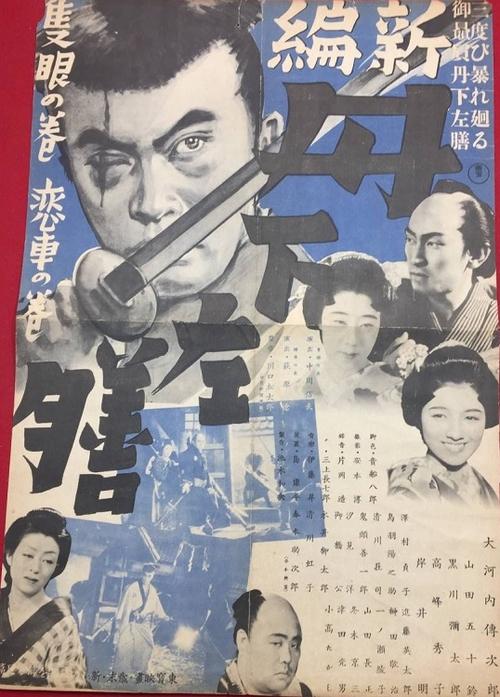
Another adaptation of Tange Sazen.
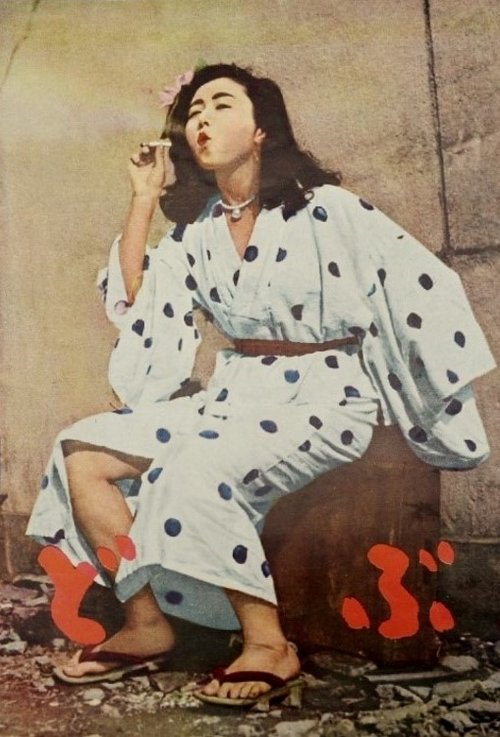
Postwar Tokyo. Pin and Toku live in the squatter area of Kappanuma. Pin and Toku are avid gamblers. They take in Tsuru, a slightly demented woman who has run away from a geisha house.
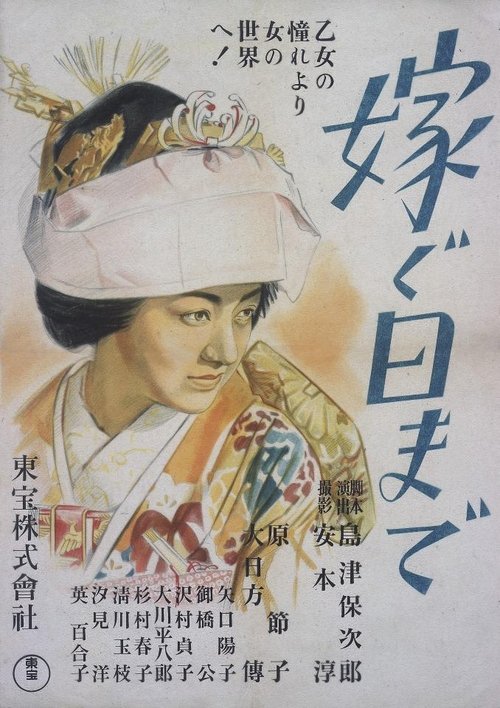
Twenty-year-old Yoshiko (Setsuko Hara) and her younger sister Asako (Yōko Yaguchi) struggle to accept changes in their home during the preparations of their widowed father's wedding to his chosen bride, Maki Tsuneko (Sadako Sawamura), who's anxious about her conduct as the bride.
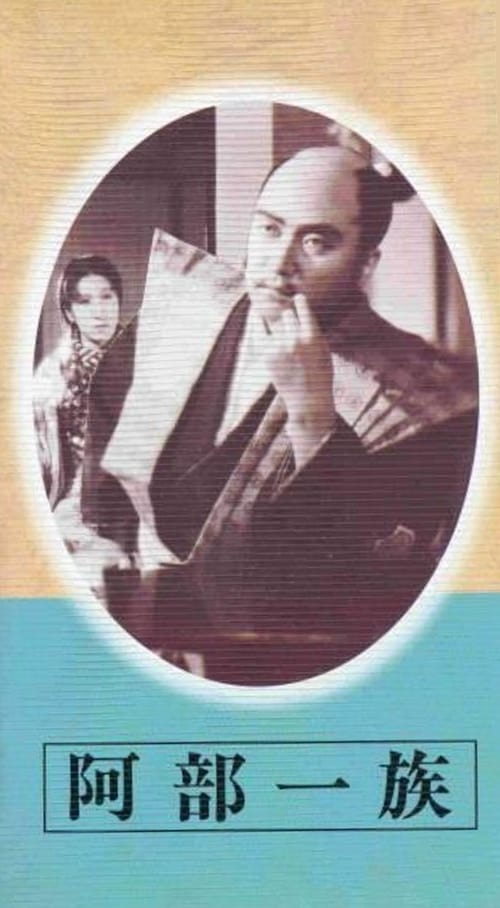
“19 vassals of Lord Hosokawa ask permission to commit harakiri with him, as a demonstration of their loyalty. Only Yaichiemon Abe is refused permission, forced instead into the vassalage of his lord’s successor. Humiliated and derided, Yaichiemon eventually commits harakiri without permission. His eldest son is then punished for Yaichiemon’s suicide, and when he resists, is sentenced to death. The entire Abe clan rebels upon the son’s execution, and the clan is annihilated.” --Alan Poul, Japan Society
A short film on locomotives in Japan.