Ada Lundver
Acting
Biography
Ada Lundver (February 9, 1942 – October 6, 2011) was an Estonian film actress and singer. She appeared in nearly thirty films. Lundver was born in Käina Parish (now, Hiiumaa Parish), on the island of Hiiumaa in 1942. She used to spend each summer on the island with her grandmother. In 1960 Lundver was working in a shoe factory in Tallinn. The following year, her life was transformed as she was acting with the State Philharmonic of the Estonian SSR. She was chosen from nearly 250 other applicants. She completed a course in pop singing before acting more. She and Eve Kivi became the most well known Estonian actresses. She made films in the 60s, and signed an agreement to make more films in 1969 - becoming the "German slut in Russian movies". She married Mikk Mikiver in 1971 and then made many more films. She made nearly thirty in total including "Cold Land", "What Happened to Andres Lapeteus" and "Noon Barge". Her marriage to Mikk Mikiver ended in 1983.
Known For

Tom, a wide-eyed, innocent sixteen year-old, finds himself an unwitting accomplice in a deadly game of vengeance and death when he befriends Artur - a Chechen man, hell bent on revenging the torture and murder of his family - on the streets of Tallinn.
Vasha

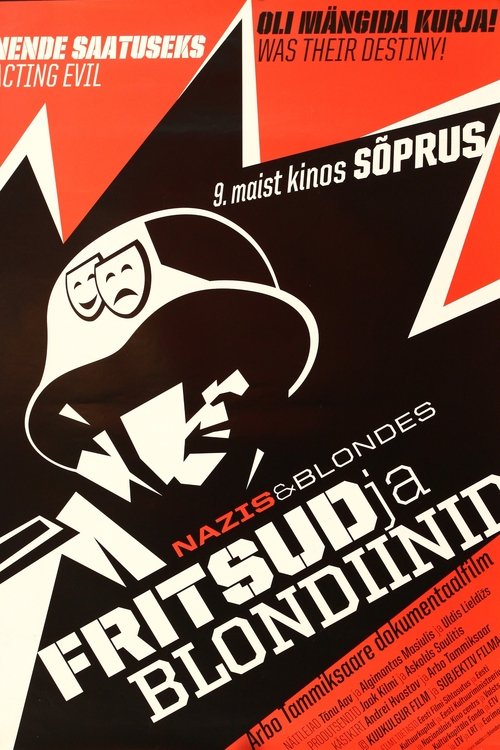
Veteran actors from the 3 Baltic countries - Estonia, Latvia and Lithuania - gather at a castle in Latvia to receive awards for their roles as Nazi villains in propagandist Soviet war films. They reminisce about the films that made them famous throughout the USSR, but also stigmatized the Baltic countries as Nazi sympathizers in the eyes of many Russians - a misconception that is nowadays exploited by the Russian media, desperate to label the Baltic countries as a fascist haven.
Nazis and Blondes

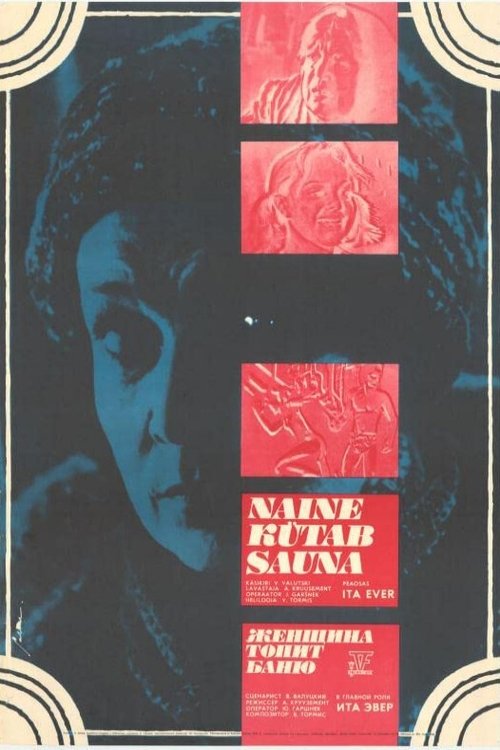
The story is about a woman, who has to heat up the company's sauna, because the bosses want to entertain foreign visitors. The sauna is situated in a small village where her ex-husband is from, and an old aunt of his is still living. In addition to having to face her bosses she also has to face her past.
A Woman Heats the Sauna

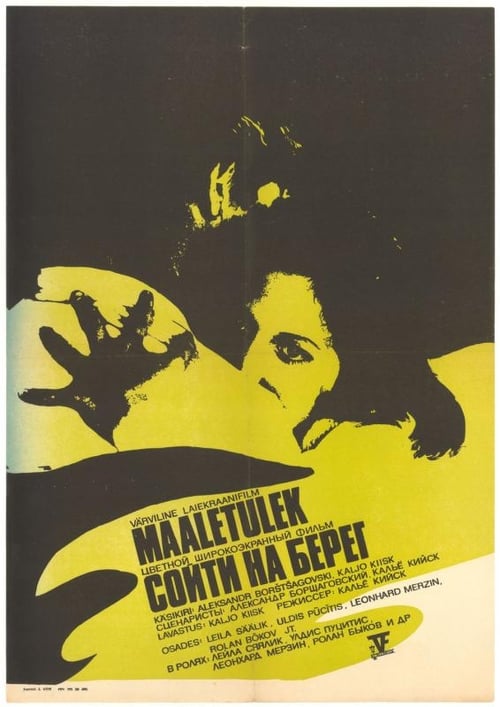
Reet loves her long-distance coxswain husband Rein, but the long separations have tortured her. It seems to her that the man cares more about his work than about her. Rein really loves his work, but his wife just as passionately. He does not understand how loneliness can overwhelm Reet, when women have always been waiting for men from far away. Their family friend Mart loves Reet and cannot see her suffer. It is in Marti's power to offer Reet a safe life, and the woman plagued by internal struggles makes a choice, but happiness seems to slip even further away.
Landing

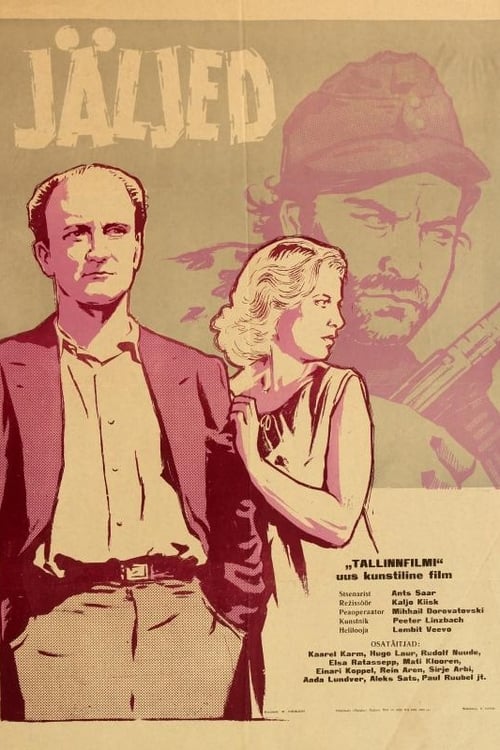
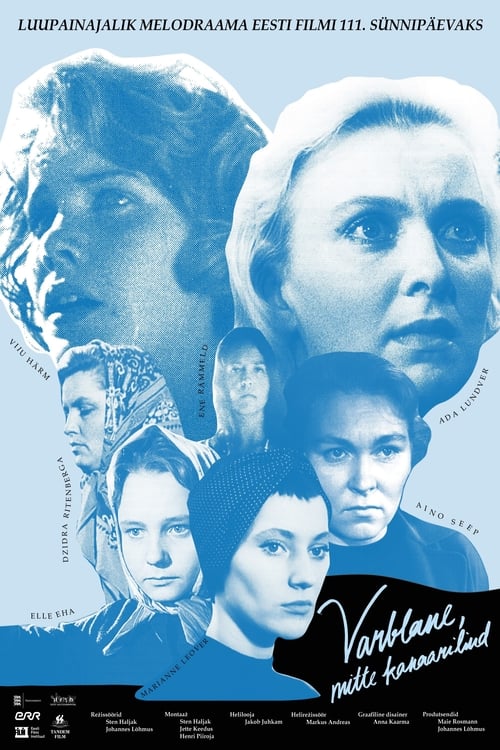
Heino Raagen and his war comrades begin a new battle while arriving at their home village - establishing a collective farm. The sufferings and fears of the war have exhausted people; nevertheless, they still stick together and protect their close ones. Heino's girlfriend Valve hides the plans of her brother Robert hiding in the forest from him; as a result, their relationship will fall apart. Life goes on, but disappointment and anger will take their toll even when years have gone by.
Traces

After a long night with his old war buddies, Andres Lapeteus regains consciousness in the hospital. How has confusion, bewilderment and alienation developed between these men who once fought together side by side? Is this the inevitable result of the Stalinist regime, the influence of his social climber wife, or the effect of his personal cowardliness and conformism? What happened to Andres Lapeteus?
What Happened To Andres Lapeteus?

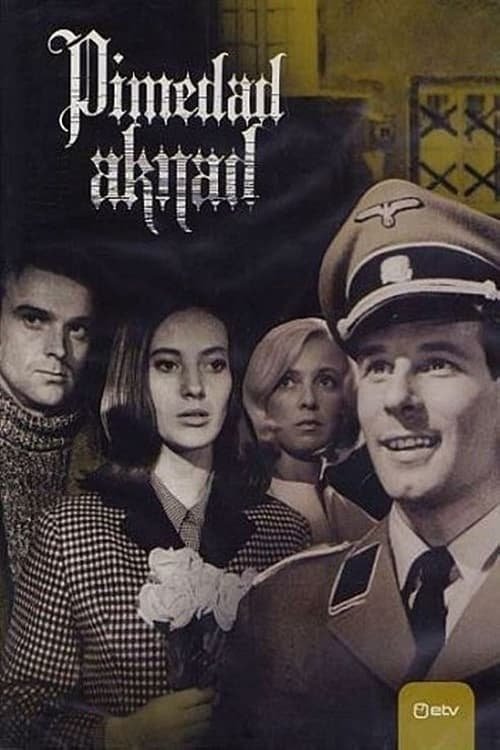
No description available.
Pimedad aknad

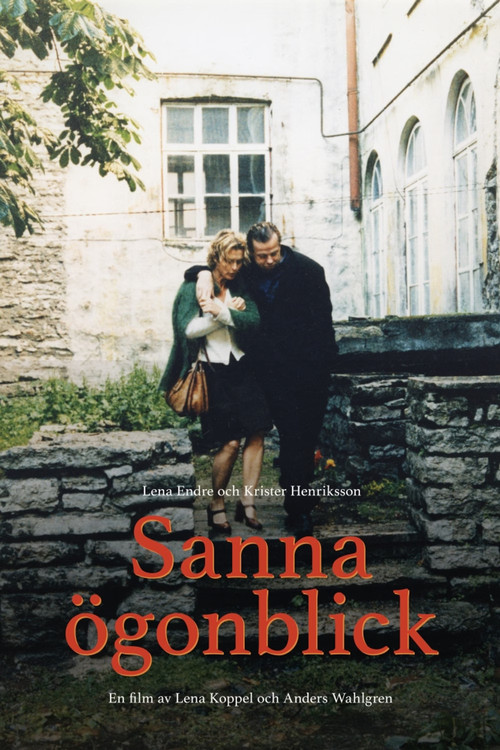
By chance Erik meets Viivi, an Estonian violinist playing in the Stockholm subway. They start an intense romance. Erik's mother dislikes the relationship, not having forgotten her escape from Estonia during the war. She reveals facts from the past and Erik finds out that his Swedish father adopted him. His real father was an Estonian nazi. Viivi has grown up in communist Estonia where her father was a party member and worked for the KGB.
True Moments

The events take place in Estonia in a summer in the 1960s. The Boy and the Girl want to go from mainland Estonia to the island of Saaremaa, but they do not have any money to buy the ticket to the ferry. They manage to hide themselves into a lorry that carries hay. Because they are smoking while they are on the lorry, a fire breaks out. The problem is, that the ferry is in the middle of the sea.
The Midday Ferry

A film about the life of Raimond Valgre, an Estonian songwriter and singer of the 1930s and 40s, the political changes of his country and his life after the war when his songs were considered not suitable for the Soviet way of life.
Those Old Love-letters

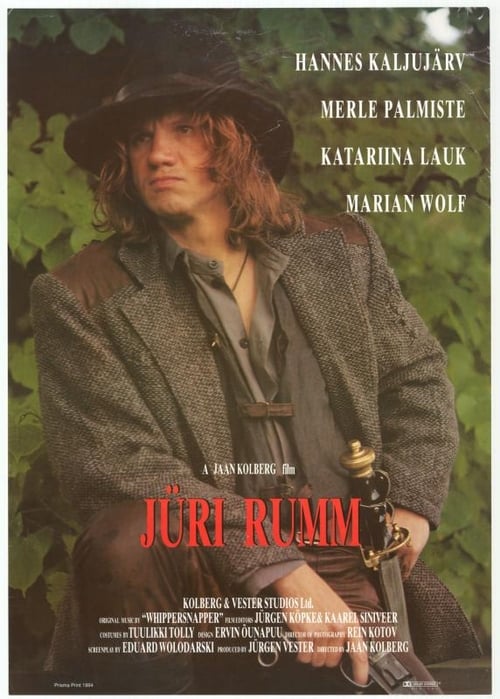
Jüri Rumm is a hot-tempered young peasant who is not afraid of either German barons or the Russian czar, barfights or disobedience to his master's orders. Mari, a gentle peasant girl, loves Jüri despite the fact that he is very popular among young women. Evelin is a quick-tempered baron's daughter who is used to get everything she wants, including a peasant boyfriend who considers himself a free man. Yet, the free man becomes an outlaw. Where will the runaway's love lead him?
Jüri Rumm

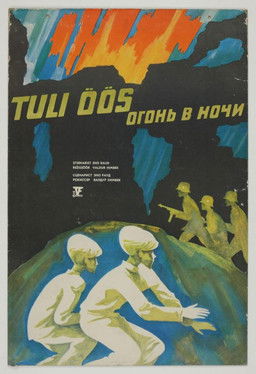
Ülo and Olev think the German occupation is humiliating and the soldiers are arrogant. But even among Estonians there are people who cannot be trusted - this can have fatal consequences. Witty schoolboys find out that Mr Velirand, who has moved in the apartment that once belonged to their teacher, is a henchman of Fascists. The boys make up their minds to give people warning about the provocator, even if the rebellion is risky and their opponent superior, as it had been in the St George's Night Uprising in 1343.
Fire in the Night

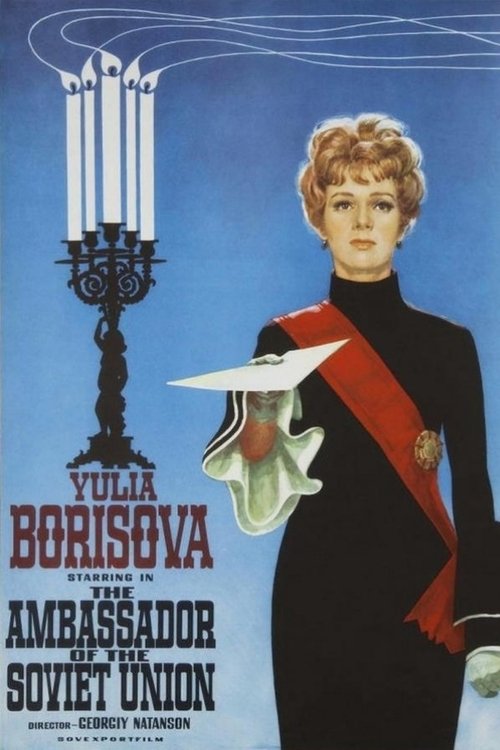
Based on the book "Ambassador Extraordinary" by the Tur Brothers. The film tells about the life and work of the first Soviet woman diplomat (the prototype was A. M. Kollontai). In the difficult years of the Great Patriotic War, Elena Koltsova, Soviet ambassador to a neutral Scandinavian country, works hard to expose the provocations of Hitler's Germany.
The Ambassador of the Soviet Union

Based on Jaan Anvelt's novel "Outlaws" which deals with the struggle of the Estonian Communist Workers' Movement and the life of revolutionaries in the Republic of Estonia in the 1920s. The film represents the maturation and decay of human soul in tense situations. The dark intersections and the dense, abandoned areas create a tumultuous tension field in which the characters find themselves. Their choices and decisions overwhelm them in one way or another. Where is the way out?
Outlaws

Baron Karl Ludwig von Oster, the owner of a giant concern, one of the industrial magnates of Germany, convicted at the Nuremberg trials, was released by the American military administration and is now testing new weapons. The film is based on a judicial duel between a war criminal and journalist Ingrid Kuhn, the daughter of Professor Peter Kuhn, who paid with his life to prevent Auster from getting atomic weapons into his hands...
Identification

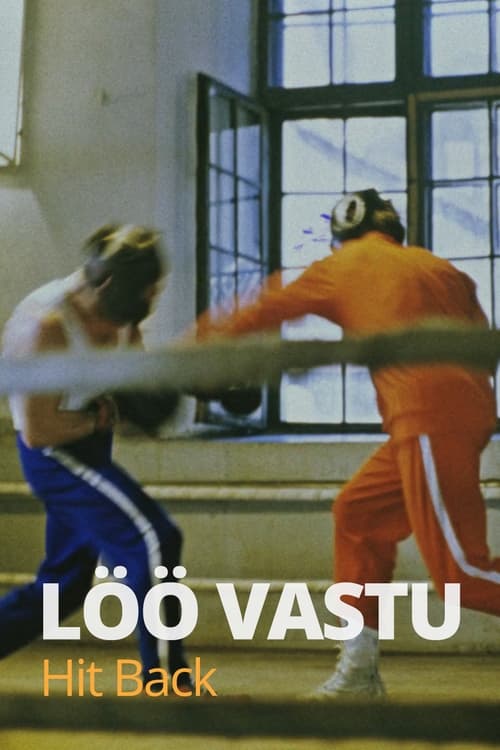
The film invites its viewers to reflect on where modern sports have come to. Does a young, honest and uncompromising athlete have a future in the sport or must he go along with the dishonest tricks and the mean game that comes from it all?
Hit Back

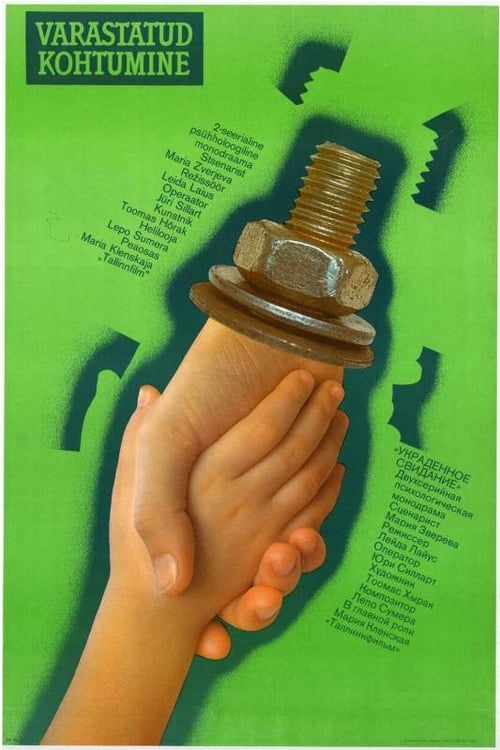
A mother released from a prison camp in Russia finds her son, but realises that reconciliation is impossible.
Stolen Meeting

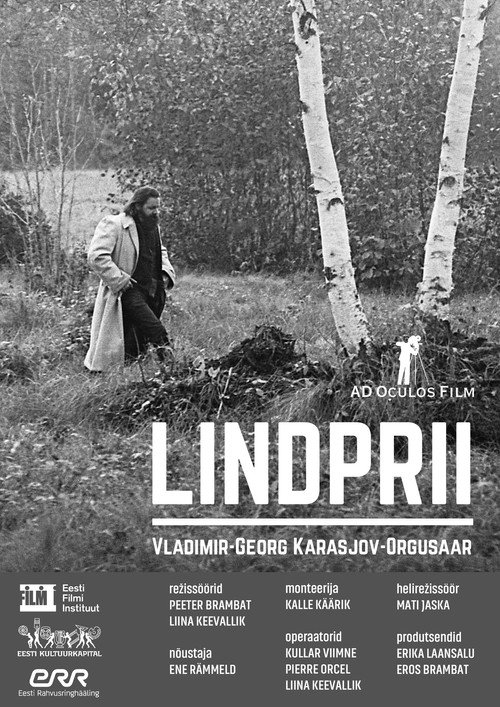
Portrait of a rebel expat Estonian filmmaker Vladimir Karasjov-Orgusaar.
Outlaw

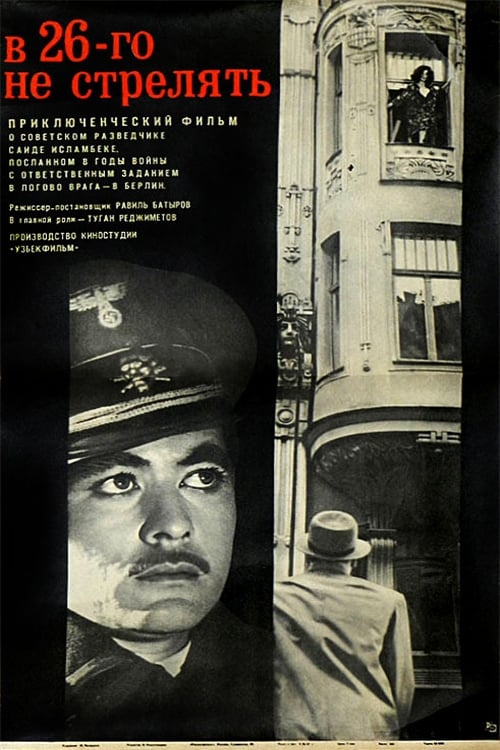
1943. Soviet intelligence Saeed Islambek, "26th", manages to infiltrate as an instructor in the SS special school, where defectors from Central Asia study. Loyal to his assistants become a scout-Uzbek Nadia, Secretary of the chief of the special school, and Deputy chief of the Gestapo Berg. When one of the most important military tasks are dying, sacrificing himself, Nadia and Sayid.
Don't Shoot on the 26-th

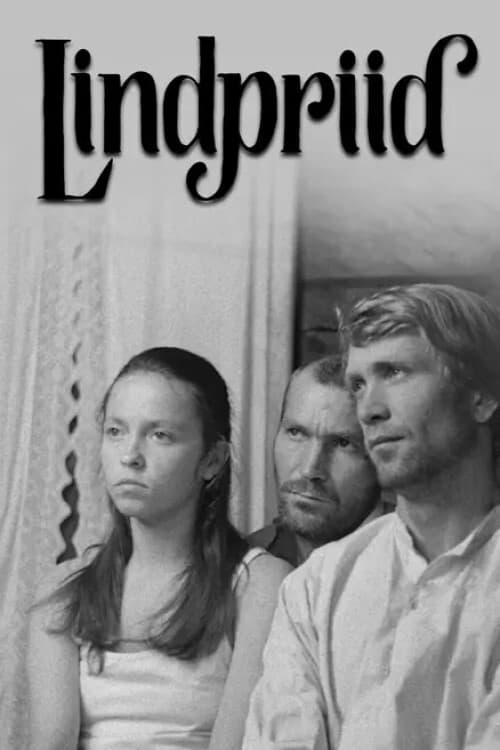
A life is difficult even for children during the forties in Estonia...