Acting
In the year 1646, Denmark is at peace. Only recently have the last occupying troops left Jutland, leaving behind the sad traces of iron heels. The administration has partially collapsed, the kingdom is short of money, and what money there is is unevenly distributed. This is the unusual and sad background to this unpretentious account.
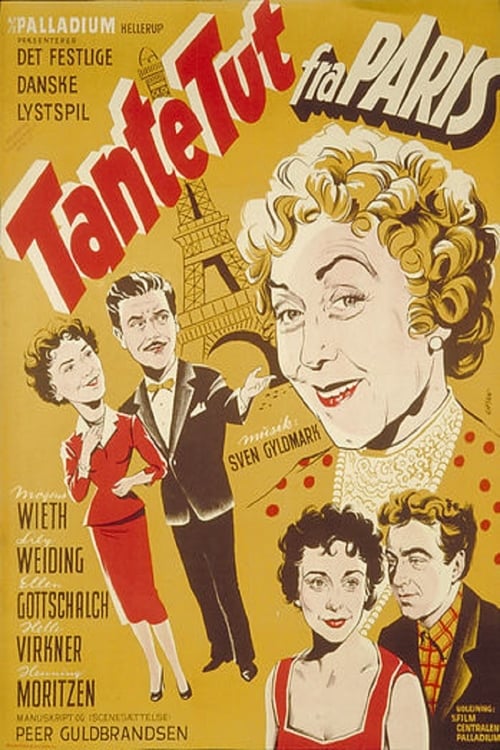
Mogens Wieth is a songwriter who lives beyond his means. He is expecting to inherit a fortune from his Aunt Tut in Paris, who is old and filthy rich. He has been corresponding with her for many years. In reality, Aunt Tut is dead, and it is her daughter who writes the letters. A young singer who wants to ingratiate himself with the songwriter claims that he knows the aunt and that she is coming to Copenhagen. He has persuaded an older actress to play the role of Aunt Tut. Unfortunately, the aunt's charming daughter also arrives in Copenhagen at the same time, setting the stage for costly episodes and amusing complications...
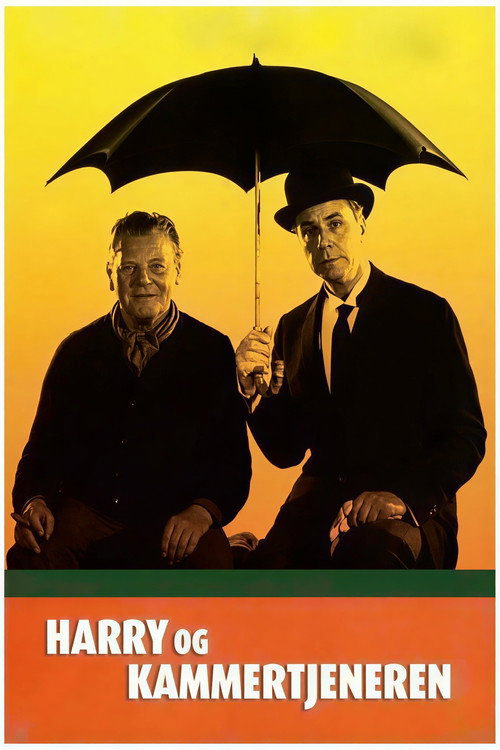
A gentle comedy offering the promise of easy social consensus. Harry (Helmuth) is a simple old-time shop porter offered a chance at self-realisation when he's bequeathed a sum by an unknown relative (via several levels of fiscal blood suckers). He decides to engage a butler to take good care of him for a time. This is a man of distinguished upper class service, but a generous nature which happily integrates with Harry's small but colourful world of drinking buddies and crackpot neighbourhood kids.
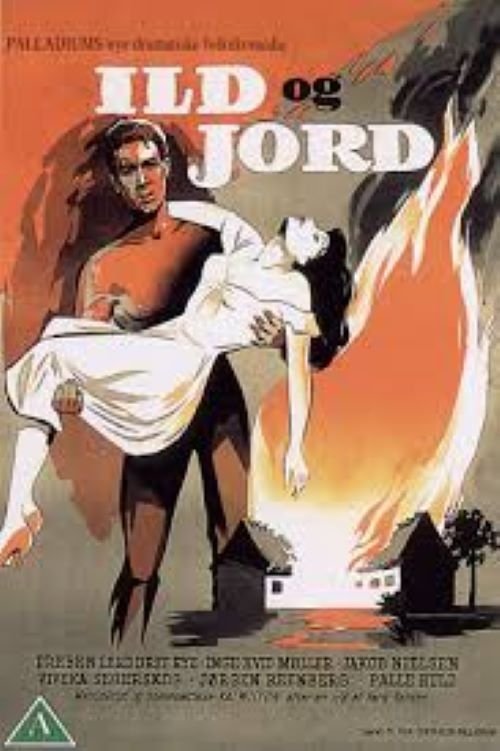
As a young man, Martin married the daughter of the farm, removed his grandfather from the board of directors, and, with his energy and willingness to work, turned the farm around so that it is now the largest and best-maintained farm in the entire region. No one likes being around Martin. Ruthlessness and stubbornness are fundamental elements of his character. He cannot tolerate anyone else around him. His grandfather and wife have long since resigned themselves to the situation, but now something must be done.
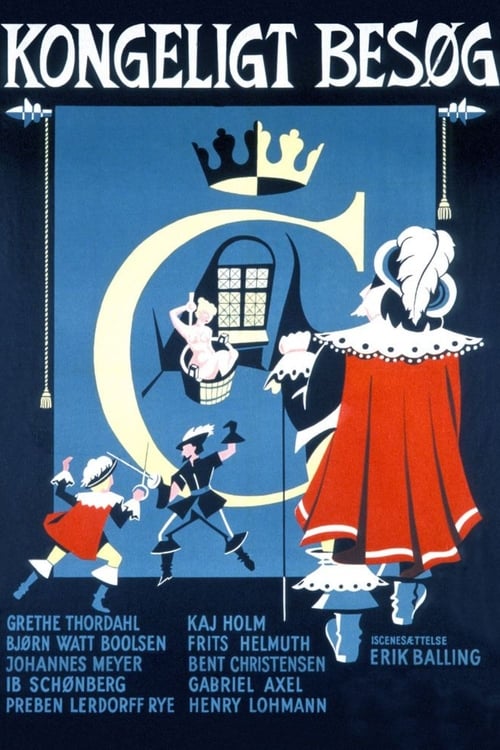
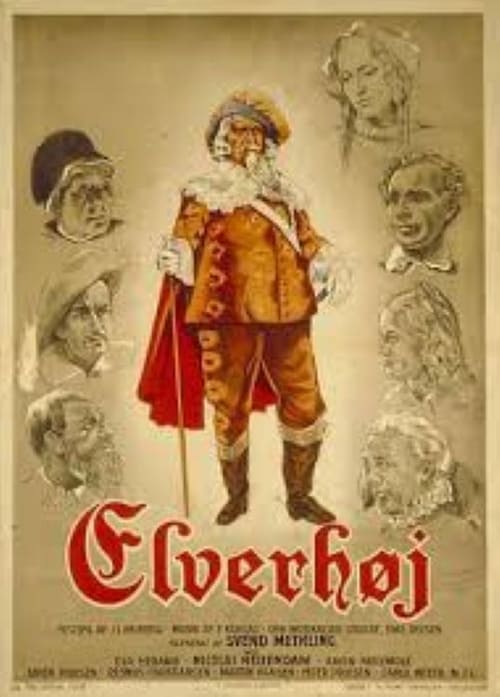
The king's presence, his courtier Poul Flemming, who loves Elisabeth Munk, is to be the king's deputy at the wedding. However, the king hears rumors that the sheriff Albert Ebbesen has often been seen at Elverhøj with an elf girl, and when Ebbesen now arrives, he must explain away his secret meetings with the elf girl to the king.
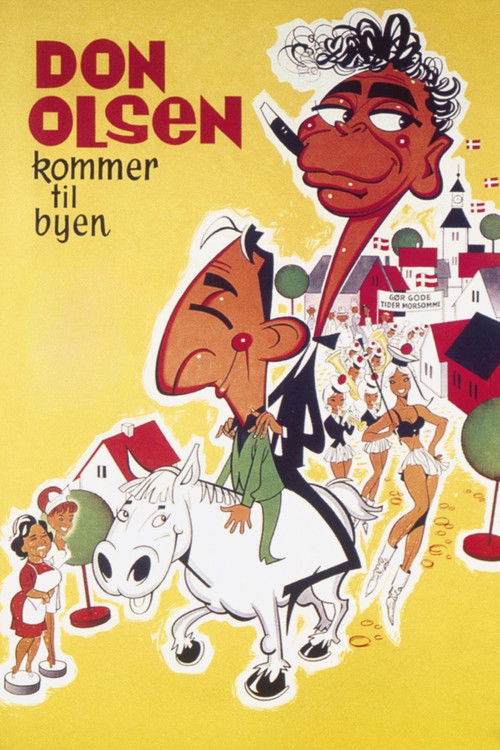
Bank director L.W. Jacobsen resides in a small provincial town. He is not particularly interested in his wife, Elsebeth, but rather in teacher and city council member Miss Mortensen. Thorsen, the town's manufacturer, is a member of the same city council group as Jacobsen. Then Don Olsen comes to town. Olsen is not interested in the upper class, but rather in people. By chance, Thorsen and Olsen meet and soon become drinking buddies. Thorsen drags the milkman's horse home to his apartment in the middle of the night. The scandal is a reality. Thorsen wants to flee, but with Olsen's help, he instead woos the townspeople and Miss Mortensen under the motto "Make good times better."
On the indebted estate, Gyldenstrup, lives a spoiled and selfish lady, Mrs. Selstrup, with her two spoiled and selfish children, Ellen and Joachim. Her husband has recently died, and the widow completely forgets her grief when lawyer Hansen confides in her that they are in fact very poor. Spoiled and selfish as she is, it seems to her like a disaster that she and her two hopeful offspring may end up living in poorer conditions.
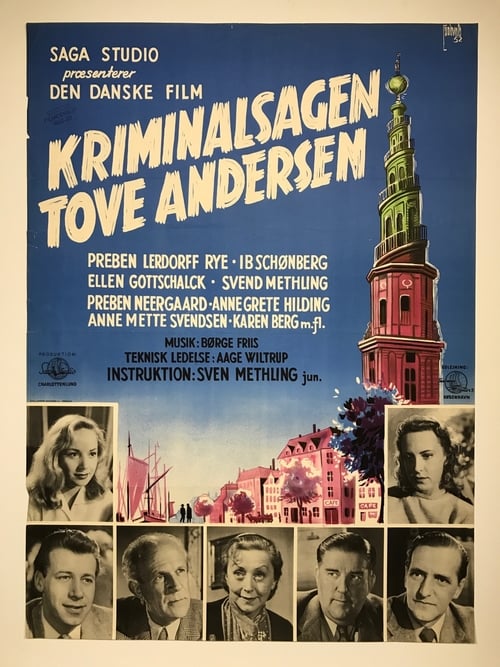
Tove Andersen's problem ends in Christianshavn's moat, and this is where the film begins. The body has a noose around its neck. The homicide division is called in, and it turns out that shortly before her death, she had undergone an illegal operation. An unscrupulous womanizer had abandoned the young student from the countryside when the relationship had consequences. The doctor rejects her after a beautiful lecture on the sanctity of life, and she must therefore rely on "private" help.
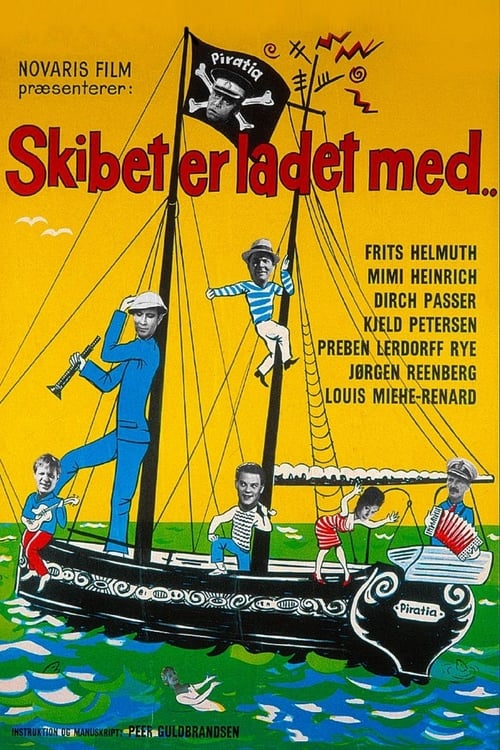
"The ship is loaded with" four angry young men, an original skipper, a fashion model, a radio station, a pirate flag and various musical instruments. And the ship is at anchor in international waters and can not sail forward or backward. On the other hand it can emit radio advertising, and it does.
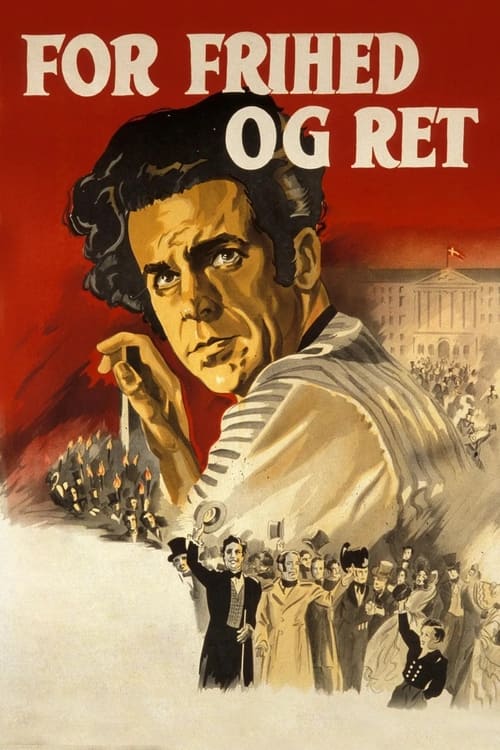
A picture of the life of the Danish people from the late 1820s to the introduction of the free constitution in 1849. A fictional character, Rasmus Nielsen, travels around the country, first as a traveling teacher, later in other positions, and through his experiences we are introduced to the conditions of various population groups. The central figure in the portrayal of historical figures is the politician Orla Lehmann.
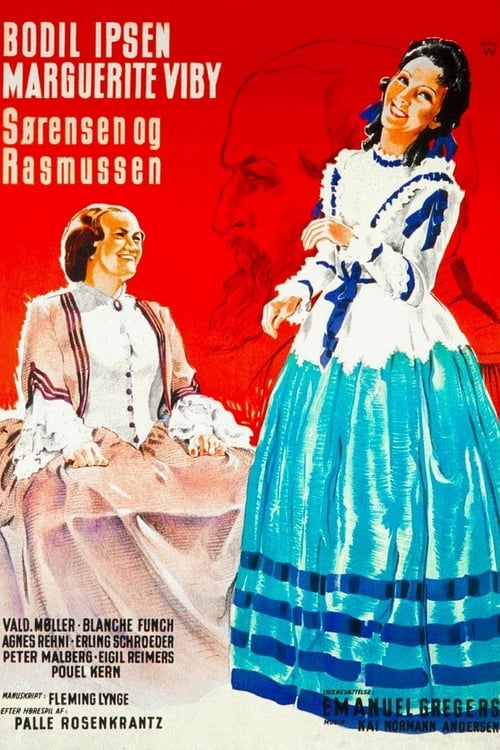
Hilleborg always speaks negatively about her king's marriage to his left hand, Countess Danner. When it is rumored that King Frederik VII and Countess Danner are on their way to Hilleborg and her husband, Niels Parsberg's estate, Hilleborg refuses to be in the living room with the Countess. She switches roles with the housemaid, Lise Sørensen. Lise and Countess Danner quickly become good friends, while Hilleborg's situation worsens when the king decides to spend the night at the estate.
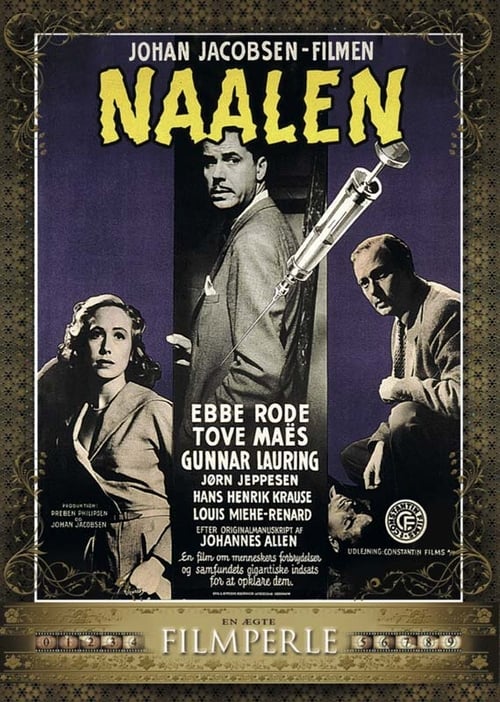
"Naalen" is the title character in the film, a ruthless black market kingpin whose wake inevitably follows a series of other crimes. How "Naalen" got his strange nickname will not be revealed here, but it can be hinted that it has a close connection to the precious and rare commodity he deals in his "business": insulin.
What would you do if you found 20,000 Danish kroner? Just like that? In a woman's purse? And what if no one was looking for it? In other words, if you had the chance to pocket 20,000 Danish kroner, tax-free? Wouldn't you be tempted? The main character in this film is tempted. He is a taxi driver and has a happy family life, but he is struggling financially.
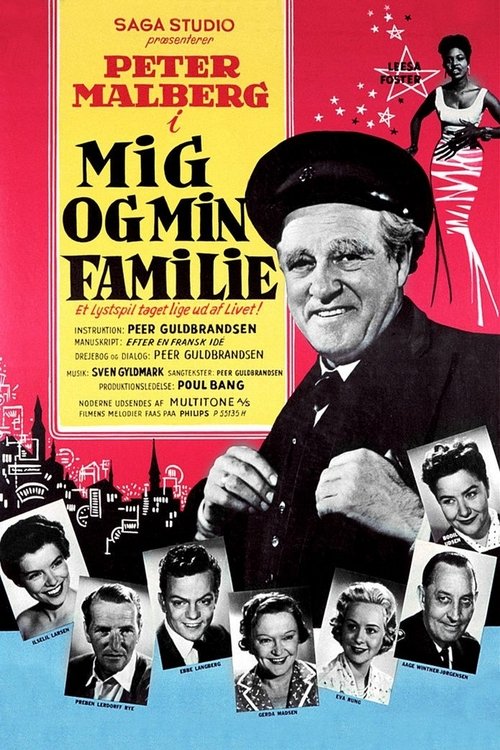
The protagonist is a jovial bus driver, well beloved by his passengers, essentially the whole community around him. The bus, however, is old, and needs to be replaced. The bus driver himself is also needed as a handyman for all the people around him, assisting with stray cattle, household machines, children's homework, errands of all kinds, and at one occasion, assisting birth. Progress is however leaving him behind, and the local county council plots on a solution, involving a new bus and driver. The community revolts, and the local midwife (married to the mayor) intervenes with all the locals to keep the bus driver, who ends up keeping his job in a new bus.
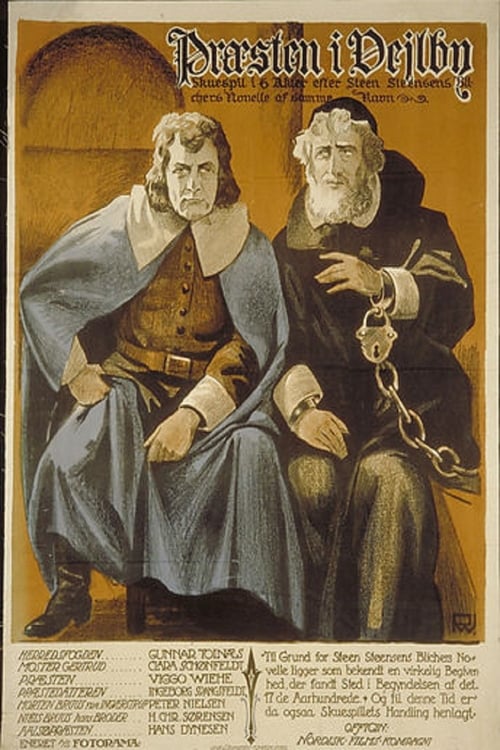
A tale of murder and marriage in 1625 Denmark.
A young woman of good family is driven into one of thieves and prostitutes and ends in suicide.
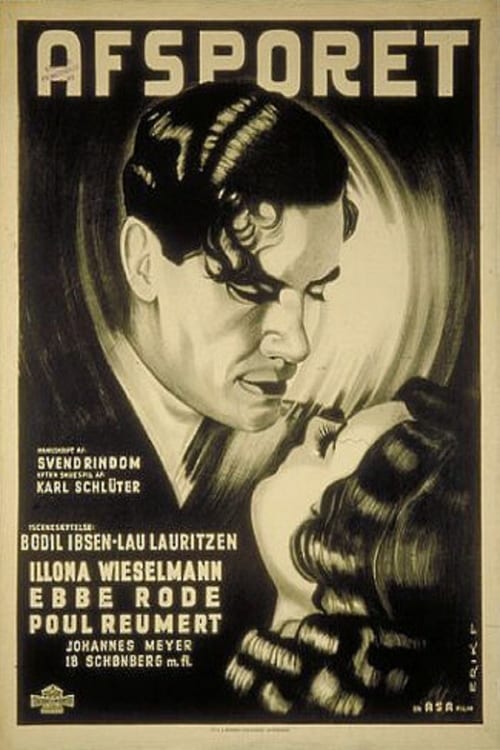
The young successful author Eva Saabye surprises both her publisher William Nerup and the literary critic Dr. Hennings, who is a good friend of hers, by not wanting to publish the last book she has written. One day Eva takes the manuscript for her novel out of the drawer, and as she starts leafing through it, we are drawn into its plot. The book, titled "I Met a Murderer", has Eva Saabye as one of the main characters.
A tragic tale of two lovers from the holocaust. Fate tore them apart, destiny brought them together.
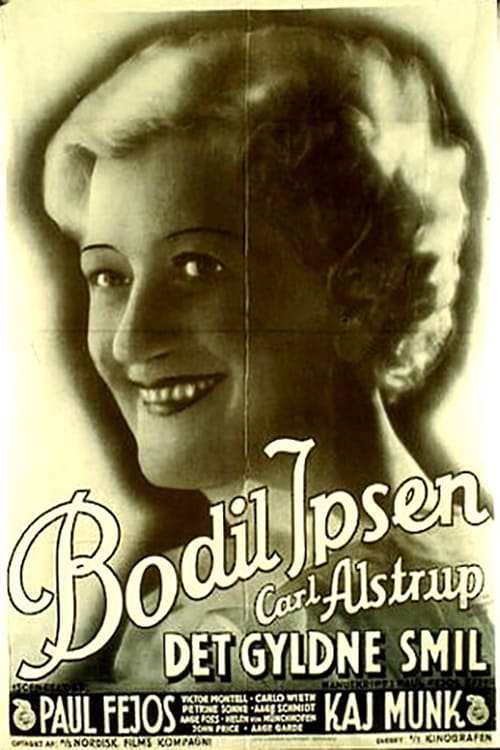
The celebrated operetta prima donna Elsa Bruun is famous nationwide for her amazing smile. One day she is approached by a shabby man who pushes a script on her. Without wanting to, Elsa becomes deeply involved in the story, which becomes her path to a renewed understanding of life, which must be lived out even if it may cost her trademark: the golden smile.
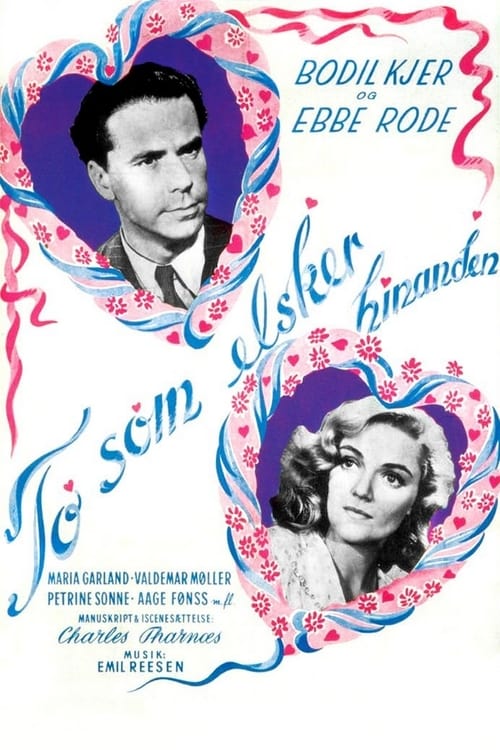
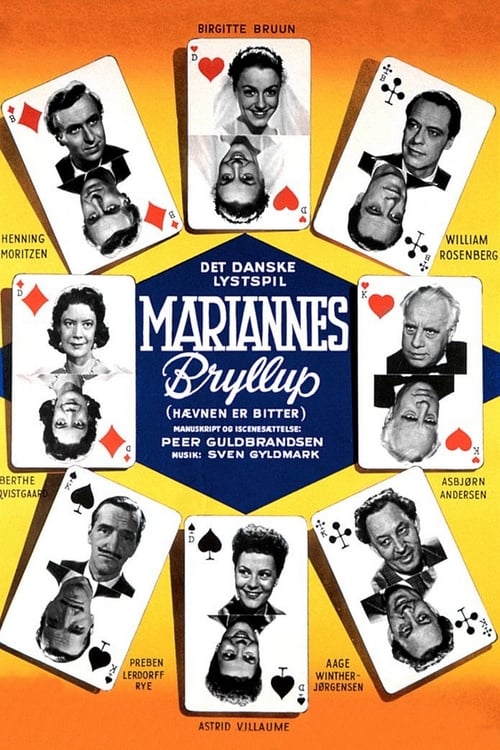
Jørgen von Hejden is very distinguished, but poor. He is something of a fortune hunter. He dreams of getting rich quick. But his skills are not up to the radio quiz show, so he sticks to gambling, roulette, and dice games. When he marries the beautiful and wealthy Marianne, he also gambles. He has married her for her money! But Marianne is not only wealthy, she is also strong-willed. She inherited this trait from her father, shipowner John Christensen.