Acting
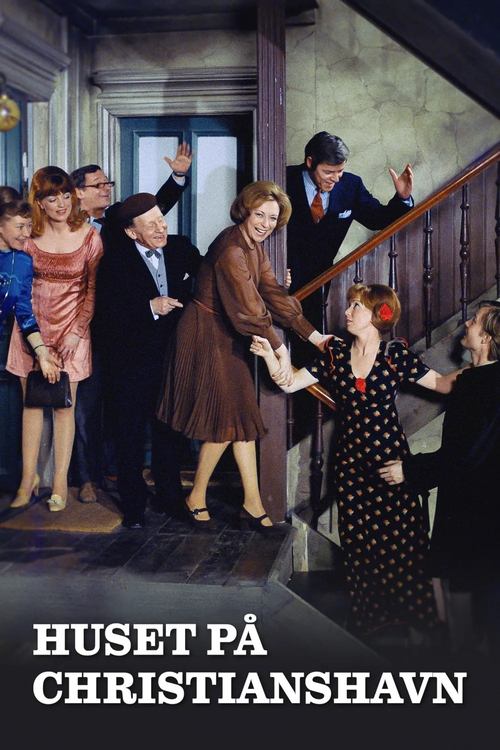
The series follows the residents of an apartment building on Copenhagen's Christianshavn, as they go about their daily lives and challenges. There is Olsen, a mover with an old fashion view of the world, Clausen who runs the local pet shop, Egon the career focused assistant, their wives who work hard to keep their spouses lives together, the young couple Tue and Rikke who recently moved in, the hard working caretaker Meyer, who never puts in to much effort, and of course Emma, the innkeeper of Rottehullet, where all the important decisions are made while running up the bar tab. The series was produced by Nordisk Film for Danmarks Radio TV station between the years 1970-77. The series' first director was Ebbe Langberg, then Erik Balling and Tom Hedegaard respectively. The series was conceived by an author team of well-known Danish authors such Leif Panduro, Benny Andersen, and Lise Nørgaard.
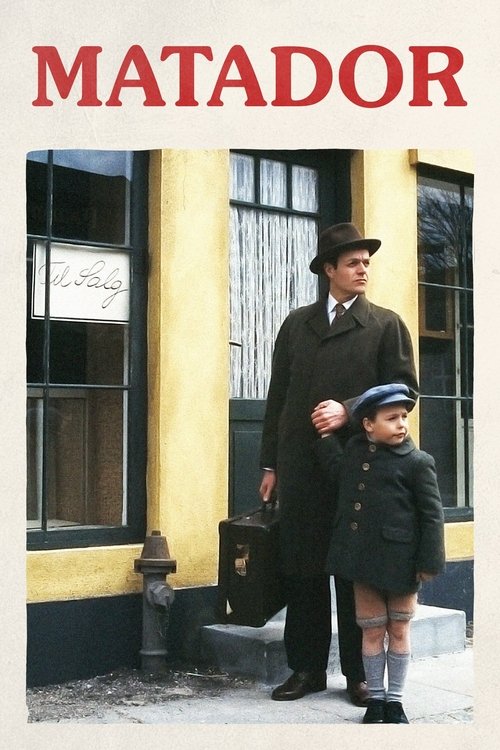
Matador is a Danish TV series produced and shown between 1978 and 1982. It is set in the fictional Danish town of Korsbæk between 1929 and 1947. It follows the lives of a range of characters from across the social spectrum, focusing specifically on the rivalry between the families of two businessmen: The banker Hans Christian Varnæs, an established local worthy, and social climber Mads Skjern, who arrives in town as the series opens. The name Matador was taken from the localised edition of the boardgame Monopoly, also the series' tentative English title. In addition, in contemporary Danish a "matador" is often used to describe a business tycoon, in the series referring to the character of Mads Skjern and his craftiness as a self-made entrepreneur. Directed by famed Danish film maker Erik Balling, Matador was the idea of author Lise Nørgaard who wrote the bulk of the episodes alongside Karen Smith, Jens Louis Petersen and Paul Hammerich. The series is one of the most well-known and popular examples of Danish television and represents the peak of longtime development of Danish TV drama by the public service channel Danmarks Radio. The series has become part of the modern self-understanding of Danes, partly because of its successful mix of melodrama and a distinct warm Danish humour in the depiction of characters, which were portrayed by a wide range of the most popular Danish actors at the time; but also not least because of its accurate portrayal of a turbulent Denmark from around the start of the Great Depression and through Nazi Germany's occupation of Denmark in World War II.
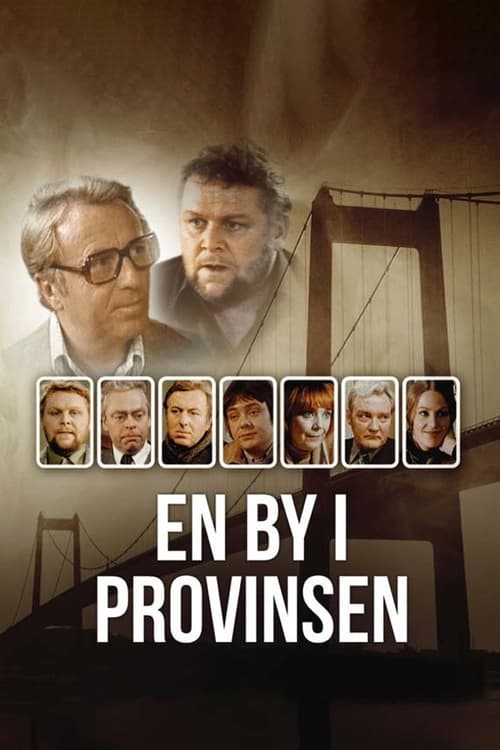
In 1970s Denmark, the criminal police in a provincial town solve different criminal cases, when the police was dominated by men and DNA was not yet a tool in investigation.
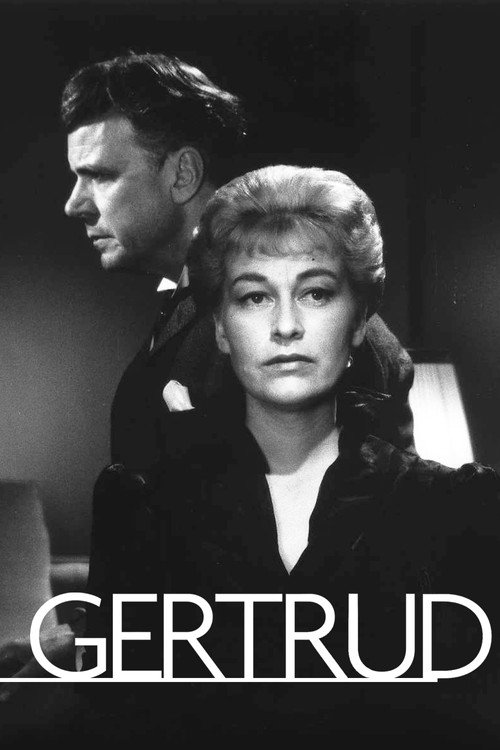
Hopeless romantic Gertrud inhabits a turn-of-the-century milieu of artists and musicians, where she pursues an idealized notion of love that will always elude her. She abandons her distinguished husband and embraces an affair with a young concert pianist, who falls short of her desire for lasting affection. When an old lover returns to her life, fresh disappointments follow, and Gertrud must try to come to terms with reality.
No description available.
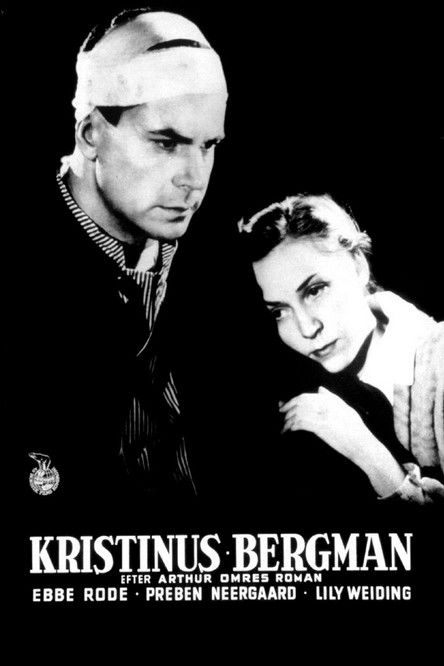
Danish noir crime drama with a poetic nerve. Two boys, Kristinus and Jakob (Rode and Neergaard) experienced a loveless and abusive childhood. Now as grown-ups, they are acting outside the law.
The first of 14 Olsen Gang films presents us with Egon Olsen, head of the gang, and his friends Benny and Kjeld, who want to become the best known gang in Denmark and eventually Europe by stealing a famous Bavarian work of art currently displayed in a Copenhagen museum. Although Egon's plan works out fine, there is only trouble ahead for the little gang.
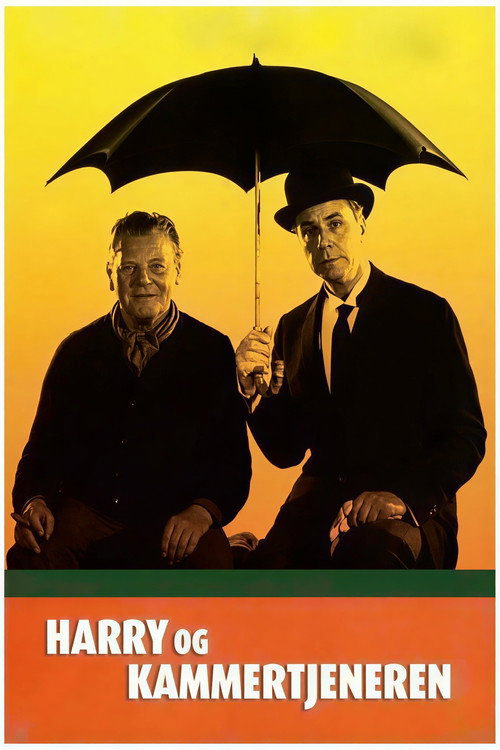
A gentle comedy offering the promise of easy social consensus. Harry (Helmuth) is a simple old-time shop porter offered a chance at self-realisation when he's bequeathed a sum by an unknown relative (via several levels of fiscal blood suckers). He decides to engage a butler to take good care of him for a time. This is a man of distinguished upper class service, but a generous nature which happily integrates with Harry's small but colourful world of drinking buddies and crackpot neighbourhood kids.
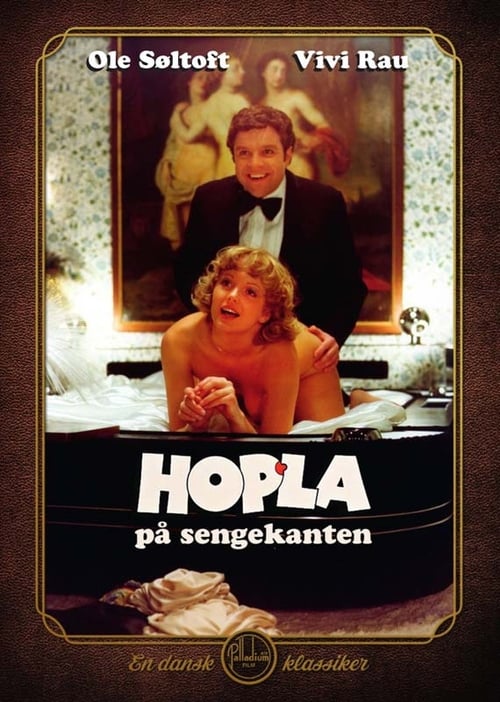
The head of a big engineering firm is a workaholic who neglects his pretty young wife - leading to her joining an "escort" service as a means of sexual relief. All is well, until the escort service is hired to entertain the engineering firm's clients at a swingers' party.
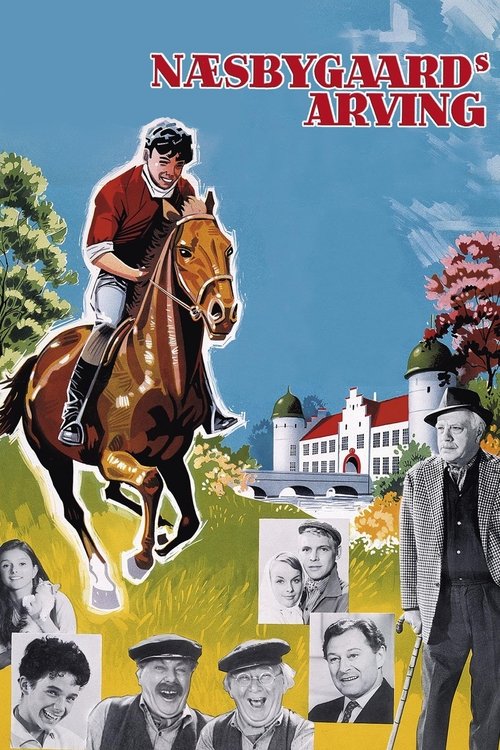
Landowner Martin Kaas lives with his grandson Martin at Næsbygård. Martin is an avid horseman. One day, his horse loses a shoe, so Martin goes to see the village blacksmith Mortensen, where he meets the blacksmith's foster daughter Elise. The blacksmith is known to be an honest and religious man, but no one but Elise knows how brutal and cruel he really is. Elise discovers that her foster father, together with the estate's manager Hermansen, is involved in many shady deals that are not in the best interests of the estate. Martin, who often feels lonely, forms a warm friendship with Elise. One day, Martin disappears, and a letter left on his bed reveals that he has been kidnapped and that only a large ransom can bring the boy back.
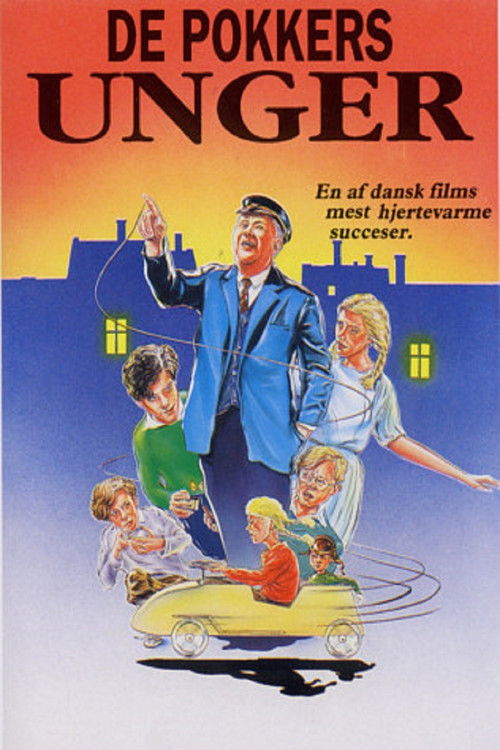
Directed by Danish filmmakers Bjarne and Astrid Henning-Jensen, THOSE BLASTED KIDS tells a story of a group of back-alley urchins that is considered Denmark’s first true children’s film.
Werner (William Rosenberg) is an inspector for group of farmes called Digeskov. Left alone by Digeskovs owner, Werner is tricking small neighboring farmes out of there land. The owners doughter find out and stops Werner and she falls in love with a young poor farmer from a neighbor farm.
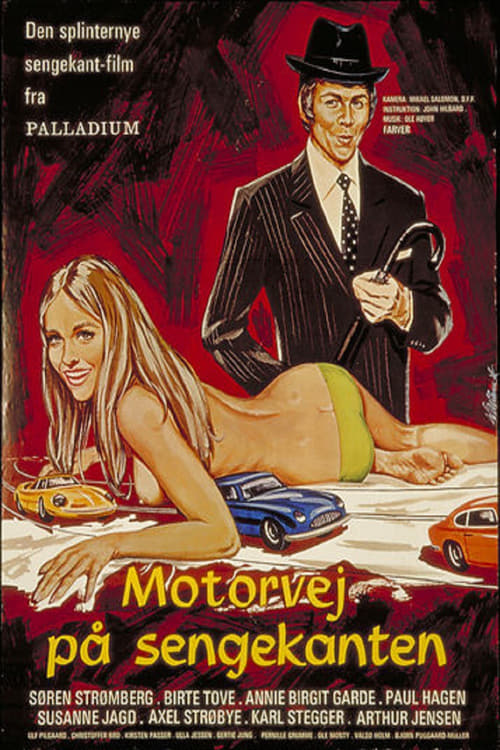
In this Danish sex comedy, precisely opposite goals lead a young official of the Department of Roads and Traffic and all the women of the local village to end up in the sack. His goal is to get them to sign papers allowing a new highway to go through the middle of town. Their goal is to get him to re-route the highway.
Thomas, a naive young dental student, faces a rather difficult challenge. His millionaire aunt, a bit of a sex nut, will give both him and his dental school millions if he can prove that he is sexually able and skillful. His schoolmates hear rumors of this trial, but understand the challenge to be for him to keep his celibacy.
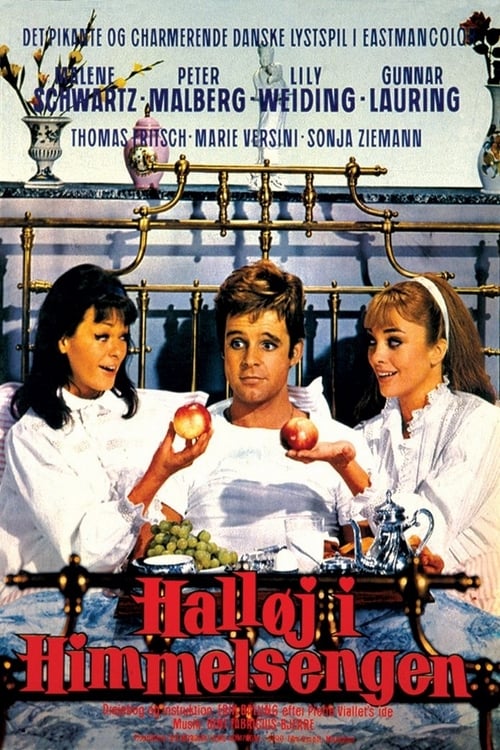
The beginning of the 20th century. The main character is the young, charming Count Pierre de Sauterne. There have been several conflicts between him and his aristocratic uncle, who, due to his fanatical interest in cars, is called Tøf-Tøf. The authoritative older gentleman also has a pronounced weakness for the female sex, and it irritates him that his nephew far surpasses him in this regard. Uncle Tøf-Tøf decides that Pierre must spend his summer vacation in a secluded family villa on the North Sea coast as punishment, but not long into his stay, two charming girls seek shelter from a thunderstorm.
On the idyllic Birkø lives Christian a parish executive officer. He is a brave and honest man, happily married to Martha, and this couple has a son called Theo and he will once take over the farm.
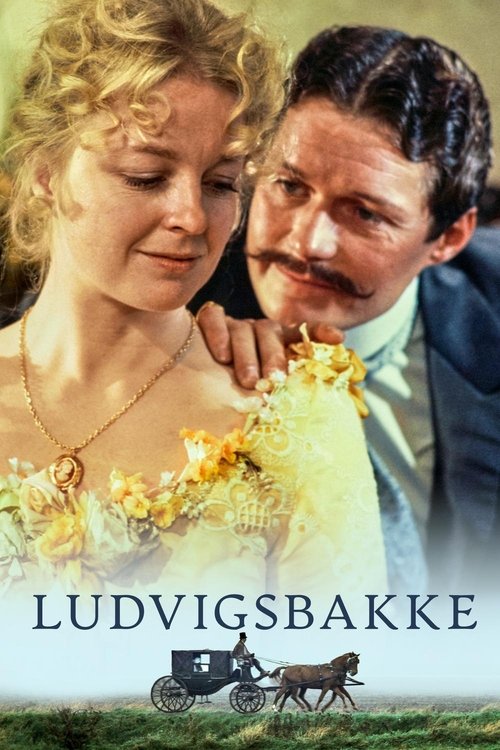
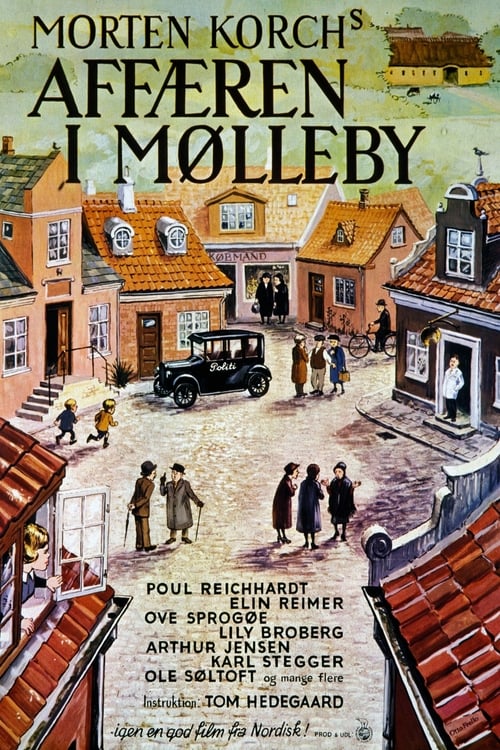
Mølleby is a small, cozy market town. The year is 1924, and the sight of a Rolls Royce from Copenhagen is a sensation. But all is not as idyllic as it seems. The town's new mayor is trying to build a new brickworks to ensure the town's growth and future, but the previous mayor is doing everything he can to thwart these ambitious plans...
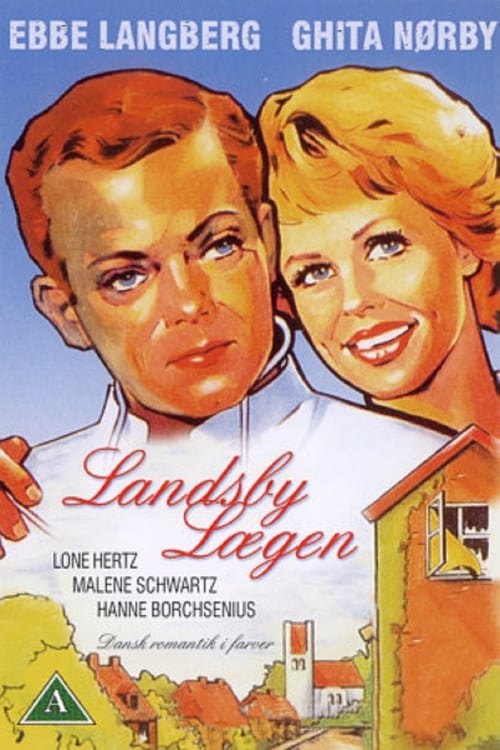
The old doctor, Dr. Bonnesen, is a tired old man. He wants to sell his practice and has been corresponding with the young doctor Jens Winther. Jens arrives in Fjorslev to discuss a possible takeover of Bonnesen's practice and his patients. Bonnesen's beautiful young housekeeper, Anne Mette Krogh, welcomes him. Bonnesen takes a liking to Jens Winther and makes him an offer he cannot refuse.