Acting
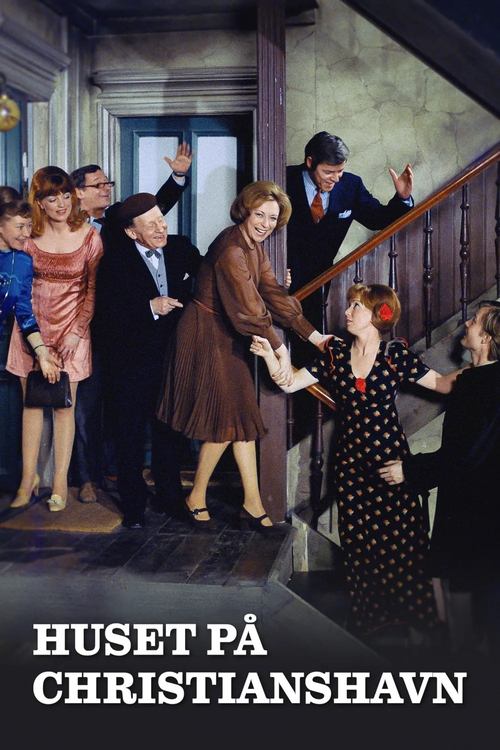
The series follows the residents of an apartment building on Copenhagen's Christianshavn, as they go about their daily lives and challenges. There is Olsen, a mover with an old fashion view of the world, Clausen who runs the local pet shop, Egon the career focused assistant, their wives who work hard to keep their spouses lives together, the young couple Tue and Rikke who recently moved in, the hard working caretaker Meyer, who never puts in to much effort, and of course Emma, the innkeeper of Rottehullet, where all the important decisions are made while running up the bar tab. The series was produced by Nordisk Film for Danmarks Radio TV station between the years 1970-77. The series' first director was Ebbe Langberg, then Erik Balling and Tom Hedegaard respectively. The series was conceived by an author team of well-known Danish authors such Leif Panduro, Benny Andersen, and Lise Nørgaard.
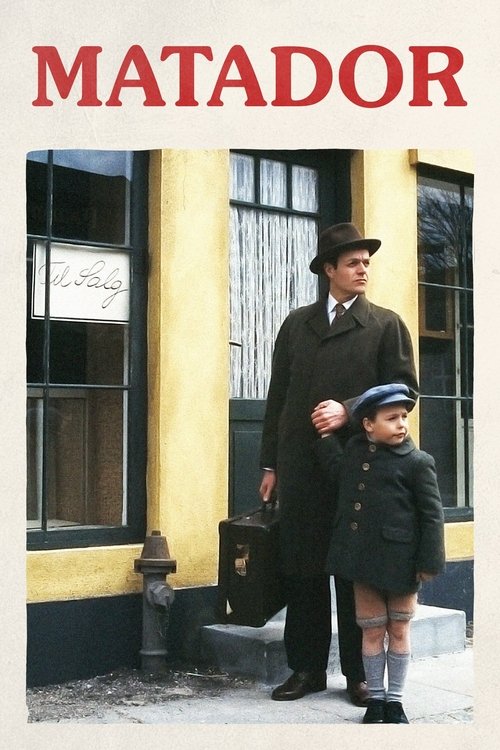
Matador is a Danish TV series produced and shown between 1978 and 1982. It is set in the fictional Danish town of Korsbæk between 1929 and 1947. It follows the lives of a range of characters from across the social spectrum, focusing specifically on the rivalry between the families of two businessmen: The banker Hans Christian Varnæs, an established local worthy, and social climber Mads Skjern, who arrives in town as the series opens. The name Matador was taken from the localised edition of the boardgame Monopoly, also the series' tentative English title. In addition, in contemporary Danish a "matador" is often used to describe a business tycoon, in the series referring to the character of Mads Skjern and his craftiness as a self-made entrepreneur. Directed by famed Danish film maker Erik Balling, Matador was the idea of author Lise Nørgaard who wrote the bulk of the episodes alongside Karen Smith, Jens Louis Petersen and Paul Hammerich. The series is one of the most well-known and popular examples of Danish television and represents the peak of longtime development of Danish TV drama by the public service channel Danmarks Radio. The series has become part of the modern self-understanding of Danes, partly because of its successful mix of melodrama and a distinct warm Danish humour in the depiction of characters, which were portrayed by a wide range of the most popular Danish actors at the time; but also not least because of its accurate portrayal of a turbulent Denmark from around the start of the Great Depression and through Nazi Germany's occupation of Denmark in World War II.
About when Sweden attacked Denmark in 1658.
Most of the ingredients in this filmed circus performance are familiar and simple, but something special has been added—something as simple as ordinary humanity. They talk and behave just like everyone else.
As a young man, Martin married the daughter of the farm, removed his grandfather from the board of directors, and, with his energy and willingness to work, turned the farm around so that it is now the largest and best-maintained farm in the entire region. No one likes being around Martin. Ruthlessness and stubbornness are fundamental elements of his character. He cannot tolerate anyone else around him. His grandfather and wife have long since resigned themselves to the situation, but now something must be done.
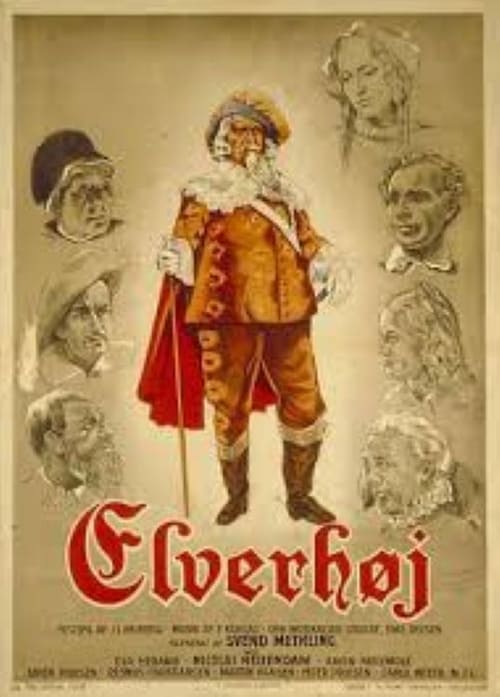
The king's presence, his courtier Poul Flemming, who loves Elisabeth Munk, is to be the king's deputy at the wedding. However, the king hears rumors that the sheriff Albert Ebbesen has often been seen at Elverhøj with an elf girl, and when Ebbesen now arrives, he must explain away his secret meetings with the elf girl to the king.
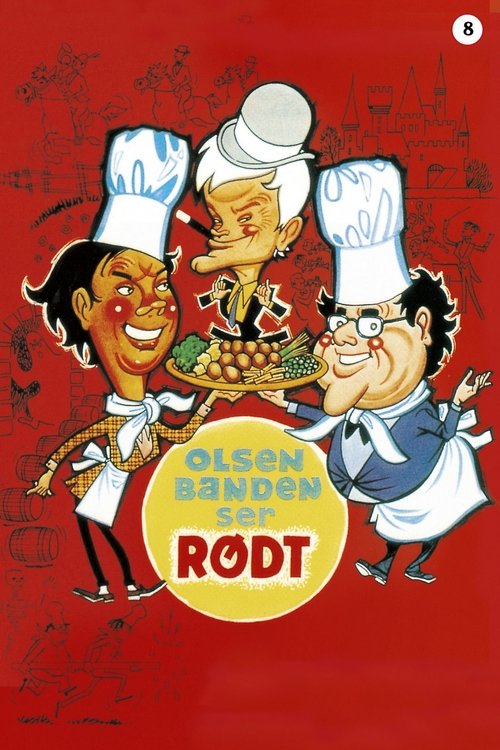
Egon and the gang are hired to stage a robbery of an antique Chinese vase for an economically challenged baron. Naturally they fooled, which infuriates Egon. The gang tries to get back at the baron by switching the vase with a cheap Hong Kong copy. One attempt is made during the barons hunting party, where Egon ends up being bricked up in the catacombs. In another attempt, the gang has to coordinate breaking through several walls at The Royal Theater in Copenhagen with the "Elverhøj" overture.
A tale of wealthy youth in post-WWII Copenhagen.
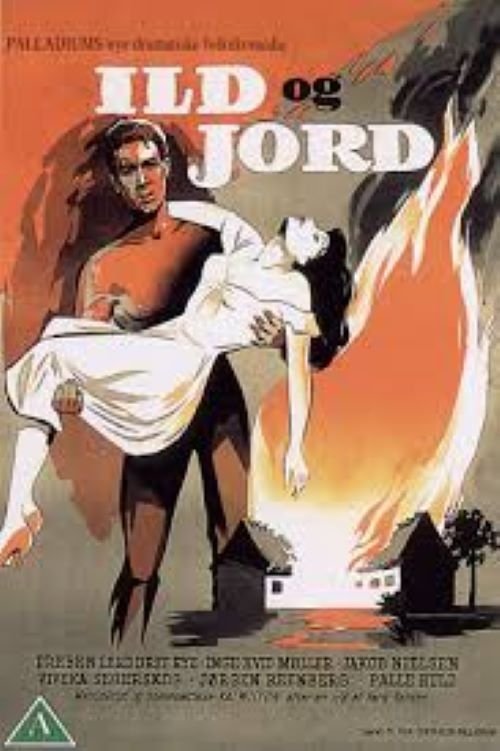
A folk comedy set in a village on the island of Zealand, where a powerful and dishonest businessman tries to trick the traditional owner out of his farm, Svanegården. The businessman wants to sell it to the Germans, but a group of brave people and couples in love manage to prevent this from happening.
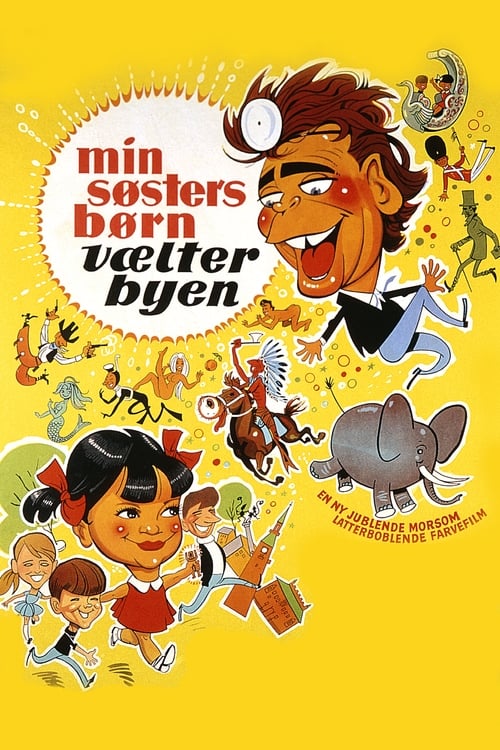
Police constable Møller'og psychiatrist Dr. Mogensen will have something to watch as the Pusle to everyone's surprise finds out that she can do magic. On her birthday she gets sent an ancient, magical figure from her uncle in South America. On the same day Pusle's parents has to travel to London, and the large family is now left to strict aunt Alma.
The entire population of Bomø has gathered for the big day. Finally, after 56 years, the bridge connecting Bomø to the mainland has been completed. With the parish council chairman at the helm and the minister cutting the ribbon to make it official, everything should be in perfect order. However, the county governor is absent, as he has a financial dispute with the ferrymen, brothers Søren and Peter Severinsen.
No description available.
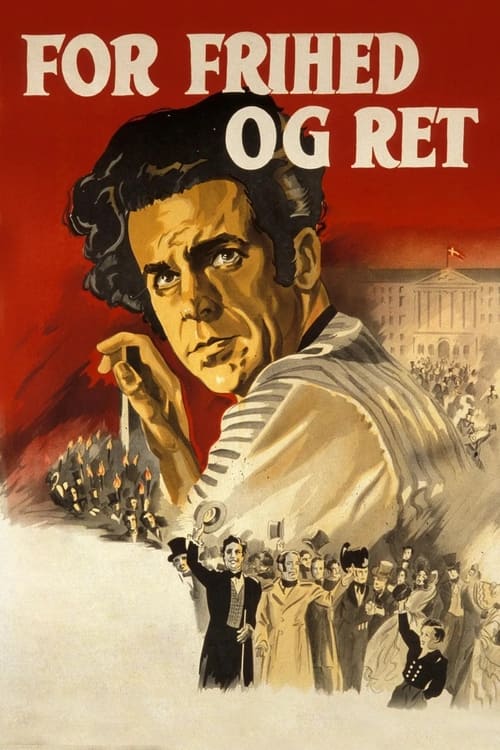
A picture of the life of the Danish people from the late 1820s to the introduction of the free constitution in 1849. A fictional character, Rasmus Nielsen, travels around the country, first as a traveling teacher, later in other positions, and through his experiences we are introduced to the conditions of various population groups. The central figure in the portrayal of historical figures is the politician Orla Lehmann.
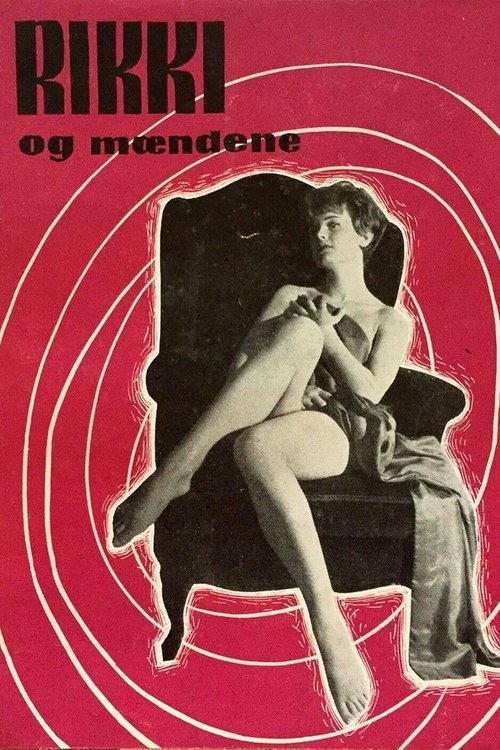
Rikki was devorced recently, and now find herself paying the bills on her own. And life is not cheap, especially when you have a young child to care for. To make ends meet, Rikki begins to frequent a bar where she can work as a prostitute.
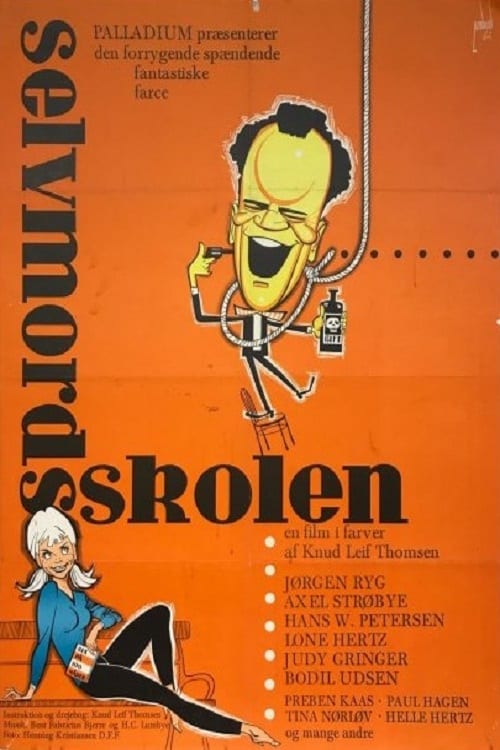
Bizarre satiric tale about an ordinary Danish man disappointed in life and the welfare system. Close to a total collapse he decides to take the easy way out. He seeks help at Doctor X, head of a suicide school that guarantees 100% efficiency.
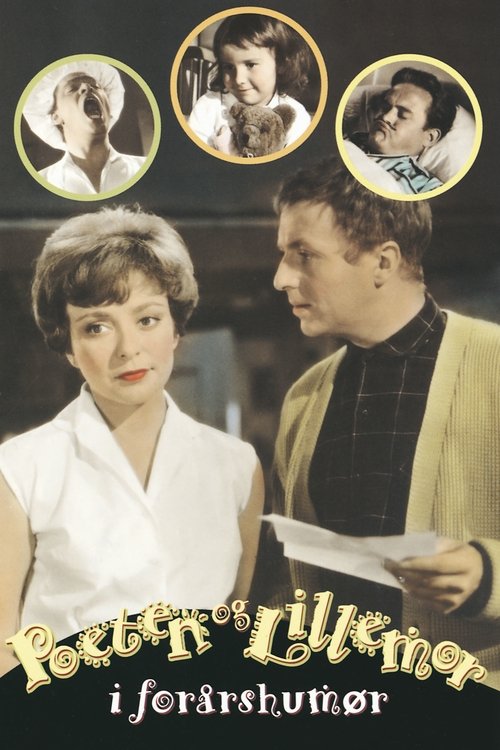
The poet is tired of spring and can't write anything. Meanwhile, Lillemor thinks that spring should be used to get a lot done. Soon, a conflict is brewing. The poet wants to buy a small car, and even though he has no financial sense, he goes ahead and does so without Lillemor's knowledge. She gets angry and wants nothing to do with the car, and this is about to have serious consequences, but thanks to the wise Lillemor, happiness prevails over common sense.
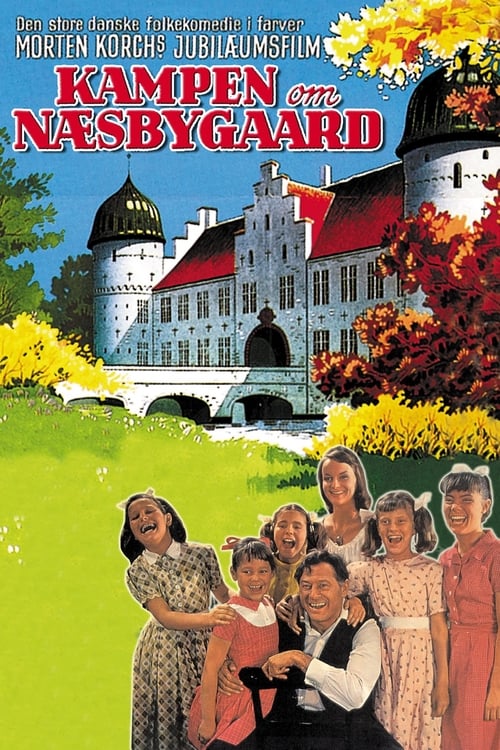
The only daughter of an old landowner has died in Italy after leaving her family 15 years ago. Her son now returns home to Denmark. He threatens the landowner's nephew for his inheritance, prompting the nephew to devise several plans to discredit the boy in the eyes of his grandfather. The plans almost succeed, but thanks to help from the priest, among others, the story ends with a reconciliation between the grandson and his grandfather.
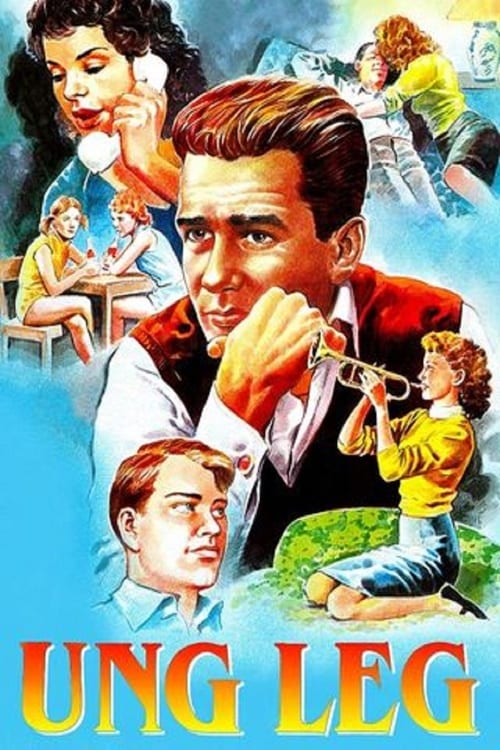
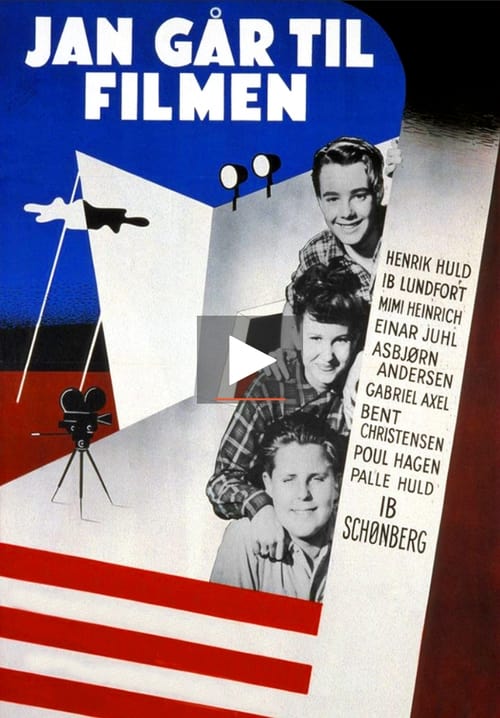
Fourteen-year-old Jan and his companion Erling appear as extras in a film being filmed at Nordisk Film's studios in Valby. A mysterious burglary at the studio's fine mechanics workshop gives the two healthy boys the opportunity to act as detectives.