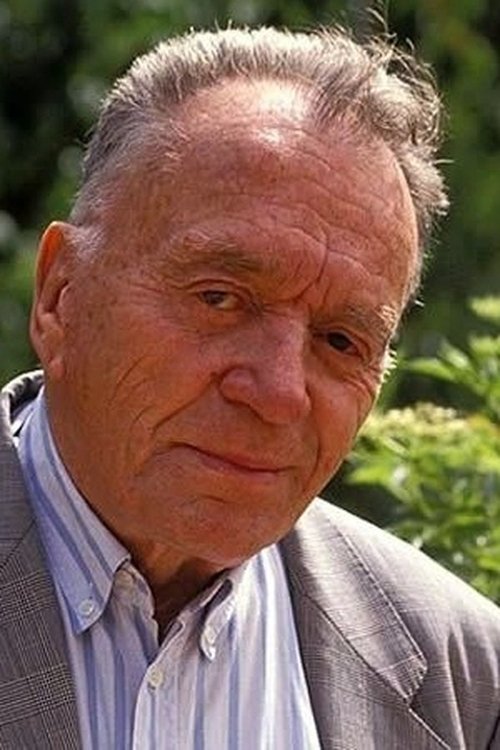
Gilbert Prouteau
Writing
Biographie
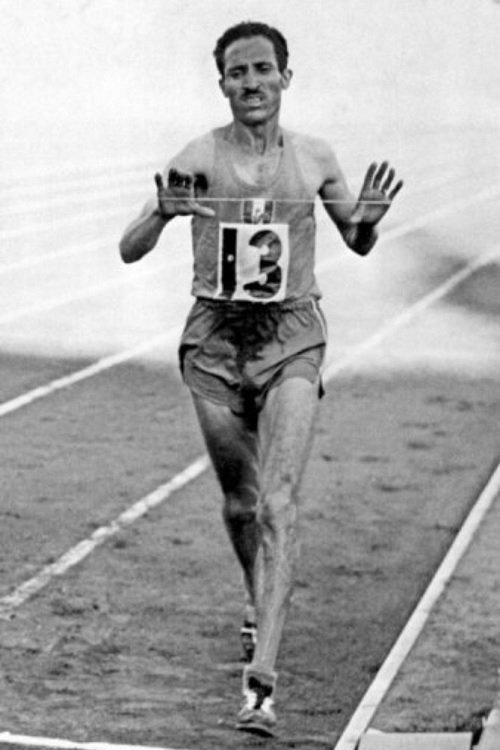
Gilbert Prouteau, né à Nesmy (Vendée) le 14 juin 1917 et mort à Cholet (Maine-et-Loire) le 2 août 2012, est un écrivain, poète, cinéaste et athlète français. En 1939, il est second au championnat d'athlétisme de France dans la discipline du triple saut sous les couleurs du club athlétique des sports généraux (CASG) de Paris. En 1948, à une époque où les médailles olympiques récompensaient, outre les performances sportives, des créations en lien avec le sport dans cinq catégories: peinture, sculpture, musique, littérature et architecture, cet international d'athlétisme obtient une médaille de bronze pour un poème aux Jeux olympiques de Londres. Parallèlement puis postérieurement à sa carrière sportive, il mène des activités de poète, d'écrivain, de scénariste, de cinéaste et de polémiste. En 1961 son roman Le Sexe des anges est en lice pour le Goncourt. Ses prises de position lors du procès en réhabilitation de Gilles de Rais en 1992 sont connues pour avoir eu un large retentissement. Auteur de canulars littéraires avec Simenon ou Robert Desnos, Prouteau a parfois été qualifié de facétieux et de provocateur. Le procès de réhabilitation de Gilles de Rais serait ainsi une «farce monumentale (…) montée avec des comparses de haute volée», mystification dont Prouteau s'amusait encore plusieurs années après. Au début des années 1990, il est, avec Jean-Pierre Thiollet et Jacques Dubois, l'un des collaborateurs les plus renommés de la revue L'Amateur d'art, longtemps dirigée par Michel Boutin. Il est également connu comme le créateur de l'Acedia (Académie européenne pour la défense et l'illustration de l'art de vivre) qui sélectionne et encourage la qualité de vie. Vivant à Treize-Vents en Vendée, il cite pratiquement toujours dans ses livres sa commune de naissance, Nesmy, en Vendée également. Il meurt à Cholet le 2 août 2012. Source: Article "Gilbert Prouteau" de Wikipédia en français, soumis à la licence CC-BY-SA 3.0.