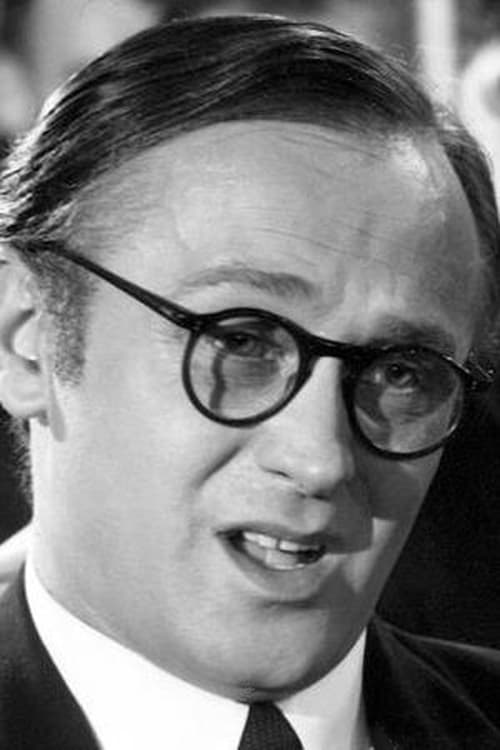
Keld Markuslund
Acting
Known For
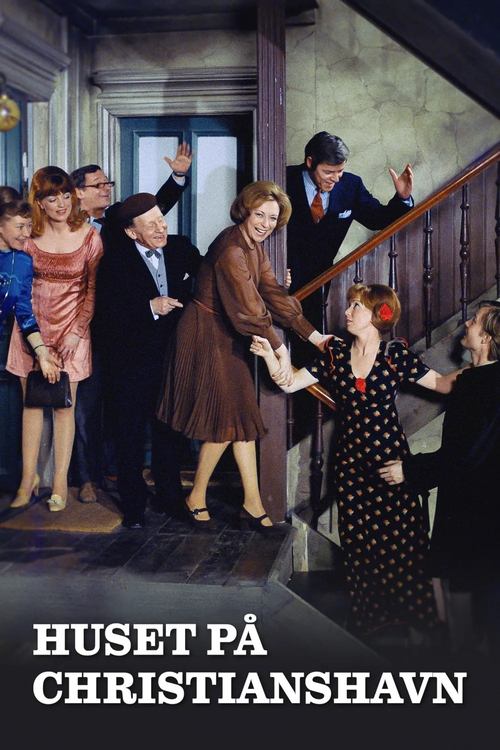
The series follows the residents of an apartment building on Copenhagen's Christianshavn, as they go about their daily lives and challenges. There is Olsen, a mover with an old fashion view of the world, Clausen who runs the local pet shop, Egon the career focused assistant, their wives who work hard to keep their spouses lives together, the young couple Tue and Rikke who recently moved in, the hard working caretaker Meyer, who never puts in to much effort, and of course Emma, the innkeeper of Rottehullet, where all the important decisions are made while running up the bar tab. The series was produced by Nordisk Film for Danmarks Radio TV station between the years 1970-77. The series' first director was Ebbe Langberg, then Erik Balling and Tom Hedegaard respectively. The series was conceived by an author team of well-known Danish authors such Leif Panduro, Benny Andersen, and Lise Nørgaard.
The House at Christianshavn
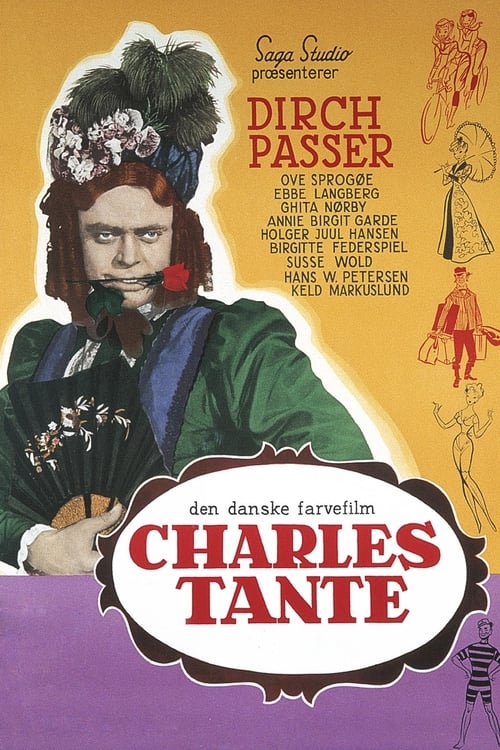
Charles and Peter have passed their law degree and are looking forward to wooing a few girls in the country. For that, they need a chaperone and persuade their fellow student Ditlev to play Charles's aunt from Brazil. Ditlev has a talent for acting and takes the role very seriously, but when Charles's real aunt turns up, things get complicated.
Charley's Aunt

A satire of a typical Danish provincial town ca. 1900 with it's malicious, but merry portraits of the citizens. We meet the misshapen Emanuel Thomsen "Tummelumsen" and the two friends senior examining officer Knagsted and senior teacher Clausen.
Livsens ondskab
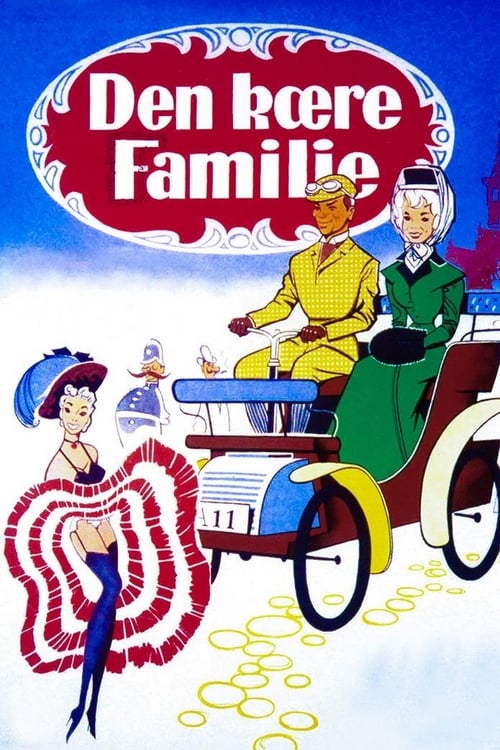
Copenhagen around the turn of the century - December 29th, 1899. Great merchant and shipowner Jacob Friis is one of Copenhagen's richest men. His home is the gathering place for family and friends. Since his wife's dead 10 years earlier, he shares sense of family and business acumen with his three daughters. Jacob wants to find a nobleman for his daughter Emily. Baron Claes is a very charming gentleman, but also a great womanizer...
Den kære familie
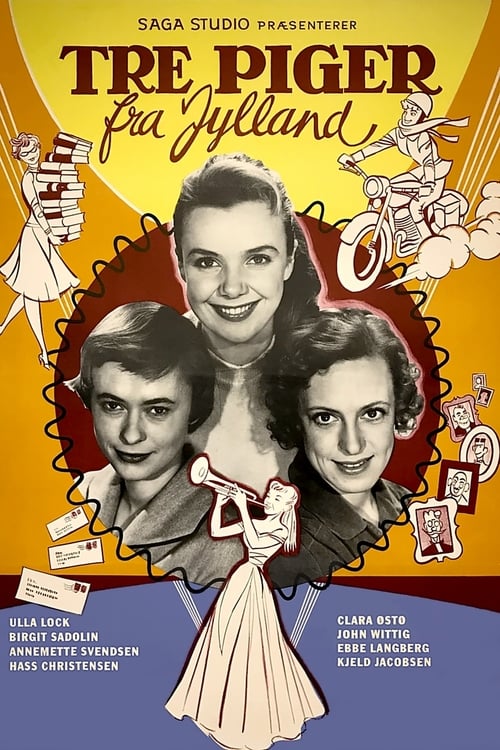
Three girls (around 20 years old) who have grown up in different parts of Denmark get a strange letter. It turns out they are sisters, and will inherit from their late mother, if the can stay together one month in the same house. They end up in a lot of (romantic) trouble, because of speculations of who their father(s) might be.
Tre piger fra Jylland
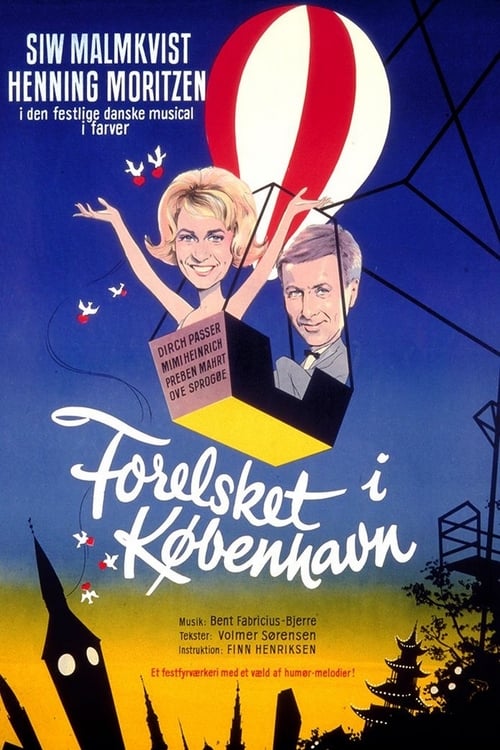
Jan Scharf's band is playing at Grönköbing Folk Park. Pianist Jan flirts with a young female audience member. Her friend notices what is going on, so they have to flee headlong. Back home in Copenhagen, they discover that their old residence has disappeared and a new high-rise building is going up, leaving them homeless. Jan has an uncle in Nyhavn, where he plans to stay temporarily.
Forelsket i København
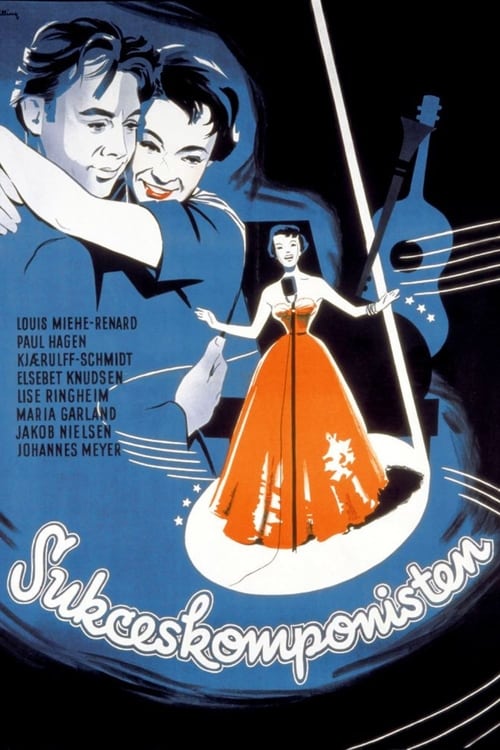
At the Copenhagen Conservatory of Music, Mogens Birk passes his organ exam with distinction. Together with his brother Steen Birk, he has supported himself during his studies by playing in the city's small taverns. Editor Jepsen from Bollerupager attends the exam, with a view to hiring a new organist for the city. At the parish council meeting, Consul Møller's daughter Kirsten, who was educated in Paris, is nominated, but Jepsen has Mogens as his candidate for the position, and he gets the job.
Sukceskomponisten
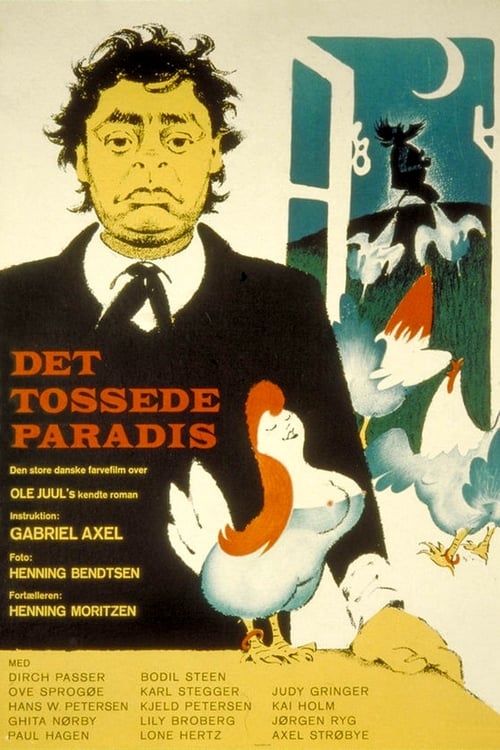
Romantic comedy, based on the discovery that eggs from a particular island provide men with great virility and make them irresistible.
Crazy Paradise
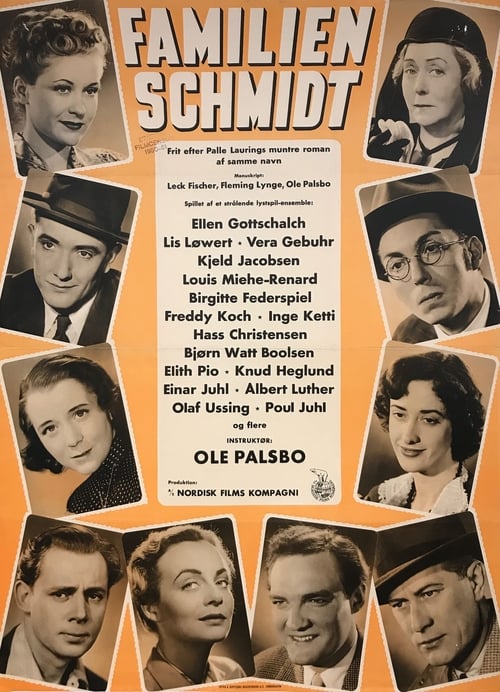
The bank is located in the square of a small, idyllic market town, and its manager, Anders B. Schmidt, is seriously ill in the town hospital. At the beginning of the story, he is quietly passing away. In the wealthy neighborhood of the market town, we find the bank manager's villa, which has been his pride and joy for many years. He leaves behind a deeply grieving widow and four adult children. It soon emerges that the respected citizen had a love affair before he got married, and this causes outrage.
Familien Schmidt
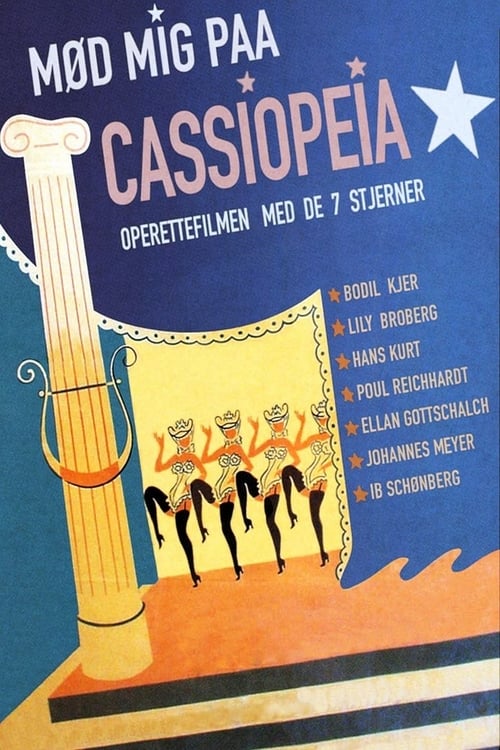
Composer John Berger is plagued by marital problems and struggling with a deadline for the music for an operetta. When he is visited by the muse of music, Polyhymnia, the melodies begin to flow, but she also causes a lot of complications in his earthly life. Like John's wife Irene, she falls in love with flight lieutenant Harry, while her father Zeus looks on disapprovingly and decides to intervene. Meanwhile, the premiere of the operetta is fast approaching.
Meet Me on Cassiopeia
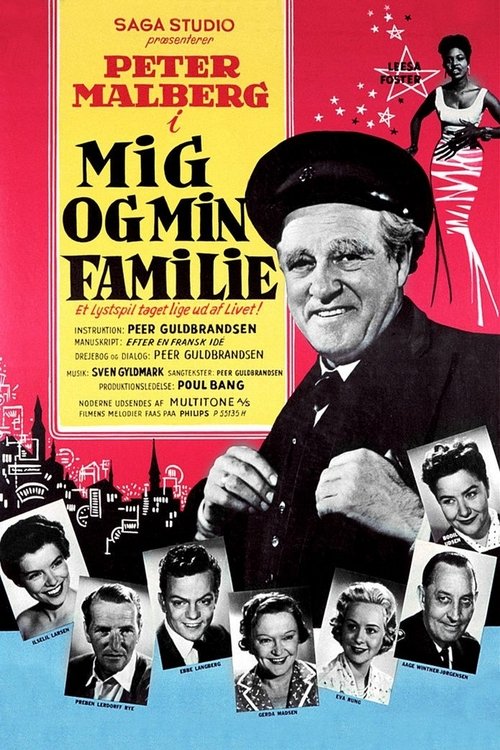
What would you do if you found 20,000 Danish kroner? Just like that? In a woman's purse? And what if no one was looking for it? In other words, if you had the chance to pocket 20,000 Danish kroner, tax-free? Wouldn't you be tempted? The main character in this film is tempted. He is a taxi driver and has a happy family life, but he is struggling financially.
Mig og min familie
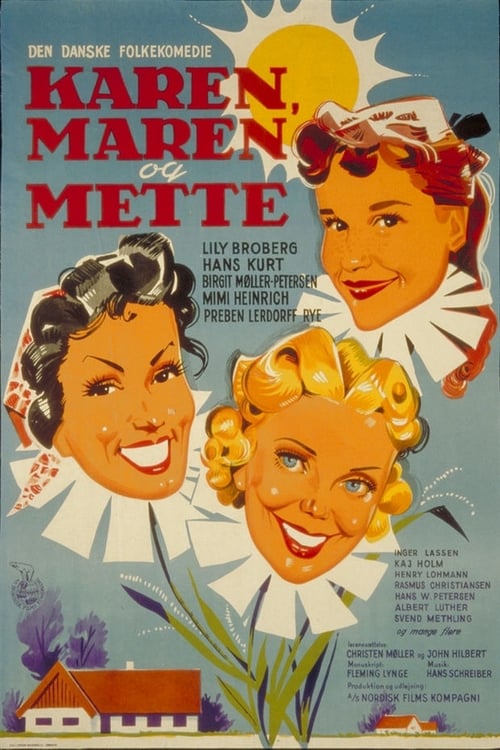
Among the many guests at the Rebild festival is Andreas Andersen, a man in his early 30s. But he has not come to Denmark to attend the big festival. Seventeen years ago, he was a poor farmhand at "Hovgården," but he fled the country because the farmer's wife, the authoritative Martha Larsen, accused him of a theft that was actually committed by her son, Henrik. Andreas came to America and led a turbulent life here before becoming a farmer and earning a lot of money.
Karen, Maren og Mette
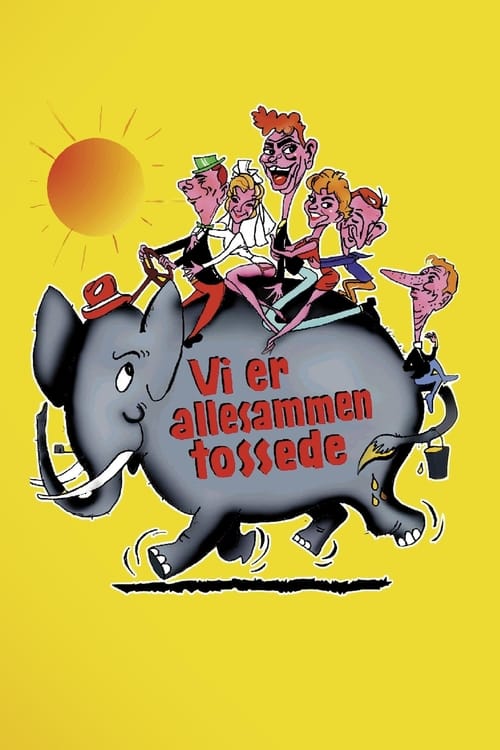
After a gruesome meeting with the tax authorities Alex Alexander takes a drive in the countryside to calm down. While driving, he accidentally runs into an elephant from a circus. When he is stopped by the police and tells them about the elephant they think he is crazy. He is committed to an asylum by the very authorities his taxes are funding. The doctor tries to convince him that the elephants were not really there, but he gets more help from manic fellow patient Knudsen who makes him realize that everybody in the world is crazy in some way.
Vi er allesammen tossede
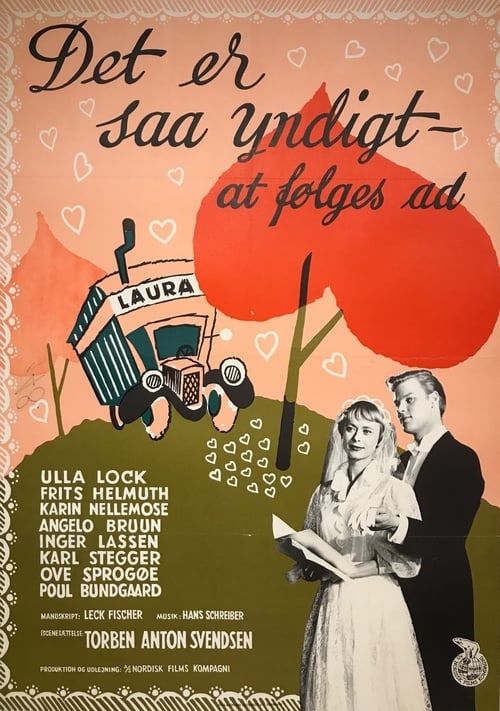
Who decides where the cupboard should go in a marriage? The film begins with three cheerful movers, Karl, Fredrik, and Lasse, struggling with a pompous cupboard because an accountant and his wife cannot agree on where it should go. Of course, they eventually agree. Mrs. Accountant is the one who decides. As the three stable brothers drive the moving van away, they run over a young girl. Her name is Lone, and she is the daughter of the accountant they were moving for. She is taken to the hospital with a broken leg. However, love has also entered the picture.
Det er så yndigt at følges ad
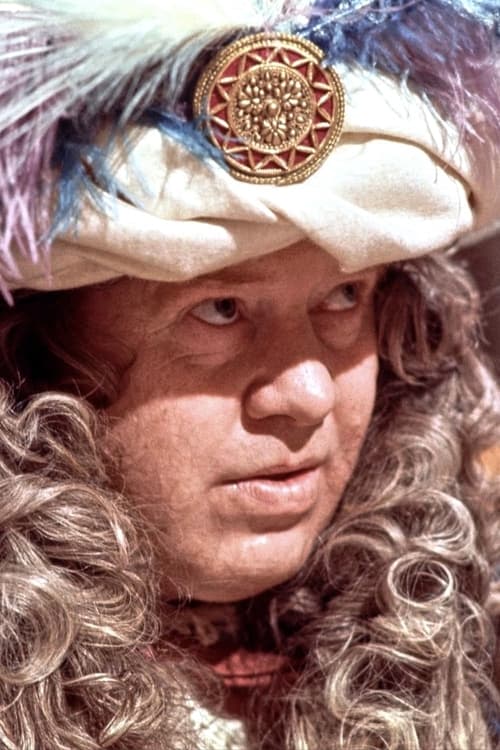
The newly rich Mr. Jourdain dreams of climbing the social ladder in 17th-century Paris. And he makes a fool of himself as he tries to become proficient in philosophy, dance, music, and fencing.
Den fine mand
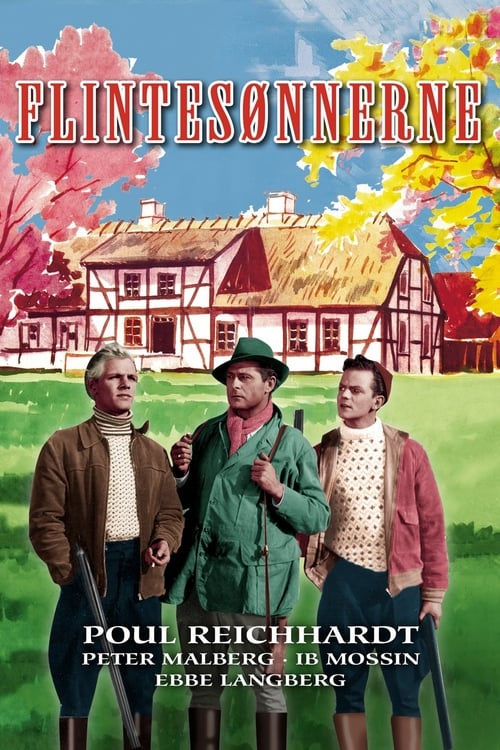
The stubborn and reclusive Kresten Flint lives alone on "Flintegården" with his daughter, Else, who is kind-hearted but not quite normal. One day, the young farmer Jesper Poulsen arrives to propose to Else. His girlfriend has let him down, so he comes with honest intentions—to be good to Else and get the farm back on its feet. Else gives birth to twins, two boys, Viggo and Martin, but she dies in childbirth, leaving Jesper alone with his two boys. Viggo and Martin grow up to be two handsome men who are also inseparable friends—until they fall in love with the same girl...
Flintesønnerne
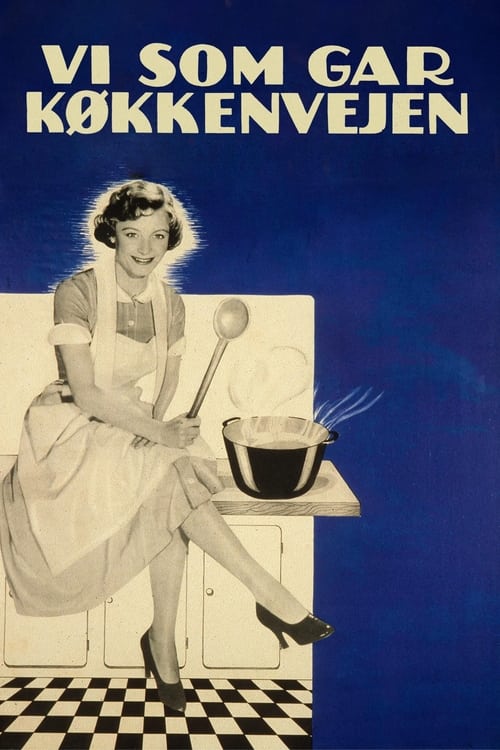
The beautiful and spoiled manufacturer's daughter Helga defiantly bets with her friends whether she can survive a whole year as a working housekeeper without financial help.
Vi som går køkkenvejen
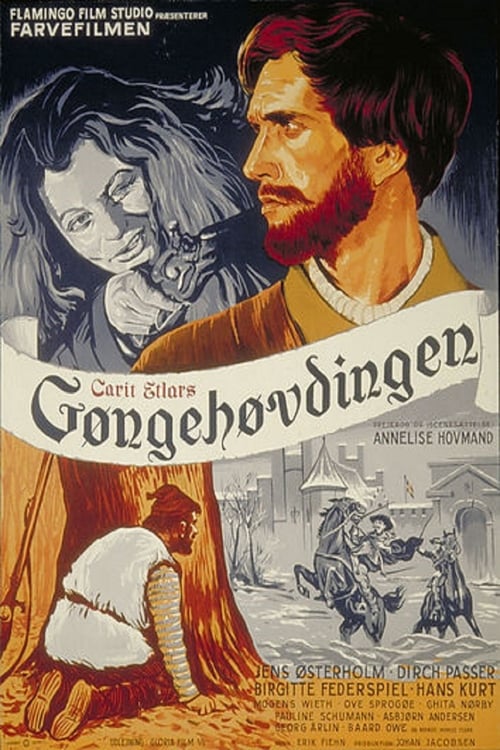
It is the war year of 1658, and the winter in February is so harsh that the belts are frozen. The Swedish King Charles X Gustav, who has arrived in Germany, is now staying in Jutland. He and his army can cross the straits and continue on toward Copenhagen. Svend Gønge is given a particularly difficult task by Frederick III: 50,000 rigsdaler belonging to the king must be brought from Vordingborg Church to Copenhagen.
The Musketeers
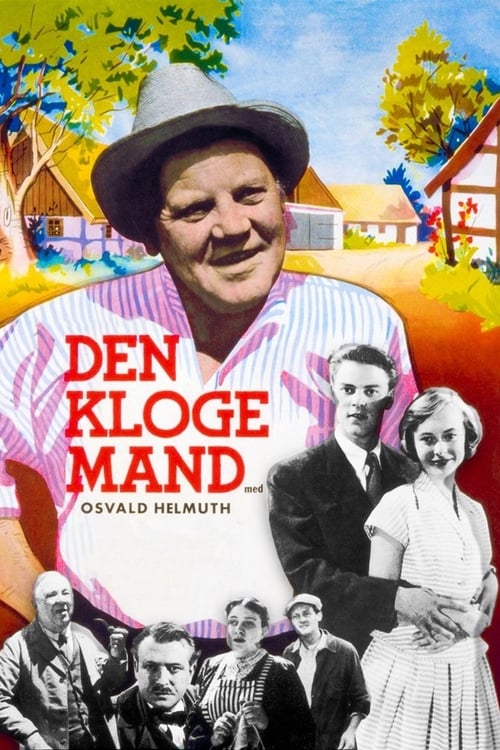
In the small idyllic town Randrup, lives on nature-loving and friendly thatcher Rasmus Thomsen (Oswald Helmuth). In addition to refurbish people's roofs, he runs a small "geschæft" that "The wise man". Son Ulf (Frits Helmuth), which reads the doctor's home on leave before the final exam in Copenhagen. Rasmus' big dream has always been that Ulf had to be "real doctor" and achieve what he always wanted so dearly. By thrift and income have gained through the many patients who seek Him from far and near, he has been able to afford his son's studies. His reputation as a wise man has knowledge of.
Den kloge mand
"Parassiterne" is a 1958 TV film based on Carl Erik Soya's 1929 play. The story follows a group of con artists who live parasitically off others, hiding their true nature behind a facade of normalcy. The film is a stark caricature that exposes human nature and the hidden sides of society. Known for its sharp dialogue and in-depth character portraits, DR's 1958 TV adaptation has contributed to its enduring popularity in Danish culture.