Hans-Henrik Krause
Acting
Biography
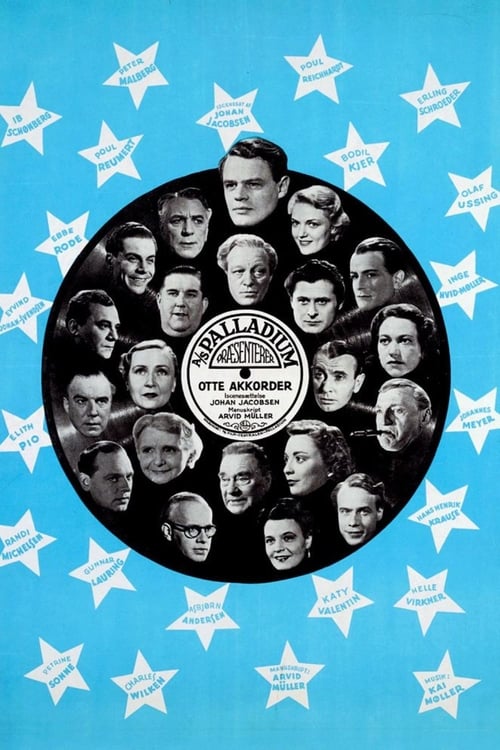
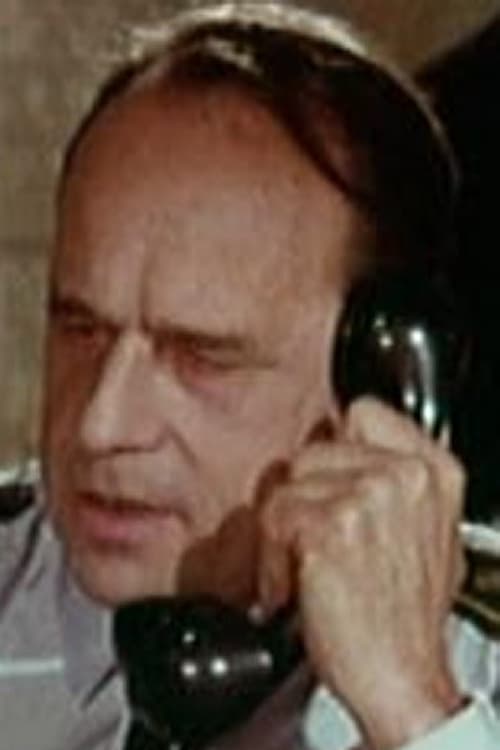
Hans Henrik Krause var søn af politimester Richard Christian Krause (død 1945) og hustru Johanne Elisabeth Pontoppidan (død 1961). Han tog i en tidlig alder til København, hvor han søgte optagelse på Det Kongelige Teaters elevskole, men blev afslået, da man mente han var for ung. I stedet læste han hos Henrik Malberg og blev han uddannet på elevskolen på Aarhus Teater 1937-39. Her debuterede han den 1. september 1937. Efter et par år i Århus tog han i 1941 til hovedstaden og slog hurtig sit navn fast både i teatret og på film. Han spillede i første opførelser af "Silkeborg" og "Vetsera blomstrer ikke for enhver". Under besættelsen var han med i modstandsbevægelsen og blev fængslet. I 1948 klarede han at dublere den store Jason-rolle i "Medea" på Riddersalen, efter at Per Knutzon døde ved et fald fra en trappe efter premierefesten. Det var Hans-Henrik Krauses exhustru, Inge Hvid Møller, der spillede Medea. Blandt hans øvrige roller kan nævnes Marchbanks i "Candida" og Estragon i "Vi venter på Godot". Han var på studierejse til Divodlo Theater i Burian, Prag 1947, Berliner Ensemble !961 og No- og Kabukiteater i Japan 1960 og 62. Fra 1956-58 var han meddirektør (sammen med forfatter og skuespiller Niels Otto Bing 28-12-1907 - 04-02-1985) for Riddersalen og var med til at introducere danskerne for absurd teater med Samulel Becket. Krause instruerede både radio- og fjernsynsteater, i tv spillede han Fouché, Napoleons politiminister, i "Kamæleonen" i 1960, og på Landsskolescenen var han direktør Hoff i "Anna Sophie Hedvig" i 62. I 1960´erne og 70´erne blev han en af landets bedste instruktører, især med Brecht forestillinger på Aalborg Teater i 1961-64. Krauses succes "Mutter Courage" omarbejdede han til tv i 62, og han fik overvældende anmelder- og publikumssucces med "Den kaukasiske kridtcirkel". Han var selv på Aalborgscenen i 63 som kommunisten i "Herr Mississippis ægteskab" Til tv instruerede han "Måne for de mislykkede "i 64. Derefter blev han free lance instruktør af forestillinger på Folketeatret, Det Ny Teater, Det ny Scala samt på Det kgl. Teater. Her iscenesatte han blandt andet "Tribadernes nat", "Tre høje hatte" og "Chez nous". På Det ny Scala var han iscenesætter af "Tango" på Folketeatret "Åh, sikken dejlig krig" samt "Mutter Courage", "Den kaukasiske kridtcirkel", "Hr. Puntila" og "Svejk". Også på TV-Teatret i samme årtier var han instruktør på forestillinger som "Stuepigerne" og "Fødselsdagsselskabet". I 1980erne blev han igen primært skuespiller og medvirkede i "Mod til at dræbe" på Teatret ved Sorte Hest og i "Autumn and Winter" på Cafe Teatret som nogle af de bedste. I 90erne var han tilknyttet ensemblet hos Dr. Dante på Aveny og hvor han - kun afbrudt af et gæstespil på Det kgl. Teater i "Efter orgiet" - spillede i fx. "Mågen" og "Jagten", "Åbne hænder" og "Dr. Dantes elektroniske komedie". På TV var han bl.a. med i komedieserien "Ugeavisen" og i TV-spillet "Elskere". Han medvirkede i "Bryggeren", hvor han spillede billedhuggeren H.V. Bissen. På film huskes Hans-Henrik Krause fra "Otte akkorder" fra 1944. Hans-Henrik Krause blev den 5. maj 1941 gift på Horsens Rådhus med skuespillerinden Inge Hvid-Møller. Ægteskabet blev opløst i 1946. Den 20. december 1950 blev han gift med skuespillerinden Lise Ringheim. Dette ægteskab blev opløst i 1953 og den 9. november 1957 blev Hans-Henrik Krause gift med cand. jur., fuldmægtig i Landbrugsministeriet Marianne Borch (13-01-1932)
Known For

The series follows the residents of an apartment building on Copenhagen's Christianshavn, as they go about their daily lives and challenges. There is Olsen, a mover with an old fashion view of the world, Clausen who runs the local pet shop, Egon the career focused assistant, their wives who work hard to keep their spouses lives together, the young couple Tue and Rikke who recently moved in, the hard working caretaker Meyer, who never puts in to much effort, and of course Emma, the innkeeper of Rottehullet, where all the important decisions are made while running up the bar tab. The series was produced by Nordisk Film for Danmarks Radio TV station between the years 1970-77. The series' first director was Ebbe Langberg, then Erik Balling and Tom Hedegaard respectively. The series was conceived by an author team of well-known Danish authors such Leif Panduro, Benny Andersen, and Lise Nørgaard.
The House at Christianshavn

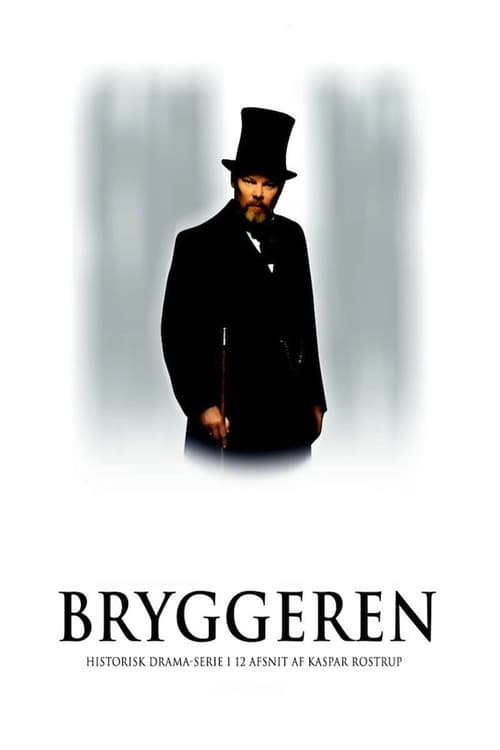
A story about Carlsberg founder JC Jacobsen, his son Carl, and their struggle to create a brewing company, and simultaneously a look at fifty years of Danish history.
Bryggeren

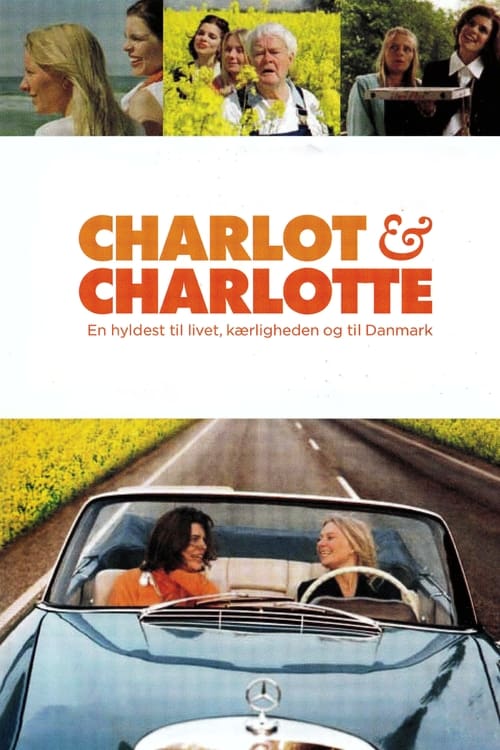
A road movie that tells the story of two very different young women, Charlot and Charlotte, who meet by chance and end up driving together across Denmark from Copenhagen to Skagen. Along the way, they meet a wide range of very different people, from the senile Birksted to the psychopathic mass murderer Poul-Teddy, to a theater troupe and the elderly residents of a nursing home run by a headstrong matron. The naive and provincial Charlotte learns spontaneity from the smart city girl Charlot, while Charlot, in turn, learns from Charlotte to appreciate the experiences close to home.
Charlot og Charlotte

During the occupation in 1944, filmmaker Otto Baumann is murdered. Detective Helge Nielsen stubbornly investigates the case — even as he's hunted by the Germans.
Blackout

No description available.
Hjerteflimmer

No description available.
Sådan er det bare

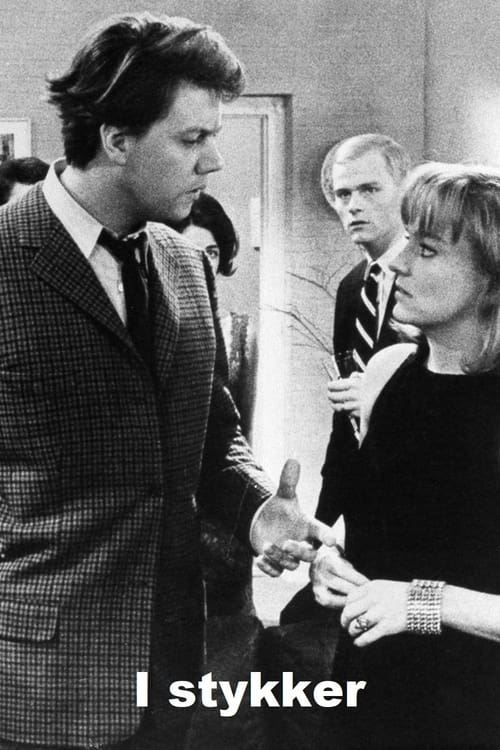
Open marriages, friends and lovers, secrets and lies are all coming to light after a fatal accident during a party. Was it murder? Early Leif Panduro drama.
I Stykker

Two men disappear at the same time, with one of them committing suicide using dynamite. The police try to figure out which one died and what happened to the other.
The Missing Clerk

No description available.
ugeavisen

Ditte is born out of wedlock and lives as a young girl with her old beloved grandmother. As an illegitimate child she is teased in school and more than anything in the world she wants a father. When steady - utterly reliable - herring dealer Lars Petter shows up and tells her that he is marrying Ditte's mother, the little girl is very happy. Now Ditte must take care of three new sisters and brothers but gets nothing but complaints from her ungrateful, selfish mother. But the little girl finds consolation and support in both her sisters and brothers and Lars Petter.
Ditte, Child of Man

This is a film about the stuff dreams are made of, yet, there is nothing elevated in this concept, on the contrary. The characters around the bar Strudsen (the ostrich) are doing what ostriches do, hiding themselves from the threats of life and keeping their dreams to themselves. Scriptwriter Benny Andersen being a poet is rendering a loving portrait of a number of persons, who fail to try to make their dreams come true, possibly not being sufficiently dissatisfied with their life after all. The manager would like a bar of his own but dare not admit to it, the butcher would like to be an opera singer, the window cleaner (sorry, window polisher) is secretly in love with the bar lady, but dare not show it and the pianist willingly listens to all the different dreams being presented to him. This film was the best accomplished movie from Henning Carlsen since his debut with 'Sult'.
Oh, to Be on the Bandwagon!

He freed the slaves in 1848. He spoke out against the king and the government. He loved his wives equally. He was colorful, he was autocratic, he was Denmark's last governor-general of the West Indies, his name was Peter von Scholten. The film about him is a magnificent story of greatness, power, and stubbornness on the one hand, and of love, loyalty, and melancholy on the other. It is a colorful gallery of characters that depicts the times, the Dane in a foreign land—and the black man in relief to the white.
Peter von Scholten

The nameless journalist from Murder in the Dark receives two shocks in quick succession. First, his good friend Kurt is murdered, and then his editor-in-chief sends him to the provinces! Here, a prostitute has been killed at the brothel "Paradise." An apparently insane knife attacker has been arrested. But there is something fishy about the whole thing. A picture of the arrested man's attractive defense attorney entices our hero, and he is thus swept into a series of exciting events that take him behind the city's pretty facade...
Murder in Paradise

The married couple Pierre and Eva live in a conventional middle-class environment, but Pierre increasingly feels alienated from people and things.
Værelset

Solange and Claire are two housemaids who construct elaborate and subversive sadomasochistic rituals when their mistress is away.
The Maids

"Naalen" is the title character in the film, a ruthless black market kingpin whose wake inevitably follows a series of other crimes. How "Naalen" got his strange nickname will not be revealed here, but it can be hinted that it has a close connection to the precious and rare commodity he deals in his "business": insulin.
Naalen

Wild West Danish comedy. The story of four strapping lads who defeat a gang of criminals intent on stealing honest people's gold should not be taken seriously. The four heroes ride ponies, and little effort is made to conceal the fact that the film was shot in Denmark.
Tough Guys of the Prairie

Denmark, 1967. In the midst of a cultural renaissance, all cultured people want to support Danish cinema, especially when it receives funding from the film fund to shoot scenes on location in a bank. The respectable bankers naturally agree to play extras in their own bank and be a little cultured for just one evening. No one suspects that the film's script is the work of "Grosserer Nielsen" from Vesterport, alias "Smukke Arne." No one suspects why "Karate Smutti" is having a field day teaching physical exercises. No one suspects why little Mrs. Jensen in the attic across from Aktiebanken has two nice lodgers. No one knows why Rosa—Dad's own pet—is fussing over her window boxes in the porch. WHO relieved Aktiebanken of 2 million stray dollars is a mystery—except to Judge Vinter. But Handsome Arne and Rose are enjoying an expensive and wonderful vacation—far, far, far away from Denmark.
Pretty-Arne and Rosa

During World War I, the engineer Torben returns home with secret papers from the Russian Tsar to the courier Tuschin, Torben's best friend. Tuschin is found murdered, however, and to solve the murder, Torben stays at his hotel. Here he meets several mysterious people, not least the breathtaking stenographer Inge. But in the hotel, no one is who they pretend to be.
Lady with the Light Gloves

Based on a true story from the fateful day of August 29, 1943, when the Germans disarmed the Danish army and navy. The minesweeper MS 1 plays the leading role in the film about the ship that refused to surrender. The commander, Captain U.H. Gad, camouflaged the boat as a tugboat under the name 'Sorte Shara'. With Sweden as its destination, the boat set sail and experienced hours of excitement as it approached the German observation posts.