Acting
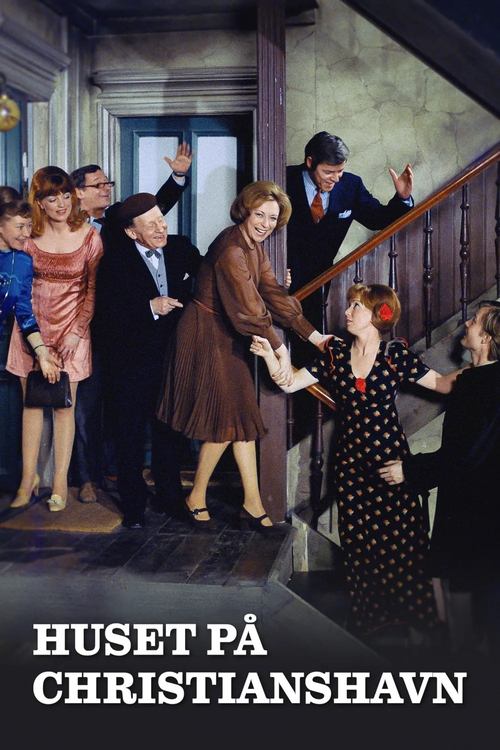
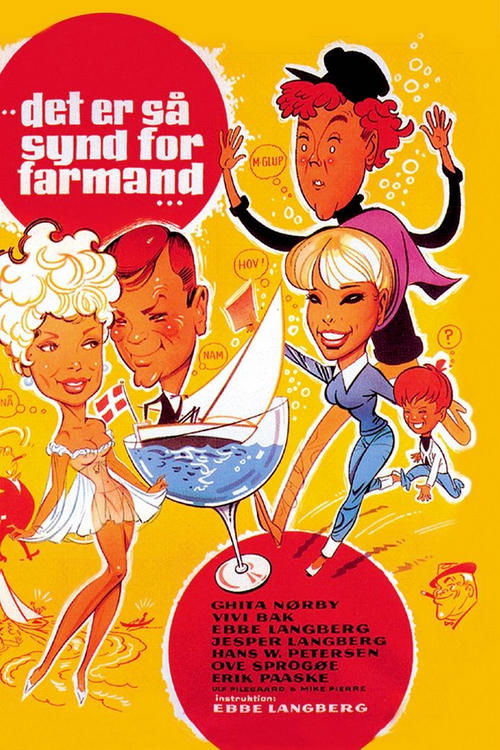
The series follows the residents of an apartment building on Copenhagen's Christianshavn, as they go about their daily lives and challenges. There is Olsen, a mover with an old fashion view of the world, Clausen who runs the local pet shop, Egon the career focused assistant, their wives who work hard to keep their spouses lives together, the young couple Tue and Rikke who recently moved in, the hard working caretaker Meyer, who never puts in to much effort, and of course Emma, the innkeeper of Rottehullet, where all the important decisions are made while running up the bar tab. The series was produced by Nordisk Film for Danmarks Radio TV station between the years 1970-77. The series' first director was Ebbe Langberg, then Erik Balling and Tom Hedegaard respectively. The series was conceived by an author team of well-known Danish authors such Leif Panduro, Benny Andersen, and Lise Nørgaard.
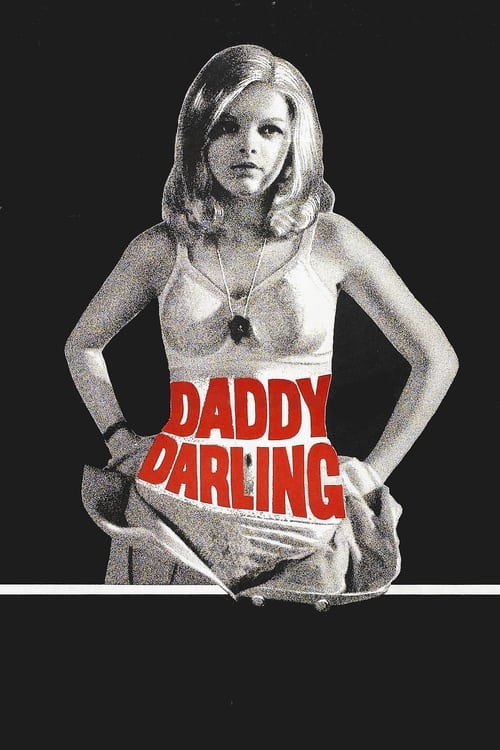
A young Danish girl seduces everything in sight after daddy refuses her naughty come-ons. She'll have a lesbian affair with her teacher, pretend that her teenage boyfriend is dear old dad and finally get to her stepmother.
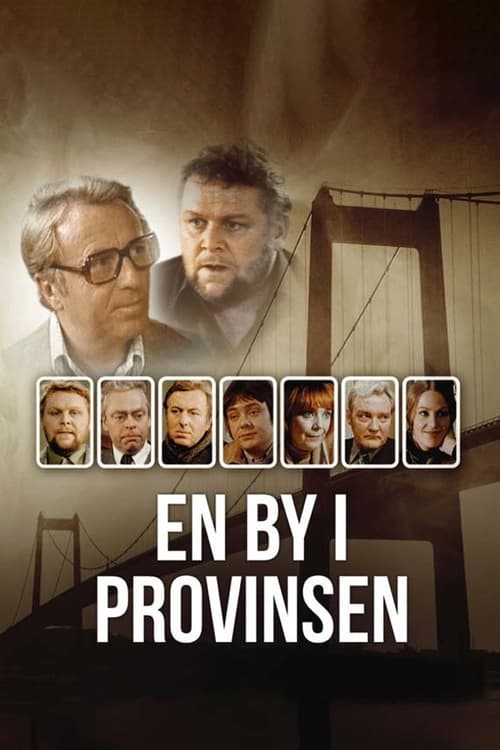
In 1970s Denmark, the criminal police in a provincial town solve different criminal cases, when the police was dominated by men and DNA was not yet a tool in investigation.
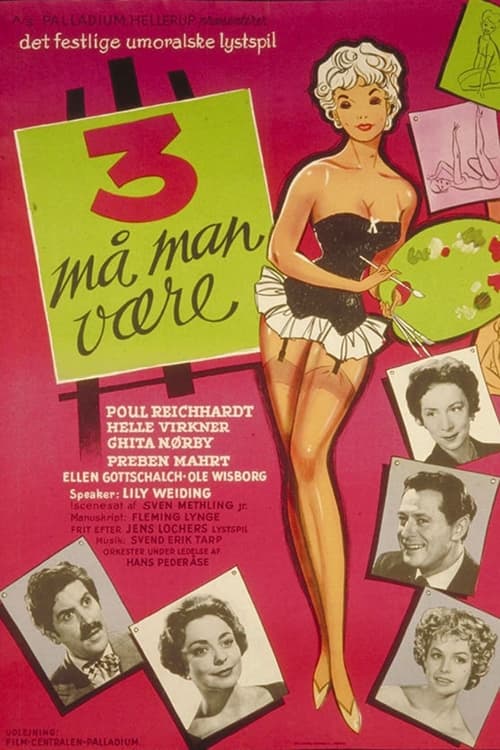
A lawyer has a wife and a mistress. He loves them both equally high and together, they're the perfect wife.
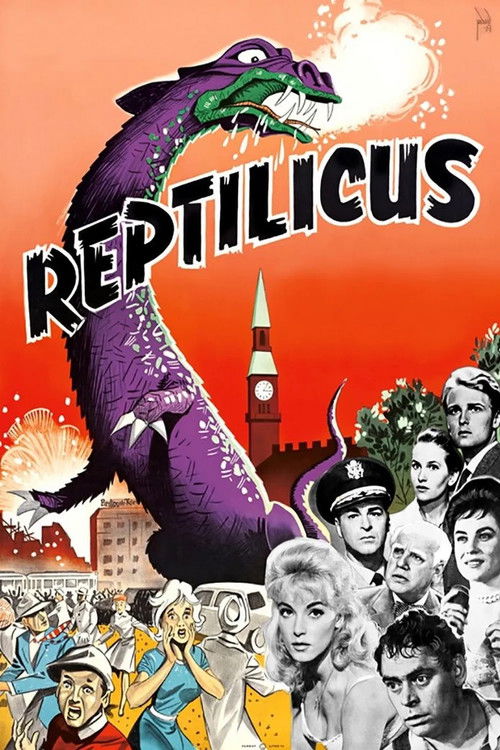
A portion of the tail of a prehistoric reptile is discovered in Denmark. It regenerates into the entire reptile, which proceeds to destroy buildings and property and generally make a nuisance of itself. It can fly, swim, and walk, and has impenetrable scales, which makes it difficult to kill.
After copper miners discover a piece of the frozen tail of a giant prehistoric reptile in Lapland, scientists inadvertently bring it back to life.
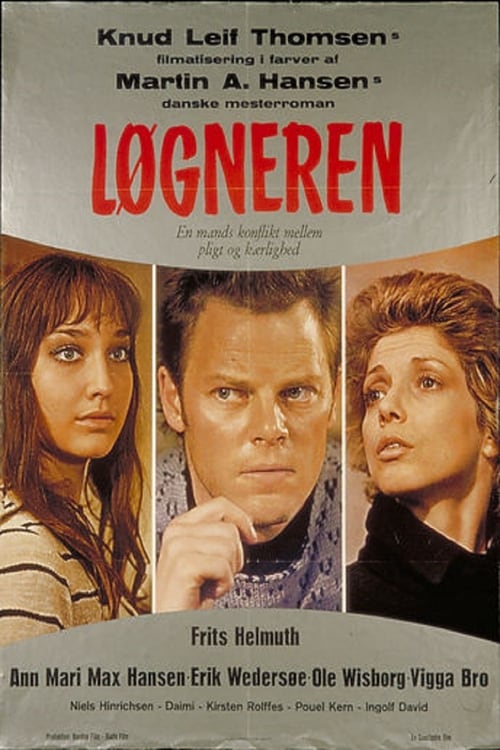
Johannes Vig lives a lonely life on Sandø. He is a schoolteacher, and since Sandø is currently cut off from the outside world due to ice, the island's population must fend for themselves. Johannes is secretly in love with both Annemari, the grocer's young daughter, and Rigmor, the farmer's wife. At the same time, Johannes' life is very bleak, and he finds it difficult to express his love. Life on the island is disrupted by Harry, a young engineer who is courting Annemari. Annemari's boyfriend is currently on the mainland, which is why Johannes is watching over her virtue.
Most of the ingredients in this filmed circus performance are familiar and simple, but something special has been added—something as simple as ordinary humanity. They talk and behave just like everyone else.
The story of the soldier Franz Woyzeck for whom everything breaks down when he finds out about his partner Maria being unfaithful. Consequences are fatal. TV adaptation of Brüchner's 1837 unfinished play.
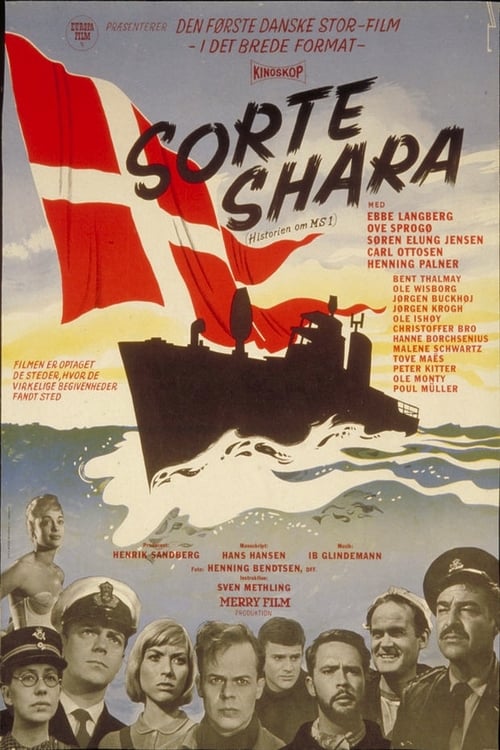
Based on a true story from the fateful day of August 29, 1943, when the Germans disarmed the Danish army and navy. The minesweeper MS 1 plays the leading role in the film about the ship that refused to surrender. The commander, Captain U.H. Gad, camouflaged the boat as a tugboat under the name 'Sorte Shara'. With Sweden as its destination, the boat set sail and experienced hours of excitement as it approached the German observation posts.
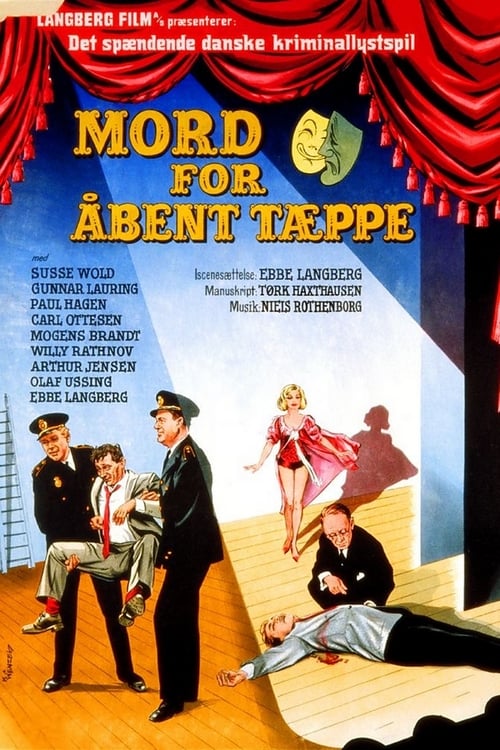
The action takes place in a theater, where actor and theater director Poul Bech is shot by his co-star Eva Berthelsen in the middle of a premiere. The script says he should be shot, but not with real bullets! Everyone at the theater seems to have a reason to want him dead. However, another murder must be committed before the killer can be found.
No description available.
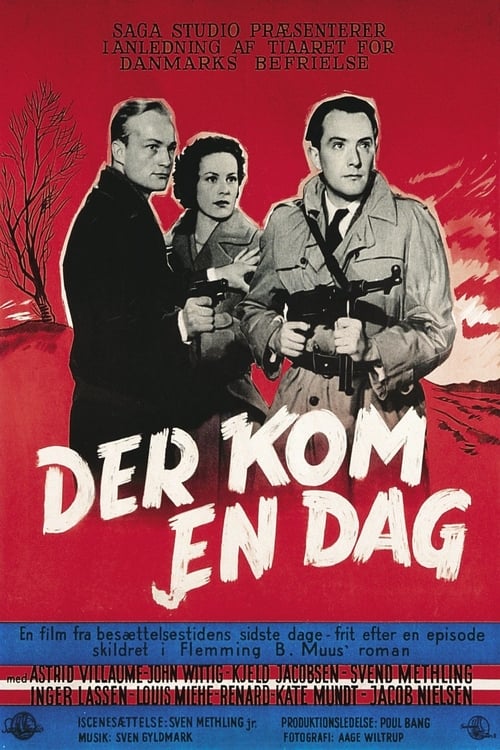
This film is based on a true story, depicted in the novel of the same name, "Der kom en dag" (The Day Came), written by Flemming B. Muus. Quote: On April 9, 1940, we surrendered, under protest, to an army that broke all treaties, attacked our borders, occupied our country, and seized all executive power. But soon, the will to resist was born. Groups of people came together in a common desire to help win the war and liberate our country.
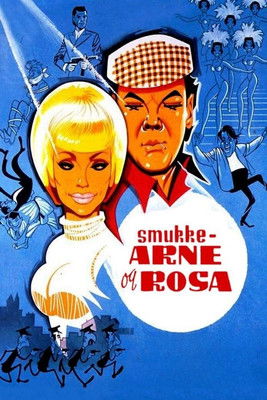
Denmark, 1967. In the midst of a cultural renaissance, all cultured people want to support Danish cinema, especially when it receives funding from the film fund to shoot scenes on location in a bank. The respectable bankers naturally agree to play extras in their own bank and be a little cultured for just one evening. No one suspects that the film's script is the work of "Grosserer Nielsen" from Vesterport, alias "Smukke Arne." No one suspects why "Karate Smutti" is having a field day teaching physical exercises. No one suspects why little Mrs. Jensen in the attic across from Aktiebanken has two nice lodgers. No one knows why Rosa—Dad's own pet—is fussing over her window boxes in the porch. WHO relieved Aktiebanken of 2 million stray dollars is a mystery—except to Judge Vinter. But Handsome Arne and Rose are enjoying an expensive and wonderful vacation—far, far, far away from Denmark.
The only daughter of an old landowner has died in Italy after leaving her family 15 years ago. Her son now returns home to Denmark. He threatens the landowner's nephew for his inheritance, prompting the nephew to devise several plans to discredit the boy in the eyes of his grandfather. The plans almost succeed, but thanks to help from the priest, among others, the story ends with a reconciliation between the grandson and his grandfather.
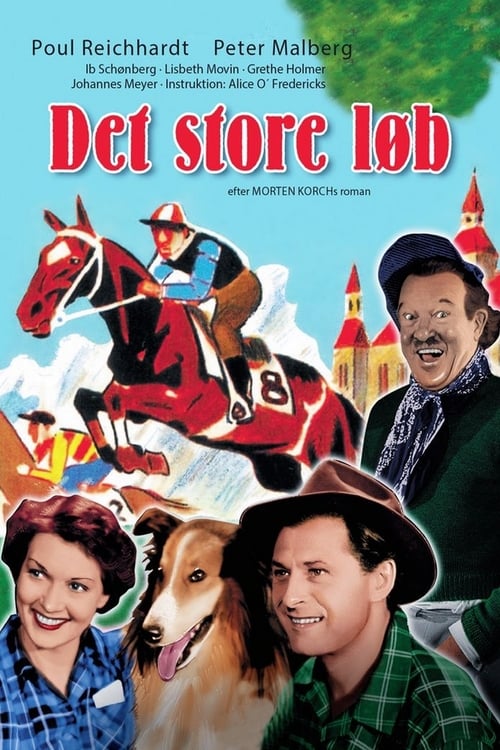
Due to his weakness for women and gambling, the old landowner Vilhelm Stone has ruined his marriage and lost his son and friends. But when he dies, his son Niels returns home from Australia to take over the estate. However, it is not that simple. Lawyers drag out the inheritance case, and initially Niels only inherits the racehorse Ibrahim. Niels is determined to win the big race of the year at the racetrack, and it is here that Poul Reichhardt sings the famous schlager Ibrahim to his horse. In the battle to get the family estate, Niels gets incredible help from his faithful companion, the farmhand Nicholajsen.
Thomas is newly divorced and is borrowing Bibi & Asger's apartment. He goes to the doctor because he is feeling unwell and is given some pills. At home, he gets drunk and is visited by his upstairs neighbor. At the same time, Thomas is being stalked by an unknown man on the phone. When Thomas meets Evy, he thinks they are going to have a nice evening, but she has other guests as well. After a night out on the town where Thomas gets drunk, he seeks out his divorced wife and begs her to come back.
About the young Aarhus businessman Jacob Hansen who is going to a congress in Copenhagen. His competitor in the firm sends his secretary over to spy and bring Jacob into disrepute. The secretary has sympathy for Jacob, creating complications when his wife show up.
Rikki was devorced recently, and now find herself paying the bills on her own. And life is not cheap, especially when you have a young child to care for. To make ends meet, Rikki begins to frequent a bar where she can work as a prostitute.
The con artist Prince Fingernem is a regular customer of the waitresses Mona Lisa and young Vicky at the Trinidad tavern – a small, damp paradise in Nyhavn. But paradise also has a snake, of course, Mr. Schwartz, who has big plans for the area.