Acting
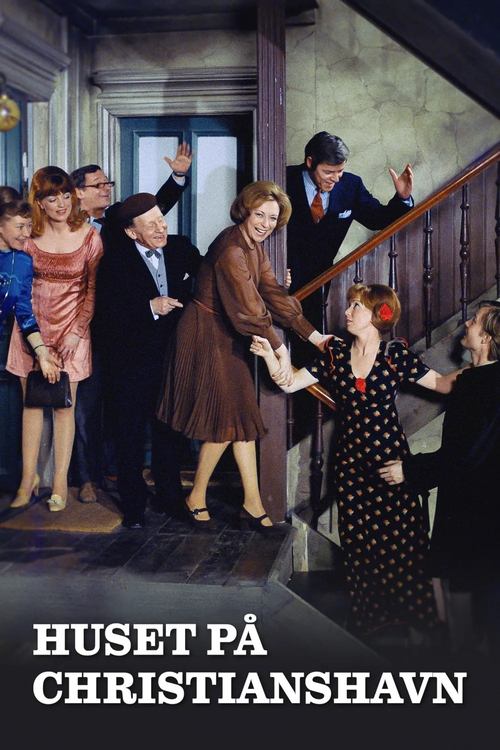
The series follows the residents of an apartment building on Copenhagen's Christianshavn, as they go about their daily lives and challenges. There is Olsen, a mover with an old fashion view of the world, Clausen who runs the local pet shop, Egon the career focused assistant, their wives who work hard to keep their spouses lives together, the young couple Tue and Rikke who recently moved in, the hard working caretaker Meyer, who never puts in to much effort, and of course Emma, the innkeeper of Rottehullet, where all the important decisions are made while running up the bar tab. The series was produced by Nordisk Film for Danmarks Radio TV station between the years 1970-77. The series' first director was Ebbe Langberg, then Erik Balling and Tom Hedegaard respectively. The series was conceived by an author team of well-known Danish authors such Leif Panduro, Benny Andersen, and Lise Nørgaard.
This trucker road movie tells the story of four men driving 30-ton meat-carriers in shuttle service between Denmark and Italy. Against their will, the truckers get involved in criminal activities that flourish as a result of European custom service bureaucracy. Their bonding as friends and their strongly rooted family life help them through.
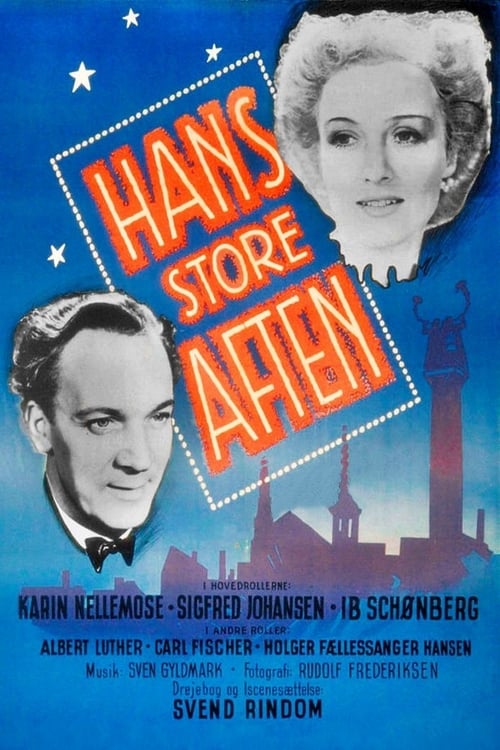
Young Jonas Tofte is a waiter in the theater café, but he is more than that; he is also a poet and has written a comedy that is about to premiere. With this, both he and his sweet little wife, Else, hope to be out of all the difficulties they have come to know so well. Once the premiere is over, all the bills will be paid, and Jonas can stop serving. But many difficulties still lie ahead for Jonas before the premiere is over.
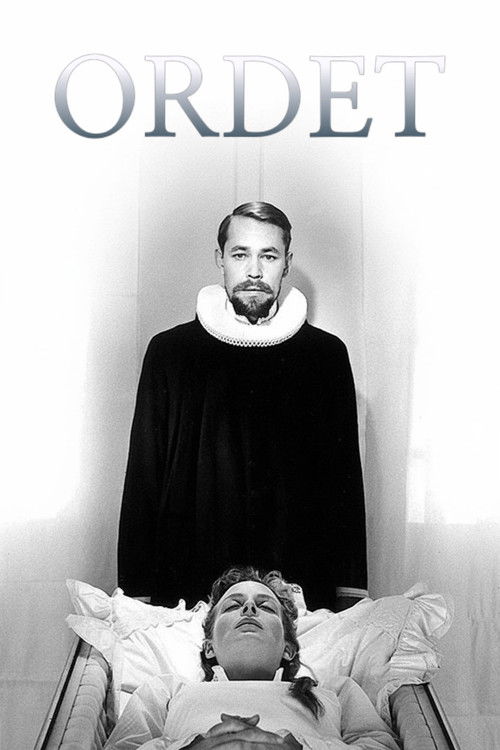
The three sons of devout Danish farmer Morten have widely disparate religious beliefs. Youngest son Anders shares his father's religion, but eldest son Mikkel has lost his faith, while middle child Johannes has become delusional and proclaims that he is Jesus Christ himself. When Mikkel's wife, Inger goes into a difficult childbirth, everyone's beliefs are put to the test.
The mysterious Mr. Steinmetz has acquired the ability to create things and beings by will alone. Only, after a while his creations invariably disappear. He therefore approaches a famous brain surgeon, Max Holst, who he hopes can help him with this problem. When Max refuses, Steinmetz brings his doppelgänger into being to replace him.
Blacklisted in modern day WW2, a Swedish oil trader opts to assist British Allies, by means of infiltrating and surveying Nazi Germany.
No description available.
Director Albrechtsen, who heads a large construction company, is a tough and ruthless businessman. He does not shy away from dubious transactions when they serve his interests, and it is precisely on this basis that he comes into sharp conflict with his employee of many years, civil engineer Humlegaard, and the conflict leads to Humlegaard leaving the company. In the film, we now follow the far-reaching consequences of Albrechtsen's brutal actions.
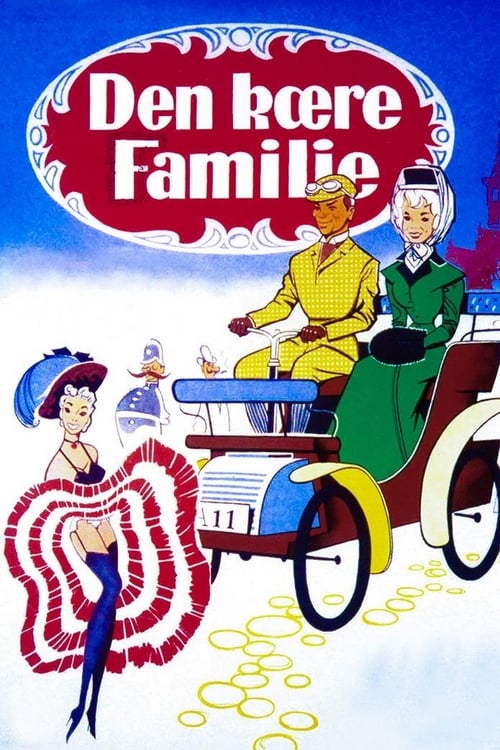
Copenhagen around the turn of the century - December 29th, 1899. Great merchant and shipowner Jacob Friis is one of Copenhagen's richest men. His home is the gathering place for family and friends. Since his wife's dead 10 years earlier, he shares sense of family and business acumen with his three daughters. Jacob wants to find a nobleman for his daughter Emily. Baron Claes is a very charming gentleman, but also a great womanizer...
In a hospital's five-bed room—room number 13—there are five very different men with very different backgrounds: District Court Judge Winther, fashion designer Philip André, bank teller Madsen, the incorrigible burglar Herluf "Smukke Arne" Jensen, and legation secretary Konrad Konradsen. The legation secretary has done something foolish and fallen into the clutches of the blackmailer Helmer Gamtofte. He is in possession of some compromising photographs, which he keeps in a safe deposit box at the bank where Madsen works. The camaraderie that develops in room 13 becomes the driving force that prompts the district court judge to suggest that "Smukke Arne" help Konradsen break into the bank and steal the photos.
With sinister intentions, evil sorcerer Noureddin lures the young Aladdin into a dark cave to retrieve an old lamp that doesn't look like anything special. But: When Aladdin rubs it, the genie of the lamp appears and can grant any of his wishes, whether it's the princess or the entire kingdom.
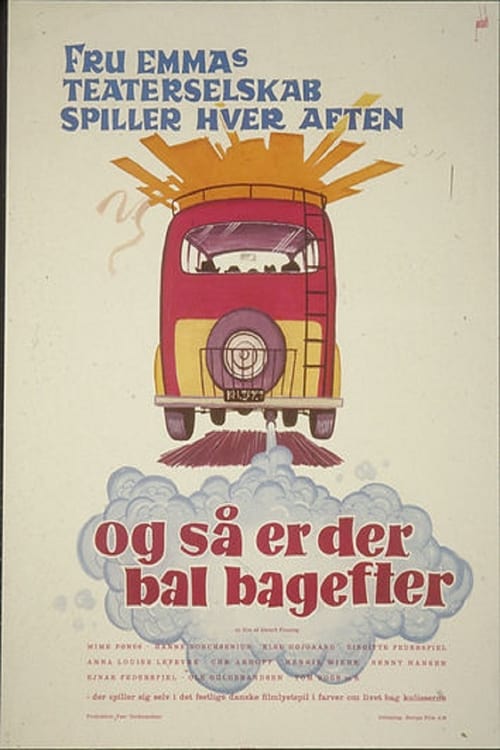
Under the leadership of the authoritative Mrs. Emma, a mediocre theater troupe tours the remote corners of the province. Despite miserable conditions and internal squabbles, the actors keep their spirits up, but for how long?
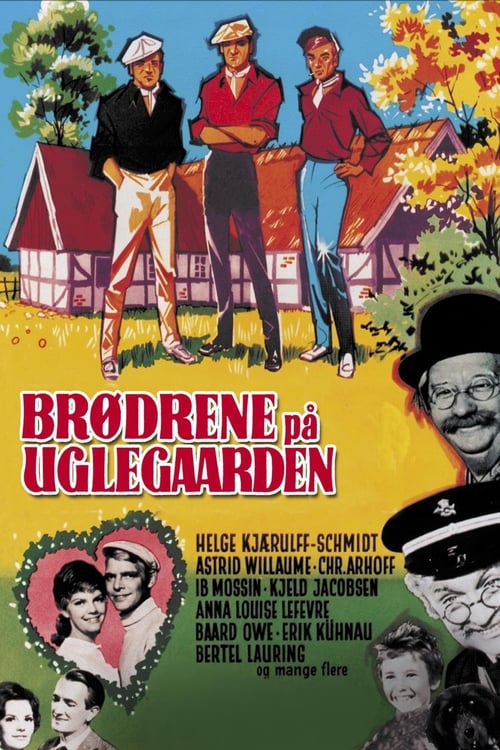
Somewhere on the island of Funen, where the hedgerows surround the meandering fields, lies Uglegaarden. It is the largest and richest farm in the parish, and is owned by the widow Dora and her three brooding stepsons Karl, Viggo and Thomas. Their regular haunt is the village inn, where the crone Sara has to put up with their coarse-grained advances. The three brothers have big plans for the small neighboring farm Mosegaarden. They have discovered that under Mosegaarden's lean fields and high slopes there are large quantities of raw gravel. Chr. Thorup, who owns the site, has mortgaged the farm far above the chimneys. Now the Uglegaards brothers are just waiting for the right time to take over Mosegaarden. But when Thorup's son, Henrik, unexpectedly shows up at Mosegaarden, the three brothers' sinister plans are thrown into disarray.
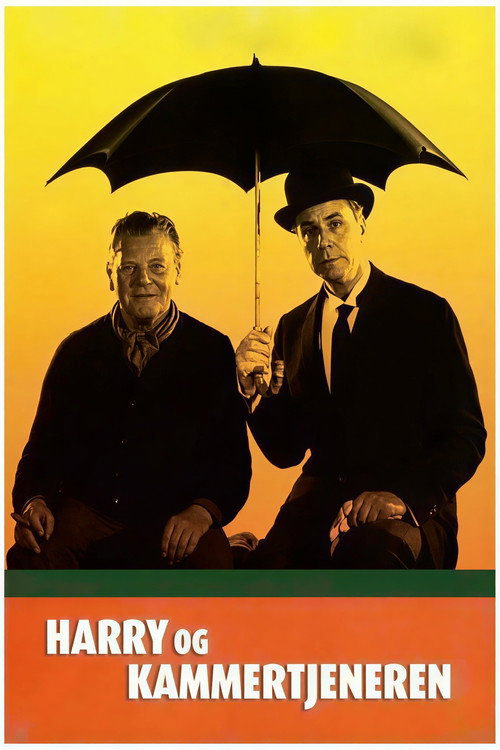
A gentle comedy offering the promise of easy social consensus. Harry (Helmuth) is a simple old-time shop porter offered a chance at self-realisation when he's bequeathed a sum by an unknown relative (via several levels of fiscal blood suckers). He decides to engage a butler to take good care of him for a time. This is a man of distinguished upper class service, but a generous nature which happily integrates with Harry's small but colourful world of drinking buddies and crackpot neighbourhood kids.
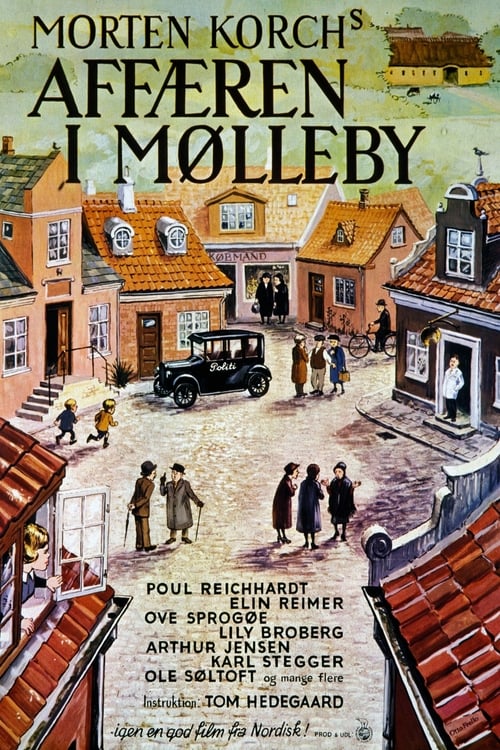
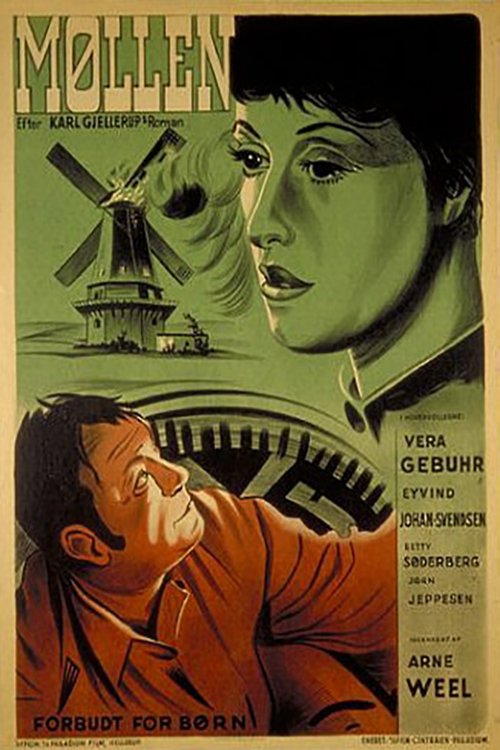
Mølleby is a small, cozy market town. The year is 1924, and the sight of a Rolls Royce from Copenhagen is a sensation. But all is not as idyllic as it seems. The town's new mayor is trying to build a new brickworks to ensure the town's growth and future, but the previous mayor is doing everything he can to thwart these ambitious plans...
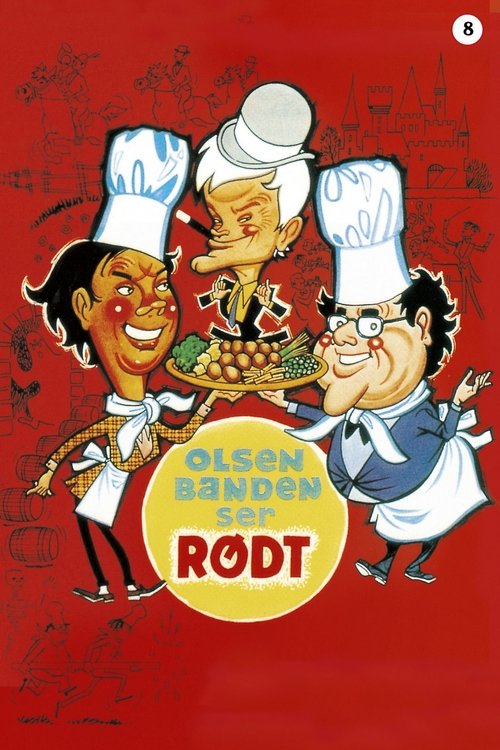
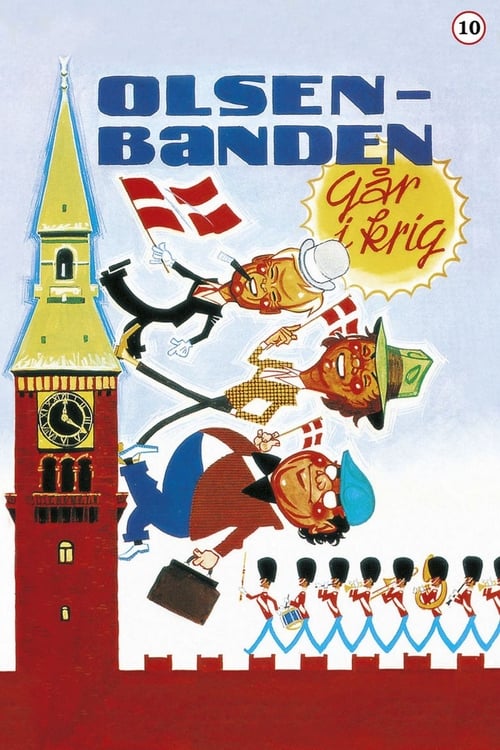
Egon and the gang are hired to stage a robbery of an antique Chinese vase for an economically challenged baron. Naturally they fooled, which infuriates Egon. The gang tries to get back at the baron by switching the vase with a cheap Hong Kong copy. One attempt is made during the barons hunting party, where Egon ends up being bricked up in the catacombs. In another attempt, the gang has to coordinate breaking through several walls at The Royal Theater in Copenhagen with the "Elverhøj" overture.
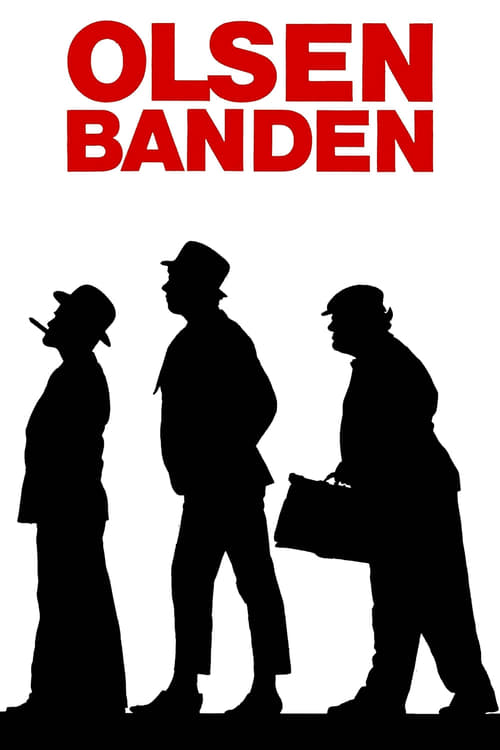
The first of 14 Olsen Gang films presents us with Egon Olsen, head of the gang, and his friends Benny and Kjeld, who want to become the best known gang in Denmark and eventually Europe by stealing a famous Bavarian work of art currently displayed in a Copenhagen museum. Although Egon's plan works out fine, there is only trouble ahead for the little gang.
Some criminal EU ministers plan to turn Denmark into a gigantic fair ground and holiday paradise. Egon gets his hand at some important documents which could both make him rich and take care of Denmark's future.
When Møller Jakob Clausen of "Højmøllen" sits at his wife's deathbed, he makes her promise that if he marries again, he will choose a woman who will be good to their little son, Hans. And in motherly care for her little son, the dying wife mentions the forester's gentle and kind sister, Hanne, who will surely be able to become both a faithful wife for the miller and a good mother for Hans.
In April 1940, the armies of Nazi Germany invaded Denmark. The Danish government promised peaceful cooperation on the condition that Denmark's Jews remained free. The Nazis agreed. In October 1943, the agreement was broken... This is the true and magnificent saga of Denmark's valorous actions to save Danish Jews from Nazi extermination at peril of death!