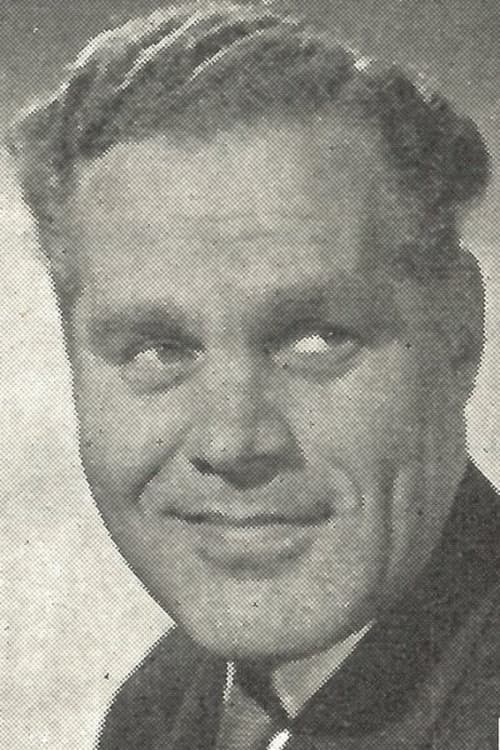
Arne Westermann
Acting
Known For
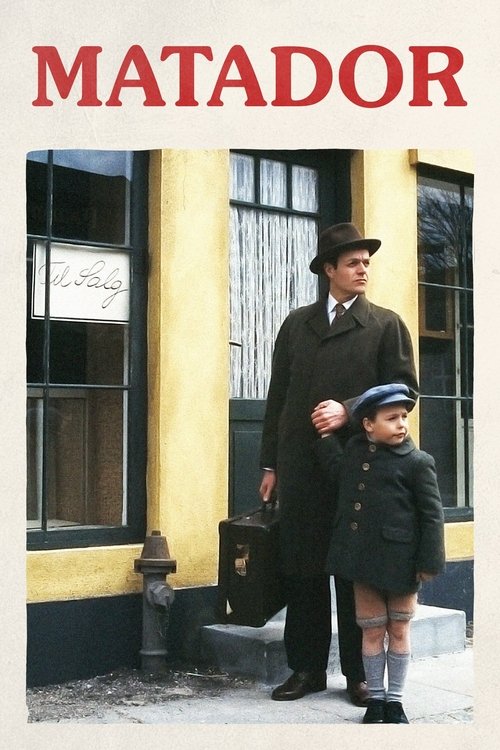
Matador is a Danish TV series produced and shown between 1978 and 1982. It is set in the fictional Danish town of Korsbæk between 1929 and 1947. It follows the lives of a range of characters from across the social spectrum, focusing specifically on the rivalry between the families of two businessmen: The banker Hans Christian Varnæs, an established local worthy, and social climber Mads Skjern, who arrives in town as the series opens. The name Matador was taken from the localised edition of the boardgame Monopoly, also the series' tentative English title. In addition, in contemporary Danish a "matador" is often used to describe a business tycoon, in the series referring to the character of Mads Skjern and his craftiness as a self-made entrepreneur. Directed by famed Danish film maker Erik Balling, Matador was the idea of author Lise Nørgaard who wrote the bulk of the episodes alongside Karen Smith, Jens Louis Petersen and Paul Hammerich. The series is one of the most well-known and popular examples of Danish television and represents the peak of longtime development of Danish TV drama by the public service channel Danmarks Radio. The series has become part of the modern self-understanding of Danes, partly because of its successful mix of melodrama and a distinct warm Danish humour in the depiction of characters, which were portrayed by a wide range of the most popular Danish actors at the time; but also not least because of its accurate portrayal of a turbulent Denmark from around the start of the Great Depression and through Nazi Germany's occupation of Denmark in World War II.
Matador
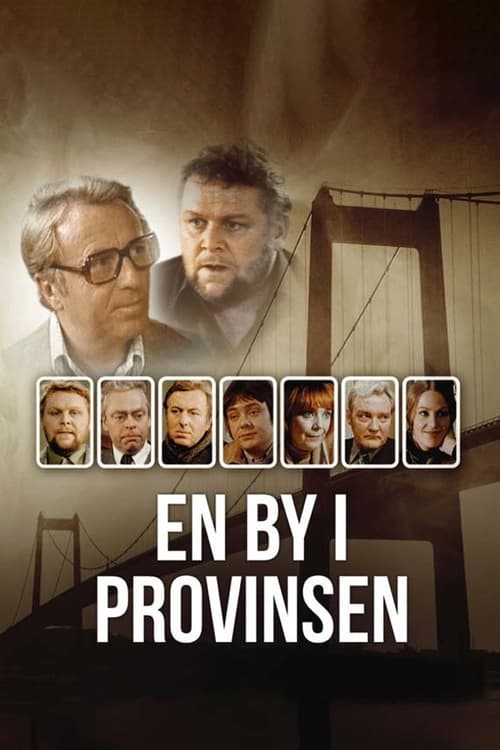
In 1970s Denmark, the criminal police in a provincial town solve different criminal cases, when the police was dominated by men and DNA was not yet a tool in investigation.
A Town in the Province
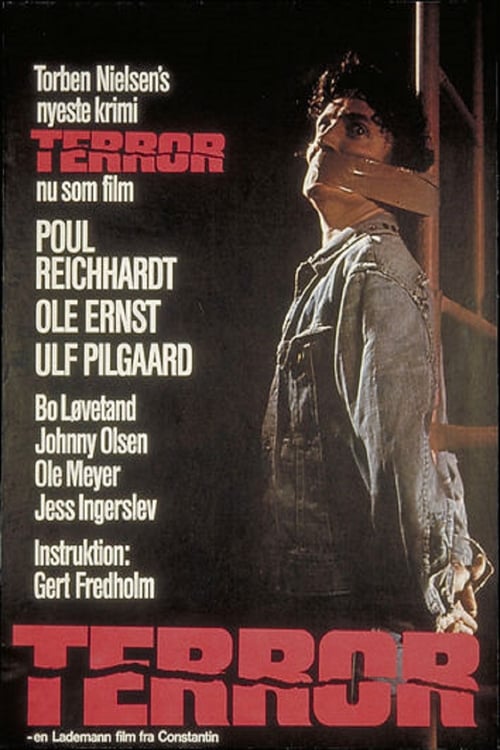
The terrorism from a juvenile gang culminate when the gang leader kills a gang member who want to leave the gang.
Terror
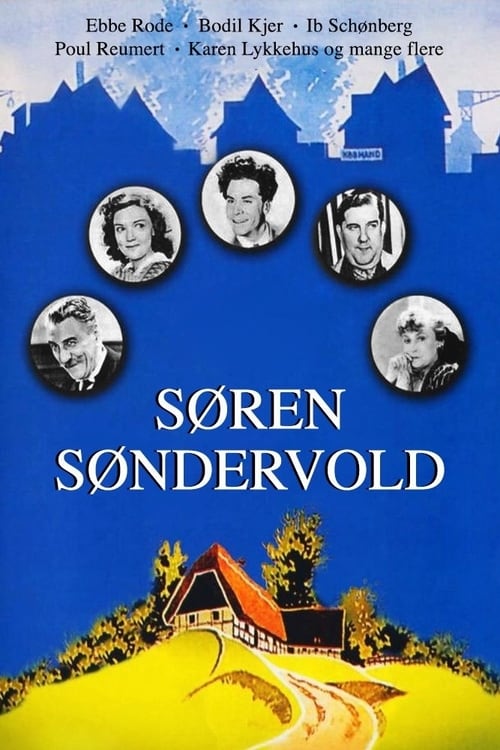
Søndreø is a small, peaceful island in one of Denmark's fjords, owned and run by the old farmer Lars Søndervold and his son Søren. But times are hard, and everything is not going as it should. The greedy, bragging merchant Anders Lundrup has used all means to gain possession of the island, and one fine day Søren and his old father must leave their ancestral farm and the island. Søren swears an expensive oath - he will earn so much money that he can one day buy the farm and the island back, and at the same time he swears revenge on Anders Lundrup.
Søren Søndervold

Benny and Arnold are homeless and along with others living on Nørrebro in Copenhagen. The police is set to clear the building they squat in, but on the night of the forced eviction, local acid head Spacy jumps from the sixth floor.
In the Middle of the Night

This film could easily be a true story taken from contemporary Denmark. It is a typical Tuesday morning: stormy weather, slush, and bitter cold. Two young women are cycling to work. They make an unpleasant discovery: they find a dead man on a bench in the park.
Café Paradis
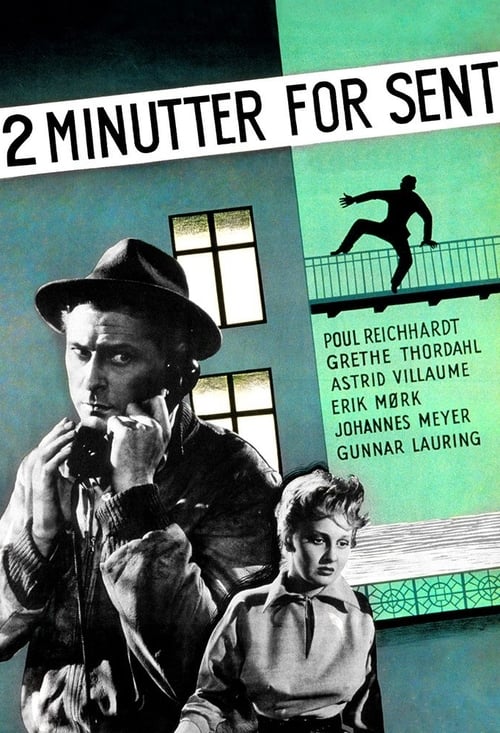
An unreliable lover of women and a hunchbacked clockmaker are suspected of killing a beautiful woman. Only one of them has done it, but whom?
2 Minutes Late
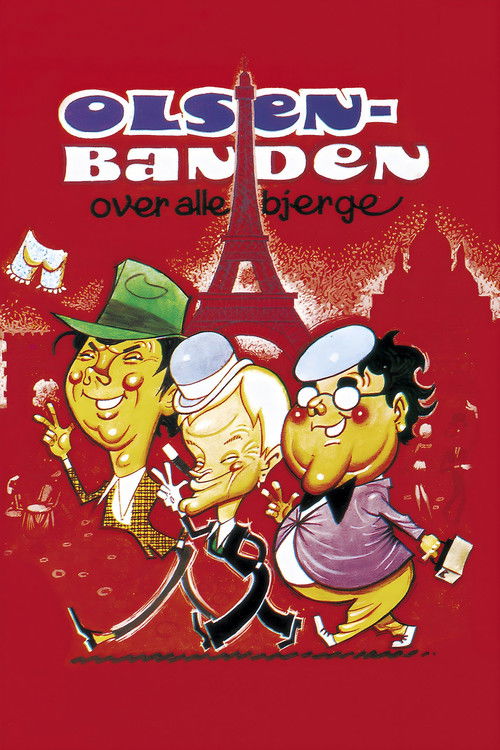
Criminal genius Egon Olsen presents his accomplices Benny and Keld with yet another infallible plan that can only end badly. The booty is a red suitcase containing values worth five million. The sinister mastermind Bang-Johansen carries the suitcase. The Olsen Gang follows him to Paris, where they put their cunning and carefully organized plan into motion.
The Olsen Gang Long Gone
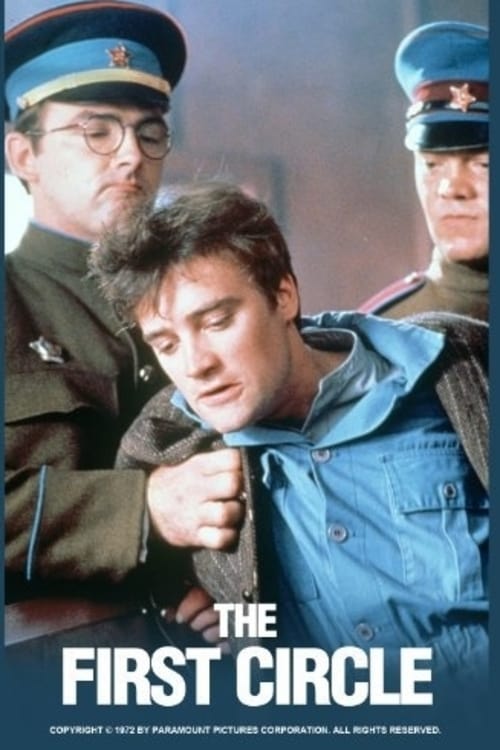
The story of the life of a political prisoner in a Russian gulag. Based on the book by Aleksandr Solzhenitsyn
The First Circle
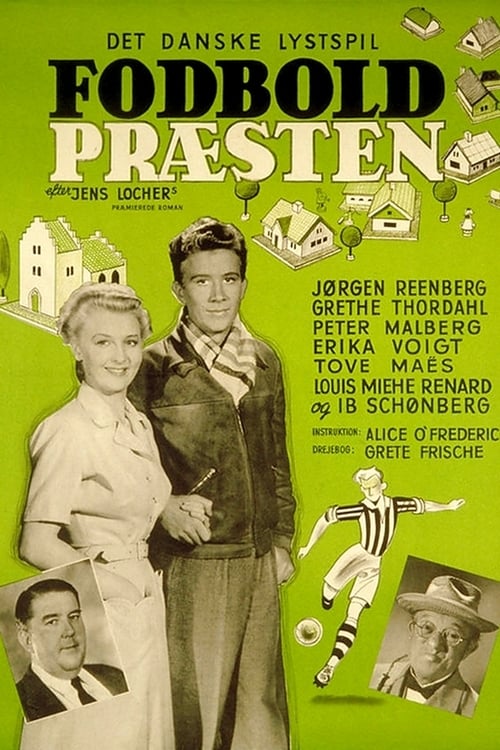
Søren Holm becomes a pastor in the small town of Harslev. The parish council chairwoman, Mrs. Andersen, interferes in the pastor's family's private life, and when Søren plays in a soccer game to get to know the town's young men, Mrs. Andersen becomes furious. Half of the parish turns its back on Søren. But Søren does good work for the young people, and gradually, with the help of the parish clerk, he is accepted by both the parish council and the town's youth.
Fodboldpræsten
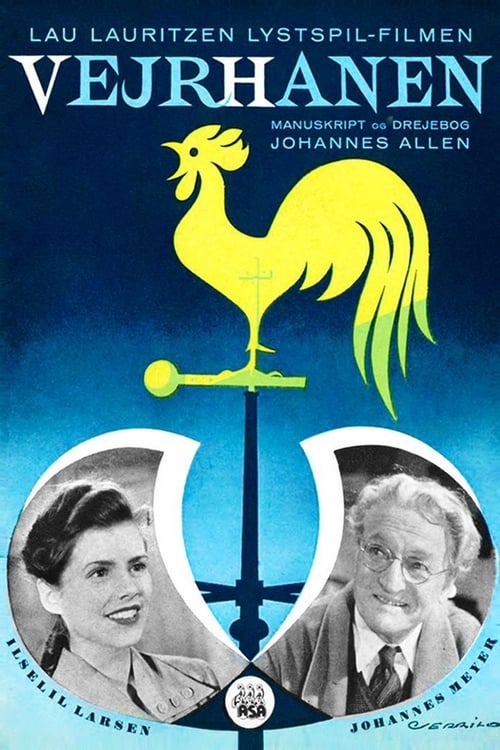
Theodor Nielsen lives a peaceful life with his adult daughter Eva. Then the weather vane on the nearby church tower starts squeaking every night. Theodor goes to the priest, who refers him to the Ministry of Ecclesiastical Affairs, which in turn refers him to the municipality, which in turn does nothing. Theodor takes advantage of his side job at the radio station and tells all the listeners about the annoying weather vane. Theodor becomes a folk hero and is encouraged to run for municipal office. He is elected but is heavily manipulated by his party colleagues. However, Eva helps him get back on track.
Vejrhanen

An everyday story about a single father with four children, whose eldest daughter, Søs, runs the household. Søs occasionally goes into town with Peter. In connection with Ole's schooling, she comes into contact with his teacher, Jørgen Stæhr. Gradually, love develops between them, especially after Søs and Jørgen participate together in Children's Aid Day. Uncle Anders is a frequent guest in the house, and the neighbor, Mrs. Sejersen, often visits under various pretexts.
Father of Four
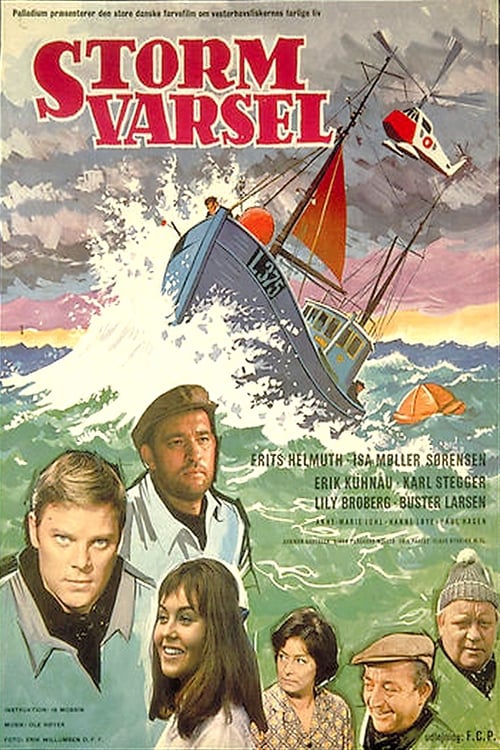
The young fisherman Kurt Vinderup returns home to the small fishing village of his childhood after completing his military service in the Royal Danish Navy. On the quay, he meets a young girl named Bitten. He and Bitten had been in the early stages of a relationship before he left for the capital. But in his absence, she has become engaged to his brother Jacob Vinderup.
Stormvarsel
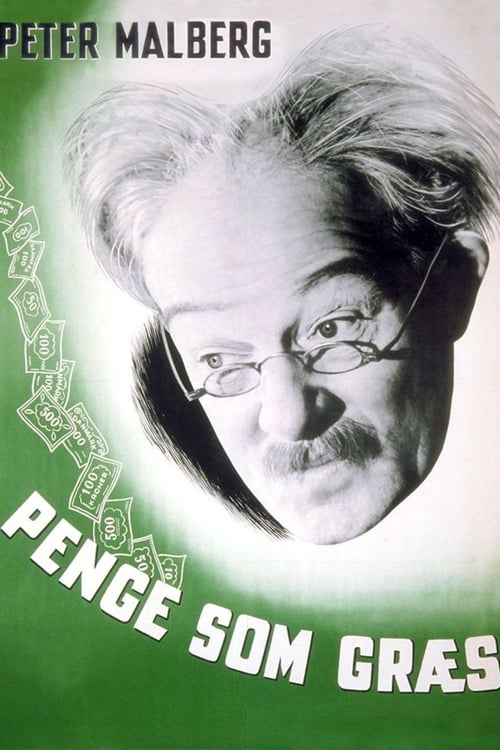
The heavy prison door in Vridsløse opens, and freedom beckons once again to counterfeiter P. Krone-Strøm. He has served an eight-year sentence, but believes it was a miscarriage of justice. He was one of the many who could not find employment during the crisis years of the 1930s in Denmark. Now he is once again in contact with the world outside the prison walls, but conditions have changed completely during the years he has spent in isolation. Now it is not money that is lacking in society, but labor and goods.
Penge som græs
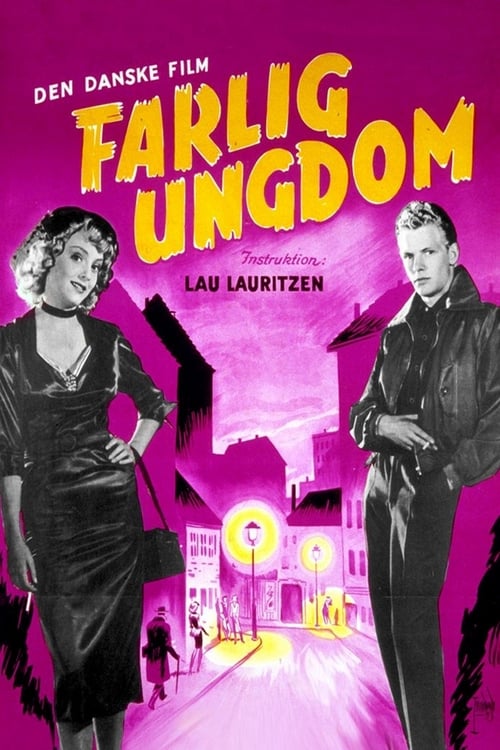
Egon, a young man from Jutland living with relatives in Copenhagen, meets sensible young girl Ruth and falls in love. But Egon is involved with a gang of criminals, and when they assault a man they meet in a bar they are caught by the police. Egon is sent to a juvenile home, but can he stay out of trouble?
Farlig ungdom

Danish social democratic propaganda film. During the Occupation, the young freedom fighter Søren had a good working relationship with a comrade in the resistance movement, despite the fact that Søren was a social democrat and his comrade a communist. After the liberation in May 1945, the differences that had been less important during the war begin to stand in Søren's way. Both his friendship with his comrade and his relationship with the wealthy Inger fall apart in the summer of liberation. But through his work in the Social Democratic Party, Søren experiences a renewed enthusiasm and resumes his relationship with Inger. Together, they actively engage in the party's work and both see it as an extension of the struggle for freedom during the occupation. Denmark's entry into NATO is particularly important.
Frihed forpligter
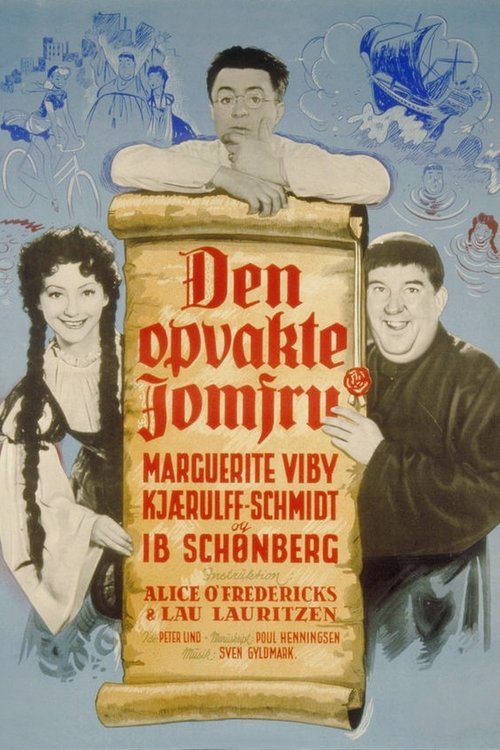
In the year 1520, during a violent hurricane in the North Sea, a ship in distress. The sailors are convinced that the abbot they have aboard is causing this. They throw him overboard with his holy scriptures.
Den opvakte jomfru

The large manufacturer, engineer Steen Andersen, is a powerful man. A large staff jumps at his slightest whim, he is used to his every order being carried out, and he does not know how to be told off at all. But suddenly his entire regular life is shaken up, and the reason is a young, lovely girl on horseback in the Deer Park. Steen Andersen has met her several times on his morning rides. But how to get to know her?
Det ender med bryllup
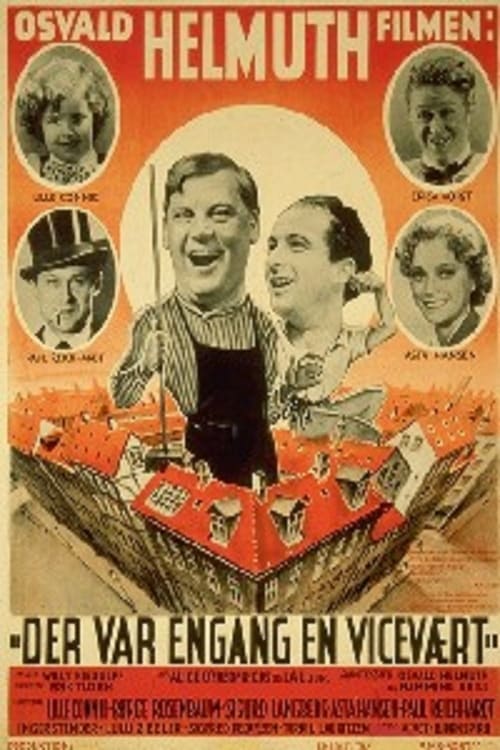
Christensen is the caretaker of a property in the inner city. He is a bachelor and has taken in a poor little girl. The house is inhabited by ordinary people, and the friendly caretaker is like a father to them. Up in the attic lives a whole colony of young artists: actors, dancers, writers and composers. They are poor, but they hold the flag high. They are confident that one day they will have their big breakthrough, and they are working diligently on a revue that their leader, a young musician and composer, has written.
Der var engang en vicevært
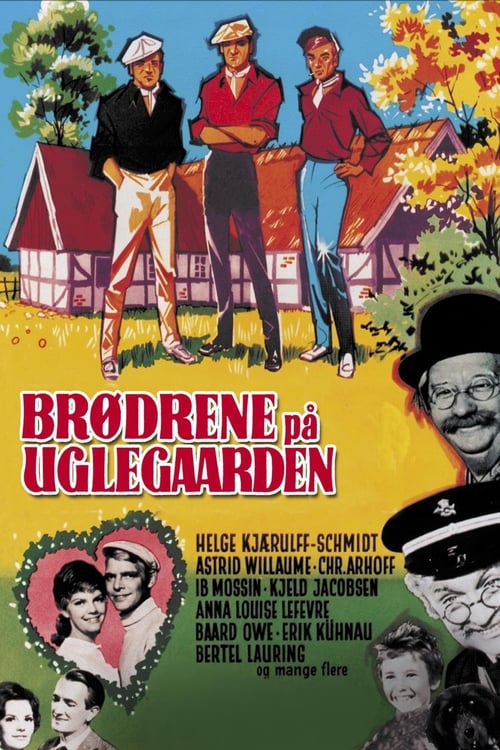
Somewhere on the island of Funen, where the hedgerows surround the meandering fields, lies Uglegaarden. It is the largest and richest farm in the parish, and is owned by the widow Dora and her three brooding stepsons Karl, Viggo and Thomas. Their regular haunt is the village inn, where the crone Sara has to put up with their coarse-grained advances. The three brothers have big plans for the small neighboring farm Mosegaarden. They have discovered that under Mosegaarden's lean fields and high slopes there are large quantities of raw gravel. Chr. Thorup, who owns the site, has mortgaged the farm far above the chimneys. Now the Uglegaards brothers are just waiting for the right time to take over Mosegaarden. But when Thorup's son, Henrik, unexpectedly shows up at Mosegaarden, the three brothers' sinister plans are thrown into disarray.