James Cagney
Acting
Biography
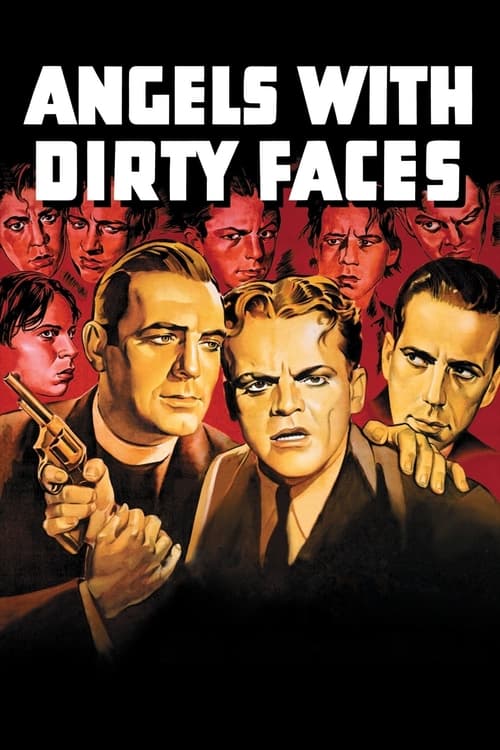
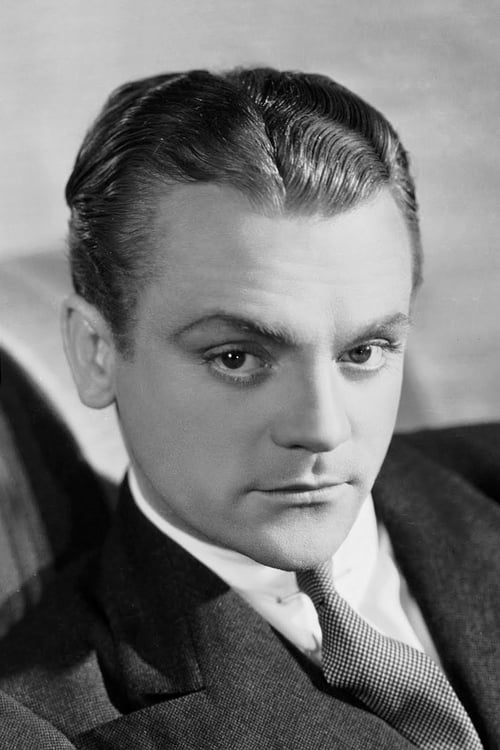
James Francis Cagney, Jr. (July 17, 1899 – March 30, 1986) was an American film actor. Although he won acclaim and major awards for a wide variety of roles, he is best remembered for playing "tough guys". In 1999, the American Film Institute ranked him eighth among the Greatest Male Stars of All Time. In his first performing role, Cagney danced dressed as a woman in the chorus line of the 1919 revue Every Sailor. He spent several years in vaudeville as a hoofer and comedian until his first major acting role in 1925. He secured several other roles, receiving good reviews before landing the lead in the 1929 play Penny Arcade. After rave reviews for his acting, Warners signed him for an initial $500 a week, three-week contract to reprise his role; this was quickly extended to a seven year contract. Cagney's seventh film, The Public Enemy, became one of the most influential gangster movies of the period. Notable for its famous grapefruit scene, the film thrust Cagney into the spotlight, making him one of Warners' and Hollywood's biggest stars. In 1938, he received his first Academy Award Best Actor nomination for Angels with Dirty Faces, before winning in 1942 for his portrayal of George M. Cohan in Yankee Doodle Dandy. He was nominated a third time in 1955 for Love Me or Leave Me. Cagney retired for 20 years in 1961, spending time on his farm before returning for a part in Ragtime mainly to aid his recovery from a stroke. Cagney walked out on Warners several times over his career, each time coming back on improved personal and artistic terms. In 1935, he sued Warners for breach of contract and won; this marked one of the first times an actor had beaten a studio over a contract issue. He worked for an independent film company for a year while the suit was settled, and also established his own production company, Cagney Productions, in 1942 before returning to Warners again four years later. Jack Warner called him "The Professional Againster", in reference to Cagney’s refusal to be pushed around. Cagney also made numerous morale-boosting troop tours before and during World War II, and was President of the Screen Actors Guild for two years.
Known For

The Mike Douglas Show is an American daytime television talk show hosted by Mike Douglas that originally aired only in the Cleveland area during much of its first two years on the air. It then went into syndication in 1963 and remained on television until 1982. It was distributed by Westinghouse Broadcasting and for much of its run, originated from studios of two of the company's TV stations in Cleveland and Philadelphia.
The Mike Douglas Show

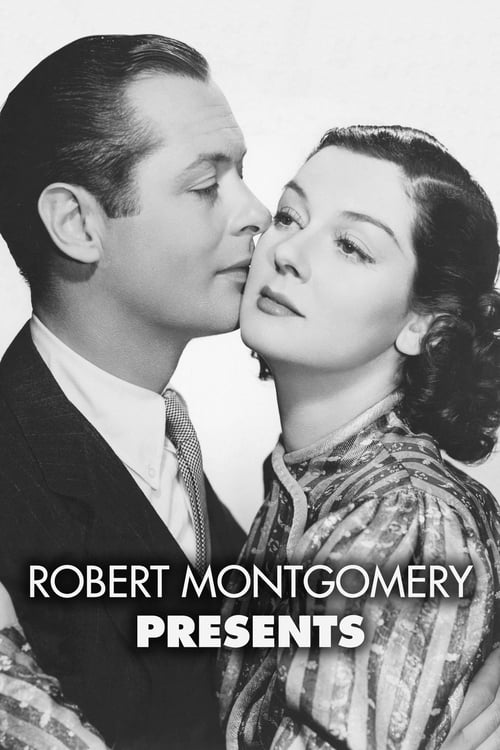
Robert Montgomery Presents is an American dramatic television series which was produced by NBC from January 30, 1950 until June 24, 1957. The live show had several sponsors during its seven-year run, and the title was altered to feature the sponsor, usually Lucky Strike cigarettes, for example, Robert Montgomery Presents Your Lucky Strike Theater, ....The Johnson's Wax Program, and so on.
Robert Montgomery Presents

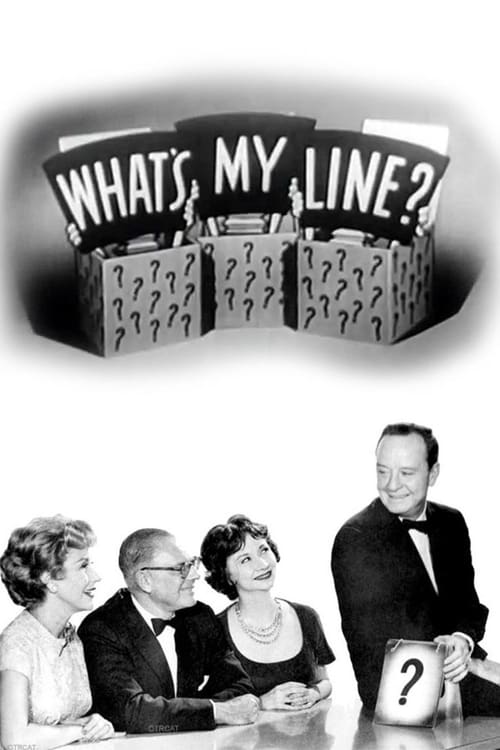
Four panelists must determine guests' occupations - and, in the case of famous guests, while blindfolded, their identity - by asking only "yes" or "no" questions.
What's My Line?

The Ed Sullivan Show is an American TV variety show that originally ran on CBS from Sunday June 20, 1948 to Sunday June 6, 1971, and was hosted by New York entertainment columnist Ed Sullivan. It was replaced in September 1971 by the CBS Sunday Night Movie, which ran only one season and was eventually replaced by other shows. In 2002, The Ed Sullivan Show was ranked #15 on TV Guide's 50 Greatest TV Shows of All Time.
The Ed Sullivan Show

An annual American awards ceremony honoring cinematic achievements in the film industry. The various category winners are awarded a copy of a statuette, officially the Academy Award of Merit, that is better known by its nickname Oscar.
The Oscars

The Kennedy Center Honors is an annual honor given to those in the performing arts for their lifetime of contributions to American culture.
The Kennedy Center Honors

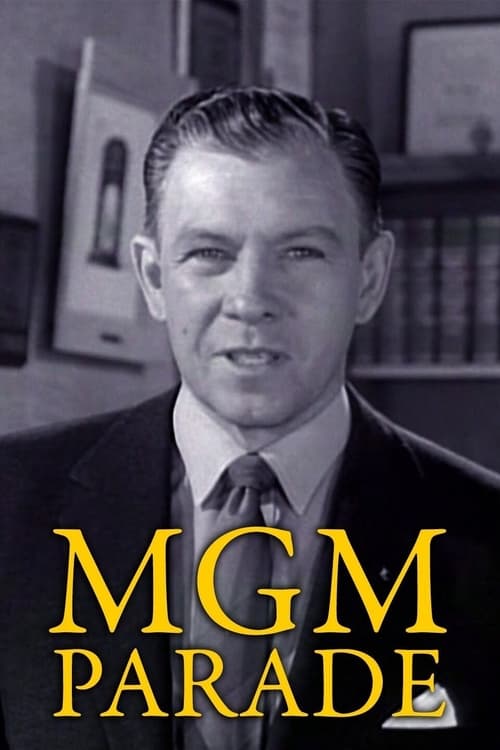
The original concept of the show was to allow the viewer to see the inner workings of a movie studio and featured interviews with MGM stars and explanations of how movies were made. Later, the format changed to show edited versions of MGM films.
MGM Parade

The story of the big names that have shaped the musical genres, plus an occasional stopgap for the new rock 'n' roll - comedy.
Legends

In 1973 the American Film Institute initiated its Life Achievement Award, to be presented to a yearly recipient whose talent has fundamentally advanced the film art; whose accomplishments have been acknowledged by scholars, critics, professional peers and the general public; and whose work has stood the test of time.
The American Film Institute Salute to ...

A young black pianist becomes embroiled in the lives of an upper-class white family set among the racial tensions, infidelity, violence, and other nostalgic events in early 1900s New York City.
Ragtime

Juliet Forrest is convinced that the reported death of her father in a mountain car crash was no accident. Her father was a prominent cheese scientist working on a secret recipe. To prove it was murder, she enlists the services of private eye Rigby Reardon. He finds a slip of paper containing a list of people who are 'The Friends and Enemies of Carlotta'.
Dead Men Don't Wear Plaid

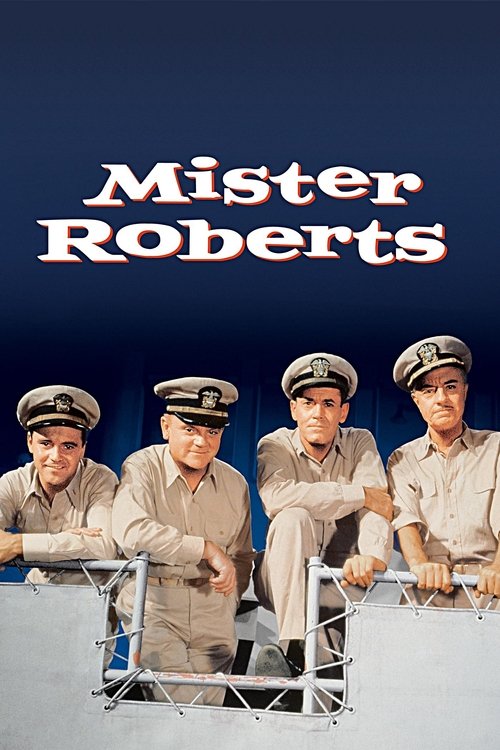
Mr. Roberts is a Navy officer who's yearning for battle but is stuck in the backwaters of World War II on a non-commissioned ship run by the bullying Captain Morton.
Mister Roberts

In Cold War-era West Berlin, American Coca-Cola executive C.R. 'Mac' MacNamara is tasked with playing babysitter to his boss' spoiled 17-year-old daughter Scarlett, who proves more difficult than anticipated when she reveals that she is pregnant by a Communist.
One, Two, Three

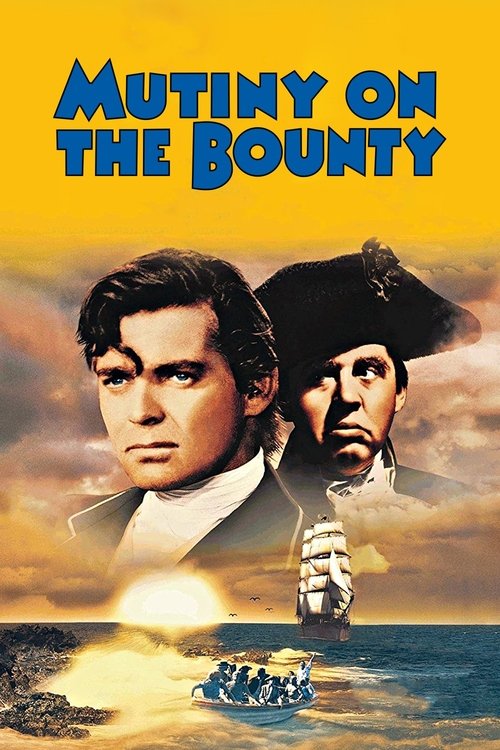
Fletcher Christian successfully leads a revolt against the ruthless Captain Bligh on the HMS Bounty. However, Bligh returns one year later, hell bent on revenge.
Mutiny on the Bounty

Stars celebrate Bob Hope's 50 years with NBC.
Happy Birthday, Bob: 50 Stars Salute Your 50 Years with NBC

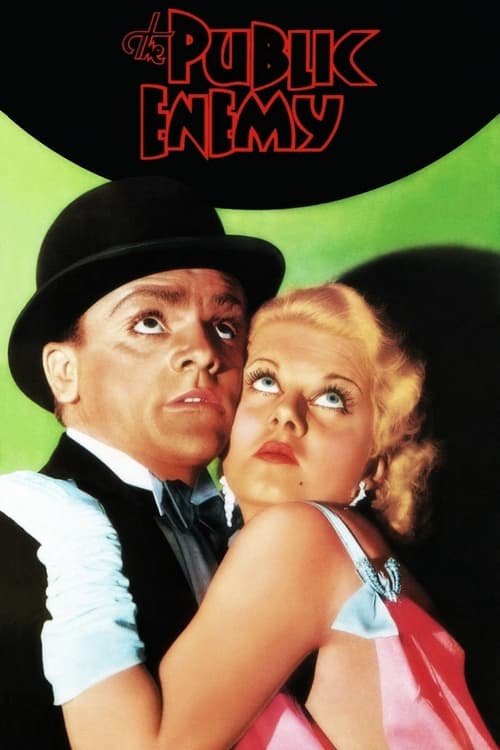
Two young Chicago hoodlums, Tom Powers and Matt Doyle, rise up from their poverty-stricken slum life to become petty thieves, bootleggers and cold-blooded killers. But with street notoriety and newfound wealth, the duo feels the heat from the cops and rival gangsters both. Despite his ruthless criminal reputation, Tom tries to remain connected to his family, however, gang warfare and the need for revenge eventually pull him away.
The Public Enemy

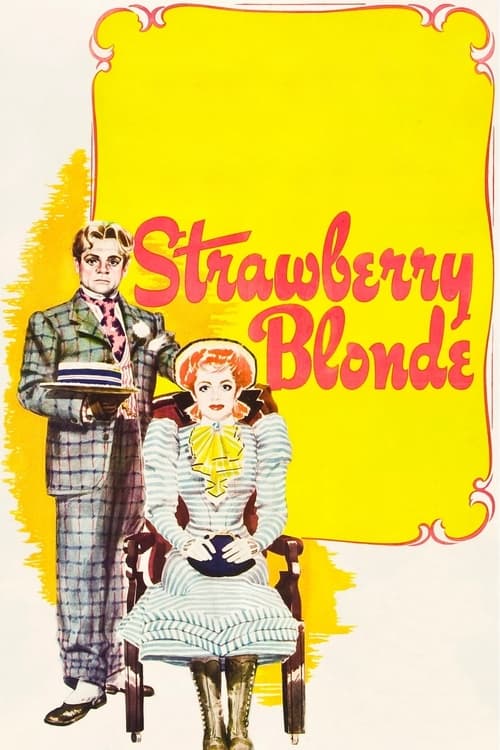
Biff Grimes is desperately in love with Virginia, but his best friend Hugo marries her and manipulates Biff into becoming involved in his somewhat nefarious businesses. Hugo appears to have stolen Biff's dreams, and Biff has to deal with the realisation that having what he wants and wanting what another has can be very different things.
The Strawberry Blonde

Looks at the stereotype-breaking films of the period from 1929, when movies entered the sound era, until 1934 when the Hays Code virtually neutered film content. No longer portrayed as virgins or vamps, the liberated female of the pre-code films had dimensions. Good girls had lovers and babies and held down jobs, while the bad girls were cast in a sympathetic light. And they did it all without apology.
Complicated Women

The most glittering, expensive, and exhausting videotaping session in television history took place Friday February 19, 1982 at New York's Radio City Music Hall. The event, for which ticket-buyers paid up to $1,000 a seat (tax-deductible as a contribution to the Actors' Fund) was billed as "The Night of 100 Stars" but, actually, around 230 stars took part. And most of the audience of 5,800 had no idea in advance that they were paying to see a TV taping, complete with long waits for set and costume changes, tape rewinding, and the like. Executive producer Alexander Cohen estimated that the 5,800 Radio City Music Hall seats sold out at prices ranging from $25 to $1,000. The show itself cost about $4 million to produce and was expected to yield around $2 million for the new addition to the Actors Fund retirement home in Englewood, N. J. ABC is reputed to have paid more than $5 million for the television rights.
Night of 100 Stars

James “Brick” Davis, a struggling attorney, owes his education to a mobster, but always has refused to get involved with the underworld. When a friend of his is gunned down by a notorious criminal, Brick decides to abandon the exercise of the law and join the Department of Justice to capture the murderer.