Alain Romans
Sound
Biography
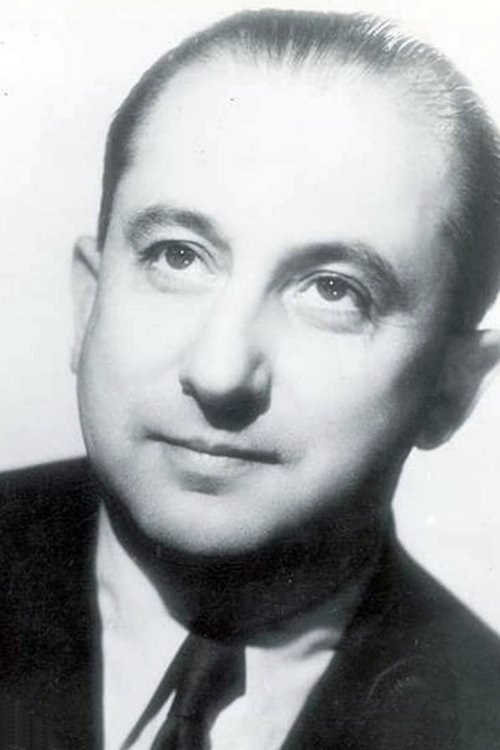
Alain Romans (1905, Poland – 1988) was a French jazz composer. He studied in Leipzig, Berlin, and Paris. His teachers included Vincent d'Indy. He later worked with Josephine Baker and Django Reinhardt. Romans wrote music for 12 films. The most famous of them are the films of comedian Jacques Tati, including Les Vacances de Monsieur Hulot (1953), with the theme song "Quel temps fait-il a Paris?", and Mon Oncle (1959). Source: Article "Alain Romans" from Wikipedia in English, licensed under CC-BY-SA 3.0.
Known For

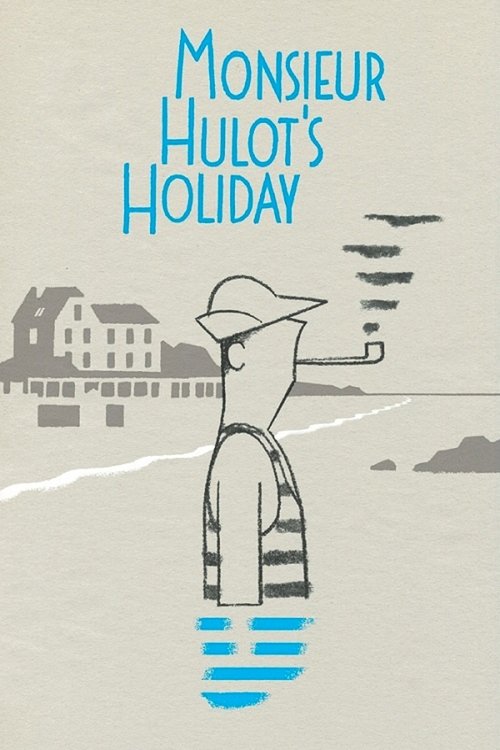
Monsieur Hulot, Jacques Tati’s endearing clown, takes a holiday at a seaside resort, where his presence provokes one catastrophe after another. Tati’s masterpiece of gentle slapstick is a series of effortlessly well-choreographed sight gags involving dogs, boats, and firecrackers; it was the first entry in the Hulot series and the film that launched its maker to international stardom.
Monsieur Hulot's Holiday

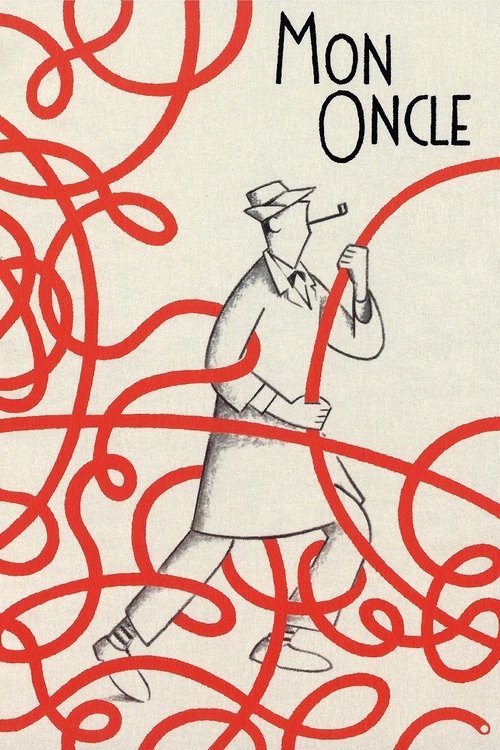
Genial, bumbling Monsieur Hulot loves his top-floor apartment in a grimy corner of the city, and cannot fathom why his sister's family has moved to the suburbs. Their house is an ultra-modern nightmare, which Hulot only visits for the sake of stealing away his rambunctious young nephew. Hulot's sister, however, wants to win him over to her new way of life, and conspires to set him up with a wife and job.
Mon Oncle

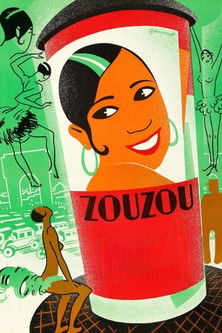
Zou Zou tries to help her childhood friend prove his innocence after he's accused of murder.
Zouzou

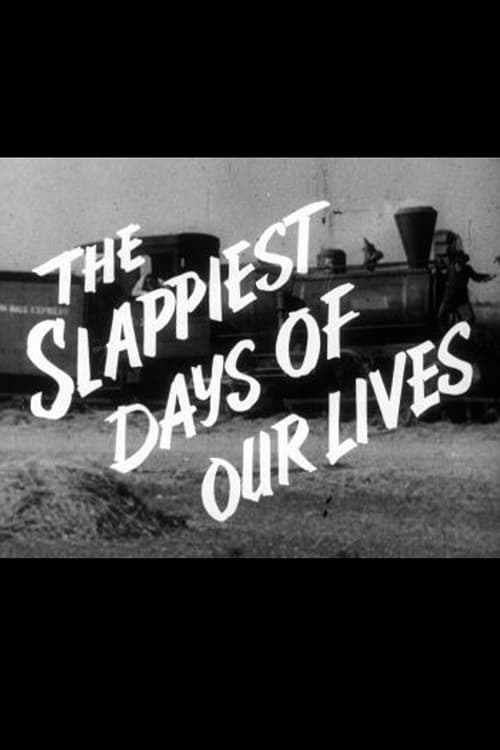
Laurel is a Scottish reporter suspected of being a spy by police detective James Finlayson. Although trailed by the latter, Stan, who is reporting on the movie world, manages to be hired by Mack Sennett. He makes his debut in Nevada, in the middle of gold diggers. After managing to clear his name he becomes, with Oliver Hardy, a big comedy star.
The Slappiest Days of Our Lives

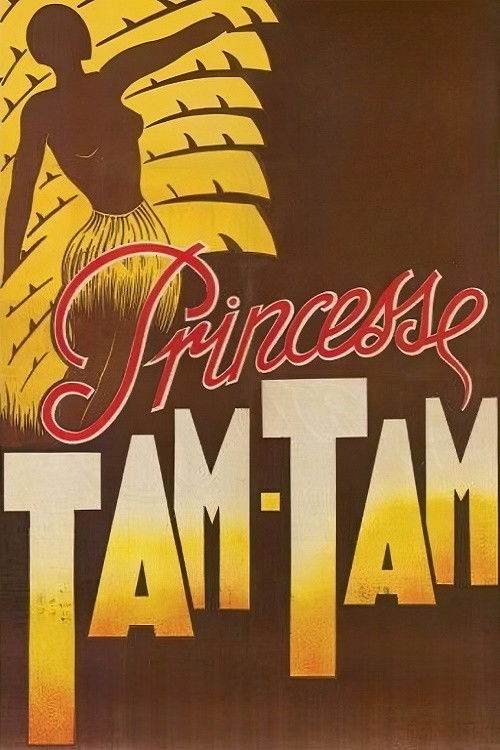
A French novelist passes off an African shepherdess as a princess.
Princess Tam Tam

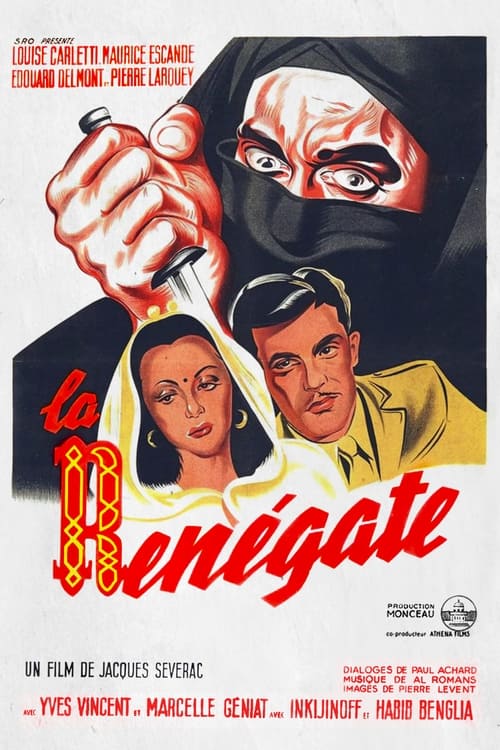
In a small town in Spanish Morocco, old Ricardo, who runs a café, lives with his daughter, Conchita. She believes that Ricardo is her father. In reality, he took her in at the age of eighteen months in a douar abandoned during the conquest. One day a Berber chief, Tamar, sees Conchita, tells her that she is from his tribe and wants to take her away. She rejects it, then accepts later to find that Muslim civilization is incompatible with the Christian training she received. She escapes and succeeds in obtaining forgiveness from Tamar. A French officer from the Intelligence Service offers to collect it.
La Renégate

In Antwerp, Belgium, in 1959, a succession of Interpol agents are gunned down without obtaining what they're looking for: a list of all the influential crooks. Only one remains, Larry Laine, who is about to show them what he's made of.
Tonight We Kill

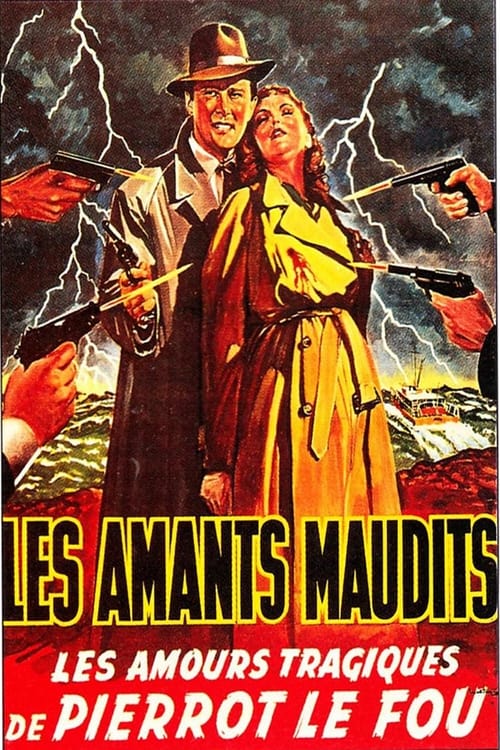
A waiter, Paul, likes detective novels as he identifies with the characters, before becoming a sought-after offender himself. He flees with his group and his girlfriend Jackie
The Damned Lovers

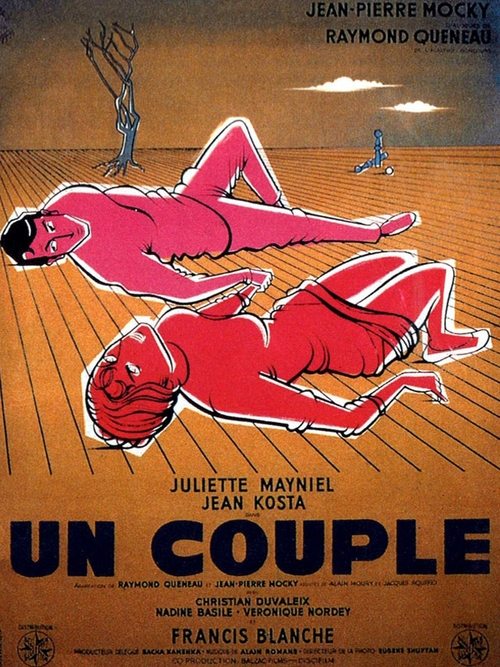
After testing their love, Pierre and Anne decide to leave each other.
A Couple

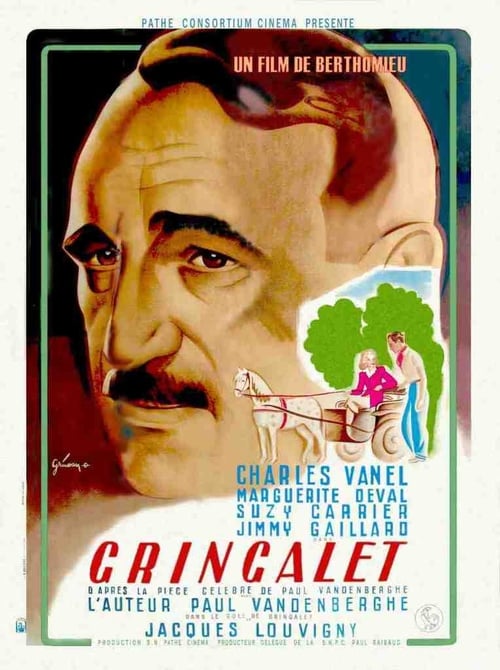
A wealthy man has two sons,one of them is legitimate,the other is not.The first offspring has had a life of luxury and he has become a lazy good for nothing whereas the youthful indiscretion has turned into an artist.He is nicknamed "Gringalet" .Now his father wants him to meet his half-brother ,his mother-in-law and the rest of the family. Gringalet will turn this bourgeois family upside down:they become nice,the big brother becoming a perfect businessman who stops scouring nightclubs to spend most of his time with his fiancee Josette.There's the rub,cause Gringalet is also in love with her.
Gringalet

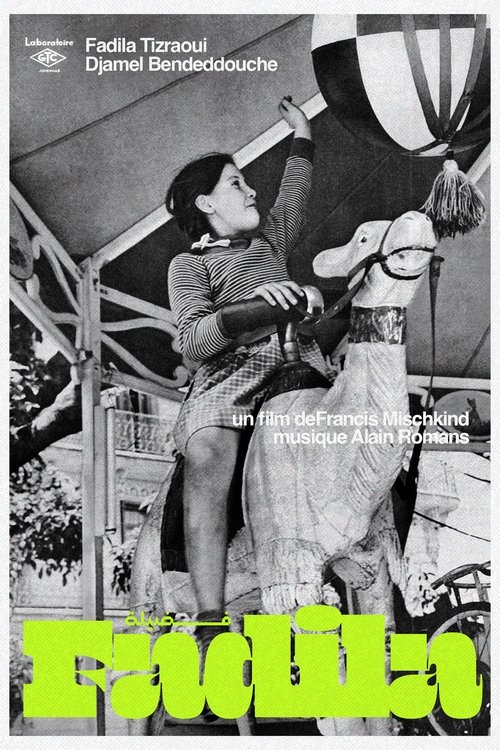
Fadila is a short film shot in the Casbah of Algiers during the Algerian War by a young French army conscript with the young Fadila Tizraoui and Djamel Bendeddouche who would become filmmakers after independence. The film depicts the friendship of two children in the streets of the Casbah and their encounter one day in December with Santa Claus... Fadila won the Grand Prix du Cinéma at the 1959 Children's Fair, was awarded a prize by the National Center for Cinematography (CNC) and was successfully exported.