Camera
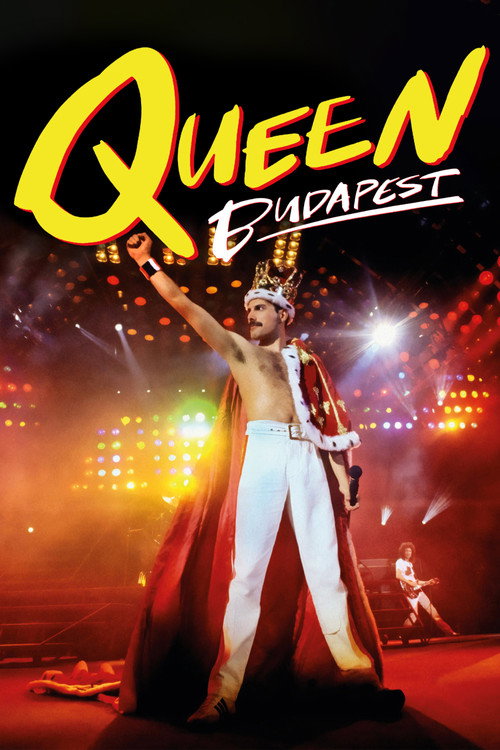
On July 27, 1986, Queen performed the largest-ever stadium concert at the Népstadion in Budapest in front of 80,000 ecstatic fans. The concert was part of the famed Magic Tour, which was the last time the band toured with lead singer Freddie Mercury.
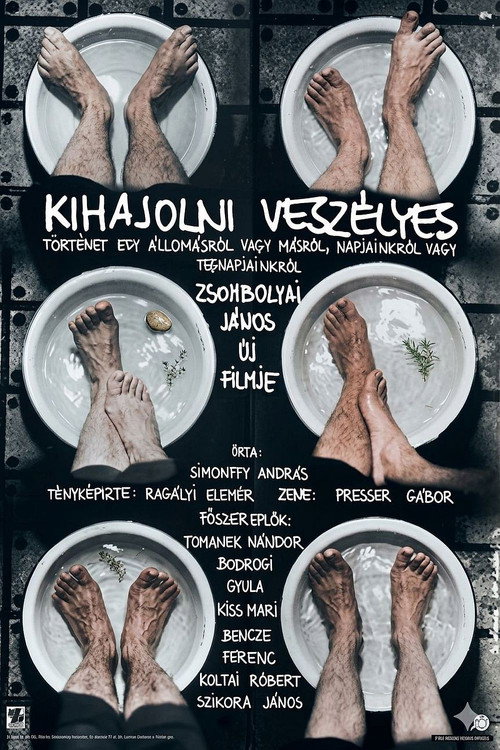
At the station of Almamellék the semaphore turns red unexpectedly and the conductor shows a stowaway - with no money nor ticket - off the train. The stowaway has to undergo a serious and long investigation that tries to uncover the reasons for his "deed". In the meantime he can watch, like a spectator in a movie-theatre, how Kerek József, the strutting stationmaster rules his ridiculous empire through office bureaucracy, indifference, servility and negligence.
A musical farce about women in the canning factory. The pretty Brigitta tries to commit suicide, because Laci left her, pregnant, but her mates save her.
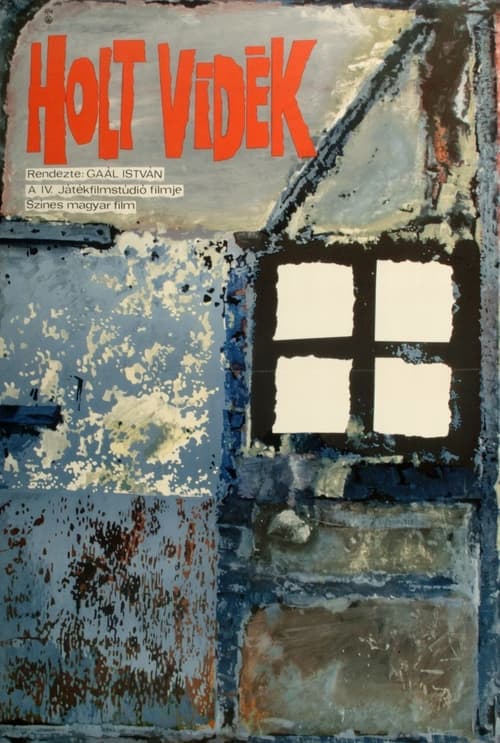
This Hungarian film chronicles the slow deterioration in the life of Juli, a farmer's wife. As the countryside grows ever more deserted because people are moving to towns or large collective farms, she spends more and more time alone. Despite her best efforts to appreciate her situation, her despair grows. The loneliness is briefly interrupted when she and her husband take in an old woman and care for her, but the woman dies. Shortly after her son visits, she is killed in an accident which may have been a suicide. ~ Clarke Fountain, Rovi
Laci and the divorced Klári decide to commit suicide, since neither's parents give them shelter, they have no place to sleep, no decent job and no future. Béla, who lives on stealing cars, joins them. He has a gun. Based on a true story.
The film is based on a true story. Jakus, managing director of a scooter-factory suddenly resigns, since he disagrees with his superiors in the ministry on several points. Disregarding the attacks of his family and friends, he returns to his original job and becomes a welder, which is not very easy because of his records.
Mózes Imre, the quality inspector of a big factory in Budapest loses his job overnight because he did not obey the director's instructions and refused some bad products of the company. When he brings the case before a court his arguments are not really appreciated. The director, however, recognises that, to a certain extent, Mózes is right and lets him re-enter as a head of a smaller operational section.
No description available.
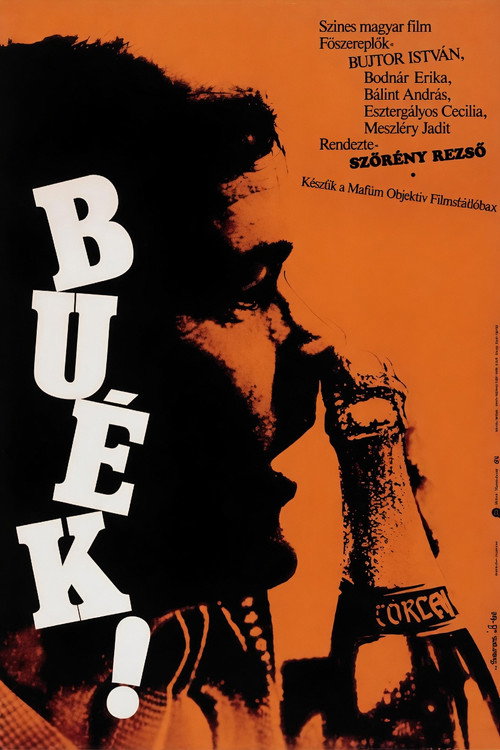
Three thirtysomething chemical scientists, Laci, Gyuri and Kati celebrate the success of their development program before New Year's Eve with drinking for several days. But the morning of New Year's Eve does not bring the expected recognition, because the nice, bald, old director is replaced by a young, bald, but disagreeable one. In a sodden atmosphere it becomes clear that everybody has an axe to grind in the informative discussions.
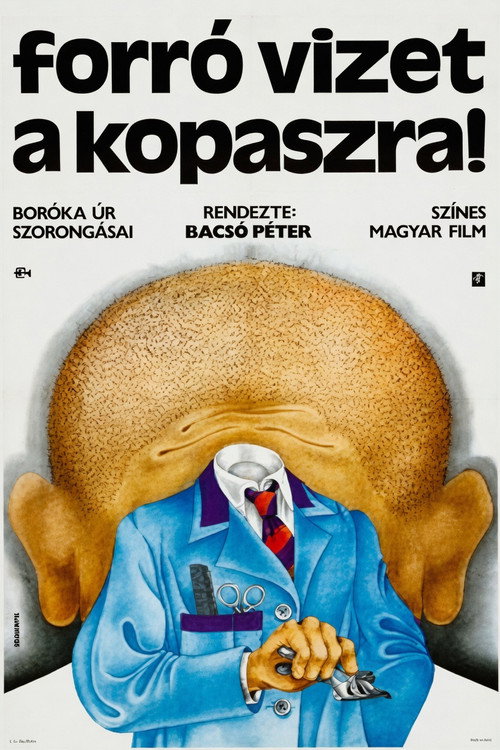
In this naturalistic satire enriched with burlesque, Boróka, the haircutting artist once cuts a hair so, that the customer has to be shaved bald. Sajtár Dezső wants to kill the barber, who feels to be a victim himself immediately. In his anguish he mixes up his apartment, his wife and everything in the uniform world of the block of flats and like a maniac, tries to find after his pursuer. They find each other at a neurological clinic.
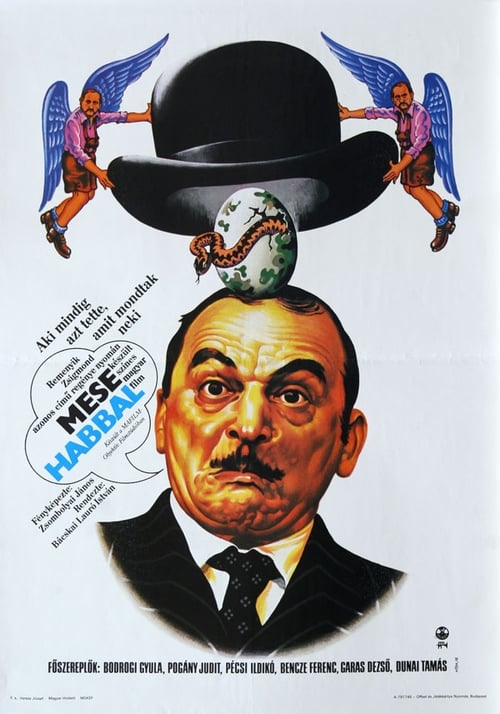
Hungary in the 1930s. The world suddenly changes around the peaceful office-clerk and regular, average petit-burgeois Kornél Cassius. Friends and relatives turn up in his home, who soon establish themselves there and even take the upper hand. They continue to arrive in increasing numbers, and turn the well-known objects and patterns of relationships upside down.
On the shores of Lake Balaton, a group of people rush to their boats as a storm approaches, notice that a boat has capsized on the water and go to the rescue. They rescue a couple, and the young man who rescues them falls in love with the woman.
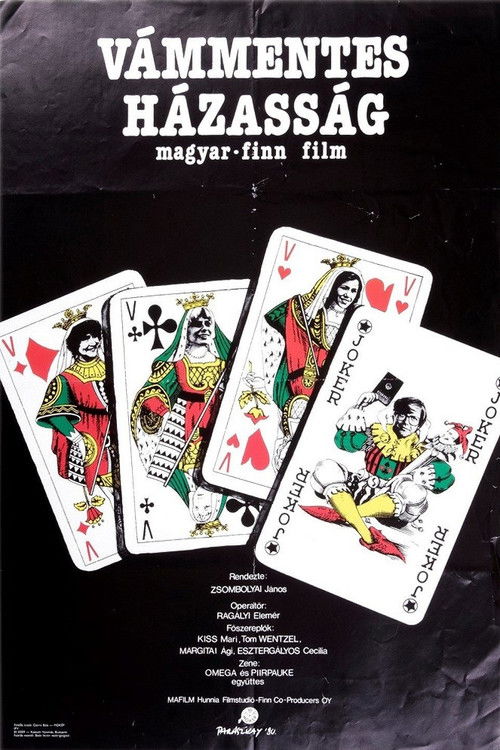
Dini goes to Sweden illegally and abandons his fiancée, Mari. After several months a young Finnish businessman called Pekka arrives in Budapest, carrying a letter and package from Dini. The sympathetic Pekka is judged by the friends of Mari to be suitable for the task of a nominal marriage, by which Mari could get out legally to Dini.
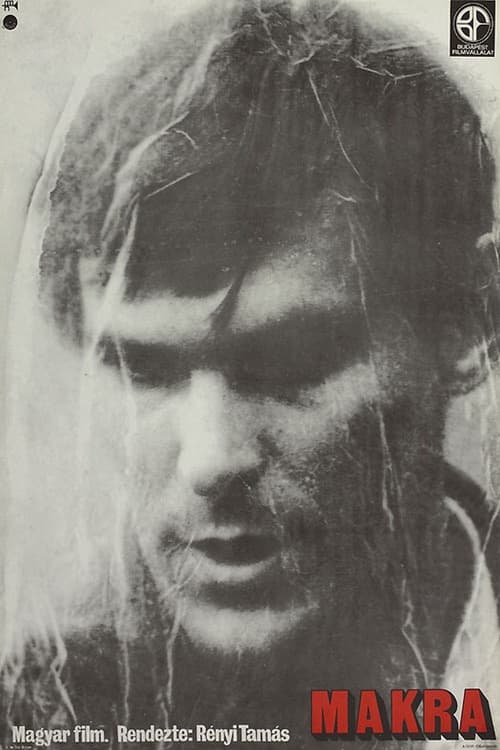
The events of the story take place in the outskirts of working class people in the early nineteen fifties. Makra, a skilled worker in a factory, suddenly comes to close quarters with everything around him because his environment condemns and ridicules him for protecting a woman when his drunk fellows were going to rape her after his bachelor party.
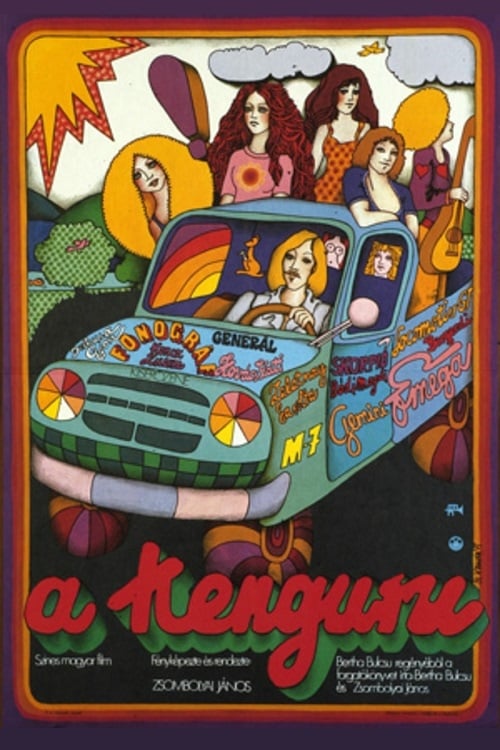
Istvan Varju a.k.a. Kanya is a track driver. He drives alone on the roads and listens to the radio. We're In the middle of seventies, the radio broadcasts hungarian beat music. He is convinced that interesting and significant events in the life happen on the roads, so we should go, go and go in order not to miss something.
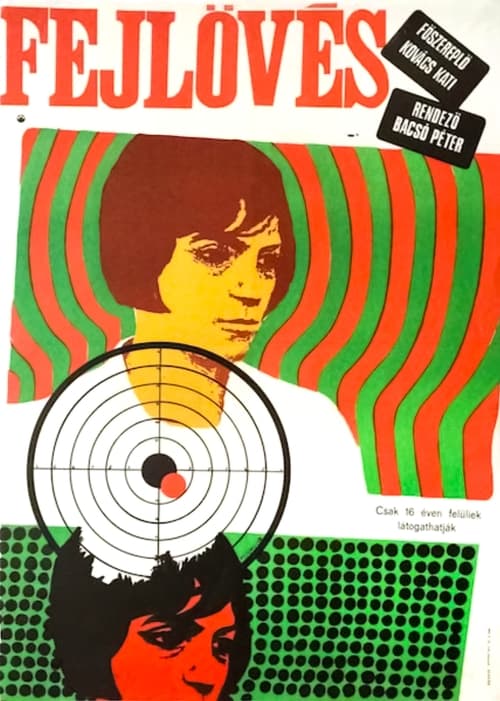
The dramatically dense film takes place in workers' surrounding in the sixties. It raises the newspaper article serving as the basis for the short story to be a model: in a plastic factory fire breaks out causing enormous damages.
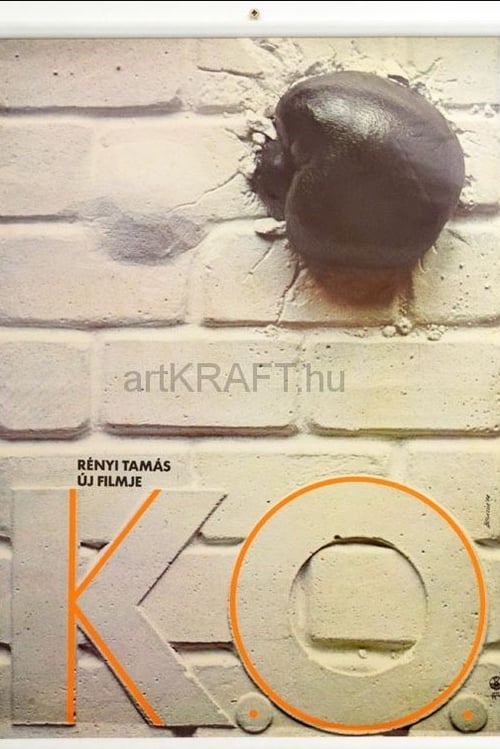
Chungi, the boxer eternal second in the domestic field. The only one ahead of him is his good friend Red, the Olympic champion. Csungi is in good form now and has a chance to beat the champion and qualify for the world championships. Red, who has sacrificed everything for success, would be hard to beat in a points race, and a knockout would be Chungi's only chance. But his coach suggests a different tactic...
Hungary, 1950s. József Pelikán, who works as a dam keeper on the Danube, meets by chance Zoltán Dániel, an old friend whom he saved from death years before and who is now a powerful politician.
The most problematic aspect of Zsolt Kézdi-Kovács's films is the political motif of The Right to Hope, which is incomprehensible from a child's point of view and therefore disrupts the unified soul. The film works just as well without it, and it really works without the element of logical incoherence it introduces into the story. All of this highlights a directorial virtue that was rare in this period. Zsolt Kézdi-Kovács is able to dramatise personal conflicts that arise purely from within.
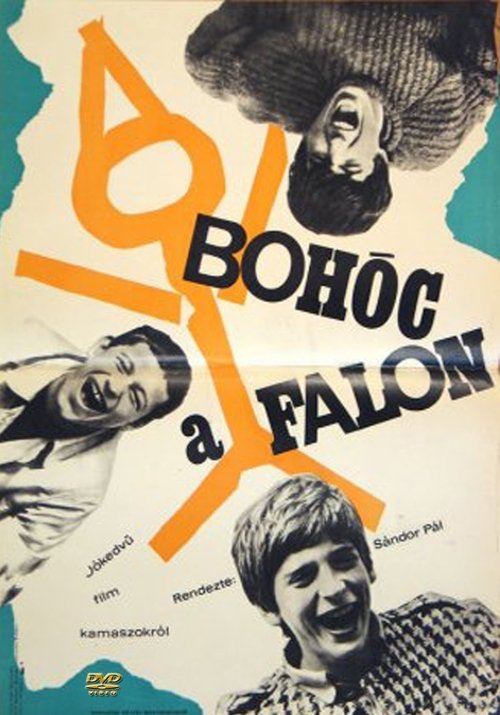
This film is based on the logic of the associations, telling the story of teenagers of the day. Three boys find shelter from a storm in a villa at Lake Balaton. When the owners suddenly appear, only two of them can escape. Kiki is stuck in the larder. Waiting for his release, he recalls different stories in his mind, memories and the images of his imagination are mingled.