Sound
Aucune description disponible.
Lorsque son père Jake sort de prison, Jesus Shuttlesworth ne saute pas de joie. Cet homme est l'assassin de sa mère et l'a contraint à se prendre en charge, lui et sa petite soeur. Pour ne pas retourner derrière les barreaux d'ici une semaine, Jake doit convaincre son fils d'accepter l'offre du gouverneur : intégrer l'équipe de basket de l'université d'Etat. Une mission d'autant plus délicate que Jesus est le jeune joueur le plus convoité du pays, celui que toutes les équipes, tous les agents et toutes les fédérations courtisent à coups de millions de dollars...
Le 18 janvier 1958, la Columbia Broadcasting Corporation diffusait le premier des 53 Concerts pour la jeunesse de Leonard Bernstein avec l'Orchestre philharmonique de New York. Ces leçons de musique connurent un tel succès qu'elles furent diffusées à la télévision pendant plus de dix ans.
A la fin du XIXème siècle, Catherine Sloper vit dans une riche demeure de Washington Square en compagnie de son père, un veuf richissime et tyrannique. La jeune fille, timide et sans grands attraits, fait la rencontre du séduisant Morris Townsend lors d'un bal. Le jeune homme lui fait aussitôt une cour empressée. Devenant un habitué de la maison des Sloper, il demande la main de Catherine à son père. Mais, celui-ci ne tarde pas à accuser le jeune homme d'être un coureur de dot et refuse...
Peter Miles stars comme Tom Tiflin, le petit garçon au cœur de cette histoire John Steinbeck situé dans Salinas Valley. Avec ses parents incompatibles — la ville-aimant Fred et pays heureux Alice – constamment chamailleries, Tom regarde de cow-boy Billy Buck pour la compagnie et l'amour paternel.
Le changement vient lentement à une petite ville du New Hampshire au début du 20ème siècle. Nous voyons la naissance, la vie et la mort dans cette petite communauté.
Un géant handicapé mental et son tuteur trouvent du travail dans un ranch de cow-boy sadique à l'époque de la grande dépression en Amérique.
Une jeune victime de viol tente désespérément de recoller les morceaux de sa vie, pour se retrouver à la merci d'un secouriste serait-être.
Pendant la deuxième guerre, en Ukraine,la vie d'un collectif fermier... La rupture du pacte de non-agression avec la Russie, par l'allemagne sera le point de départ de la révolte de ce collectif..Un médecin allemand se sert des enfants pour effectuer des ""expériences"" ...
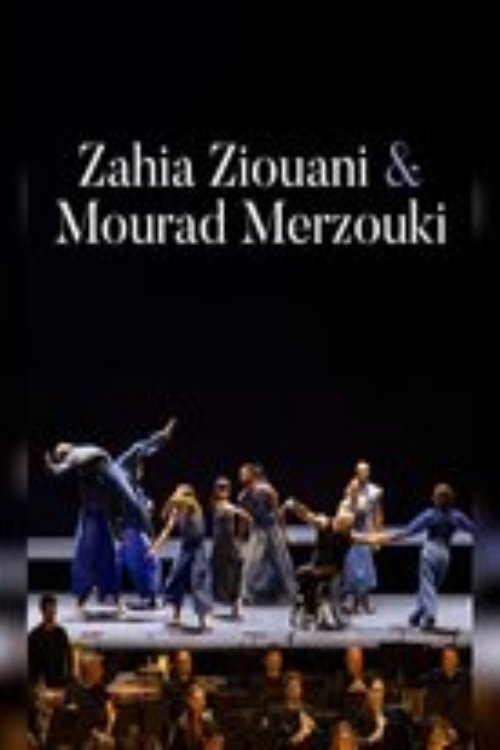
Porté par la cheffe Zahia Ziouani et le chorégraphe Mourad Merzouki, un concert humaniste où s’associent musique classique, création contemporaine, danse et traditions du monde.