Acting
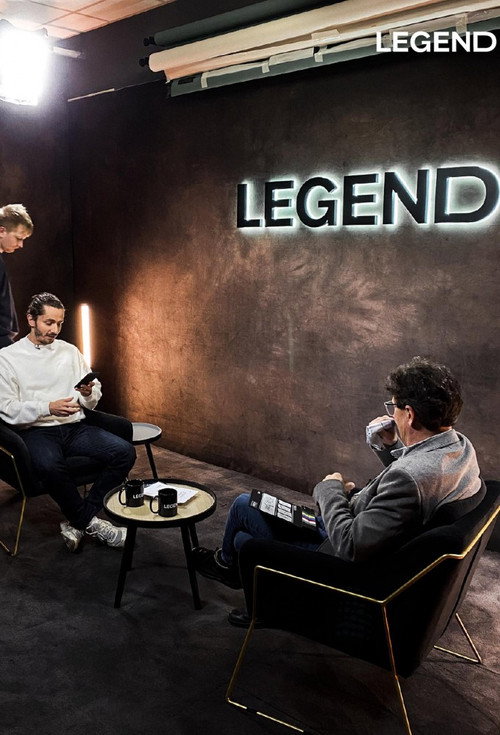
Four LEGEND episodes every week. Whether famous or not, LEGEND gives a voice to anyone with an extraordinary life story to share. Tune in each week for four new podcast interviews. Catch our interviews and reports every Wednesday, Friday, and Sunday at 11 a.m., as well as our LEGEND STORY format at the same time on Tuesdays.
No description available.
Télématin is a French breakfast television news show, broadcast on France 2 since January 7, 1985. It is broadcast in Metropolitan France weekdays from 6:30 to 9:00 am CET. TV5 broadcast the show in Canada in its entirety until September 2011: it now shows a 90 minute version between 6:30 and 8:00 am Eastern Time, when the French original version is now 2h30 long. Télématin is hosted by William Leymergie. The show is daily seen by around 40% of the French morning audience, a very high percentage for French TV. In Metropolitan France, the newscasts are presented at 7:00, 7:30 and 8:00, with newsflashes at 6:30 and 8:50, and two press reviews at 7:20 and 8:30. The 6:30, 7:30 and 8:50 newscasts are usually presented by a female reader and the hourly newscasts by a male. The usual readers are Nathanaël de Rinquesen, Sophie Le Saint, Julien Benedetto, Sophie Gastrain, Patrice Romedenne and Frédéric Vion.
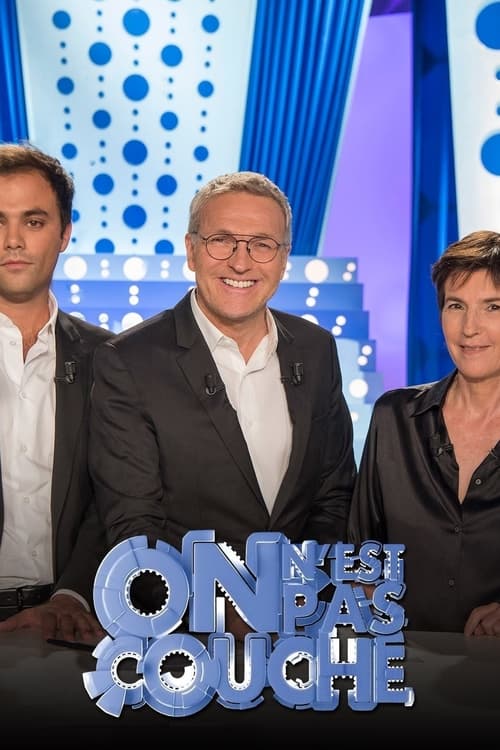
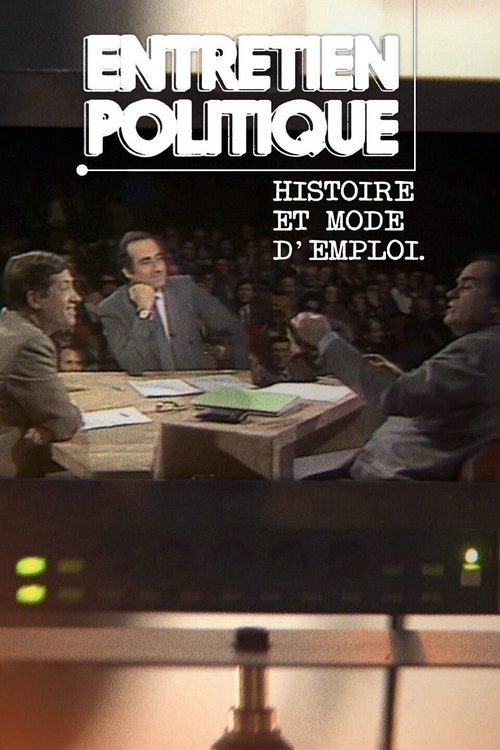
On n'est pas couché was a French talk show broadcast on France 2 on Saturdays at 11 p.m., hosted by Laurent Ruquier assisted by various columnists.
Revisits the two rounds of the 2007 French presidential election (April 22 and May 6, 2007), where Conservative leader Nicolas Sarkozy won a clear victory over his Socialist opponent, Ségolène Royal. Faced with the activist, the journalist, the political figure and the gigantic media device set up for the occasion, the audience is taken on board without real or comprehensive explanations. Strangely, the chaos seems organized. Just like when we are considering the range of 'unplanned' events that get media exposure, so much so that we wonder if they really are being planned. Is all this period of unrest visibly set in motion by social activists, agitators, ordinary people, politicians, publicity agents?
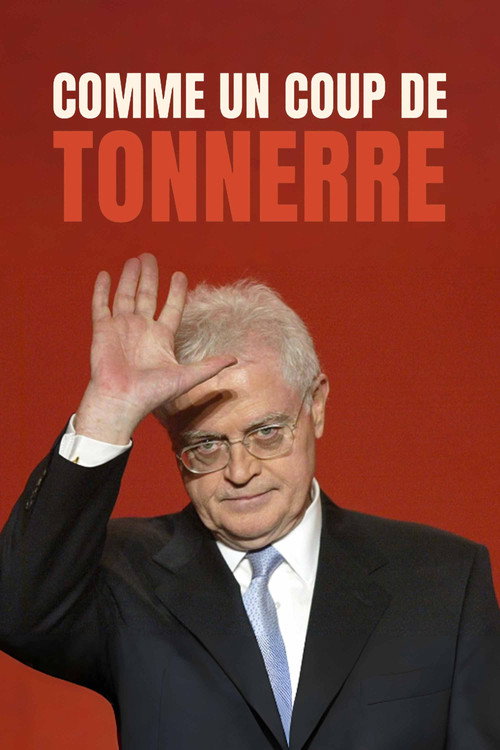
Six weeks of exclusive behind-the-scenes access to Lionel Jospin's 2002 presidential campaign, from the strategy rooms to the night everything collapsed. A gripping inside account of France's most shocking political upset.
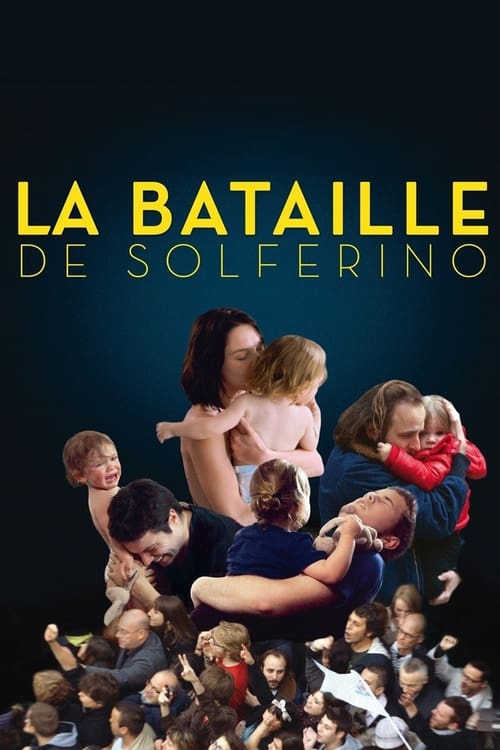
May 6, 2012. Cable news reporter Laetitia is covering the French presidential elections, while Vincent, her ex-husband, demands to see their two young daughters. It's a manic Sunday in Paris: two agitated girls, a frazzled babysitter, a needy new boyfriend, a grumpy lawyer and France cut in half!
Arguably the first African film made that engages the topic of slavery. African film pioneer Mahama Traore (more commonly referred to as Johnson), offers an uncompromising narrative that seeks to address totality of the African slave narrative.
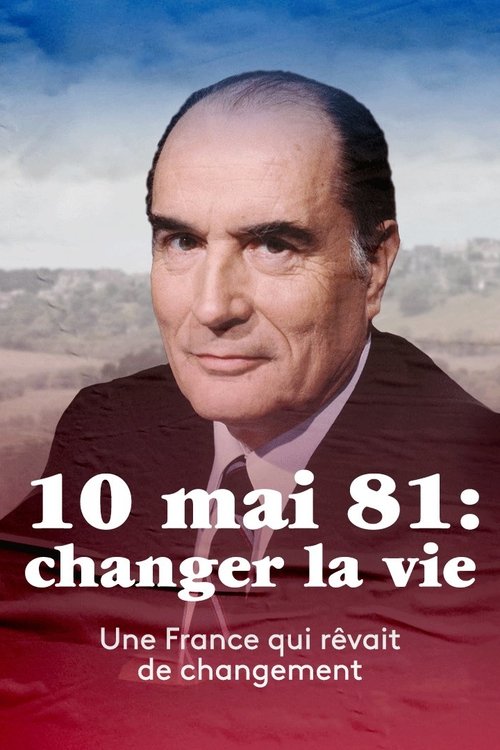
Fourty years ago, in May 1981, with François Mitterrand's election, some people were letting themselves dream about a better life while others were predicting the coming of soviet tanks upon the Champs-Élysées. If we gladly remember the turning point of austerity in 83, there were also the wage rises, the fifth week of paid leave, the abolition of death penalty, the decriminalisation of homosexuality, or the advent of independent radio stations. Rare archives and accounts by those who were at the heart of this story give an overview of it and shed light on lesser-known aspects.
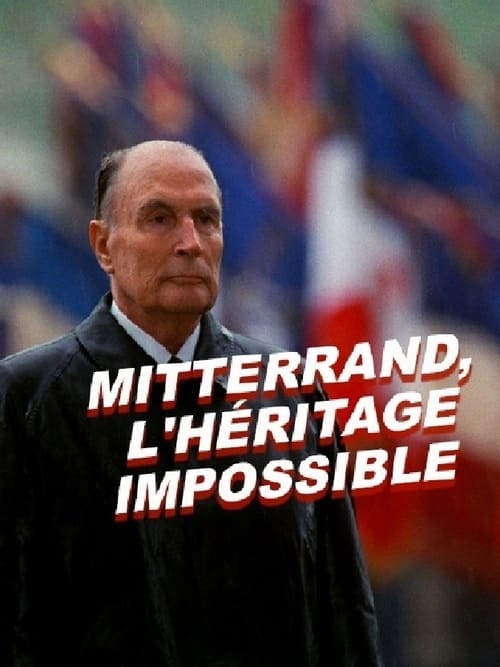
“I am the last of the great Presidents. After me, there will be no more ..." said François Mitterrand at the end of his life. What legacy left the first socialist president of the Fifth Republic? Documentary filmmaker Bertrand Delais and a host of French intellectuals such as Laurent Fabius, Hubert Védrine, Julien Dray, Dominique Bertinotti, Jean-Pierre Chevènement and Bruno Roger-Petit take a look into what that means.
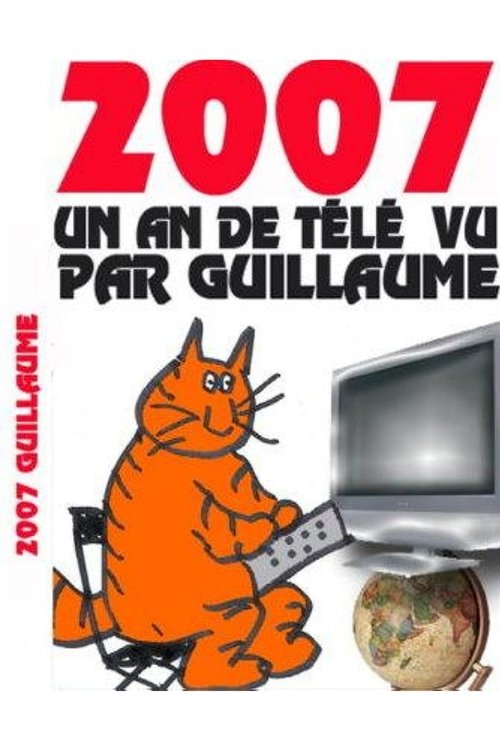
Like more and more internet users, if you didn't watch TV in 2007, you'll think twice about it in 2008. Because Guillaume-en-Egypte, Chris Marker's freelance cat, has watched it a lot; from Al Jazeera to CNN via Russian television and animal channels. And he came out unscathed, even offering us a special zapping.
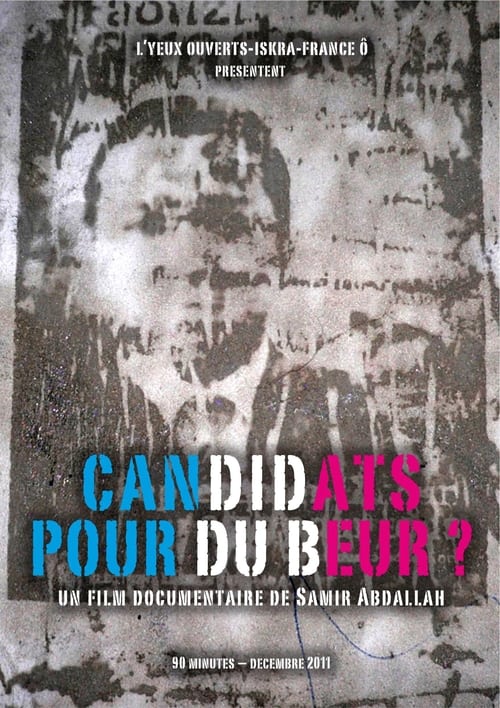
Looking back at the history of the struggle for true equality, we follow the daughters and sons of immigrant workers who have been nominated as candidates representing "diversity" in various election campaigns since the 2007 presidential election. On the ground, through meetings, debates, and more "intimate" encounters with candidates and actors from past struggles, a great diversity of thought emerges. But they all have the same goal: not to be just "candidates for Beurs." With many activists from working-class neighborhoods, from Clichy-sous-Bois to Marseille, via Roubaix, and candidates Mouloud Aounit, Kamel Hamza, Faouzi Lamdaoui, Halima Boumedienne, Omar Slaouti, Samia Ghali, Karim Zeribi, Rama Yade, and others... Will these "new faces" of the Republic be in the picture when the votes are counted, or will they simply be "candidates for the Beurs"?