Acting
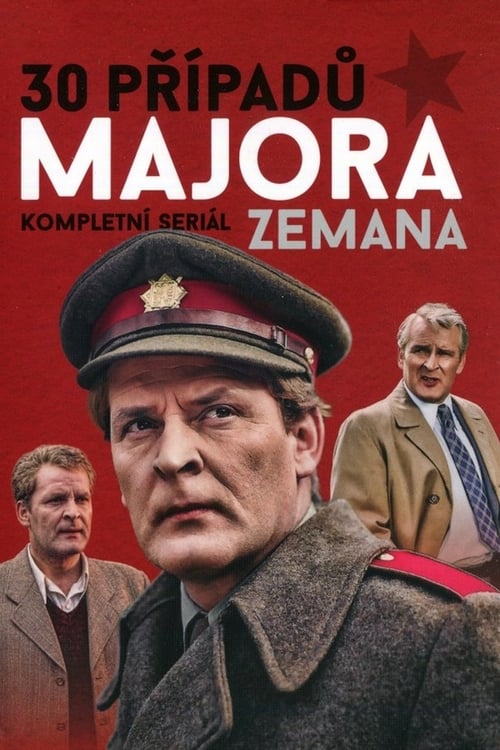
Thirty Cases of Major Zeman is a Czechoslovak action-drama television show intended as a political propaganda to support the official attitude of the communist party. The series were filmed in the 1970s. Each episode encompasses one year, and investigations are stylized to that year. Most are inspired by real cases. The series follows the life of police investigator Jan Zeman during his career from 1945 to 1975.
No description available.
Sanitka was a Czech television, drama series, first broadcast in 1984 and eleven episodes were made. It starred Jaromír Hanzlík, Tomáš Juricka and Zlata Adamovská among others.
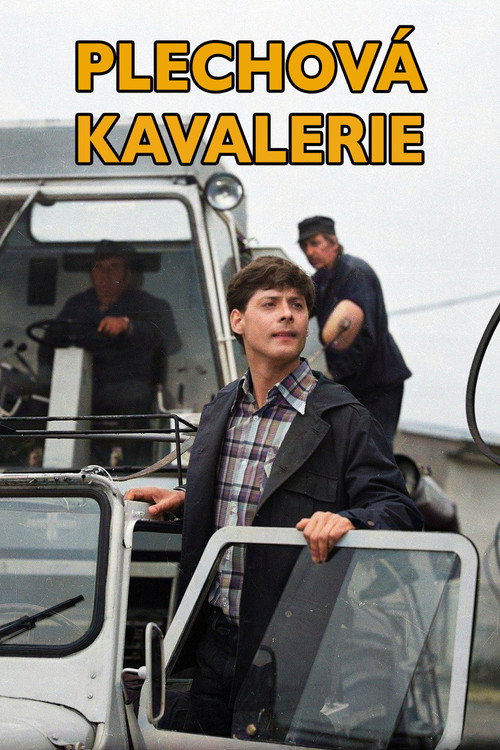
Plechová kavalérie is a Czechoslovak/Czech TV series about combine operators filmed by Jaroslav Dudek.
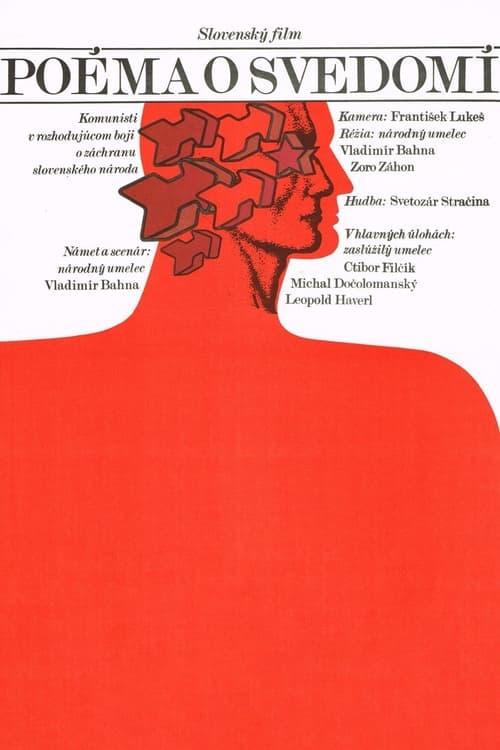
Historical reconstruction of the events of the anti-fascist struggle in Slovakia in 1943 and 1944.
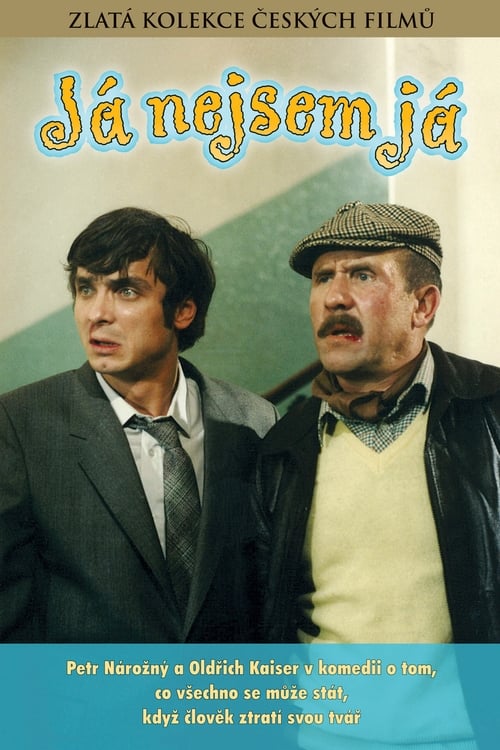
The two heroes of the film's story - the decent but dry engineer Zárub and the marriage swindler Majer - are granted this wish by the mysterious forces of the moon. The two men change their appearance, which, however, contrasts sharply with their unchanged characters and voices. The incomprehensible swap naturally becomes the source of many comic plots and situations.
Biographical film about the work of the young Klement Gottwald. The story depicts his stay in Banská Bystrica, where he edited the Slovak communist press and helped organise the communist revolutionary movement.
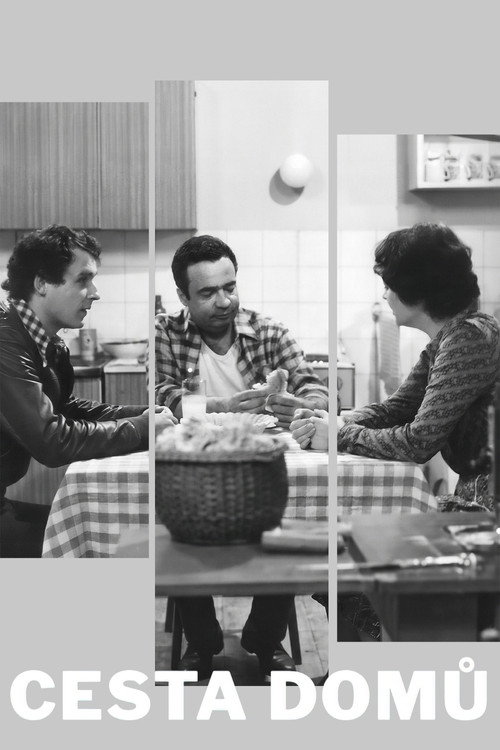
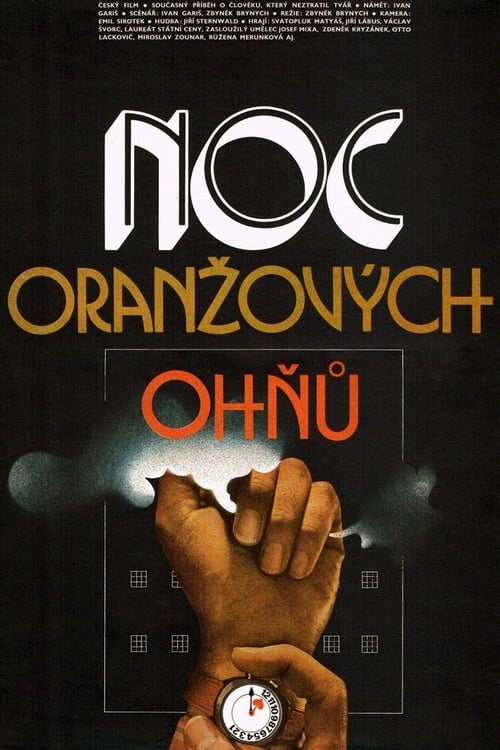
Petr Rynes (Svatopluk Matyás) is celebrating his forty-fifth birthday in the company of his friends. He is happy with his wife, and his abilities at work have been rewarded with the medal For Outstanding Work. But a few short seconds are enough to change his life when he makes the ill-judged decision to take his car to bring a friend's wife to the celebration, and hits a pedestrian on the way. He has of course been drinking at the party and is consequently sentenced to sixteen months in prison. Being in jail is not an easy thing for a honorable communist. He soon gets into conflict with several violent inmates, who think they can break his spirit by violence.
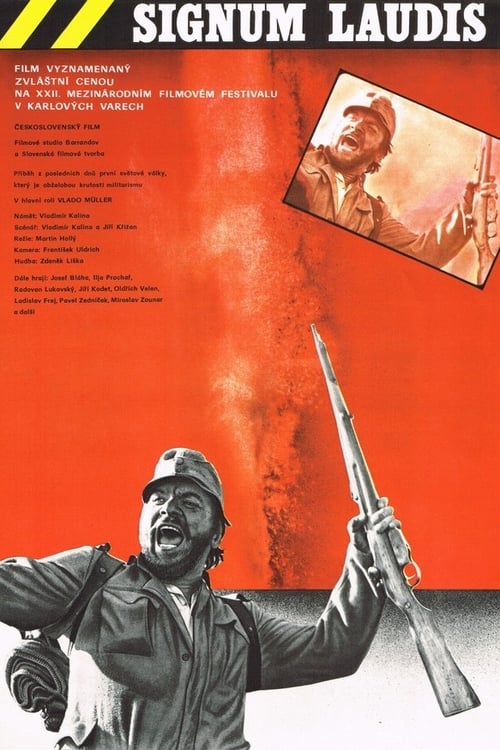
The trenches of World War I provide for a captivating backdrop to the drama of Corporal Hoferik. In his devotion to the Habsburg Monarchy, he fanatically carries out his military orders, but he ultimately suffers the Empire's disfavor.
The 50th anniversary of the Barrandov studios was celebrated with a spectacular show: many directors and other important people gathered in the expensive decorations of the Variety Theatre auditorium (built for the Circus Humberto series). They smiled and showed well-deserved relaxation after a job well done in managing socialist cinema. Vladimir Sís interspersed this with excerpts from films, mainly his own and also a little of others who had worked on the "Hill of Dreams".
In this fairy-tale comedy, a clumsy second-rate wizard, Rumburak, gets stuck in the world of humans. He has forgotten the spell that allows him to return to his home fairyland. His only joy is watching the figure skater Helen, whom he would like to woo. His hopes of returning to fairyland dawn when he discovers a computer in a research institute that could generate the lost spell.
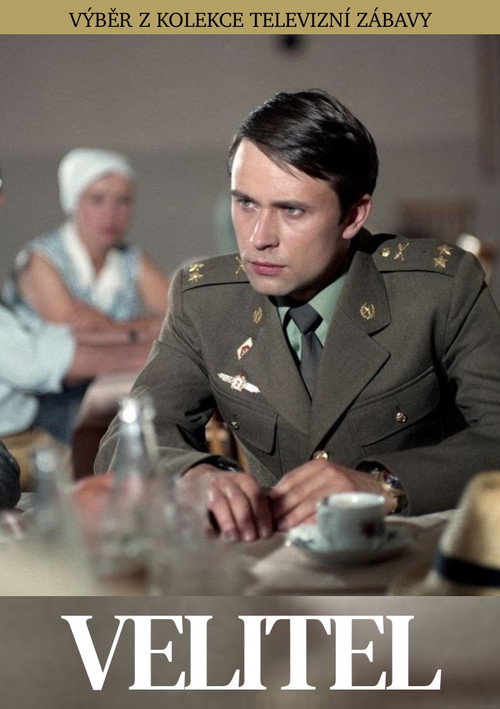
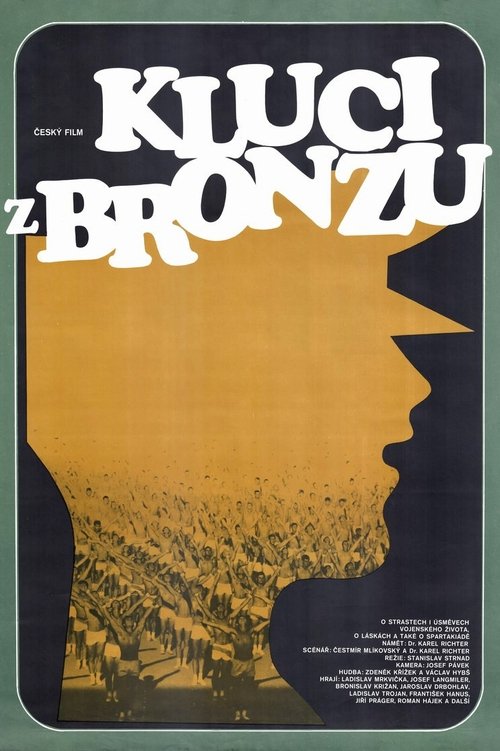
From time to time, we have produced an admirable film about the virtues of the domestic army, which raised the right men in ideal conditions - in this case, we meet the enthusiastic drill sergeants in green, who selflessly rehearse a demanding Spartakiad composition... So, two aspects important to the regime have merged into one. But even this did not change the incredulous, spasmodically optimistic yawn that perhaps even those who had set all this up could not believe. The film uses documentary footage of the soldiers' Spartakiada performance in 1980.