Production
During the Bosnian War, hundreds of ethnic Bosniak women were sent to specially designed rape camps set up by the military forces of the Republic of Srpska. Many of them had chosen to abort, however, some gave birth to these children. Now, thirty years after the traumatic events that led to their conception have taken place, three of them choose to disclose the truth of their origin and fight against the stigma many of them face in everyday life.
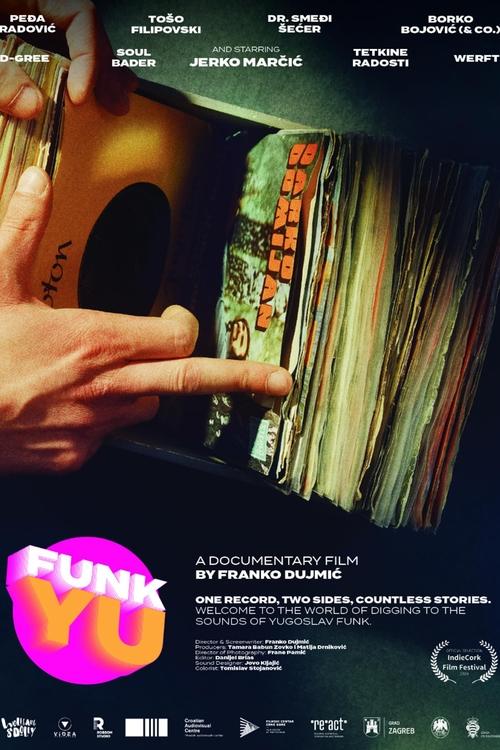
A reluctant vinyl collector Franko finds himself on an adventure across former Yugoslavia to find the only vinyl record missing from his collection: the "Ulica Jorgovana / Zlatokosa" single, one of the finest examples of Yugoslav funk.
After their deceased grandmother leaves them both her isolated seaside mansion, two feuding families start a turf war over it. However, when her secret lover enters the picture, they decide to put their differences aside to get rid of him.
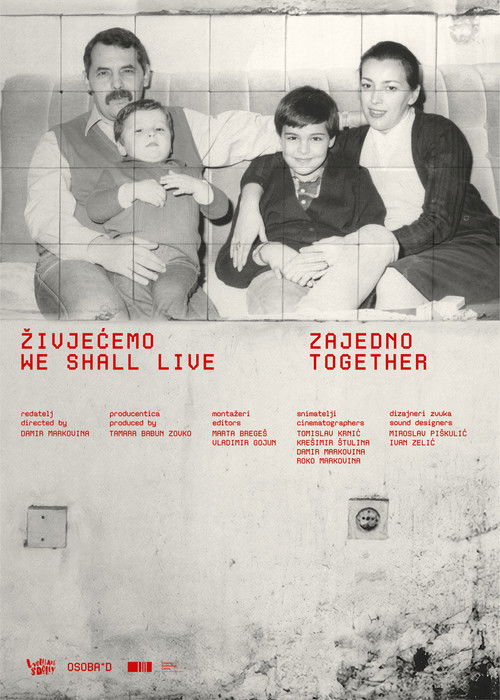
Roko Markovina, a former socialist and unionist politician from the city of Mostar in Herzegovina, reflects on the situation in Croatia and Bosnia during wartime and about the fruitless efforts that he and his wife went through to get back their home that had been taken away from them by nationalist forces who exiled them from it.
Documentary filmmaker Marcella Zanki returns to her childhood home to reconnect with her father, armed with only a camera. However, as their relationship continues to build, she'll turn the project from a straightforward biography into an analysis of the human spirit in the face of industrialism and global changes.
iIsland is a feature documentary about the last 13 inhabitants of the island of Biševo and their struggles to save the island community from extinction. Lada, who is a yoga instructor, and Lucio, who works as a cook on a ship, have established a city council for the island to obtain legal status. They hope this will protect it from the aggressive tourist industry, which wants to turn the old school building into a tourist centre with multimedia, touch-screen presentations.
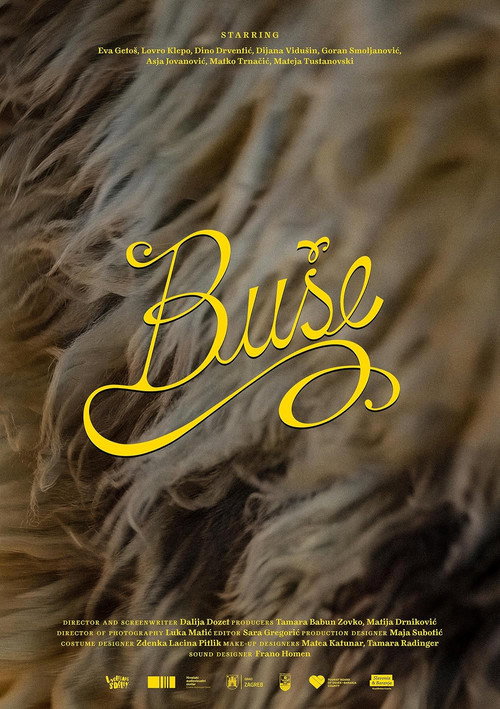
Marta, a lovesick 15 year old, pines for a local boy named Karlo. As the traditional local carnival approaches, its mystical atmosphere and mask making tradition will take her on a personal journey where she will discover the true meaning of her identity.
Maša, beset by anxious reality in which she takes care of her ill mother, flees into the world of imagination, trying to create her own fairy tale. A phone call informs her of the death of a man she doesn't even know and she, without too much hesitation, decides to attend his funeral.
Marina, an exhausted mother, tries to hide the signs of physical abuse her body is covered with from her son, all the while trying to figure out wheater her feeling of being watched is just in her head or is more real than she could possibly imagine.
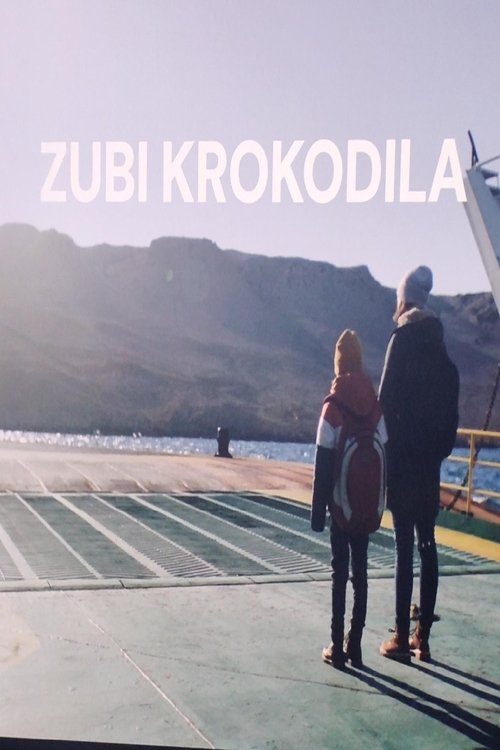
Maša travels from a big city to a small rural community searching for a man, however, she instead runs into Živka, a local who tells her that he won't be in the village for the next few days. Whilst staying there Maša is roped into helping Živka with her chores and the two women quickly bond.
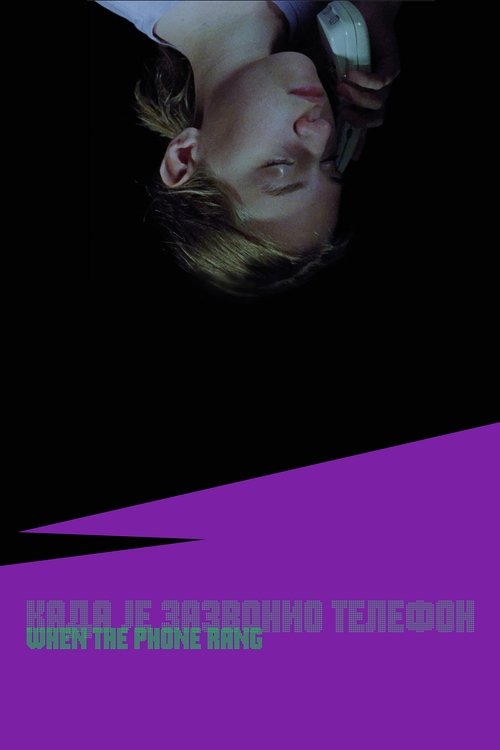
Through an intimate reconstruction of an important phone call, When The Phone Rang investigates dislocation and the nature of remembering. In the protagonist's eleven year old mind the phone call erases her entire country, history and identity and hides its existence in books, films and memories of those born before 1995.
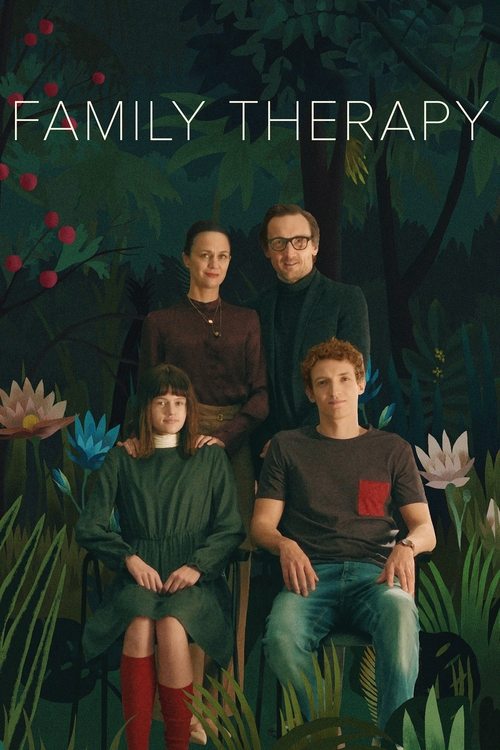
In this black comedy drama, we meet a seemingly perfect family consisting of Olivia, Alexander and their daughter Agata. With the arrival of 25-year-old Julian in their home, their lives are turned upside down and their dysfunctional relationships are revealed. Redemption through humour explores the theme of emotionally drained elites and places it in the context of contemporary social issues.
Accompanied by his wife, an aging music professor travels to his picturesque childhood hometown in order to collect his nerves after a tragic breakdown. However, upon the couple's return, nostalgic memories of all kind will trigger an equal amount of tension and happyness, with the idyllic circumstances turning more and more fragile and reaching a breaking point upon the arrival of Maša, the professor's estranged daughter from his first marriage.
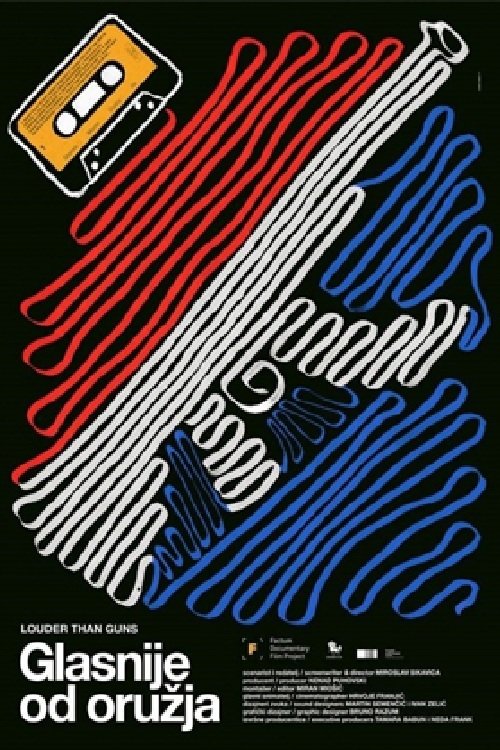
Planes, tanks, bombs, assault rifles, media and propaganda – they were all weapons used in the Homeland War. However, it was the songs that were were louder than everything else. Some used them to describe the nightmare around them, others manifested their political loyalty. The national television and radio considered songs an important means of political “struggle”, so they commissioned, financed, recorded and aired them intensively. Even some twenty years after these events, the wartime soundtrack still draws attention and triggers emotions.
Domagoj is a young boy with a very vivid imagination, but, this unique talent often ends up leaving him marginalized and singled out by both his peers and adults in general. But, things change when he discovers an old family heirloom: a painting supposedly painted by Vincent van Gogh.
Ivana, a succsesful, albeit heavily traumatized and psychologycally damaged reporter, decides to take her husband Zoran and ten year old son David on a vacation to the Adriatic coast. However, after Ivana snaps and physically assaults her son, cracks in her and Zoran's relationship begin to show.
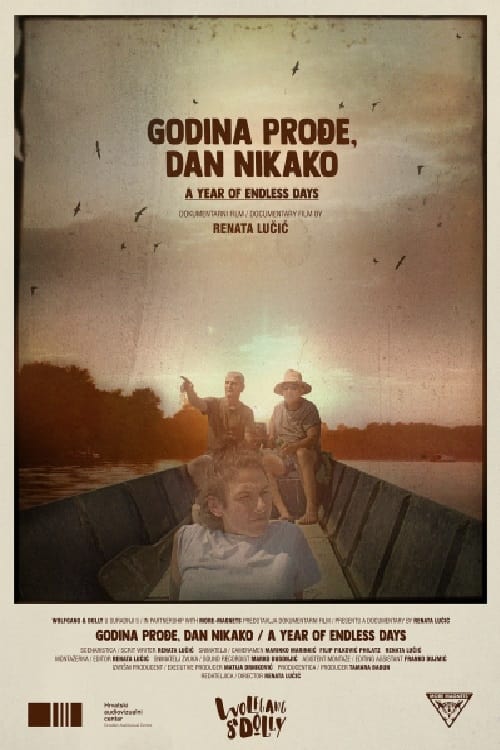
The film follows two men in their 50s, whose wives moved abroad and found new partners, in their daily lives in a small village in Croatia. The director is the daughter of one of them, and she tries to understand her parents’ decisions and why she also ran away.
High school student Jan wants to have a carefree summer, but, his plans are thwarted after his grades begin slipping, forcing him to turn to tutoring.