FEEL IT.STREAM
Mark Donskoy

Mark Donskoy

Directing

Biography

Mark Semyonovich Donskoy[a] (6 March [O.S. 21 February] 1901 – 21 March 1981) was a Soviet film director, screenwriter, and studio administrative head. Donskoy was born in Odessa in a Jewish family. During the Civil War, he served in the Red Army (1921-1923), and was held captive by the White Russians for ten months. After he was freed, he was discharged from military service. He studied psychology and psychiatry at the Crimean Medical School. In 1925 he graduated from the legal department of the Faculty of Social Sciences of the Crimean M.V. Frunze University in Simferopol. He worked in investigative bodies, in the Supreme Court of the Ukrainian SSR, and in the bar association. He published a collection of short stories drawn from his life called "Prisoners" (1925). Donskoy began his career in film in 1926. He worked in the script department, but soon advanced as an assistant director in Moscow. Later he worked in Leningrad as an editing assistant. In 1935 he became the first Soviet dubbing director; he dubbed the American film The Invisible Man. Following this, he directed numerous films. He also worked from time to time as a studio administrator: in 1938–1941, and in 1945-1955 he was the administrative director of Soyuzdetfilm's film studio in Moscow; in 1942-1945 and in 1955-1957 he was director of the Kiev film studio; after 1957, he was director and art director of the Maxim Gorky film studio where he mentored Ousmane Sembène. His wife was the screenwriter Irina Borisovna Donskaya [ru] (1918–1983).

Known For

In the Big City
5.7

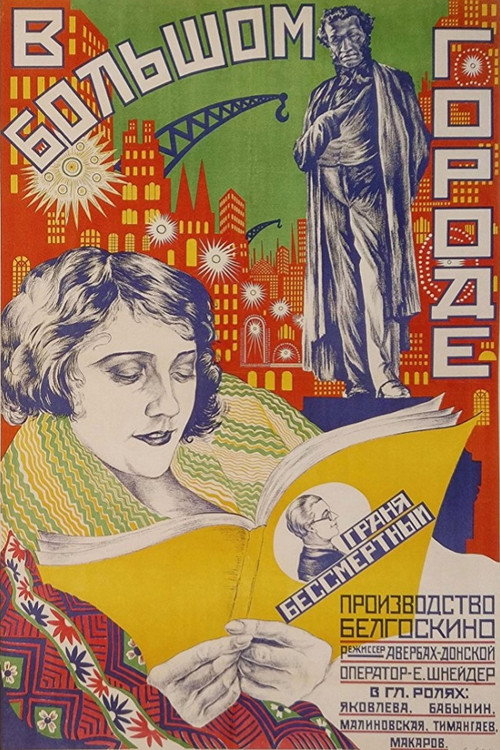
Two country boys move to Moscow. One becomes a construction worker who dreams of being an inventor, the other becomes a decadent poet.

In the Big City

1927
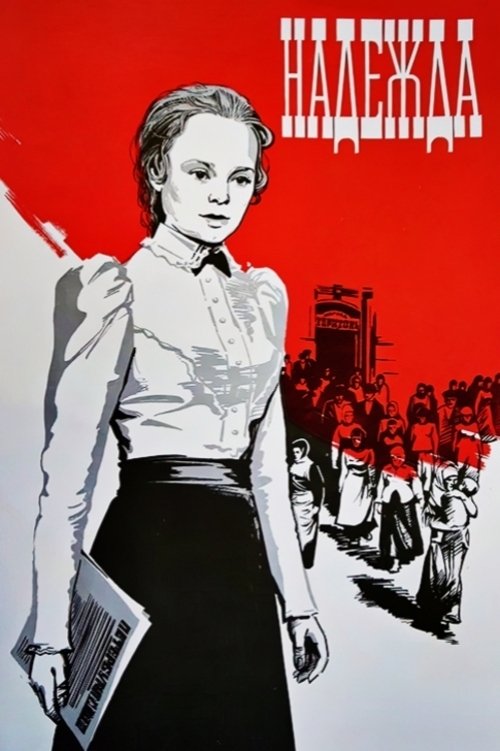
Nadezhda
7.0

The film tells about the childhood and youth of the wife, friend and military ally of the founder of the country of the Soviets Nadezhda Konstantinovna Krupskaya. The main attention in the film is paid to the participation of a young revolutionary in the organization of the struggle of the workers of St. Petersburg for their rights, against the autocracy.

Nadezhda

1973
How the Steel Was Tempered
2.8

This literary adaptation was one of only two films made during World War II on the subject of the Civil War following the Bolshevik Revolution, as attention by filmmakers and viewers shifted away from past history and toward the current conflict.

How the Steel Was Tempered

1942
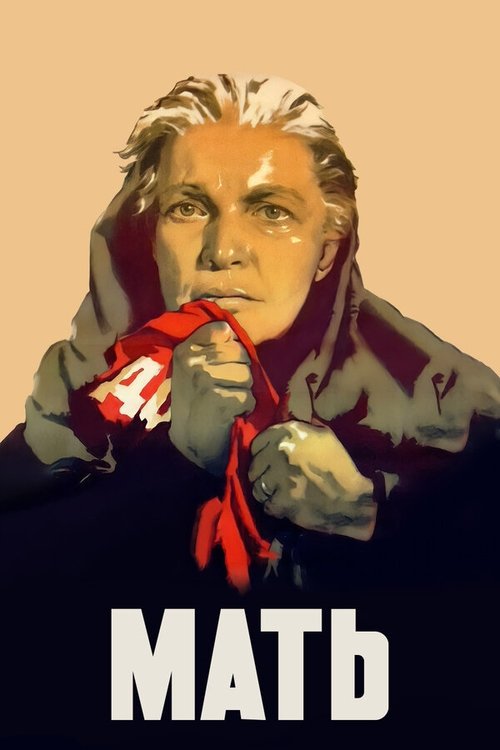
Mother
4.7

Timid old woman Pelageya Nilovna observes the revolutionary activities of her son Pavel Vlasov and gradually comes to realize that his cause is a great and noble one. She involves herself in the movement and finds joy and great courage in her new life as a revolutionary.

Mother

1956
The Childhood of Maxim Gorky
5.8

Young Maxim grows up under the czarist regime with his grandparents as guardians. Continually demeaned by his martinet grandfather, Maxim is drawn to his warm-hearted grandmother, who instills in him the willingness to pursue his writing muse.

The Childhood of Maxim Gorky

1938
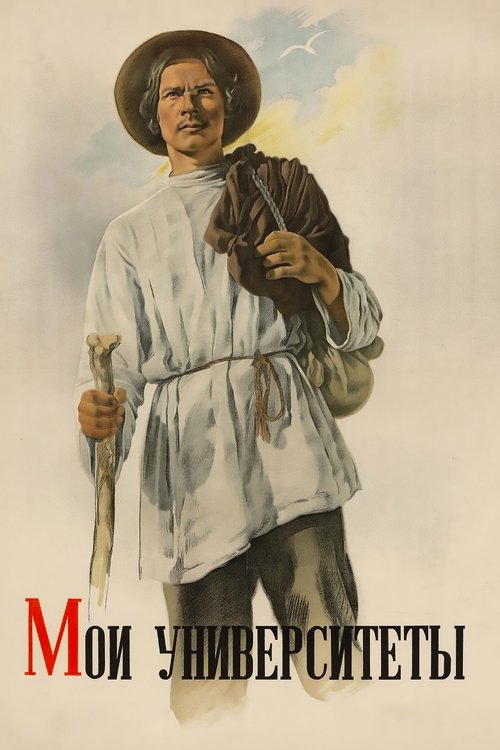
My Universities
5.6

My Universities (Moi universiteti) is the last installment of Russian director Mark Donskoy's "Maxim Gorki" trilogy. Having endured a painful youth in My Childhood and a torturous sojourn as a serf in My Apprenticeship, future writer Gorki reaches maturity with an insatiable desire for personal and artistic freedom. The "university" of the title is actual the school of Hard Knocks, as Gorky goes to work in the shipyards and commisserates with the hard-drinking, philosophical dockworkers.

My Universities

1940
Song of Happiness
7.0

A coming-of-age story about a flute-playing boy (Yyvan Kyrla) from the Mari people, a national minority who lived near the Volga, and how he is educated by the Soviet state.

Song of Happiness

1934
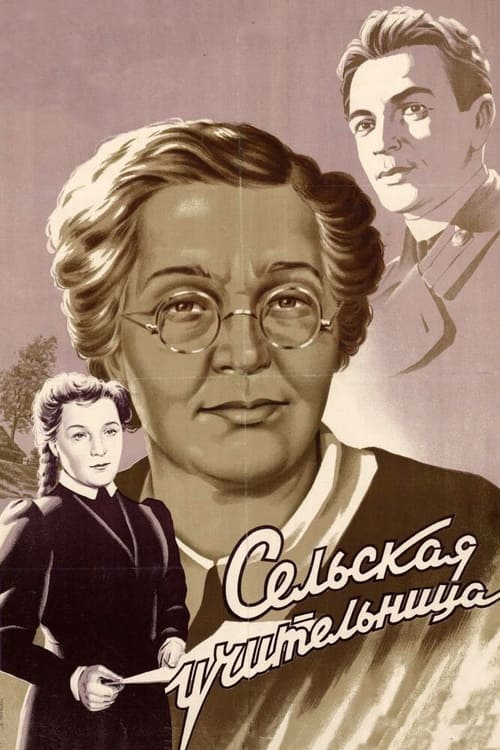
The Village Teacher
5.2

A life-long story of a romantic school teacher who left imperial St. Petersburg for teaching country children. Driven by noble intentions to enlighten people and examples by 1880s revolutionary "People's Will" member teachers, a young woman spent her life in a village and evidenced the changes a Russian village has undergone from pre-revolutionary tsarist times to late 1940s.

The Village Teacher

1947
Prostitute
4.3

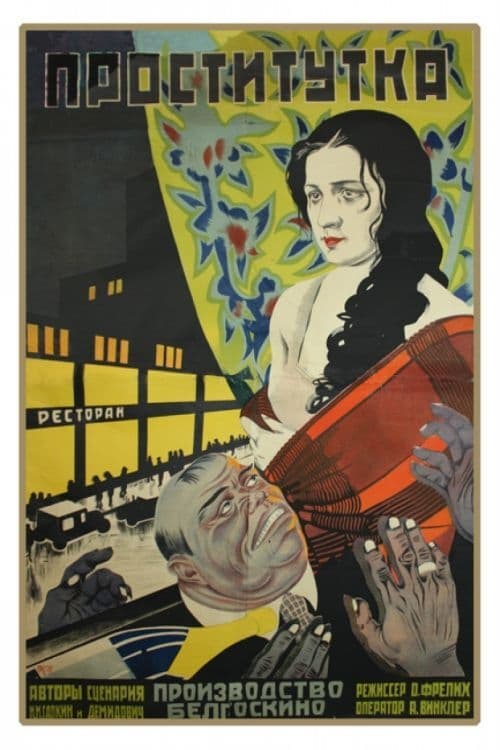
A bold study on the dangers of prostitution in the Soviet Union in the 1920s. It's sort of dramatic fiction that tells the story of Lyuba, which after irremediable events, loses his honor, being obliged to exercise the oldest profession in the world to survive. She hopes for better days and a new opportunity. The film also shows us the story of two other women who also need hope.

Prostitute

1927
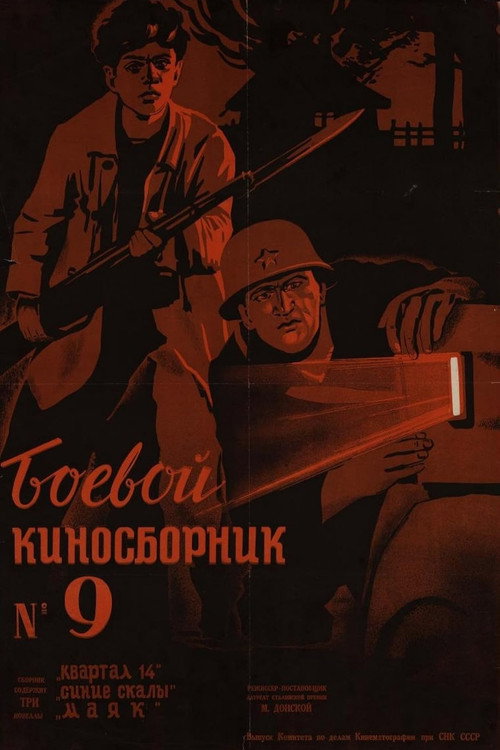
Fighting Film Collection No. 9
N/A

Fighting Film Collection No. 9 (Boyevoy kinosbornik No. 9) is the ninth issue of Boyevoy kinosbornik series, released in May 1942. It contains three segments: "Kvartal No.14/Block 14" (Savchenko), "Siniye skaly/The Blue Cliff" (or "Blue Crags") (Braun) and "Mayak/The Signal" (or "Beacon") (Donskoy).

Fighting Film Collection No. 9

1942
The Horse That Cried
4.1

An adaptation of a story by a Ukrainian writer Mykhailo Kotsiubynsky that anticipates the Ukrainian "poetic cinema" of the '60s in its focus on star-crossed lovers and its celebration of nature. Set in the 1830s, the film follows two lovers on the run - a girl forced into marriage and her boyfriend, a serf who's being sought by the authorities - as they try to make their way to freedom.

The Horse That Cried

1957
My Apprenticeship
5.9

Second entry in Ukrainian director Mark Donskoy's "Maxim Gorki" trilogy. Picking up where 1938's My Childhood left off, the story covers the years in Gorki's life when the future writer (Alexei Lyarsky) was on his own, looking for a purpose and place in life.

My Apprenticeship

1939
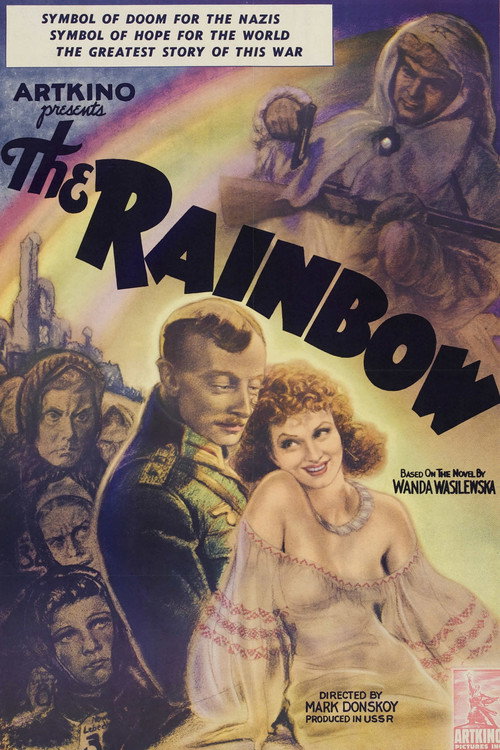
Rainbow
5.0

The German conquerors are above nothing, not even the slaughter of small children, to break the spirit of their Soviet captives. Suffering more than most is Olga, a Soviet partisan who returns to the village to bear her child, only to endure the cruelest of arbitrary tortures at the hands of the Nazis. Eventually, the villagers rise up against their oppressors-but unexpectedly do not wipe them out, choosing instead to force the surviving Nazis to stand trial for their atrocities in a postwar "people's court." (It is also implied that those who collaborated with the Germans will be dealt with in the same evenhanded fashion).

Rainbow

1944
His Excellency
7.5

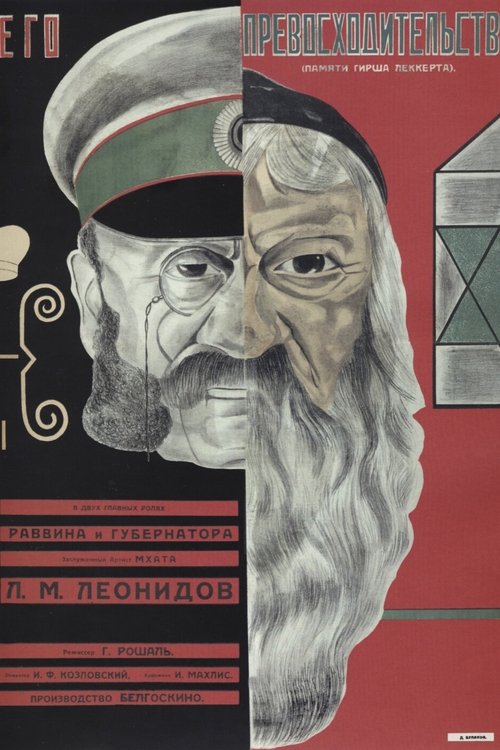
This 1928 film features stylized cinematography and actors from the Moscow Art Theater in a fiction story based on the life of Jewish Labor Bund member Hirsch Lekert who attempted to assassinate the Vilna governor in 1902 to avenge the flogging of workers who participated in a May Day rally.

His Excellency

1928
A Mother's Heart
7.5

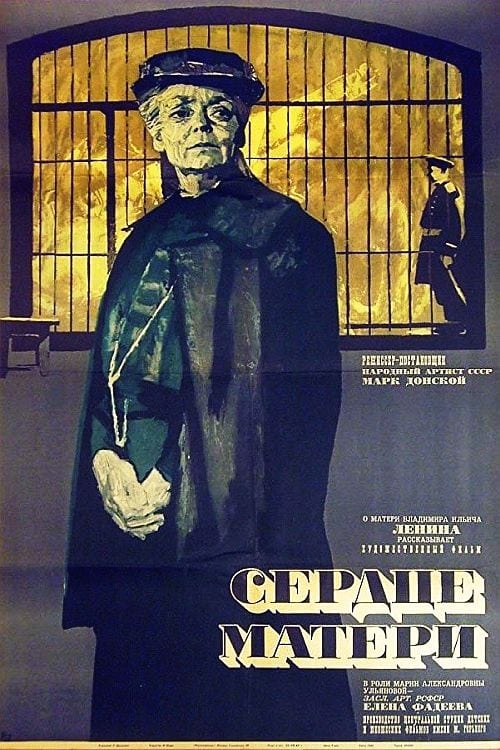
Family drama centering on the childhood of Vladimir Lenin, then Vladimir Ilich Ulyanov, in the city of Simbirsk, and his relationship with his mother.

A Mother's Heart

1966
The Taras Family
6.2

A semi-sequel to Donskoi's Raduga (1944), the story is set in Nazi-occupied Kiev. The drama focusses on the travails of a typical Soviet family and on the efforts by the Germans to force the reopening of a local munitions factory.

The Taras Family

1945
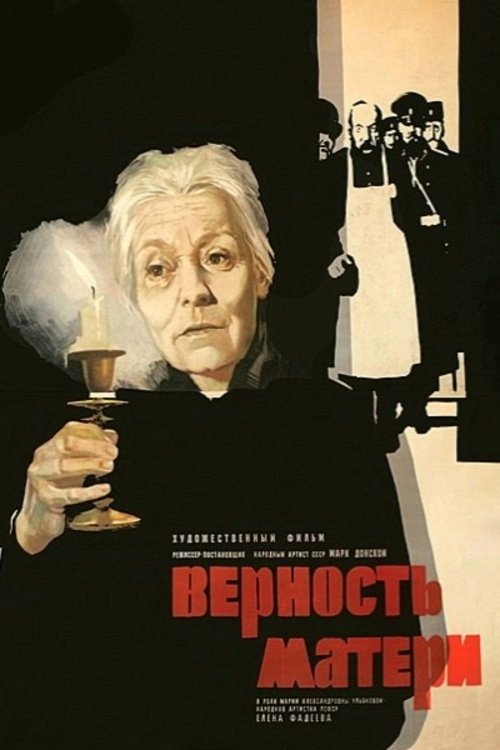
Mother's Loyalty
8.0

The film covers the period from 1900 to 1917. Historical events—the Russo-Japanese War, January 9, and others—are shown through the eyes of a mother who begins to realize that her children have many like-minded followers, and thanks to this, she comes to believe in the feasibility of the ideals for which her eldest son sacrificed himself. Only the awareness that his cause is not hopeless, that it is achievable and close to victory, gives her the courage to endure separation from her loved ones and wandering.

Mother's Loyalty

1966
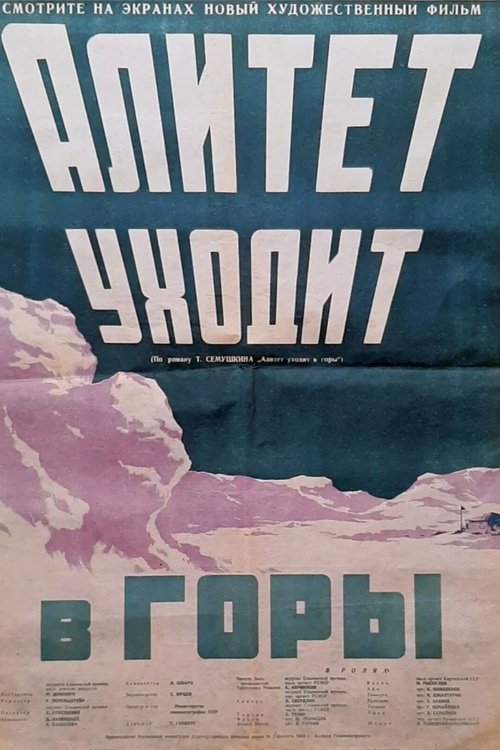
Alitet Leaves for the Hills
5.8

The inhabitants of Chukotka are shown to be cruelly exploited before the revolution. Once Chukotka is visited by the representative of the Kamchatka Revolutionary Committee, Los, and the ethnographer Zhukov. The news of the arrival of the Russians immediately disperses along the coast. Contrary to the pressure of the American Thomson and the local "oligarch" Alitet in Chukotka, fair trade laws are established, as a result of which the Americans and Alitet leave Chukotka.

Alitet Leaves for the Hills

1949
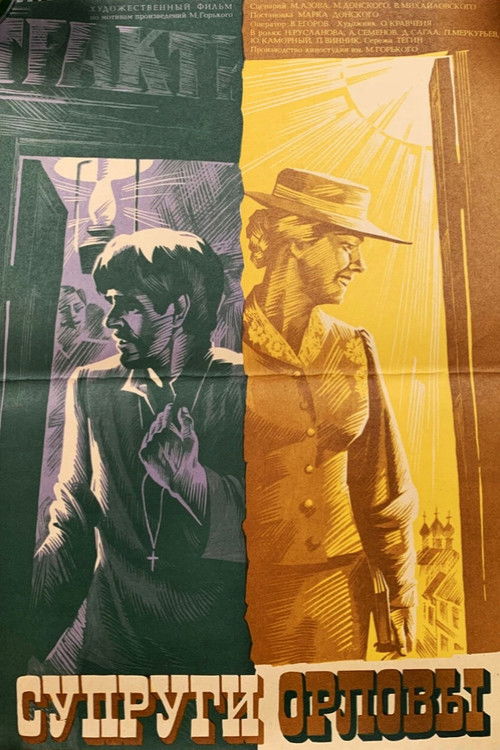
The Orlovs
6.5

The drunkard and his wife become orderlies in a cholera barracks during the outbreak.

The Orlovs

1978
Hello, Children!
9.0

A sad story about a little Japanese girl fighting heavy decease in a Russian summer camp on the Black Sea coast.

Hello, Children!

1962