Kagaw Omin
Directing
Known For
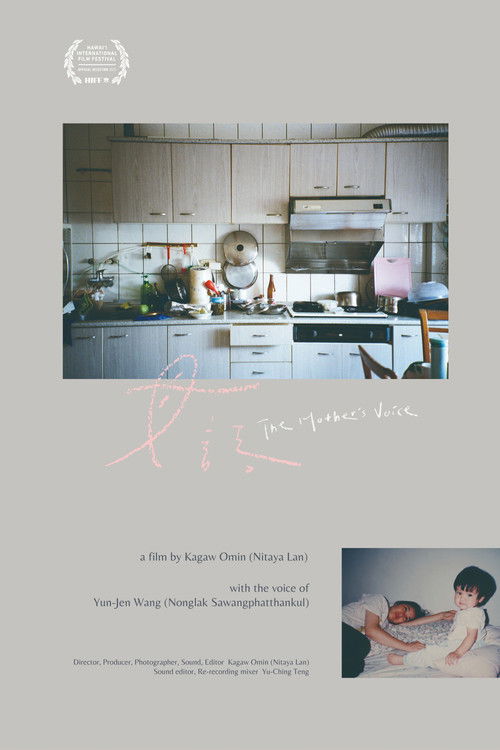
A woman from Chiang Mai speaks in Thai, Mandarin, and Yunnanese. That is the voice I am the most familiar with, the one I first sensed and heard from within her womb. It is also my mother tongue. I chat with my mother about her family of origin and childhood memories. When we are not talking, I wander around the house, touching light and air. Those scents and traces of where my mother resides, along with the fleeting images of her presence, are my intimate gaze of her.
The Mother’s Voice
My father often jokes that he's both a police officer and a hunter. While he has a busy job, he always returns to the tribe on his days off— to check traps, clear the water source, and weed the land.This film documents the time we spent together at the mountain spring. Step by step, he passed on his knowledge of the forest to me. I came to realize that he was trying to hand down the wisdom of my grandfather — how he drew water and lived in harmony with the land.
Musa mita pu'ing 'sya
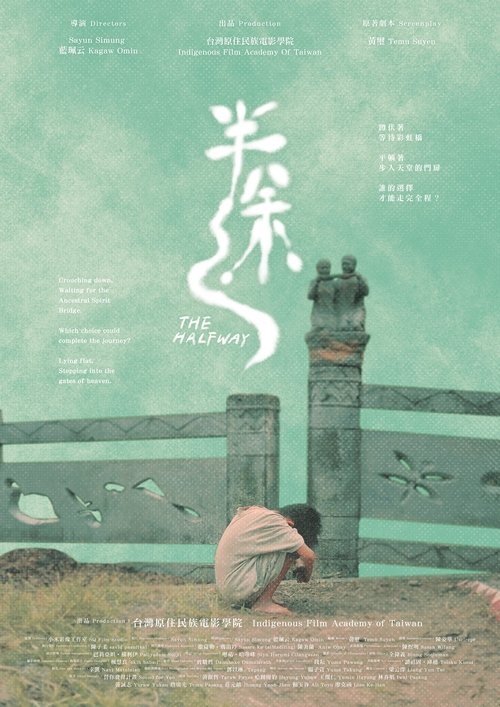
Set in a Tayal community, The Halfway explores the subtle ties between life and death through a tribal funeral. As traditional culture, religion, and modern life collide, the supernatural actions of a "dirty little boy" connect souls, rituals, and family emotions. Produced by an all-Indigenous crew, the film reflects the spirit of mutual support and aims to sincerely convey the cultural and spiritual values of the tribe.