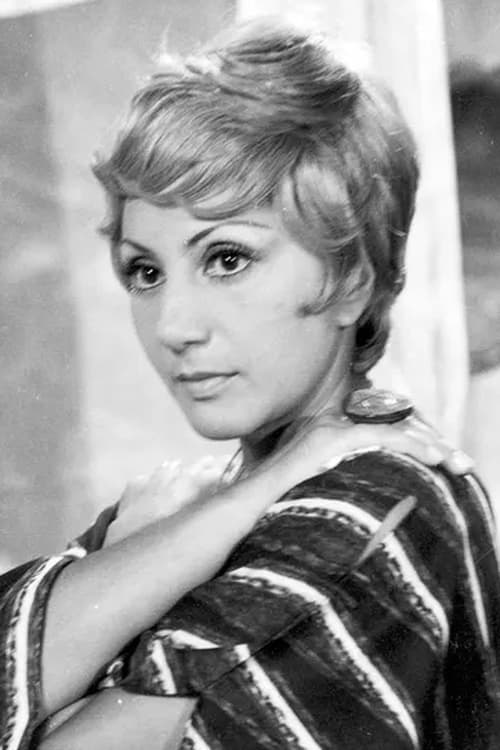
Dorinha Duval
Acting
Known For
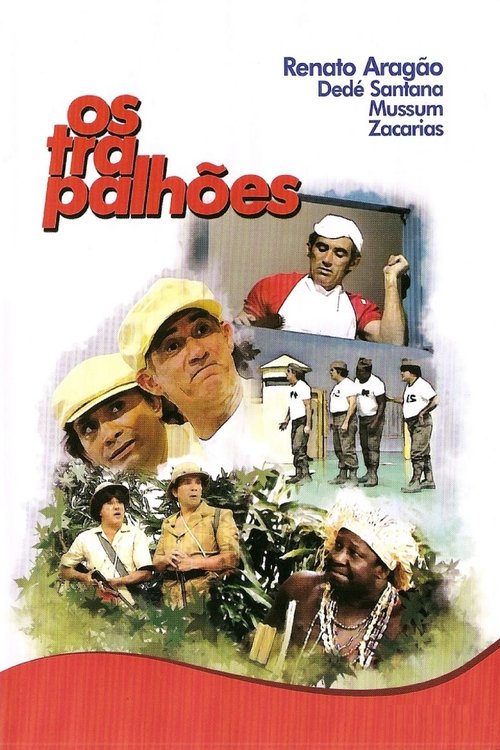
Os Trapalhões was a Brazilian comedy group and also a Brazilian television series created by Wilton Franco. Its members were Dedé Santana, Zacarias, Mussum and their leader Didi Mocó, that was played by Renato Aragão. The name Trapalhões is derived from the Portuguese verb atrapalhar, which means the opposite of helping, to do something the wrong way or to Those that confuse. The name is translated "Tramps" in English DVD subtitles. It was aired by Rede Globo from 1977 to 1999. On March 18, 1990, Zacarias died due to respiratory failure, but the group and the series didn't come to an end until July 29, 1994, when Mussum died due to an unsuccessful heart transplant.
The Trapalhões
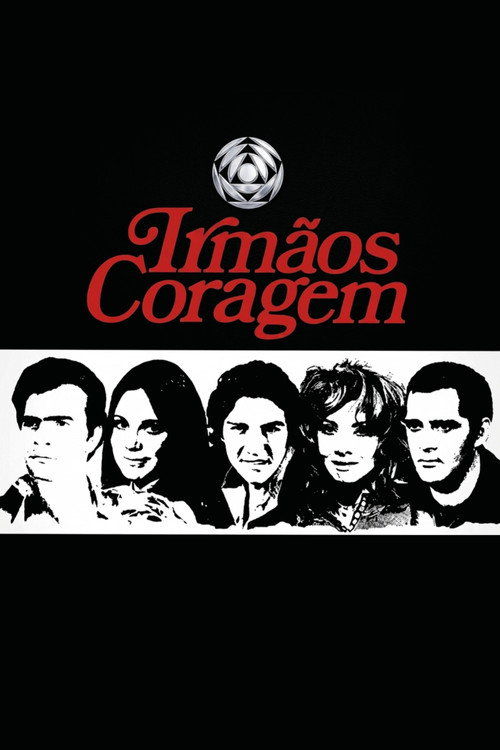
The fight for freedom and against oppression is the central theme of this soap opera that tells the story of the Coragem brothers: João, Jerônimo and Duda, in the city of Coroado.
Irmãos Coragem
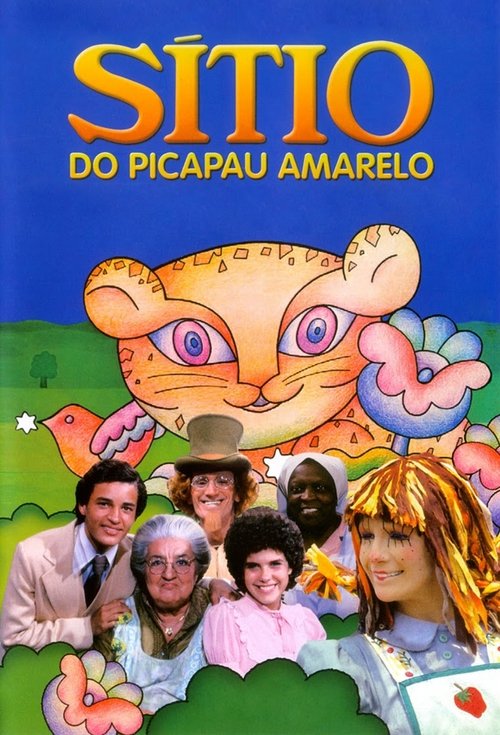
No description available.
Sítio do Pica-Pau Amarelo

No description available.
Selva de Pedra

No description available.
Belíssima
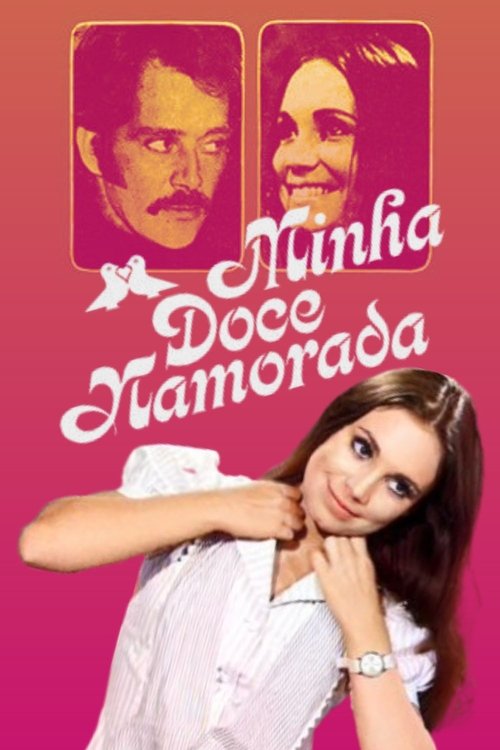
Patricia, an orphan living in a traveling amusement park, believes the stars will bring her happiness. One day, an astrologer predicts the impossible: the young woman, an Aquarius, will fall in love with a Pisces boy, a sign initially incompatible with hers. The girl does, in fact, become enchanted by the wealthy student Renato, but he doesn't feel the same way. Patricia travels to Rio de Janeiro, where she befriends a gentleman whom she affectionately calls Mr. Pepe, unaware that he is Renato's great-uncle and the owner of the company where she begins working. Mr. Pepe discovers fraudulent activities committed by his family and decides to fake his death to observe the dispute over his inheritance.
Minha Doce Namorada
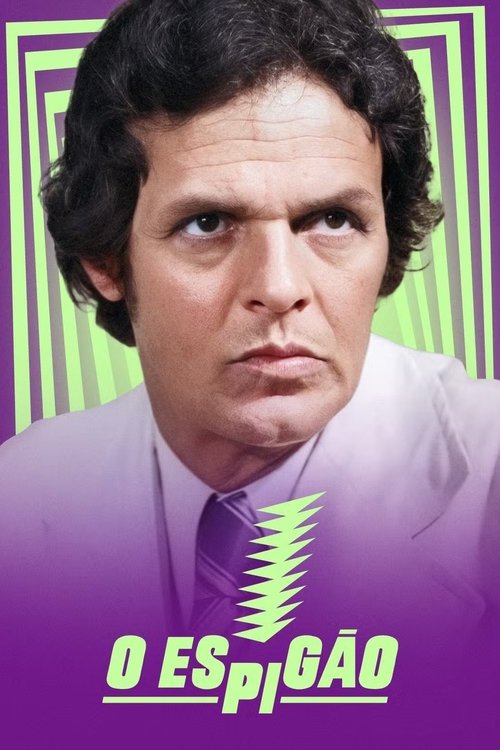
Lauro Fontana wants to build the biggest hotel in Brazil, but he needs to convince the Camará brothers to sell the mansion they live in, facing ethical dilemmas and personal obstacles.
O Espigão
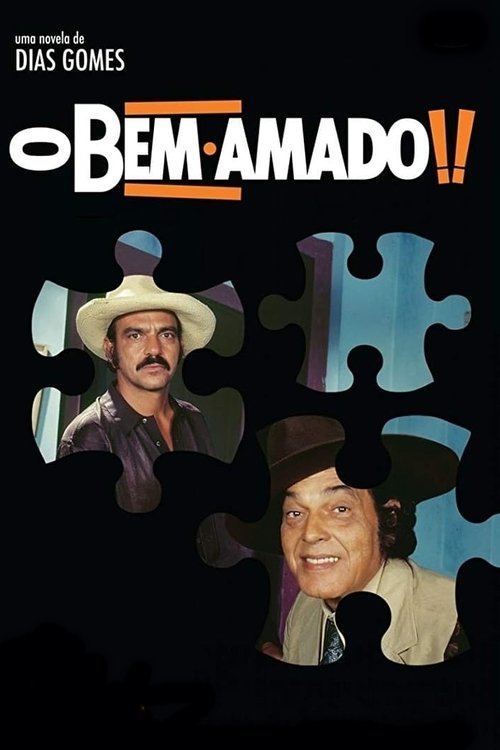
O Bem-Amado is a Brazilian telenovela that first aired on Rede Globo in 1973. It is based on a play by Dias Gomes called Odorico, o Bem-Amado ou Os Mistérios do Amor e da Morte, written in 1962. It was the first Brazilian color telenovela. It was shot in Rio de Janeiro. Broadcast by Rede Globo between January 22 and October 3, 1973.
O Bem-Amado

No description available.
Verão Vermelho

No description available.
Sinal de Alerta

No description available.
Plantão de Polícia

No description available.
Caso Especial
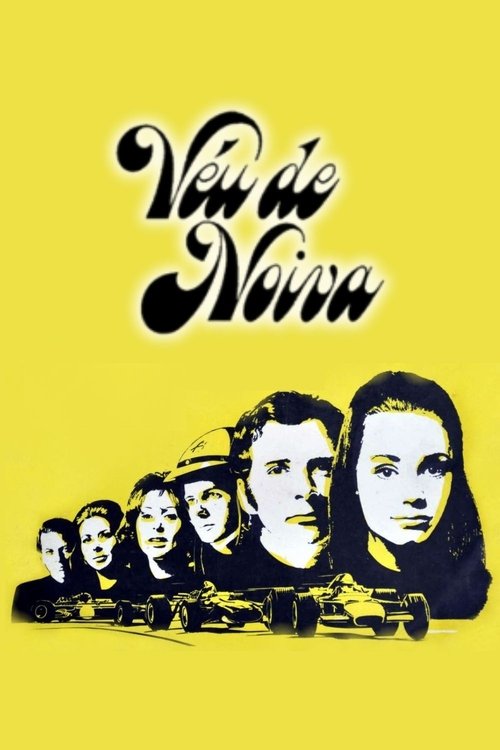
No description available.
Véu de Noiva
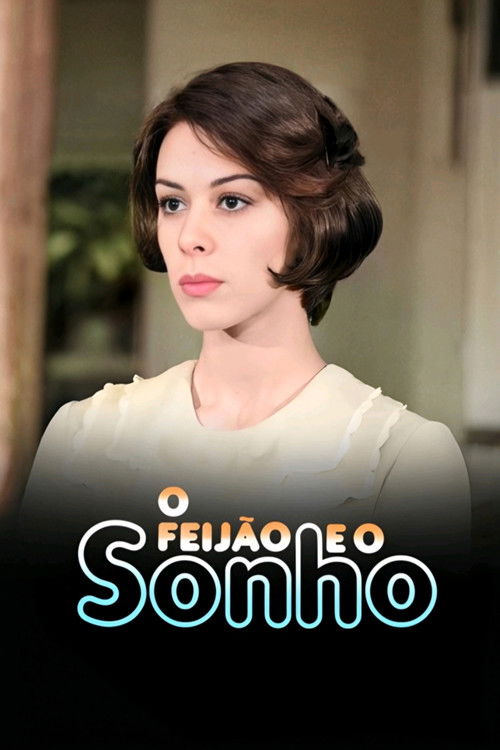
Juca Campos Lara dreams of poetry, but pressured by reality, he trades art for the sake of supporting his family. The struggle between making ends meet and his dream unfolds in four significant phases.
O Feijão e o Sonho
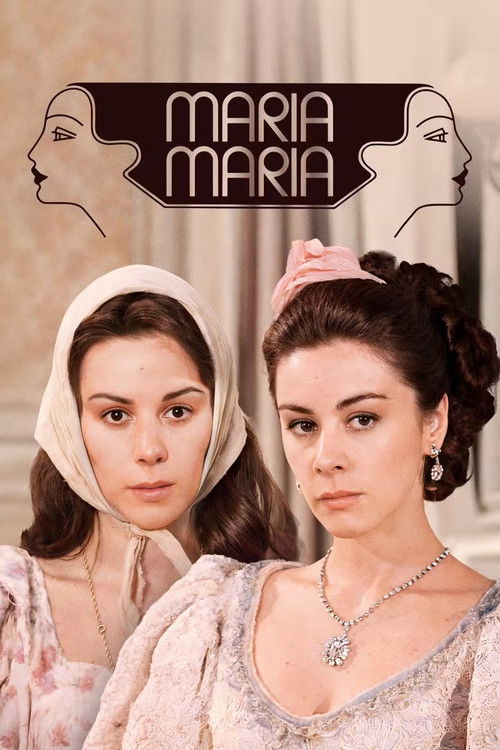
In the backlands, the drover Ricardo marks the destiny of young Maria. Years later, in Xique-Xique, a mistake between two identical women rekindles passions, separations, and an impossible love.
Maria, Maria
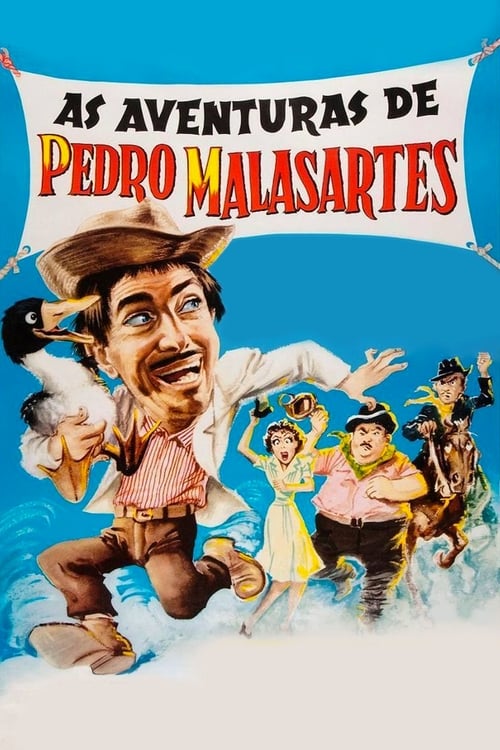
It is the story of Pedro, who after being passed over by his brothers, wanders the world in search of a better life, but on the way, finds children who eventually conquer it, and in order to help them, he passes scamming other people he met along the way, telling lies, however, always with the goal of helping him new friends. And kills a cow.
As Aventuras de Pedro Malasartes
No description available.
Azambuja & Cia
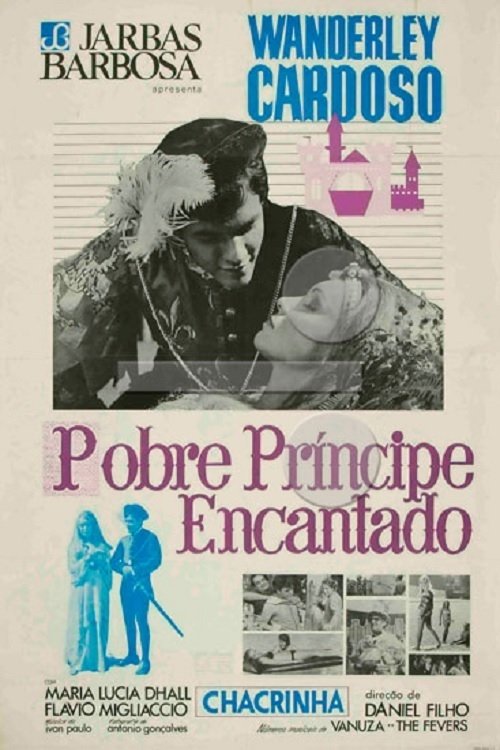
Wanderley, a young and dreamy Army parachutist, arrives in Teresópolis, a resort mountain town, to enjoy his holidays with his father, a housekeeper for a rich family. Wandering around the woods, he meets Débora, an extremely good-looking girl, but doesn't reveal his true identity, saying only he was a Prince Charming in search of a Sleeping Beauty.
Pobre Príncipe Encantado

No description available.
O Homem Que Roubou a Copa do Mundo

An employee of a glass factory suffers with his wife's contempt and starts to develop homicidal delusions about her. One night, he meets a singer which resembles his wife a lot and conjures up a plan.