José Lewgoy
Acting
Biography
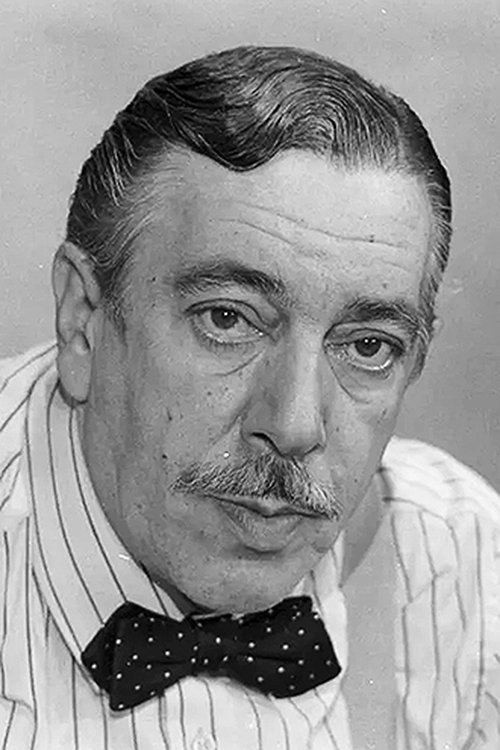
José Lewgoy was a Brazilian actor (Veranópolis, November 16, 1920 — Rio de Janeiro, February 10, 2003). Since 1940, he acted in more than one hundred films, including Fitzcarraldo with German actor Klaus Kinski and studied at Yale University. In 1973, he participated in the film by Colombian director Carlos Mayolo, La mansión de Araucaíma, in the role of Graciliano "Don Graci". The film is based on a story of the same name by writer Álvaro Mutis, winner of the Cervantes Prize in 2001.
Known For

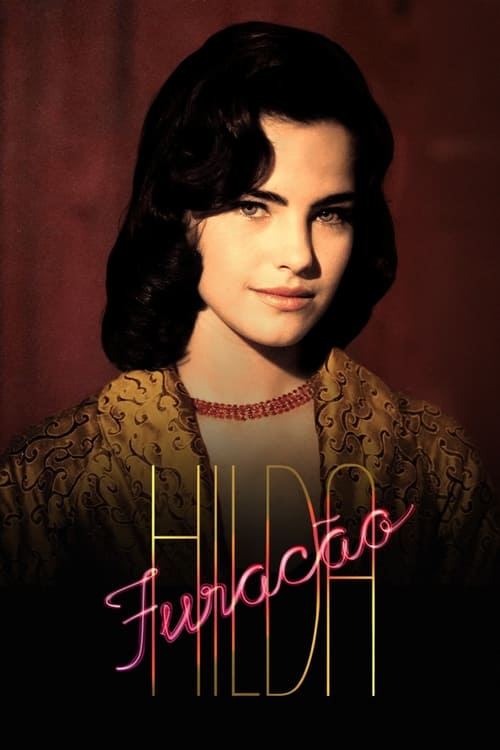
After breaking off her engagement on her wedding day and going directly to a prostitution house, a young model becomes the city's most famous harlot, known as "Hilda Hurricane", in the 50's Brazil. She could do fine if it wasn't for Malthus, a young novice said to be a saint, for whom she falls in love. However, the boy is kept under the strict, severe doctrine of Father Nelson, a conservative priest intolerant even to every minor sin. Things start getting harder when Roberto, Malthus' old friend and a communist reporter (the actual author of the story), tries to interview Hilda and disclosure the real reasons behind her radical change of mind. In the meantime, the middle-classes are terrified by the "leftist threat" in Brazilian politics.
Hilda Hurricane

Os Trapalhões was a Brazilian comedy group and also a Brazilian television series created by Wilton Franco. Its members were Dedé Santana, Zacarias, Mussum and their leader Didi Mocó, that was played by Renato Aragão. The name Trapalhões is derived from the Portuguese verb atrapalhar, which means the opposite of helping, to do something the wrong way or to Those that confuse. The name is translated "Tramps" in English DVD subtitles. It was aired by Rede Globo from 1977 to 1999. On March 18, 1990, Zacarias died due to respiratory failure, but the group and the series didn't come to an end until July 29, 1994, when Mussum died due to an unsuccessful heart transplant.
The Trapalhões

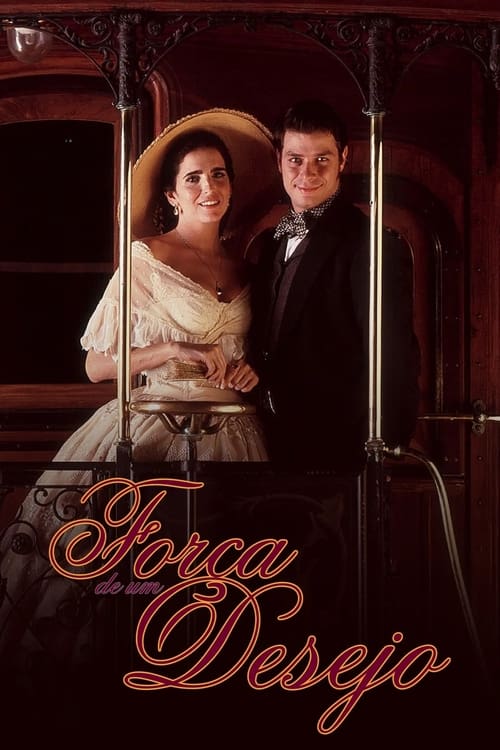
Set in the 19th century, the novel tells the story of an impossible romance. Inácio, a young man from a traditional family, falls in love with Esther, the owner of the most famous brothel in the Court.
Força de um Desejo

Brava Gente was a television series aired by TV Globo in Brazil between 2000 and 2003, initially as a special year-end. The program was adapted from stories and national stories, and plays by famous playwrights, screenwriters and signed by a number represented by several actors and actresses. The genres of the stories varied each week with the style of each director or author. Brava Gente in the stories ranged from comedies and dramas. In all 53 episodes were shown, broadcast on Tuesday nights.
Brava Gente

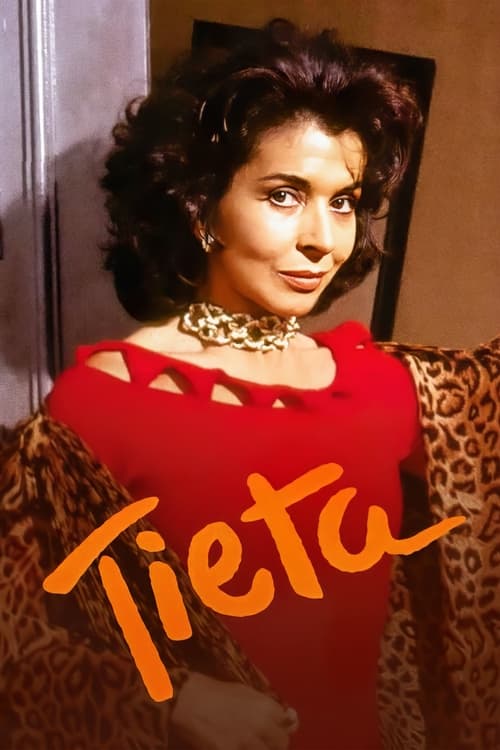
Inspired on Jorge Amado's romance "Tieta do Agreste", the plot is set on the fictional city of Santana do Agreste, at Brazil's northwest, and has as main theme Tieta's life turnarounds. Twenty-five years after being chased out of town by her father Zé Esteves, she returns to her home town seeking revenge against everyone who mistreated her and laugh at her face in the past.
Tieta

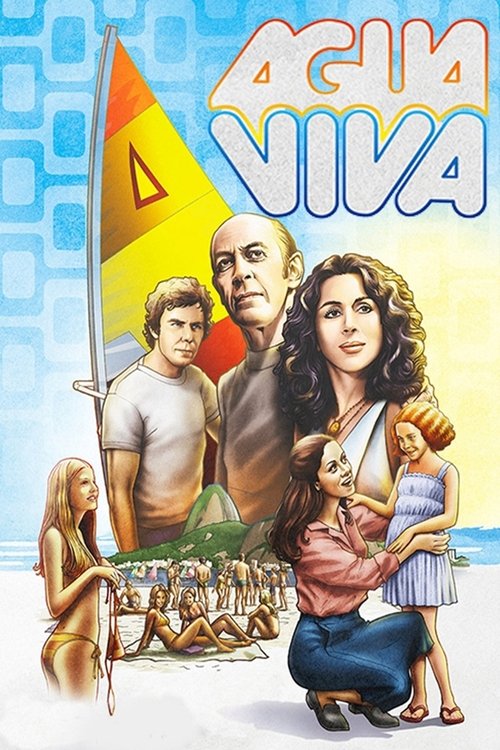
No description available.
Água Viva

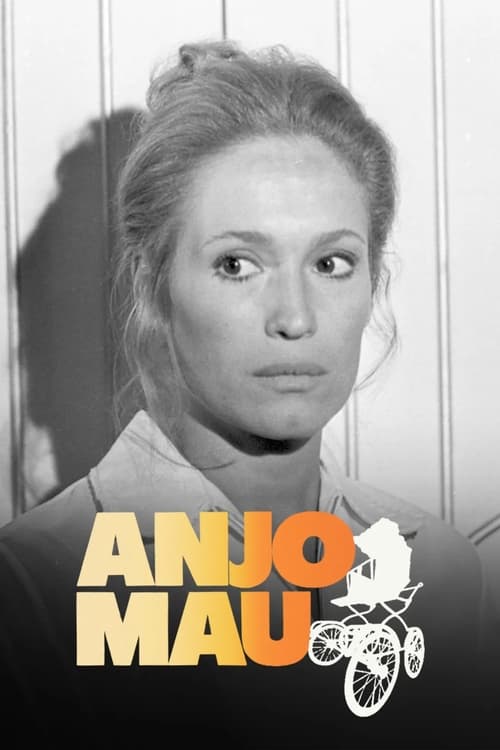
A poor young woman, unhappy with her inevitable destiny as a suburban housewife, gets a job as a nanny for a wealthy family and falls in love with her employer's brother, using every trick to win him over and ultimately become the lady of the mansion. .
Anjo Mau

A down-on-her-luck former inmate tries to reconnect with her daughter--to the objections of her sister who raised the girl, meets a millionaire, and transforms into a strong woman, returning to society at Dancin' Days nightclub's opening.
Dancin' Days

After an accident, Marcela arrives in São Paulo and decides to assume a new identity. Torn between love, she plunges into a world that is not her own.
Plumas & Paetês

No description available.
Vida Nova

No description available.
Mad Love

Childhood friends Cidinha and Leda follow opposite paths, but envy the life the other has chosen. Belo's love and custody of their daughter lead them into a competition.
Perigosas Peruas

No description available.
Nina

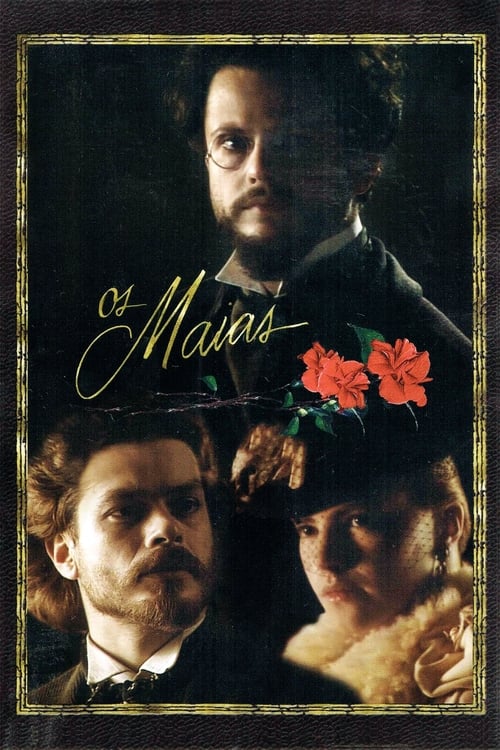
Pedro da Maia, meets a beautiful woman called Maria Monforte with whom he gets married despite his father's objection. The marriage produces a son, Carlos Eduardo, and a daughter. Some time later, Maria Monforte falls in love with Tancredo and runs away to Italy with him, taking her daughter along. When Pedro finds out, he goes with his son to his father's house where he commits suicide. Carlos stays at his grandfather's house and is educated by him. Carlos, becomes a doctor and opens his own office. Later he meets a gorgeous woman, Maria Eduarda. The two fall in love and have dozens of nights together. Eventually Carlos finds out later that Maria lied to him about her past and he starts fearing the worst. In the end, Carlos finds out that Maria is his sister. He informs her that they are siblings and that they cannot live like this anymore. Carlos, to forget his tragedies, goes for a trip around the world.
Os Maias

No description available.
Telerromance

No description available.
Cavalo de Aço

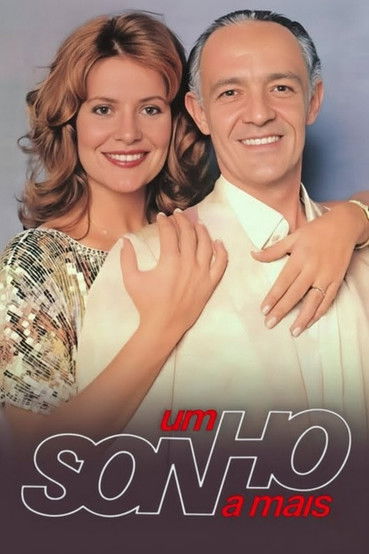
The story begins with the arrival of millionaire Antônio Carlos Volpone in Brazil. After living in Cairo for 18 years, he returns to his homeland for two reasons: first, to clarify the murder of his father-in-law, Dr. Telles, of which he was accused; second, to get closer to his ex-wife Estela, now married to Orlando Aranha. The millionaire also attracts media attention, and reporter Amélia Bicudo decides to investigate his life. To mislead his enemies and move freely, Volpone uses numerous disguises: the executive Anabela Freire, the doctor Nilo Peixe, the industrialist Augusto Melo Sampaio, and the driver André Silva. With the help of his loyal secretary and friend, Mosca, he confronts his main rival, Orlando Aranha, and Renata, Orlando's sister, who holds secrets about the murder of Estela's father.
Um Sonho a Mais

No description available.
Gente Fina

No description available.
O Bofe

No description available.