FEEL IT.STREAM
Kwame Ture

Kwame Ture

Acting

Biography

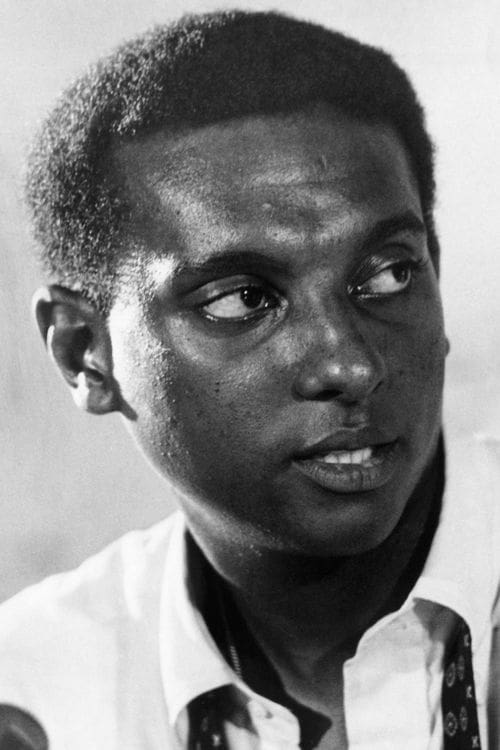
Kwame Ture was a prominent organizer in the civil rights movement in the United States and the global Pan-African movement. Born in Trinidad, he grew up in the United States from the age of 11 and became an activist while attending the Bronx High School of Science.
Known For

American Experience
6.6

TV's most-watched history series brings to life the compelling stories from our past that inform our understanding of the world today.

American Experience

1988
World in Action
7.0

World in Action was Granada Television’s flagship ITV current affairs series, running from 7 Jan 1963 to 7 Dec 1998, and built a reputation for film-led investigative reporting and a forceful editorial stance. Its journalism produced major public and political repercussions—including investigations associated with miscarriages of justice such as the Birmingham Six—and it also served as a platform for landmark documentary projects, including the first broadcast of “Seven Up!” as part of the strand in 1964.

World in Action

1963
The David Susskind Show
7.0

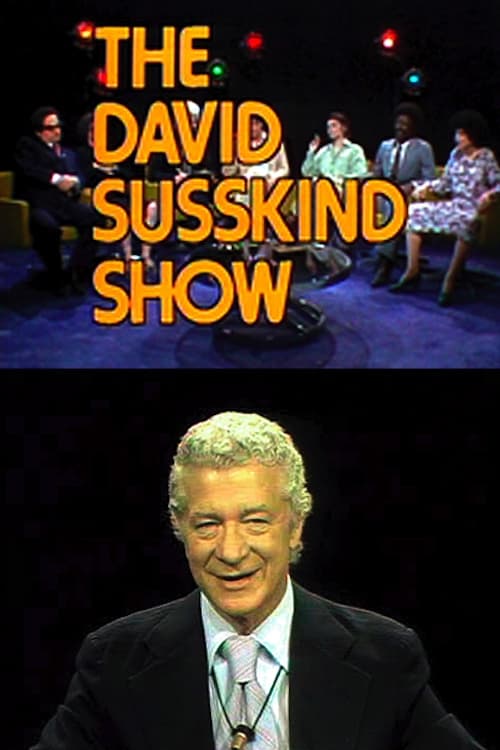
The David Susskind Show is an American television talk show hosted by David Susskind. The program began its existence in 1958 as Open End, and was broadcast by WNTA-TV in New York City. The title referred to the fact that the program continued until Susskind or his guests were too tired to continue late on a Sunday night.

The David Susskind Show

1959
Hollywood Black
9.0

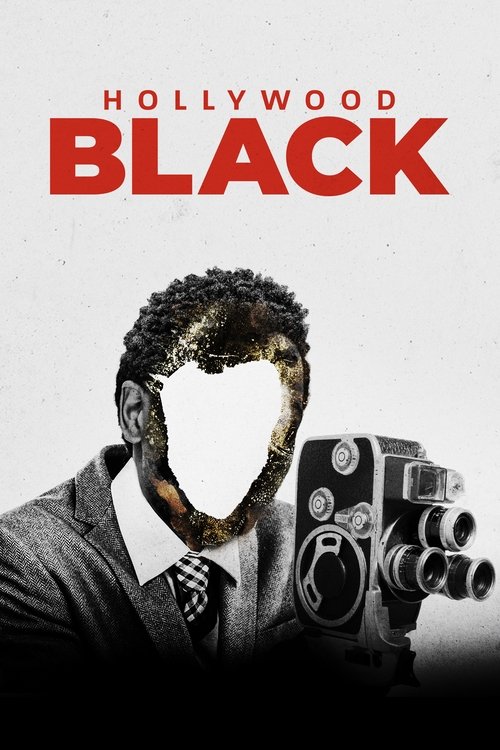
The epic story of the actors, writers, directors, and producers who fought for their place on the page, behind the camera and on the screen. From blackface to Black Panther, this series is a definitive chronicle of more than a century of the black experience in Hollywood and a powerful reexamination of a quintessentially American story – in brilliant color.

Hollywood Black

2024
70 Years of Youth Revolt
7.2

A look back at the social movements, revolts and youth subcultures from the post-war period to the present day: after the World War II, the left-bank of Paris became a mecca for jazz and alternative living, youth culture was born with trailblazing American movies, and rock became the soundtrack to a generation that wanted to change everything.

70 Years of Youth Revolt

2020
Helter Skelter: An American Myth
6.7

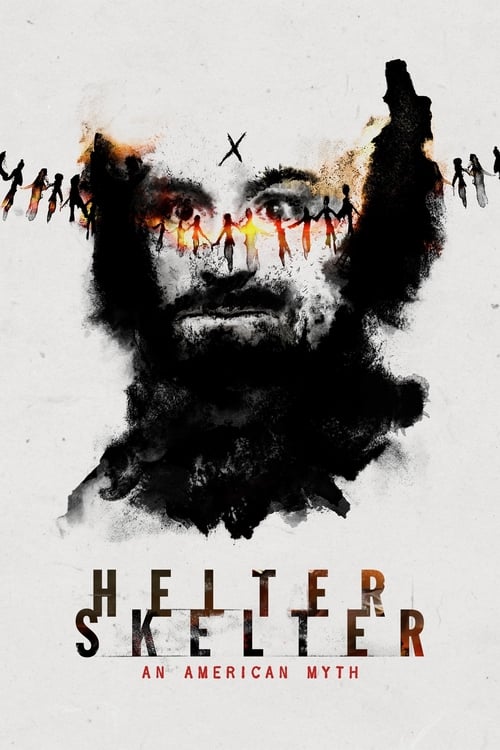
The untold story behind cult leader Charles Manson and his followers' heinous crimes as told through interviews with former members, archival footage, and newly-unearthed images.

Helter Skelter: An American Myth

2020
Summer of Soul (...Or, When the Revolution Could Not Be Televised)
7.6

During the same summer as Woodstock, over 300,000 people attended the Harlem Cultural Festival, celebrating African American music and culture, and promoting Black pride and unity. The footage from the festival sat in a basement, unseen for over 50 years, keeping this incredible event in America's history lost — until now.

Summer of Soul (...Or, When the Revolution Could Not Be Televised)

2021
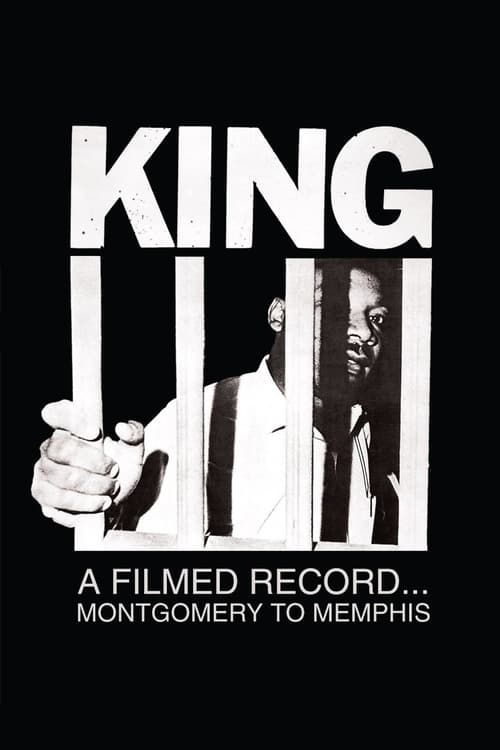
King: A Filmed Record... Montgomery to Memphis
7.3

A presentation of key events in the life of civil rights activist Martin Luther King Jr. Beginning with the 1955 bus boycott in Montgomery, Alabama, MLK is followed through major steps in his struggle to promote racial equality. Including footage of King's stirring speeches, it is a fitting tribute to his legacy, and features clips narrated by a wide range of celebrities, including Harry Belafonte, Paul Newman Charlton Heston, Ruby Dee, Burt Lancaster, Anthony Quinn, Walter Matthau, Ben Gazzara, Clarence Williams III, Joanne Woodward, and James Earl Jones.

King: A Filmed Record... Montgomery to Memphis

1970
The Fall
7.2

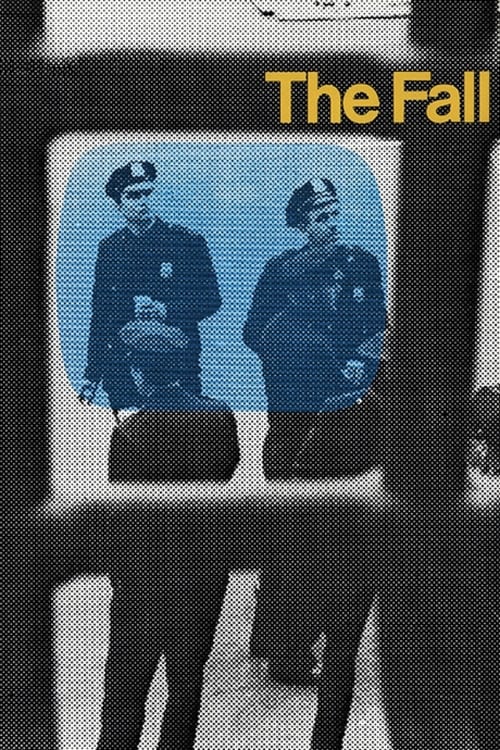
"The Fall" depicts certain scenes in New York City between October 1967 and March 1968, shot by the independent filmmaker, Peter Whitehead. It is a very personal documentary, and Whitehead appears in a large number of scenes, and we hear his lengthy ruminations on the state of the United States and the war in Vietnam.

The Fall

1969
Berkeley in the Sixties
6.0

A documentary about militant student political activity at the University of California, Berkeley in the 1960s.

Berkeley in the Sixties

1990
King in the Wilderness
6.9

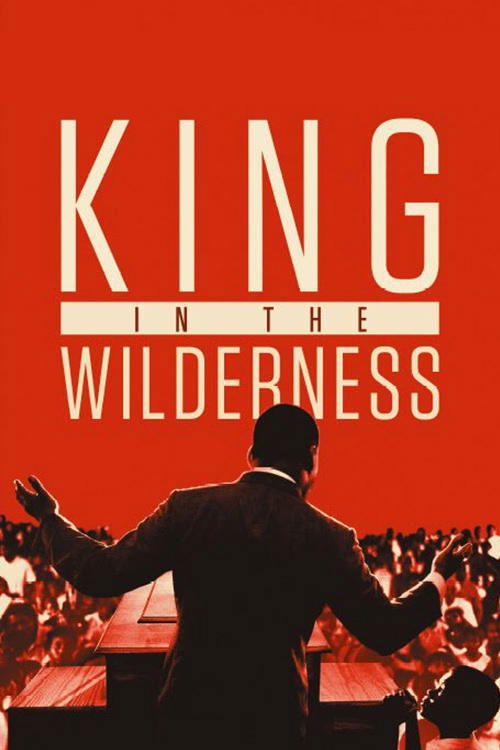
A chronicle of the final chapters of Dr. Martin Luther King Jr.’s life, revealing a conflicted leader who faced an onslaught of criticism from both sides of the political spectrum.

King in the Wilderness

2018
Black Panthers
7.2

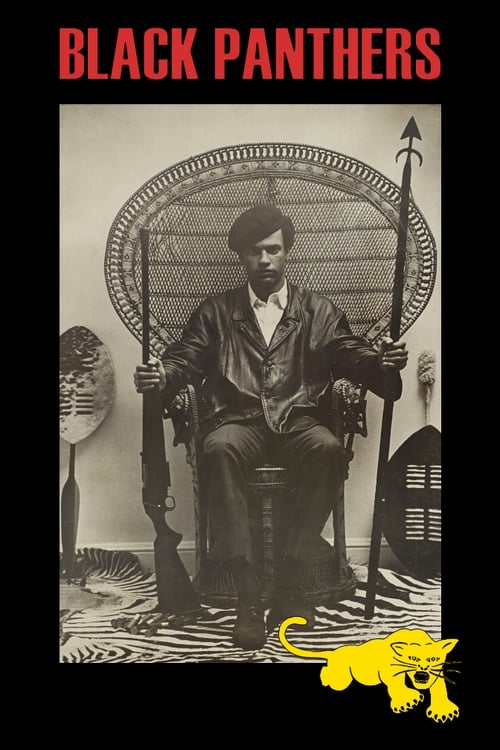
A film shot during the summer of 1968 in Oakland, California around the meetings organised by the Black Panthers Party to free Huey Newton, one of their leaders, and to turn his trial into a political debate. They tried and succeeded in catching America’s attention.

Black Panthers

1968
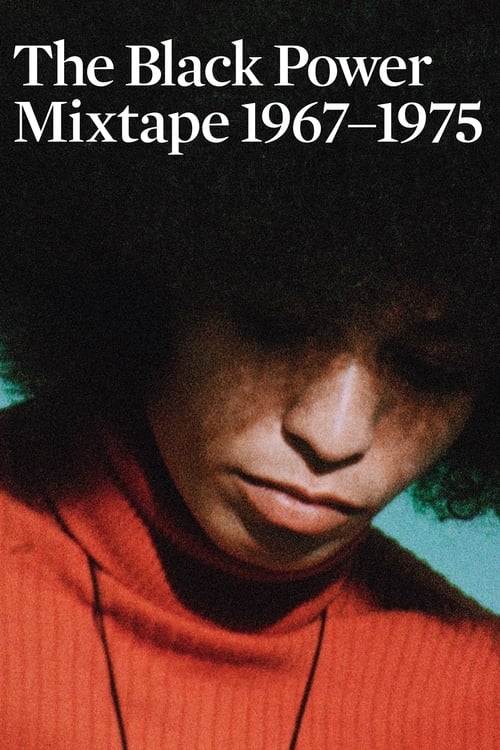
The Black Power Mixtape 1967-1975
7.6

Examines the evolution of the Black Power Movement in US society from 1967 to 1975. It features footage of the movement shot by Swedish journalists in the United States during that period and includes the appearances of Angela Davis, Bobby Seale, Huey P. Newton, Eldridge Cleaver, and other activists, artists, and leaders central to the movement.

The Black Power Mixtape 1967-1975

2011
A Huey P. Newton Story
5.4

The story of how the radical Huey P. Newton developed the Black Panther Party based on his 10-point program for social reform.

A Huey P. Newton Story

2001
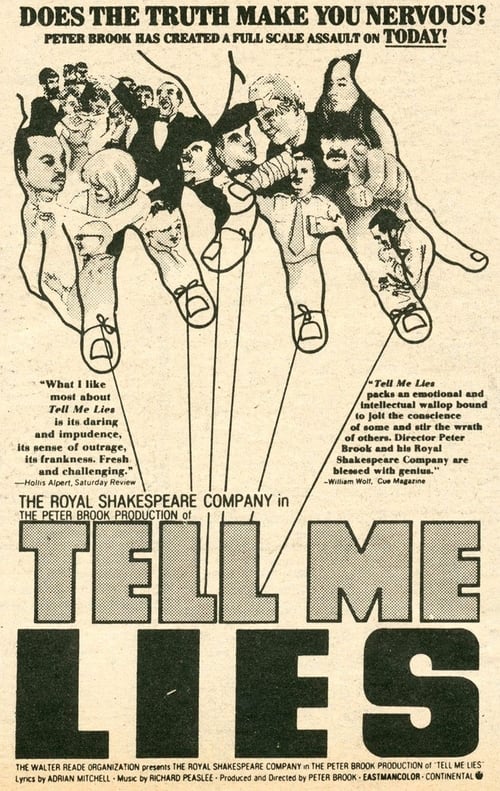
Tell Me Lies
6.4

Adapted and directed by Peter Brook from the Royal Shakespeare Company’s ‘production-in-progress US’, this long-unseen agitprop drama-doc – shot in London in 1967 and released only briefly in the UK and New York at the height of the Vietnam War – remains both thought-provoking and disturbing. A theatrical and cinematic social comment on US intervention in Vietnam, Brook’s film also reveals a 1960s London where art, theatre and political protest actively collude and where a young Glenda Jackson and RSC icons such as Peggy Ashcroft and Paul Scofield feature prominently on the front line. Multi-layered scenarios staged by Brook combine with newsreel footage, demonstrations, satirical songs and skits to illustrate the intensity of anti-war opinion within London’s artistic and intellectual community.

Tell Me Lies

1968
Mama Africa
5.6

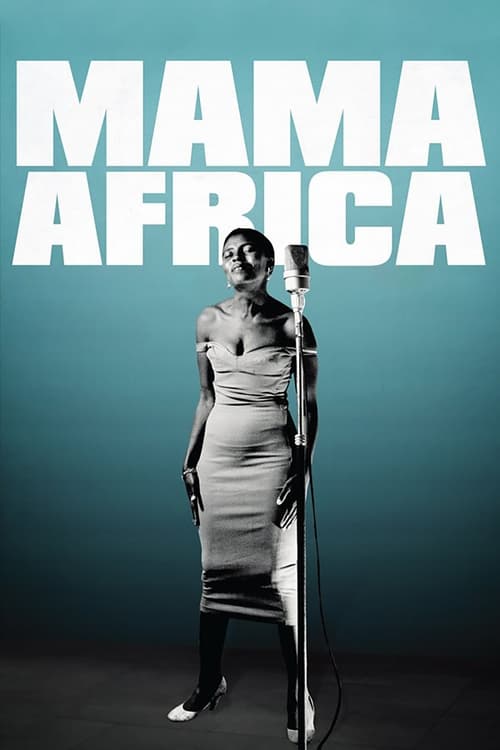
Miriam Makeba was one of the first African musicians who won international stardom and whose music was always anchored in her traditional South African roots. Miriam Makeba was forced into exile in 1959. She sang for John F. Kennedy, performed with Harry Belafonte and Nina Simone, was married to Hugh Masekela and also Stokely Carmichael. Her life was tumultuous. She always stood for truth and justice. She fought for the oppressed most importantly for black Africans, as a campaigner against apartheid. She died November 2008 after a concert in Italy. Mika Kaurismäki's documentary, traces fifty years of her music and her performing life. Through rare archive footage of her performances and through interviews with her contemporaries we discover the remarkable journey of Miriam Makeba.

Mama Africa

2011
South to Black Power
3.5

In his provocative 2021 book, The Devil You Know: A Black Power Manifesto, New York Times opinion columnist Charles M. Blow calls for a “reverse Great Migration” of African Americans from the North back to the South to upend today’s political power structures while reclaiming the land and culture they left behind. South to Black Power does more than illustrate Blow’s enlightening ideas; we journey through Blow’s personal story, from his childhood in Louisiana to his role as father to young adult children in New York City, showing us the hard-won truths behind his vision for the future.

South to Black Power

2023
Malcolm X
6.7

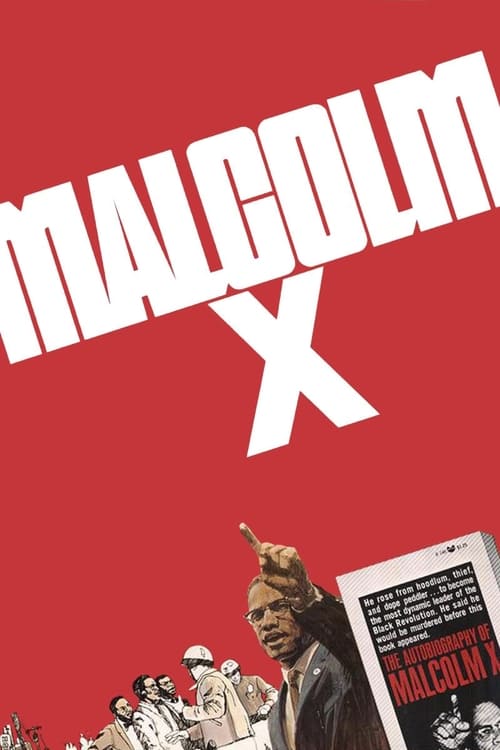
James Earl Jones narrates this fascinating and moving documentary about the life of the assassinated black leader through various sources.

Malcolm X

1972
All Power to the People!
6.3

Using government documents, archive footage and direct interviews with activists and former FBI/CIA officers, All Power to the People documents the history of race relations and the Civil Rights Movement in the United States during the 1960s and 70s. Covering the history of slavery, civil-rights activists, political assassinations and exploring the methods used to divide and destroy key figures of movements by government forces, the film then contrasts into Reagan-Era events, privacy threats from new technologies and the failure of the “War on Drugs”, forming a comprehensive view of the goals, aspirations and ultimate demise of the Civil Rights Movement…

All Power to the People!

1996
COINTELPRO 101
N/A

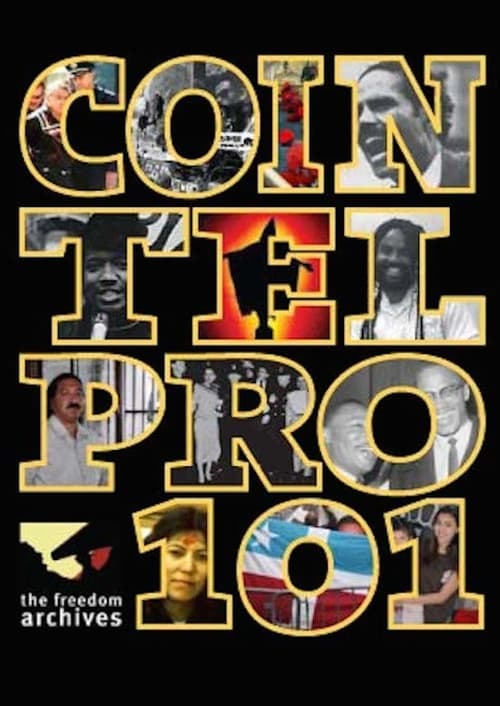
COINTELPRO 101 exposes illegal surveillance, disruption, and outright murder committed by the US government in the 1950s, 60s, and 70s. “COINTELPRO” refers to the official FBI COunter INTELigence PROgram carried out to surveil, imprison, and eliminate leaders of social justice movements and to disrupt, divide, and destroy the movements as well. Many of the government's crimes are still unknown. Through interviews with activists who experienced these abuses first-hand, with rare historical footage, the film provides an educational introduction to a period of intense repression and draws relevant lessons for the present and future.

COINTELPRO 101

2010