Directing
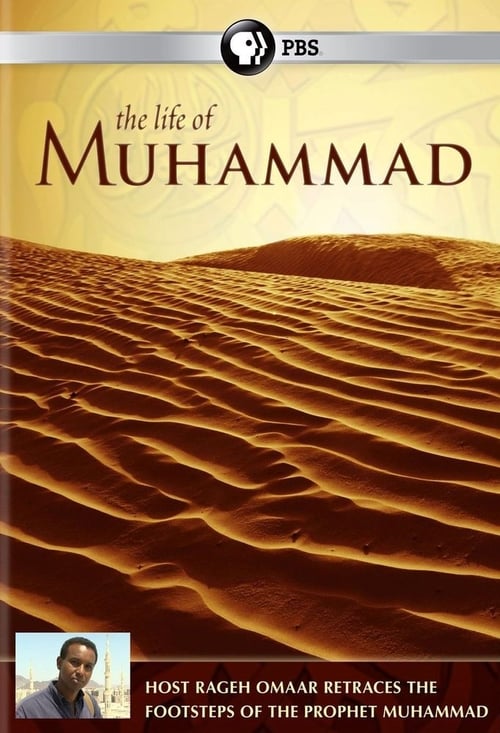
The Life of Muhammad is a 2011 British three-part documentary miniseries examining the life of the Islamic prophet Muhammad and the origins of Islam. The documentary was directed by Faris Kermani, written by Ziauddin Sardar, and presented by Rageh Omaar. It was broadcast by BBC Two over three consecutive weeks from 11 July 2011 to 25 July 2011.
February 2013, Allahabad, India. Over the next 55 days, nearly a hundred million people will come here, to the Great Kumbh Mela. This incredible and awe-inspiring celebration of the world's oldest religion happens every 12 years at the place where Hindus believe two sacred rivers meet. For many Hindus this is their most important pilgrimage, and it happens at one of the most holy sites in India. Hindus come to cleanse themselves in the sacred waters of the river Ganges, to pray and emerge purified and renewed. This follows British pilgrims as they embark on a once-in-a-lifetime spiritual journey. A journey that will take them into the heart of Hinduism - its philosophy, its beliefs and its traditions. A journey that will culminate in the largest ever gathering of humans in one place.
Starting from six historic mosques in various parts of the Muslim world, a half-dozen pilgrims travel to Mecca in this gorgeously filmed PBS documentary. The journey sheds light on their beliefs and their lives as well as the beautiful worship sites. The seven wonders are Mecca's Grand Mosque, Jerusalem's al-Aqsa Mosque, Granada's Alhambra, Istanbul's Blue Mosque, Mali's Great Mosque of Djenné, Iran's Imam Mosque and Pakistan's Badshahi Mosque.
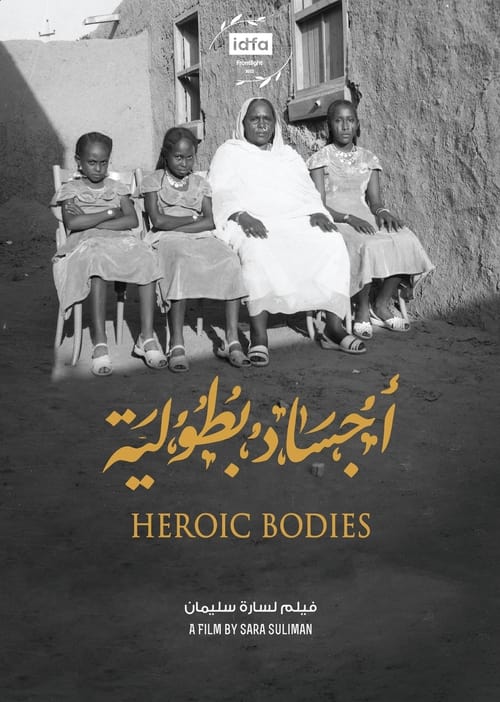
The history of systematic oppression of women in Sudan dates back to the 16th century. Heroic Bodies presents many examples of the ways in which the female body was regarded and treated as property, from women forced to live as concubines or slaves, to genital mutilation and facial disfigurement. Women’s rights advocates—most of them women, but also a few men—tell stories of horrific traditions and oppression, as well as brave resistance and change.
Explore the tradition of figurative art at the heart of Islam with host Rageh Omaar. Muslim belief and tradition specifies that there should be no depictions of God or the Prophet Muhammad. In religious contexts, this constraint on what artists can depict extends to human figures and other living creatures as well. These prohibitions have inspired a rich visual culture based on calligraphy, Arabesque floral designs, and geometry, all of which feature strongly in the art and design found throughout Islam, including in mosques and the Koran. With the help of fine art and religion experts, host Rageh Omaar (The Life of Muhammad) traces the effect of these beliefs over the centuries on the art and artists of the Islamic world and considers why depictions of pilgrims taking part in the Hajj pilgrimage have become part of the accepted tradition of Islamic art, including in work exhibited at the British Museum.
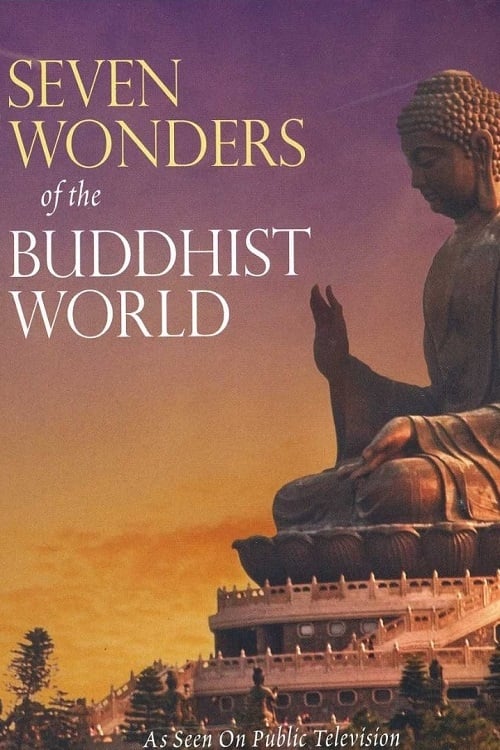
In this fascinating documentary, historian Bettany Hughes travels to the seven wonders of the Buddhist world.Her journey begins at the Mahabodhi Temple in India, where Buddhism was born; here Hughes examines the foundations of the belief system - the three jewels.At Nepal's Boudhanath Stupa, she looks deeper into the concept of dharma - the teaching of Buddha, and at the Temple of the Tooth in Sri Lanka, Bettany explores karma, the idea that our intentional acts will be mirrored in the future.At Wat Pho Temple in Thailand, Hughes explores samsara, the endless cycle of birth and death that Buddhists seek to end by achieving enlightenment, before travelling to Angkor Wat in Cambodia to learn more about the practice of meditation.In Hong Kong, Hughes visits the Giant Buddha and looks more closely at Zen, before arriving at the final wonder, the Hsi Lai temple in Los Angeles, to discover more about the ultimate goal for all Buddhists - nirvana.
An interview based documentary directed by Faris Kermani which tells the story of how Bangladesh was created. It was broadcasted on Channel 4 of UK in January, 1989. The doc is divided in 3 episodes. The total runtime is just over an hour.