
Gérard Miller
Writing
Known For
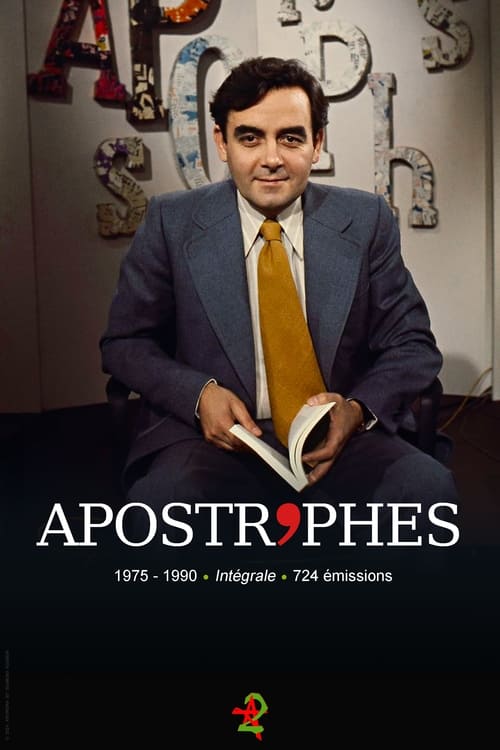
Apostrophes was a live, weekly, literary, prime-time, talk show on French television created and hosted by Bernard Pivot. It ran for fifteen years (724 episodes) from January 10, 1975, to June 22, 1990, and was one of the most watched shows on French television (around 6 million regular viewers). It was broadcast on Friday nights on the channel France 2 (which was called "Antenne 2" from 1975 to 1992). The hourlong show was devoted to books, authors and literature. The format varied between one-on-one interviews with a single author and open discussions between four or five authors.
Apostrophes
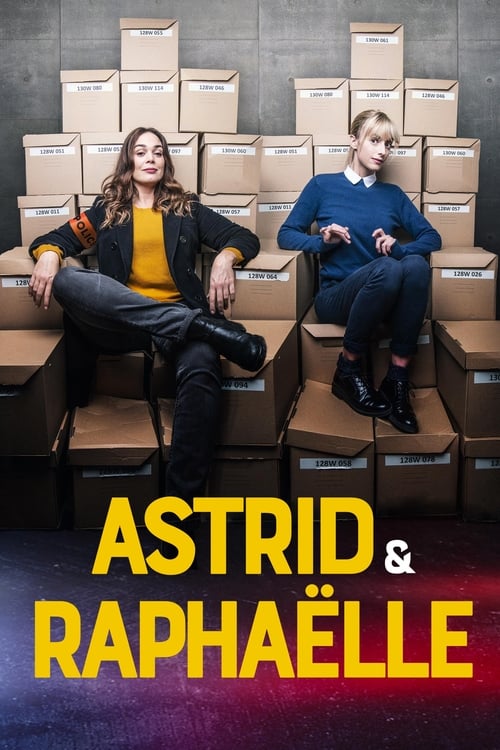
Astrid Nielsen works in the library of the judicial police. She has Asperger's syndrome. With an incredible memory, she excels at analyzing files of ongoing investigations. The district commander decides to use it to the fullest, entrusting her with very complex investigations which have remained unsolved to date.
Astrid & Raphaëlle
French current affair show
Infrarouge
No description available.
C ce soir, le débat
No description available.
Aux arts et cætera
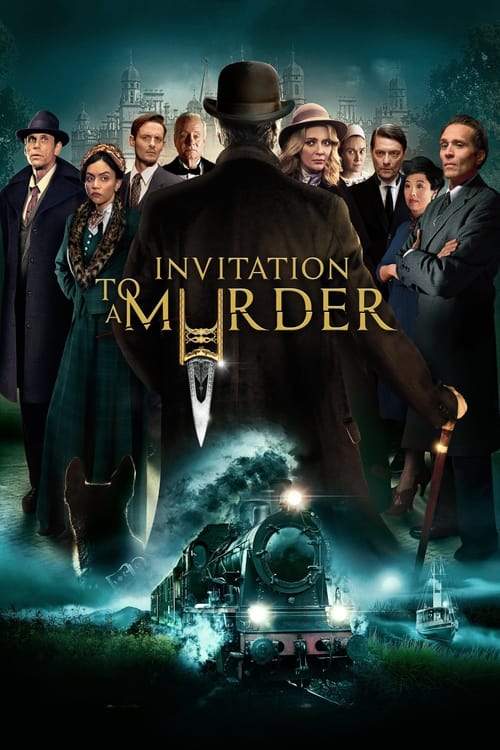
A reclusive billionaire invites six seemingly random strangers to his island estate in the south of England. Aspiring detective Miranda Green finds the mysterious invitation too alluring to pass up. When another guest turns up dead, Miranda must get to the bottom of the malicious plot behind the gathering.
Invitation to a Murder

No description available.
Histoire Immédiate
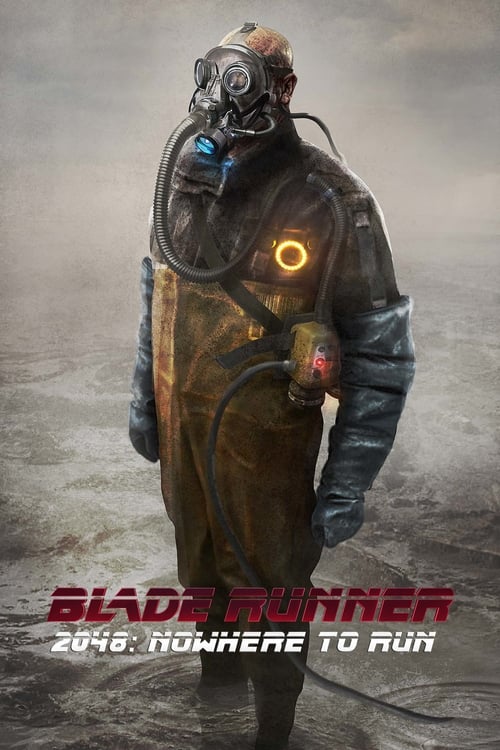
“2048: Nowhere to Run” takes place one year before the events of Blade Runner 2049. The short film focuses on Sapper, a man who is trying to make it through life day-by-day without turning back to his old ways. We’re introduced to both the gentle nature of Sapper and the violence he’s capable of when set off.
2048: Nowhere to Run
No description available.
On a tout essayé
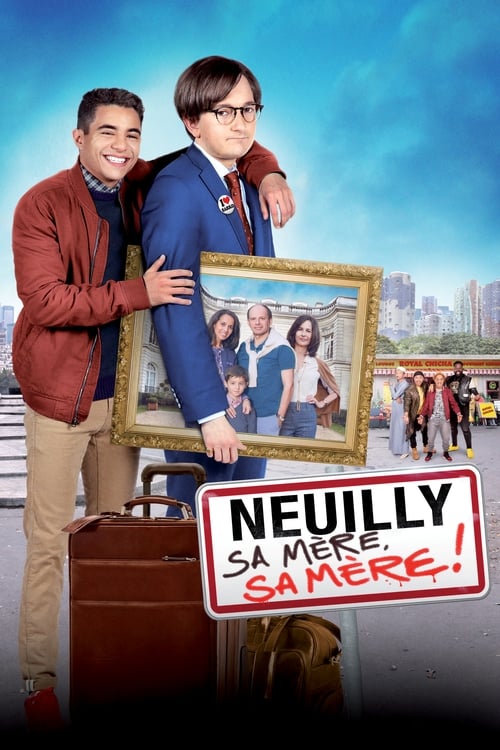
In 2008, Sami Benboudaoud discovered the hell of Neuilly-sur-Seine. Ten years later, now that everything is for the best for Sami who brilliantly completes his studies of political science, nothing will go for his cousin Charles of Chazelle.
Neuilly sa mère, sa mère !
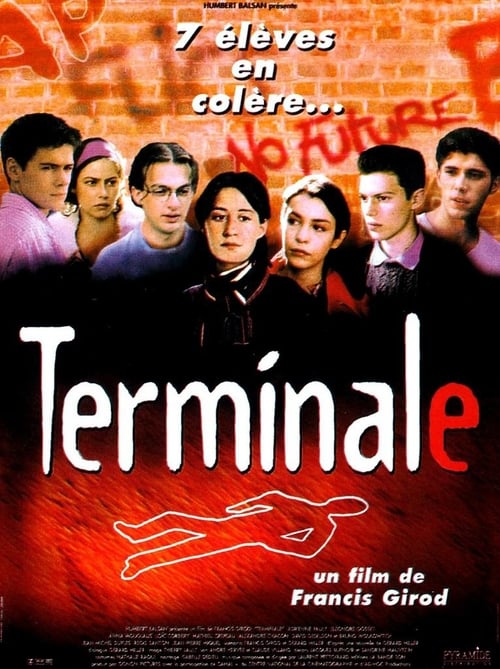
Just before taking an irrevocable and tragic step, Caroline talks to Claire, her lycée friend. Later, Claire gathers five other school friends, and tells them Caroline's secret. The six agree to wage a guerrilla war against their philosophy teacher, the sarcastic and belittling M. Terrien, the cause of Caroline's despair. After seeking advice from Mayard, the school's guidance counselor and a leftist with a police record, the six look for evidence that could get Terrien fired. They strike gold, and then raise the stakes. Sarah, one of the six, hatches a deadly plan.
Terminale

Do you know Lacan, which many consider as the greatest psychoanalyst since Freud? Beyond the myth, the legends and sometimes, the curses, this film by Gérard Miller allows us to discover his work and his personality, through the testimony of his patients, his students, and also his relatives. Born with the XXth century into an upper-middle-class Catholic family, a psychiatrist by training, with an encyclopaedic knowledge of culture, a friend of Picasso, Levi-Strauss and Sartre, Lacan was a great theoretician, an outstanding practitioner, and he remains the most modern, the most challenging and even the most sulphurous of psychoanalysts. The director Gerard Miller met Lacan thanks to his brother, Jacques-Alain, the most faithful of his students, who married his daughter Judith. Their close and intense relationship makes this film exceptional.
Rendez-vous chez Lacan
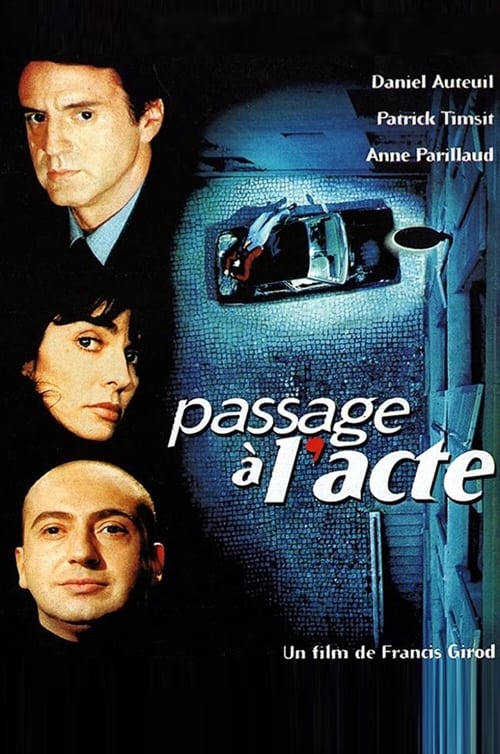
Antoine Rivière, a highly-reputed psychoanalyst, is visited by a new patient, Edouard Berg. When Berg claims to have killed his own wife, the doctor suspects he is a compulsive liar. How could he know that he has been caught in a trap and it's already too late for escape?
Death in Therapy
No description available.
Laurent Ruquier, on ne demande qu'à le connaître
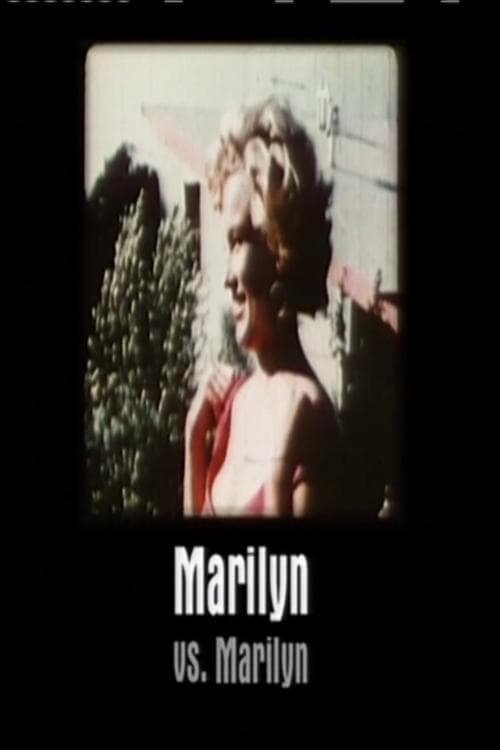
“Marilyn vs. Marilyn” tells the story of a little-known period of Marilyn’s life – the years she spent in New York, trying to became a ‘serious”’ actress, taking lessons with Lee Strasberg and setting up a production company with her photographer and trusted friend, Milton Green. Based on hitherto unpublished – and magical - photos from the Greene archives, the film focuses on the photographic image of a woman who remains one of the greatest legends in the history of cinema… and an enduring enigma.
Marilyn vs Marilyn

No description available.
Décryptage

Marilyn, a woman for today: Sixty years after her death, Marilyn Monroe remains very much a woman of today. Behind the legendary Hollywood sex symbol, lies a modern woman, mistress of her destiny, building her own image, never hesitating to denounce certain producers, an act ahead of its time. A powerful, free and emancipated woman.
Marilyn, a woman of today
No description available.
Guy Bedos à l'Olympia
No description available.
Madame Soleil, la femme qui était supposée savoir
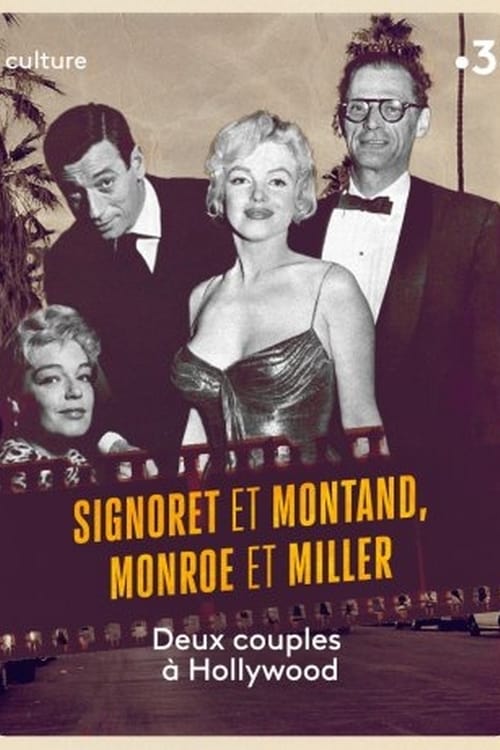
In January 1960, Yves Montand and Simone Signoret, one of the most famous star couples of the day, were on tour in the United States. Yves Montand had just triumphed on the country's biggest stages. Simone Signoret, who had distinguished herself in "Room at the Top", was about to win an Oscar. It was then that they met Arthur Miller, a writer and playwright but above all, at the time, the husband of Marilyn Monroe, a world star at the height of her fame and beauty. Yves Montand and Marilyn Monroe fell in love and the actress did everything she could to make a film with the Frenchman. This is how they met on the set of the film "Let's Make Love".