Acting
Polizeiruf 110 is a long-running German language detective television series. The first episode was broadcast 27 June 1971 in the German Democratic Republic, and after the dissolution of Fernsehen der DDR the series was picked up by ARD. It was originally created as a counterpart to the West German series Tatort, and quickly became a public favorite.
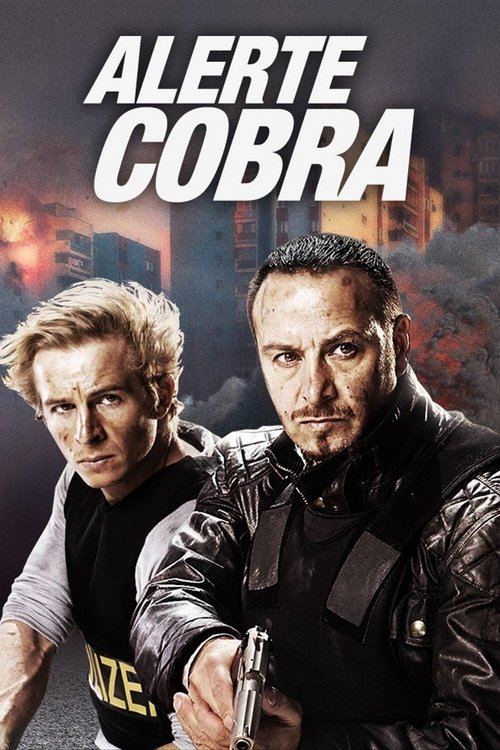
A long-running German television series about a two-man team of highway police, originally set in Berlin and later in North Rhine-Westphalia.
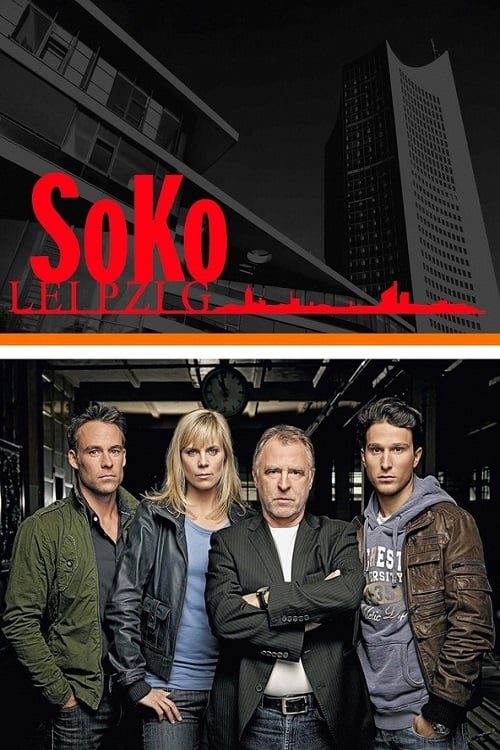
SOKO Leipzig is a German police procedural television programme, a spin-off of the earlier German police programme SOKO 5113. It was first broadcast on 31 January 2001, on German television channel ZDF. On 12 November 2008, the first part of a two-part crossover between SOKO Leipzig and British police procedural The Bill was aired, with the same version being shown on both ZDF and British television channel ITV1.
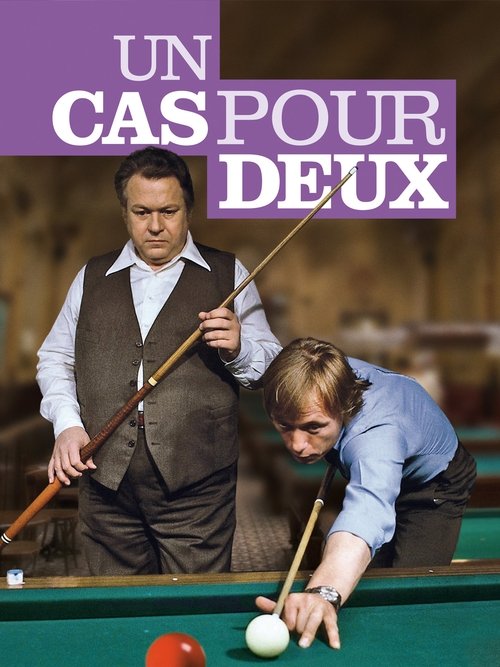
Ein Fall für zwei is a German television series, which premiered on September 11, 1981 on ZDF. The series, located in Frankfurt am Main, features two main characters who solve crimes: a defense attorney and a private investigator. Josef Matula, a former German police officer, has gone into private business. His method of investigation is very effective and direct, and he sometimes even resorts to dirty tricks. Claus Theo Gärtner has portrayed the role since the start of the series.
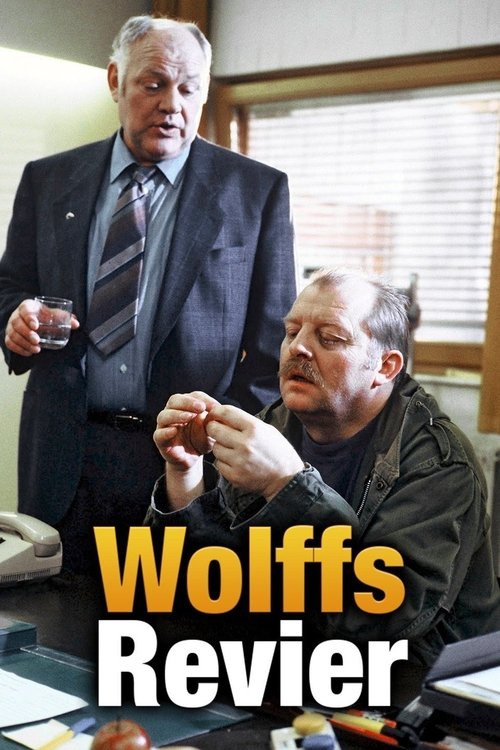
Wolffs Revier is a German television series.
Der Staatsanwalt hat das Wort was an East German television series.
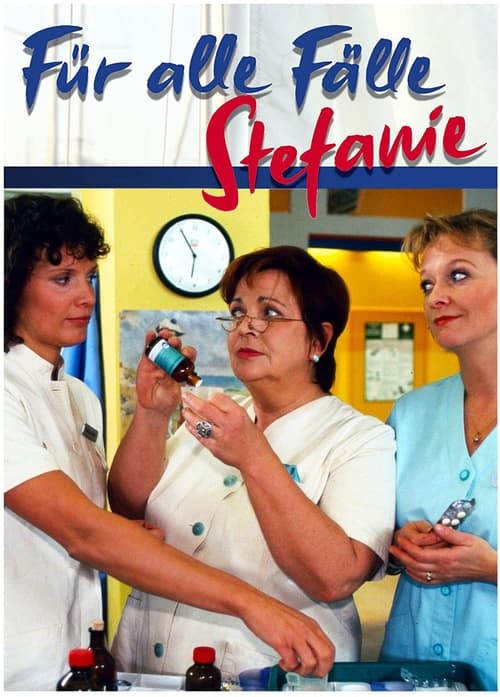
Für alle Fälle Stefanie is an German medical drama television series created by Werner Krämer that aired on Sat.1 from May 15, 2005 to August 29, 2005. It was produced by Novafilm Fernsehproduktion. Für alle Fälle Stefanie follows the professional and personal life of nurse Stefanie Engel, then Stephanie Wilde and for a short time Fanny 'Stephanie' Stephan. The show was a giant success for the network and had around seven, in later years, five million viewers on a weekly basis. It won the Goldene Kamera award in 1997 and the Bavarian TV Award in 1996.
Stubbe – Von Fall zu Fall is a German crime detective television series starring Wolfgang Stumph as detective Stubbe. It is being broadcast on ZDF, the second German public television channel since 1995.
No description available.
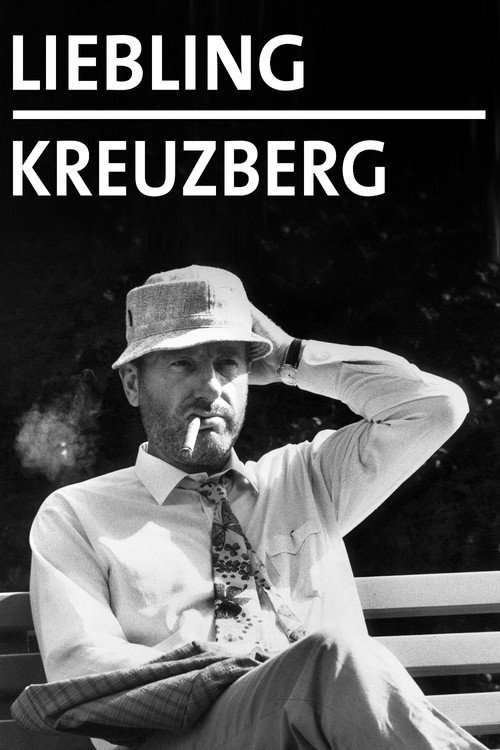
Liebling Kreuzberg was a television series on ARD, which was sent in five seasons with a total of 58 episodes the first time from 1986 to 1998. The scripts of seasons one through three and five were from Jurek, of his friend Manfred Krug wrote the role of idiosyncratic Berlin attorney Robert favorite on the body, the fourth season was written by Ulrich Plenzdorf. Director Heinz Schirk, Werner Masten led and Vera Loebner. Producing Series transmitters were the SFB, the NDR and WDR. The music of the first season was. Hans-Martin Majewski, in the later seasons of Klaus Doldinger.
Unser Lehrer Doktor Specht is a series of family author Kurt Bartsch, directors Werner Masten, Vera Loebner and Karin Hercher, shot from 1991 in Germany. The consequences had a length of 52 or 46 minutes. For subsequent repetitions of the consequences of the first season in about 45 minutes were cut. In addition, they were provided with an alternative, shorter guy, who was also designed in a different font.
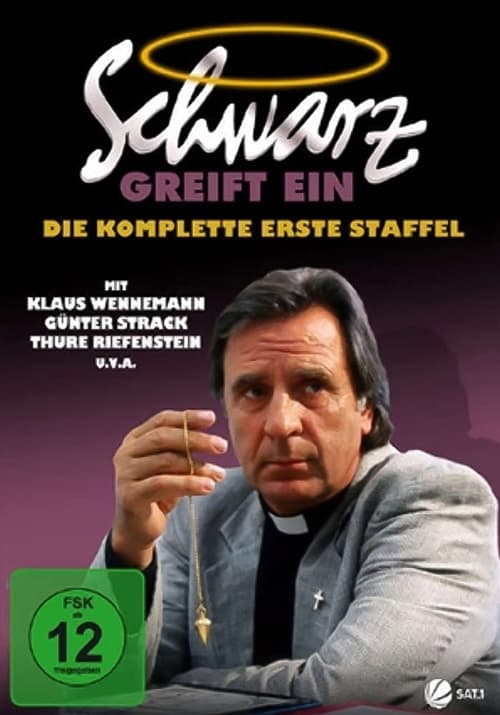
Schwarz greift ein is a German television series.
Die Rote Meile is a German television drama that aired on Sat.1 and follows the lives of strippers, prostitutes and their pimps in the district of St. Pauli in Hamburg. The first season premiered on 1 October 1999 and consisted 26 episodes. The show was a rival to the RTL drama Hinter Gittern - Der Frauenknast; both airing in the same time-slot - Monday nights at 9:15 pm. A second season was ordered by the network in the spring of 2000 and started airing on Thursday nights at 8:15 pm on 14 December 2000. The show was canceled in the beginning of 2001, airing its last episode on 8 March 2001.
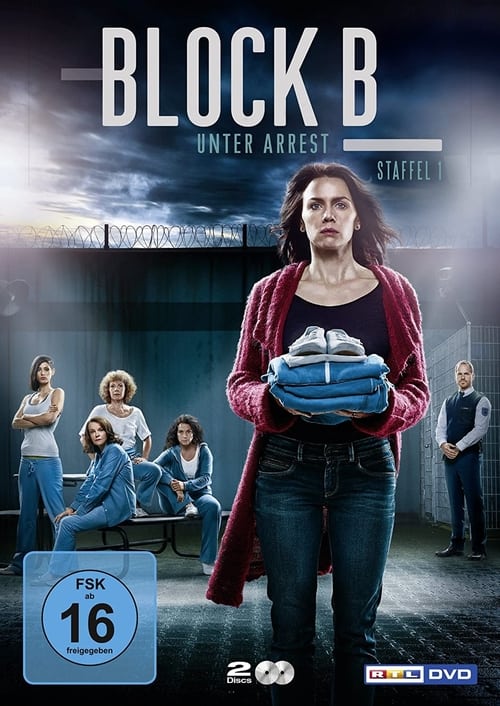
"Block B - Under Arrest" is the story of Bea Kroeger, who is charged with attempted murder of her husband. During the pre-trial detention in the prison Tempelhof they must fight for their place in the pecking order among the inmates perforce. As a rookie experienced Bea - and with it the audience - the hardships of prison life and learns the hard way that there are other rules apply as in the outside world. Faster than you would like, Bea must realize that the only person she can trust while in custody, but she herself is.
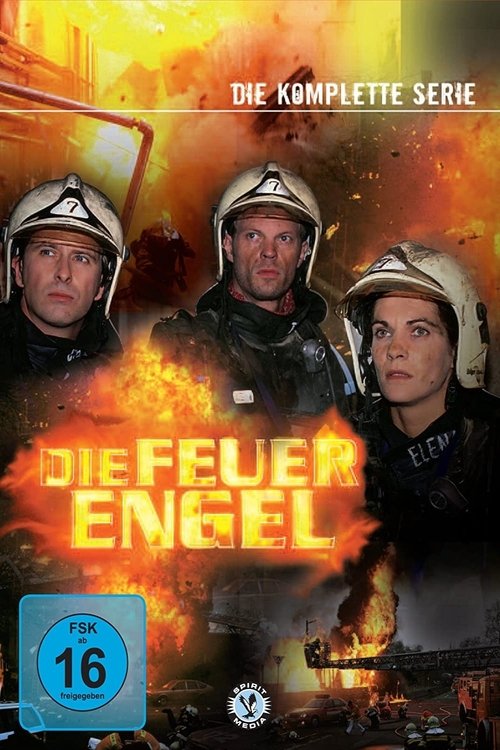
Die Feuerengel is a German drama television series.
This elaborate two-part television film features a section from the life of communist worker leader Ernst Thälmann. It begins with the bloody riots on May 1, 1929 in Berlin, in which police officers shot at demonstrating workers, and ends with February 7, 1933, when Thälmann appeared as a speaker at the illegal meeting of the Central Committee of the Communist Party of Germany in goat neck. This period was marked by the struggle of the Communists against the ever stronger National Socialists and the rise of Adolf Hitler.
The film is set in 1989/1990 at a time when the "socialist" ideology underwent another major revolutionary collapse and the supposedly only progressive German "socialist", but walled-in GDR, joined the free West German society of the Federal Republic of Germany. In those days, the son of an East German teacher turns his back on the GDR because he is fed up with the eternal talk of the alleged superiority of "socialist" society and this "socialist" old day is nothing but dreariness and eternal gray everyday life for him. His mother, the convinced teacher and communist Christine Rautmann, suddenly realizes that her eternal propaganda of a golden socialist future is not falling on fertile ground with either her son or her pupils. She is suddenly faced with the ruins of her life as a teacher and mother. She herself becomes a seeker on a tremendously shaky social ground.