
Shu Yamaguchi
Art
Biography
Shu Yamaguchi (山口 修, Yamaguchi Shū) is a Japanese designer and art director. He participated in the design work of the Ultraman Series in the 1970s and served as the art director for Ultraman 80. Yamaguchi began his career in early 1967 as an art assistant for Tsuburaya Productions' Ultraseven. He later contributed to the art direction of numerous tokusatsu shows and historical dramas. By the late 1970s, he had risen to the position of art director at Tsuburaya Productions, including serving as the art director for Dinosaur Great War Izenborg. In 1980, he oversaw the overall art design for Ultraman 80, which encompassed character designs, monster creations, and special effects art production. After leaving Tsuburaya Productions, Yamaguchi focused primarily on the film industry. Since the 21st century, he has participated in interviews and events related to the Ultraman series.
Known For
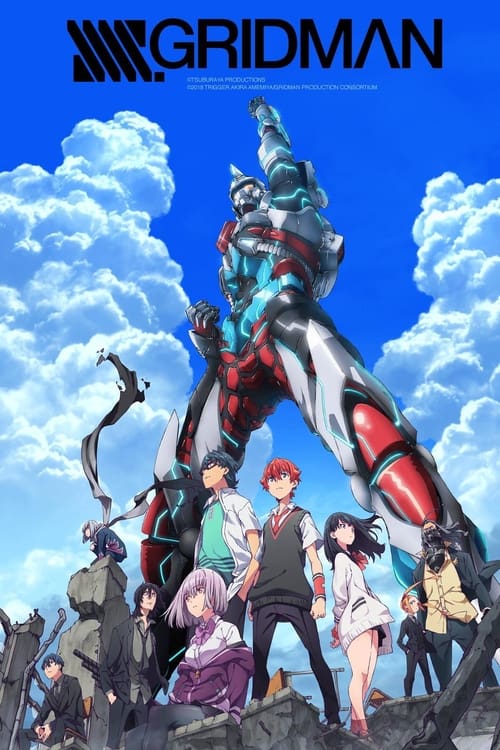
Yuta Hibiki can’t remember who he is, and now he’s seeing and hearing things that others don’t! A voice from an old computer tells him to remember his calling, and he sees a massive, unmoving creature in the distance. Nothing’s making sense—until the behemoth springs to life! Suddenly, Yuta is pulled into a computer, reappearing in reality as the colossal hero—Gridman!
SSSS.GRIDMAN
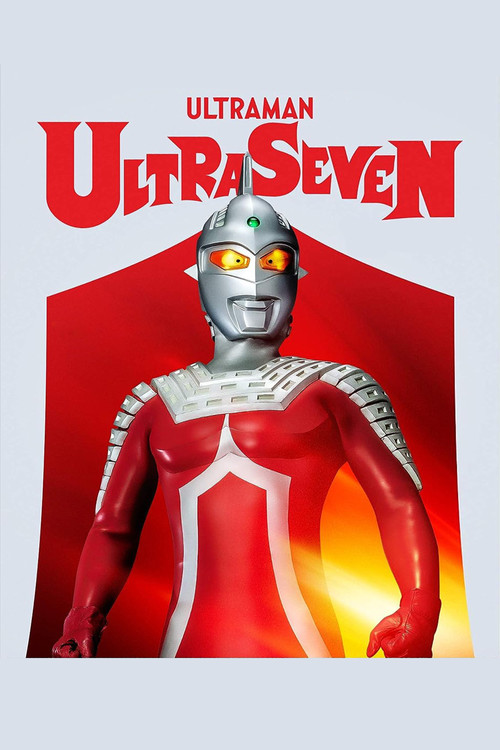
In the not-too-distant future, the Earth finds itself constantly under attack from extraterrestrial threats. The Terrestrial Defense Force establishes the Ultra Garrison, a team of six elite members who utilize high-tech vehicles and weaponry. Joining their fight is the mysterious Dan Moroboshi, secretly an alien from the Land of Light in Nebula M-78, who transforms into his true form in times of crisis, Ultraseven.
Ultraseven
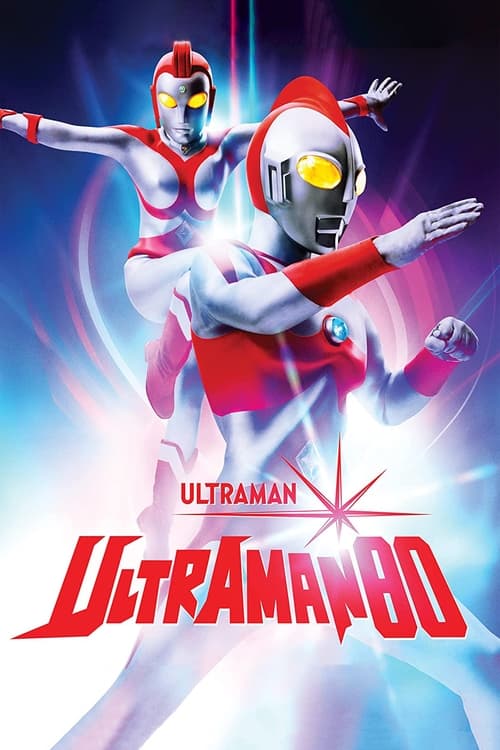
Takeshi Yamato, a twenty-two-year-old young man lives a double life. During the daytime, he is a rookie but popular science teacher at a junior high school in Tokyo. But after school and on Sundays he works as a member of the elite UGM (Utility Government Members).
Ultraman 80
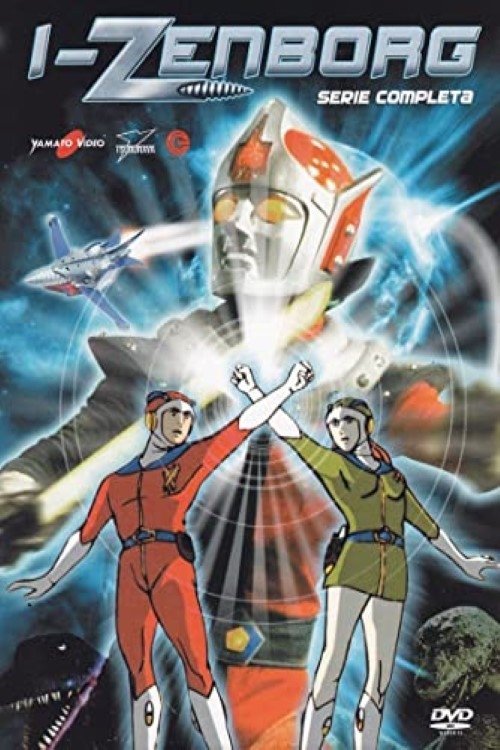
Dinosaur War Izenborg was a Japanese television program produced by Tsuburaya Productions that aired from 1977 to 1978 on Tokyo 12 Channel. It combined Tsuburaya's trademark suitmation tokusatsu techniques with Japanese Animation, so this program can be categorized anime or Daikaiju tokusatsu. The show runs for about 39 episodes.
Dinosaur War Izenborg
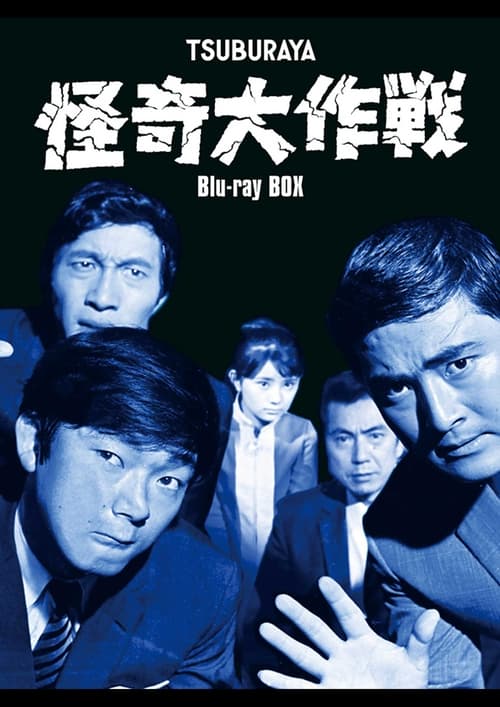
The Science Research Institute (SRI) investigates assorted strange phenomenon in Japan.
Operation: Mystery
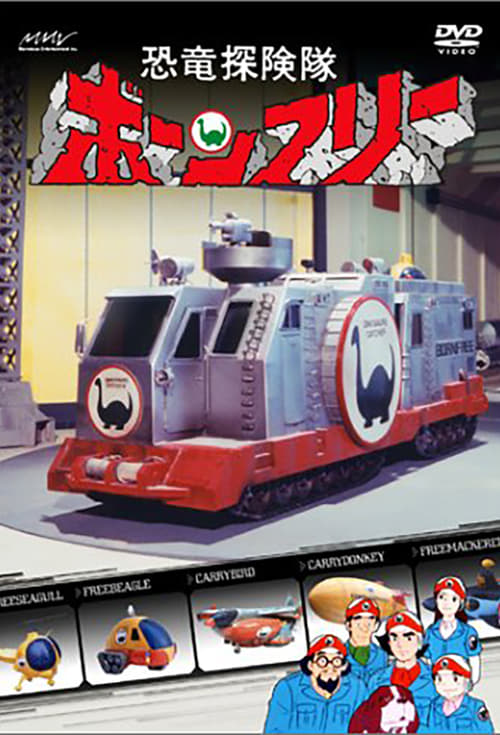
No description available.
Dinosaur Expedition Born Free
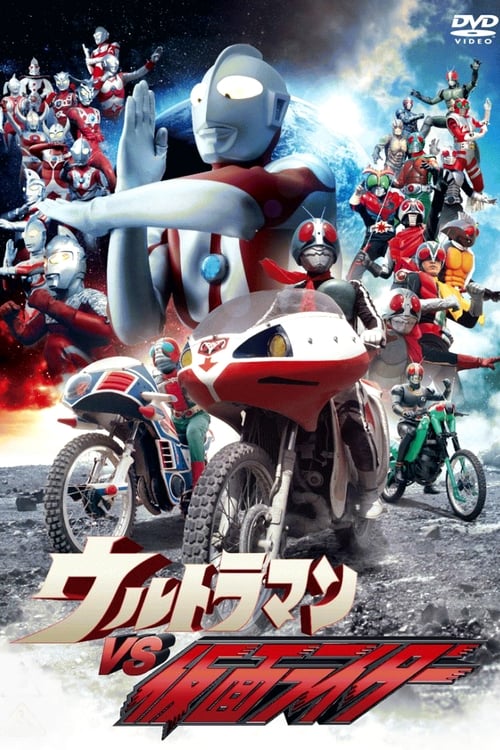
A special retrospective of the two franchises, with segments making comparisons between the different characters, their weapons, powers and so forth. The final segment of the special is the short film "Super Battle: Ultraman vs Kamen Rider" The main characters, Ultraman and Kamen Rider 1 appear on the scene separately, each fighting an original kaijin and kaiju. When the two monsters are nearly defeated, they merge into a more powerful kaiju. Ultraman experiences trouble and calls for Kamen Rider 1's help. Kamen Rider 1 is then able to grow to enormous size to fight alongside Ultraman.
Ultraman vs. Kamen Rider

With no families to return to for summer vacation, three teenage boys spend their summer at their boarding school, alone and unsupervised. Darkness hangs over them after another boy shows up, who looks exactly like one of their classmates who had committed suicide months earlier. His arrival exposes the romances, jealousies, and tensions of growing up.
Summer Vacation 1999

The film centers around Ultraman Taro growing up, and wanting to join the Ultra Brothers in battle. His family, however, thinks he is too young. Taro eventually proves himself after saving the 5 Ultra Brothers from the evil Grand King, created by Juda.
Ultraman Story
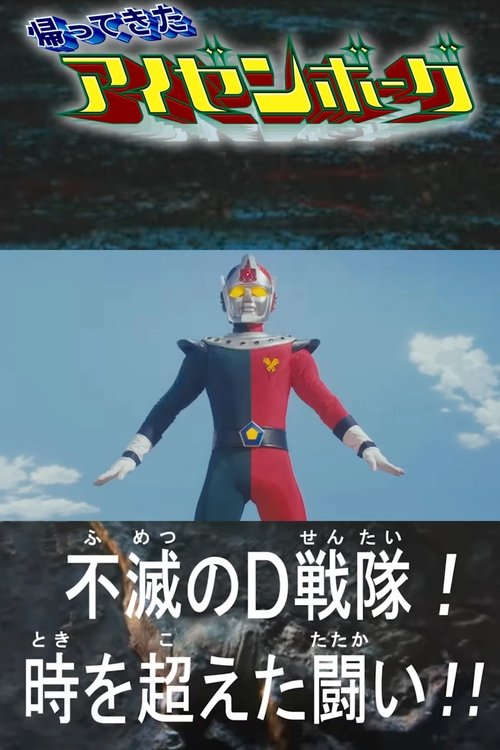
A Japanese-Arabic-produced documentary about Tsuburaya Productions' 1978 tokusatsu/anime series Dinosaur Great War Izenborg. It consists of interviews with staff members involved in the series and concludes with a special 10-minute minisode, which showcases the characters in a high-quality, modern visual style.