Hernán Ronsino
Writing
Known For
In a small provincial town between the late 1950s and the 1980s, four young men whose friendship is shattered forever when a former policeman and his beautiful wife arrive in the town where the titular factory is located.
Glaxo
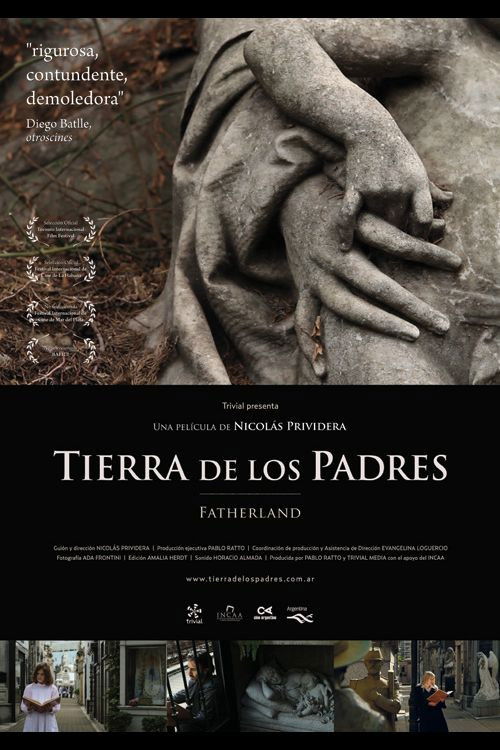
Fatherland brings a rigorous structural approach to a site of monuments that is also a place of movement, criss-crossed daily by tourists and locals. The grounds are laid out like city blocks, with wide avenues branching onto laneways filled with elaborate mausoleums. The film does not attempt to tour the cemetery as one would on foot, however, but rather moves chronologically through the history enshrined there. A series of individuals are framed in static compositions as they read aloud excerpts from the writings of noteworthy Argentines interred within. (Some license has been taken, as the final resting places of certain figures represented - such as journalist Rodolfo Walsh, who was among the "disappeared" - remain unknown. The result is both poetic and political.) Beginning in the early 1800s, this history comprises civil war, battles with the country's native population, the conflict between the city and the provinces, and years of military dictatorship.
Fatherland
No description available.