Mark Lee
Acting
Biography
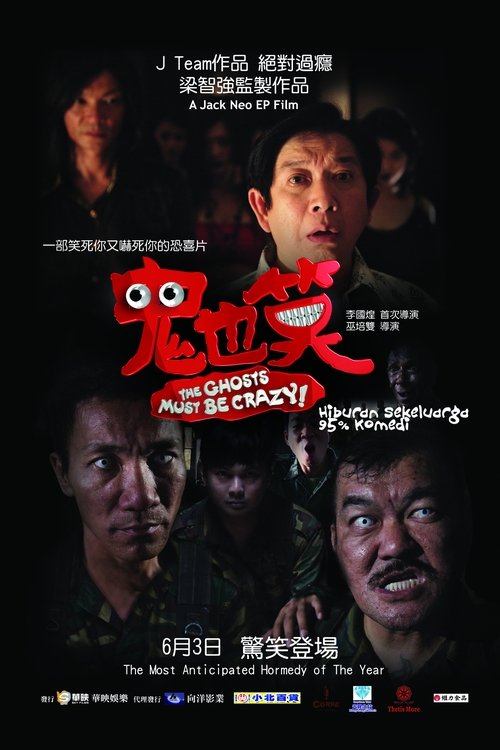
Lee is famous for, amongst others, playing the title role in Singapore's Mediacorp Channel 5 television sitcom Police & Thief as Lee Tok Kong, Phua Chu Kang Pte Ltd as guest appearance Lee Kok Peng from season 5 until season 7 and in Mediacorp Channel 8 long series television drama Holland V as Su Hao. He also gained recognition for his work with Jack Neo and Henry Thia in films such as Money No Enough and Liang Po Po: The Movie and long-running comedy variety programme Comedy Nite (搞笑行动). He made his directorial debut in the comedy horror film The Ghosts Must Be Crazy. Along with long-time colleague Christopher Lee, Mark Lee was awarded the coveted All Time Favourite Artiste award in the Star Awards 2010 and became the first host-cum-comedian to win the award as the previous winners were predominantly thespians. As such he will no longer be in the run for the Top 10 Most Popular Male Artistes awards in future Star Awards. Although Lee was mostly known for playing comedic roles early in his career, he has also diversified into hosting and hosted various kinds of programmes, mainly infotainment, travelogue and DIY programmes. He co-hosted the popular home makeover programme Home Decor Survivor and the infotainment programme Behind Every Job with Bryan Wong, which won both a string of nominations in the hosting categories at the Star Awards. In 2012 he won his fourth Best Variety Host award for his popular show It's a Small World (season 2). Lee was always given an on-screen name/surname of Ong or Huang, particularly in Jack Neo's movies, with the exception of Liang Po Po: The Movie, That One Not Enough and Ah Long Pte Ltd. On 9 March 2017, Lee opened a production house King Kong Media Production with partner Yinson Marine Services, a Malaysian oil and gas company. He is now working on a film project for 2018.
Known For

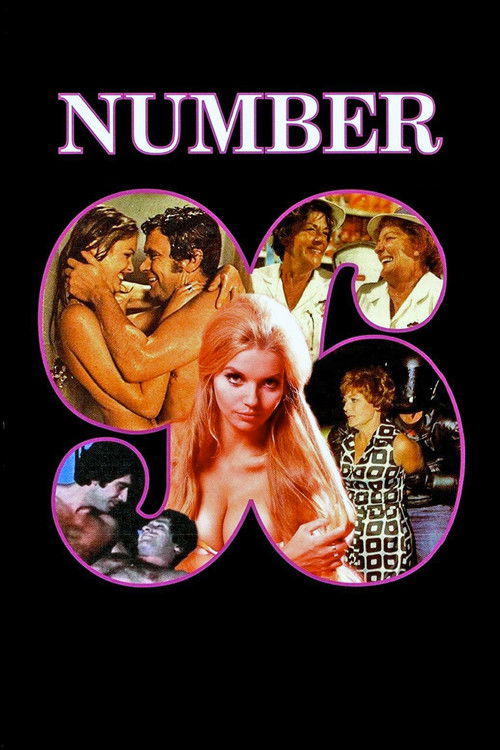
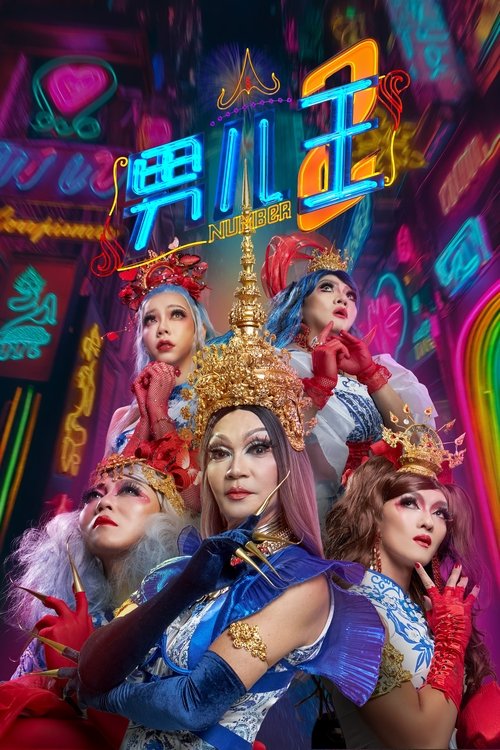
Number 96 was a popular Australian soap opera set in a Sydney apartment block. Don Cash and Bill Harmon of the Cash Harmon Television production company, produced the series for Network Ten, which requested a Coronation Street-type serial, and specifically one that explored adult subjects. The premise, original story outlines, and the original characters were devised by David Sale who also wrote the scripts for the first episodes and continued as script editor for much of the show's run. The series proved to be a huge success, running from 1972 until 1977. Number 96 was so popular it spawned a feature film version, filmed in December 1973. Number 96 was known for its sex scenes and nudity, somewhat risque at the time, and for its comedy characters. The series was the first Australian soap opera to feature an openly gay character.
Number 96

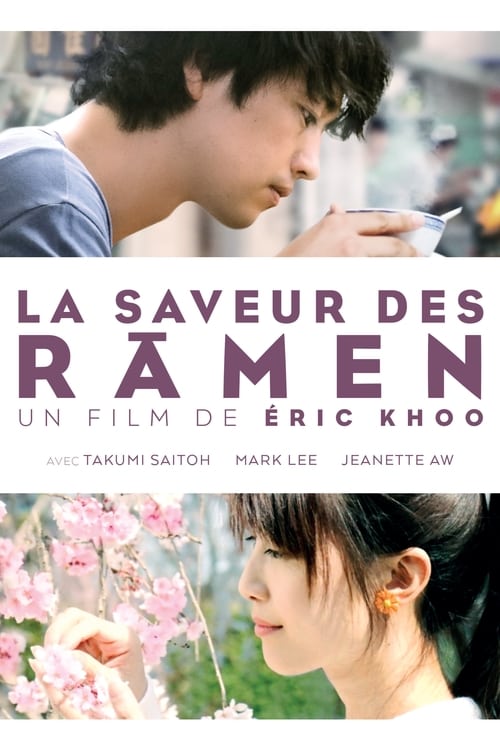
Masato is a young ramen chef in Japan. When he finds his late mother's journal after the sudden death of his emotionally distant father, he takes it with him to her native country, Singapore, hoping to piece together the story of his family and his life.
Ramen Shop

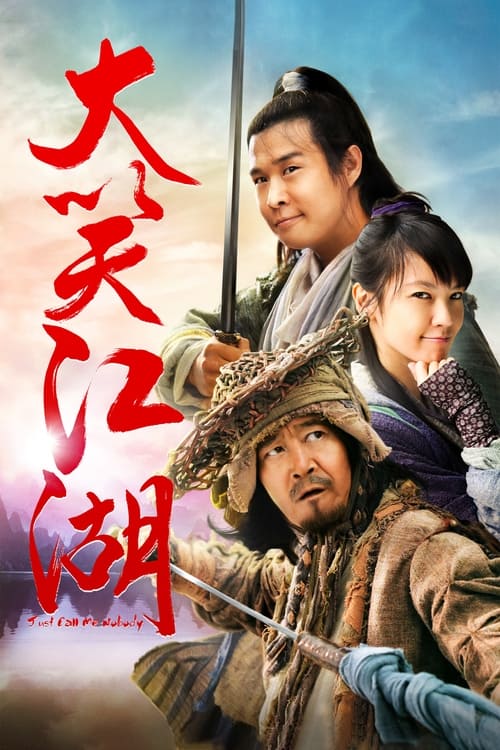
Poor young cobbler Wu Di lives with his mother and is crazy about martial-arts picture books. One day he repairs the shoe of wandering swordswoman Yuelou and later helps save her in a fight with wanted criminal Tian Baguang, even though he has no martial-arts training. She tells him she owes him a life and can be found on Qin Mountain if he ever needs her. Yuelou is actually a princess who was due to marry the emperor but ran away after setting fire to her palace quarters. In love, Wu Di sets out to find her, fighting river pirate Dugu and his sidekick on the way, and also meeting a hermit Buddhist monk who offers to take him on as a pupil. Yuelou plans to attend a martial arts tournament to establish her name, little knowing that the emperor's chief eunuch Cheng has arranged for her to be secretly protected by Penal Bureau officer Yang Guo and to win the tournament, so the emperor can award her the prize and persuade her to reconsider marriage.
Just Call Me Nobody

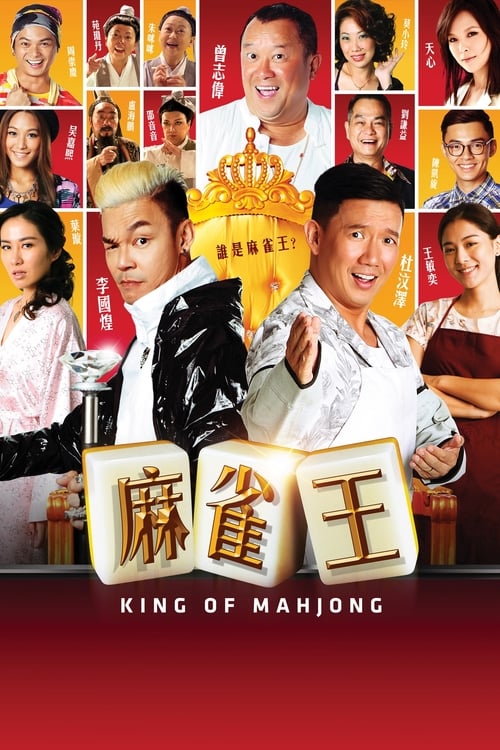
King of Mahjong centres on the decade-long feud and eventual reunion of Wong Tin Ba and Ah Fatt. 20 years later, Wong Tin Ba, who is now a world-acclaimed mahjong champion and magnate, shows up in Ipoh to challenge Fatt to a final showdown – The World Mahjong Championship. Despite Wong’s insistence, Fatt declines to join the competition as he is determined and contented to lead the life of a commoner. In a bid to force Fatt into the showdown, Wong abducts Fatt’s wife, Ramona, and threatens her to be on his alliance. Fatt has no choice but to join the championship as Wong holds his wife hostage. On the mahjong table, Fatt and Wong compete as the finalists; Master Ru’s secret legendary mahjong move and the truth comes to light as the winner emerges...
King of Mahjong

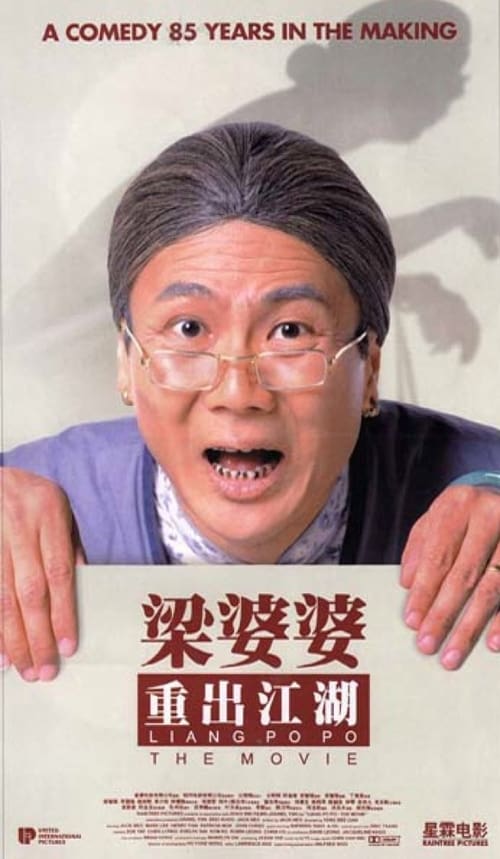
Liang Po Po: The Movie is a Singaporean film directed by Jack Neo in 1999. It stars the comedian director Jack Neo himself, who cross-dresses as the titular old lady, which in English is translated as "Granny Neo". Liang Po Po, a lovable 85 year old granny, decides to leave the Old Folks Home in search of a new life. Believing that she can still contribute to the good of the society, the determined old lady sets on a path where she soon realizes how her trusting and naïve nature can be used against her.
Liang Po Po: The Movie

A Fantastic Ghost Wedding is the story of a young popular spirit medium, who is hired to find a spouse for a dead teenage boy. The chosen bride turns out to be an unexpected person, and this snowballs into a series of events culminating in a Chinese ghost wedding.
A Fantastic Ghost Wedding

Gong Jia Qiao, 66 years-old, becomes wheelchair-bound after a car accident. He currently sells lottery and tissue packets for a living. Over 30 years ago, his neighbour Guo Mei Li puts Ah Dai under his care but has never returned since. With an intelligence similar to that of a six or eight year-old child, Ah Dai can only follow simple instructions and is thus easily cheated. Her ex-lover Pian Lang disappeared after she becomes pregnant with his child. One day, Ah Dai meets Xiao Gan Dang, a man that looks like Pian Lang. As it turns out, Pian Lang is Gan Dangs father. Xiao Gan Dang grew up along the streets and has seen all the good and bad sides of humans. He is best friends with Mei Da Han, who is also a gangster like him, and is thrown behind bars because of a fight. After completing his sentence, he meets a social worker Qing Qing and the two becomes a bickering duo.
How Are You?

The Best Bet revolves around Richard, Shun and Huang whose friendships are put to a test when one of them struck 4D and decides to keep the winnings all to himself. What consequences will his choice have on this friendship? A satirical comedy, which explores the greed, deceit and also the triumph of the human spirits, The Best Bet is about the consequence of our choices, and the path it will take us once we cross that threshold.
The Best Bet
No description available.
Carlsberg Lunar New Year Variety Show 2010

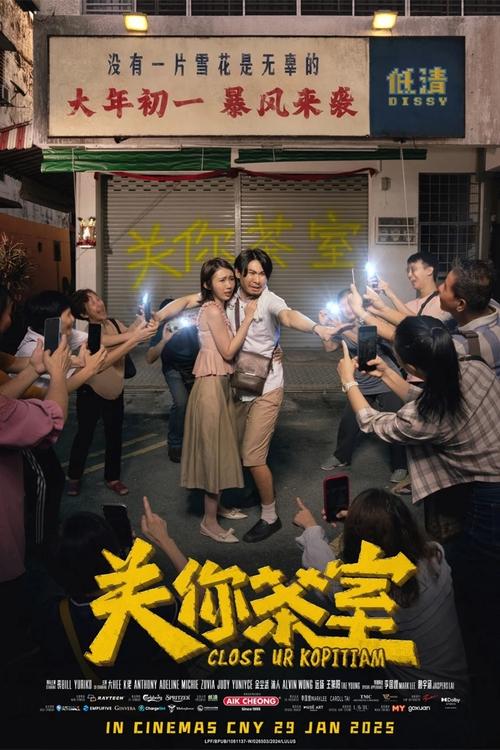
Co-workers Chaoyang and Zi Hong have been dating for more than a year, with marriage on the cards. When a client requests for a livestream of their reunion dinner to promote his products, the couple realises that neither have met the other’s family. Zi Hong is excited to finally get to meet Chaoyang’s mother, unaware of the latter’s estranged relationship with his mother. Embarrassed by his mother Yan Ling’s occupation as a mama-san, Chaoyang decides to engage the help of a friend, Wei, to “rent-a-family”, resulting in a series of mishaps and hilarity. The carefully constructed sham falls to pieces when the lie is eventually exposed over the reunion dinner on livestream. Will Chaoyang be able to repair the broken relationship with his mother and reconcile his differences with Zi Hong?
Reunion Dinner

Lust, shame, passion, lies and violence - the lives of individuals intertwine in an unyielding web under the red lights of Geylang. A desperate doctor searching for an organ for his daughter, a tormented prostitute paying off her lover's debt, a social worker with political inclinations willing to cross the line, and a ruthless pimp with a dark secret. Nothing is quite what it seems as a long night awaits.
Geylang

A remake of the award-winning Iranian film Children of Heaven, Homerun is a drama about two poor siblings and their adventures over a lost pair of shoes.
Homerun

Soh Hock, a good for nothing brother-in-law tries to steal an age old Chinese pastry recipe from his own brother-in-law in a bid to sell it and get rich quickly. Things quickly take a turn when a God of Fortune sees his plan and decides to turn his life upside down.
The Fortune Handbook

Everybody's Business is a light-hearted satire on Singapore and Singaporeans from different walks of life. When Singapore is hit with a widespread bout of food poisoning – with at least fifty victims – everyone is sent into a tizzy. How on earth could something like this happen in Singapore? And who’s responsible?
Everybody's Business

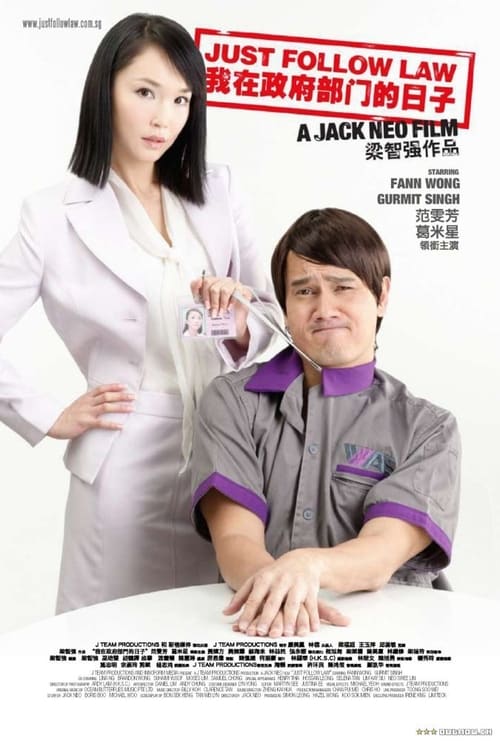
A change of scenery. Just Follow Law succinctly presented images of sterile Singapore in her most grandest splendor. Ah Long Pte Ltd (ALPL) however, is a conscious effort to honestly portray the grounds on which opposing parties with an ironic interdependence between them tread on.The back alleys of downtown KL - the rough and rugged terrain; the cold, fearsome, almost savage-like disposition of its inhabitants - all these are characteristics of the major roles depicted in this film.
Ah Long Pte Ltd

Liang Xi Mei (Jack Neo) is finally back! Having retired, Liang Xi Mei spends her time looking after her two obedient grandsons. However, Liang Xi Mei still leads a colorful life thanks to her absent-minded BFF Guang Dong Po (Wang Lei), who frequently muddles things up, leaving Liang Xi Mei to resolve the mess; and Lion King (Henry Thia) who is now diagnosed with mild Alzheimer’s, causing confusion and frustrations for everyone. Robert (Mark Lee), Liang Xi Mei’s eldest son also adds to her woes. Robert is a dreamer who often schemes to get rich quick. This causes Liang Xi Mei to find him unreliable and puts all her hopes on her youngest son Albert (Benjamin Josiah Tan). Her favoritism stirs up jealousy within Robert, who vows to strike it rich to win back Liang Xi Mei’s approval.
Wonderful! Liang Xi Mei

Kok Pin, Boon Hock and Terry are classmates in "EM3" stream. In Singapore, that means that at the age of 12, the government has decided that they are not as academically inclined as their peers. Kok Pin is creative and a born artist but his parents would rather he focus on his Maths and Sciences. Boon Hock comes from a low-income family and needs to balance school and helping out at the food stall. Terry, a spoilt brat is just too lazy a student. While the three children suffer from the pressure of school, their parents have another set of problems - their jobs and careers.
I Not Stupid

Chen Mo came from a wealthy family, however due to his nasty gambling habit, he squanders his family`s fortune and is left with nothing except for a painting from a painter named Chu Zhong Tian, which his father left him. Unfortunately, the painting, which costs $100,000, is not enough to pay off his debt. Chen Mo then comes across a news regarding a painter who has just passed away, causing the price of his paintings to increase. With an evil plan in mind, Chen Mo goes all the way to Singapore in search of Chu Zhong Tian in order to kill him. This way, the painting that his father left him will increase in monetary value and Chen Mo will be able to clear his debt.
Time is Money

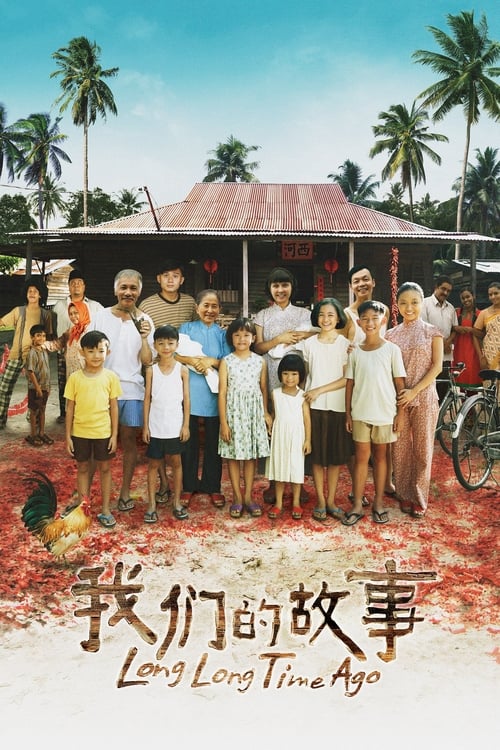
The story spans from 1965 to the early 1970s. Heavily pregnant Zhao Di, the unwanted second wife of an older man, was chased out by her husband's family and forced to return to her own family. She gave birth to a pair of twins, Shun Fatt and Su-mei. As Su-mei had two moles on her face, which was said to be bad luck, she decided to give her up due to the pressure of wanting to build a better life for the rest of her family.
Long Long Time Ago

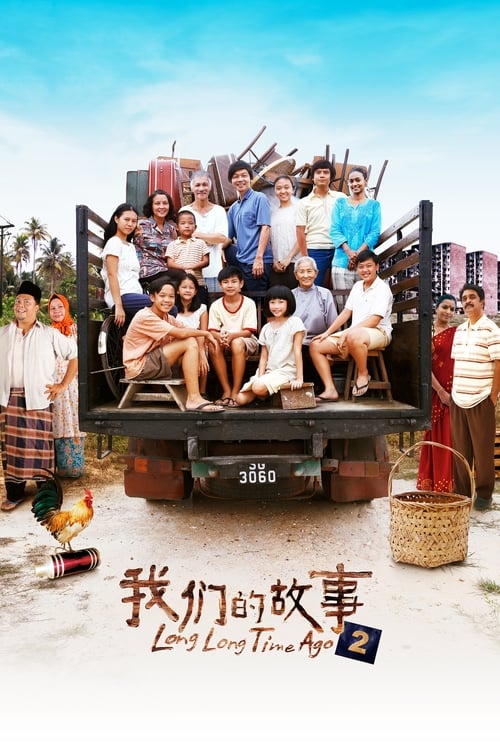
The story of the Lim family from Long Long Time Ago, continues in this two-part film series. Conflict grows between Ah Kun and his nephew Shun Fa. Themes of a generation gap between those born in the 1950s and the following generation are explored in their varying reactions to nation-building policies implemented from the 1980s to the present day.