Acting
No description available.
A Czech medical television series that focuses on an emergency department. Each episode follows cases inspired by real-life stories and the cases of patients and healthcare professionals.
One of the most notable anti-communist initiatives in the late 80s was the movement called Czech Children. They published their manifesto in May 1988, and the signatories were mostly young people. The movement expressed independent thinking and significantly contributed to the demonstrations in 1988 and 1989, especially during the so-called Palach Week in January 1989. In the document "Czech Children," the authors focus primarily on a young audience, aiming to remind them that the need to stand against injustice is not bound by age.
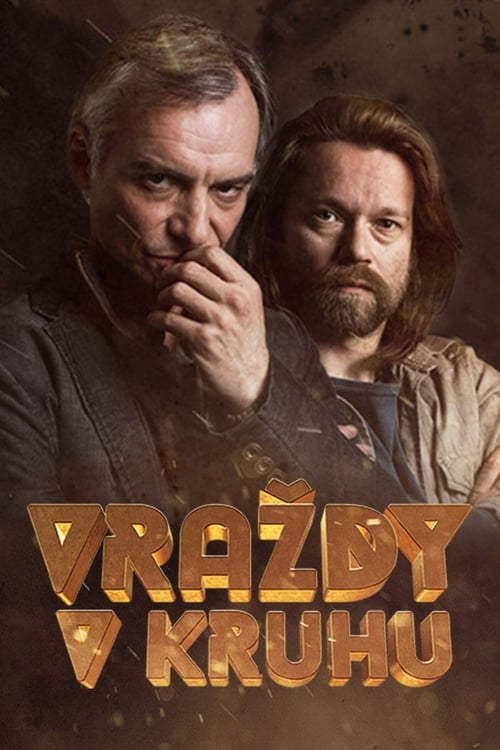
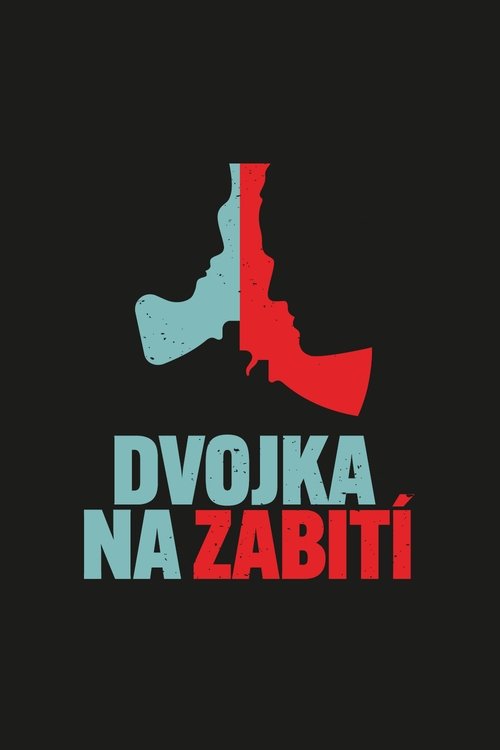
Although Czech republic is country free of rabbies, some cases of infected animals appear near one of villages in Sumava region. Virologist Pavel Rogl, that is in his thirties, has task to inspect the situation, supervise the vaccination and find the source of infection. He is also charged to elaborate an expertise for team of police detectives, that are investigating mysterious double homicide. It is possible, that murders are connected to infection. Is it a human murderer, or big beast that escaped?
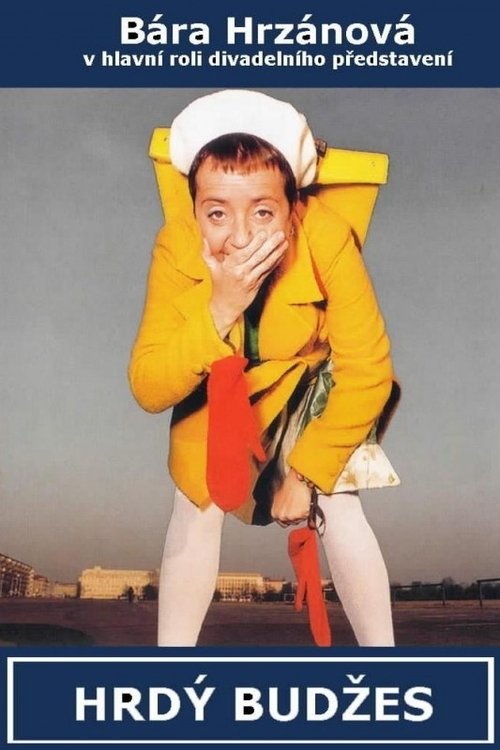
A recording of the theatrical adaptation of Irena Dousková's bestseller, starring Bára Hrzánová in the lead role. A few years ago, few people could have guessed how popular Irena Dousková's slim book with the somewhat mysterious title "Hrdý Budžes" would become. The stories of Helenka Součková, a second-grade elementary school student suffering from pensiveness and obesity, and, by extension, the onset of Husák's normalization, take place in the then party stronghold of Příbram, known for its uranium mining. It was therefore logical that the Příbram theater would bring Helenka's stories to the stage. And, as it turned out, it found a brilliant actress to play the main character. Bára Hrzánová was awarded the 2003 Thalia Prize for this role, and the television recording of the theatrical production became a real hit with viewers, as did the performance itself and Irena Dousková's book.